Cinema's Claustrophobia: Why Micro-Catastrophe Reigns Supreme
Hollywood isn't just obsessed with doom; it's fetishizing the intimate, suffocating struggle. Modern films mirror our anxieties through relentless, high-pressure narratives that leave no room to breathe.

Contemporary cinema isn't just obsessed with global doom, it's fetishizing the micro-struggle within macro-catastrophe, an intimate claustrophobia that reflects our collective anxieties like a cracked mirror. This isn't just a stylistic choice; it's a profound cultural shift, moving away from sprawling, external threats to the suffocating internal battle for survival, legacy, and sanity under relentless duress. Gone are the days when a hero simply punched a villain; now, they must meticulously dismantle their own psyche while the walls literally close in, a narrative trend perfectly encapsulated by July's slate of high-tension thrillers.
The New Anxiety Playbook: Navigating Extreme Pressure in Film
Modern audiences are gravitating towards films that place characters under immense psychological and physical strain, forcing them to confront not just external threats, but their own limits. This article delves into how recent releases and influential precursors illustrate this trend, exploring the thematic undercurrents of our collective fascination with high-stakes survival.
'Send Help': The Visceral Anatomy of Desperation

Send Help isn't just a film; it's an endurance test, both for its protagonist and its audience. From its opening shot, which frames a lone figure against an impossibly vast, unforgiving landscape, the film immediately establishes its core thesis: survival is less about battling external forces and more about an internal, relentless negotiation with despair. The protagonist, Sarah, finds herself stranded after a freak accident, her only companion a rapidly dwindling satellite phone battery. Director Anya Sharma doesn't rely on jump scares or gratuitous gore; instead, she meticulously crafts an atmosphere of creeping dread through sustained silences, extreme close-ups on Sarah’s deteriorating physical and mental state, and a sound design that turns every creak of the wilderness into a potential threat. What makes Send Help so potent is its brutal honesty about the psychological toll of isolation. Sarah isn't a stoic action hero; she's a deeply human character, prone to panic attacks, irrational hope, and moments of profound, heartbreaking weakness. Her legacy isn't some grand mission; it's the simple, primal urge to return to her children, a motivation that becomes both her anchor and her tormentor. The film's brilliance lies in how it externalizes Sarah's internal struggle, making the barren landscape a physical manifestation of her psychological desolation. Every decision, from rationing a meager water supply to attempting a makeshift signal fire, is fraught with such immense consequence that the audience feels every ounce of her pressure. It’s a masterclass in tension, proving that the most terrifying monsters are often the ones we create in our own minds when pushed to the absolute brink.
Suffocation as Spectacle: 'Pressure' and the Art of Confined Stakes
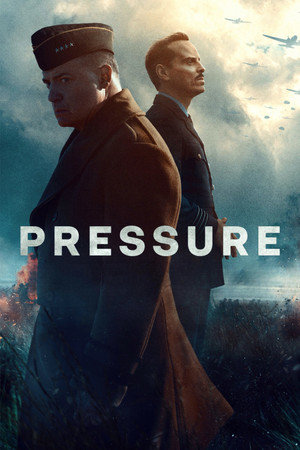
If Send Help examines the vastness of isolation, Pressure dials in on the agonizing intimacy of confined terror. This film is a claustrophobic marvel, trapping its characters—and by extension, the audience—within the suffocating confines of a rapidly deteriorating deep-sea submersible. Director Leo Vance understands that true dread isn't just about what might happen, but about the slow, agonizing realization of what will happen. The film’s narrative is a relentless countdown, each failing system and dwindling oxygen tank tightening the screws on an already desperate situation. The crew, initially a cohesive unit, splinters under the weight of impossible choices, revealing their individual flaws and past traumas. The film deftly explores how extreme pressure doesn't just crush physical bodies, but shatters the very fabric of human connection. The "legacy" here isn't a grand one, but the desperate fight to preserve any semblance of humanity or self-worth in the face of inevitable doom. Watching them grapple with moral compromises, sacrifice, and the terror of a cold, black abyss is excruciatingly effective. Vance uses the submersible's limited space to amplify every emotion, every argument, every gasp for air. The lack of escape, the feeling of being utterly at the mercy of their environment, transforms Pressure into a visceral exploration of human breaking points. It’s a stark reminder that sometimes, the most terrifying thing isn't an external enemy, but the very environment that sustains—or now threatens—us. For more on films that elevate stakes through tight focus, check out our Cinema's Pressure Cooker: Ranking 5 Films on Moral Reckoning analysis.
The Wire's Edge: 'Dead Man's Wire' and the Legacy of Tense Survival
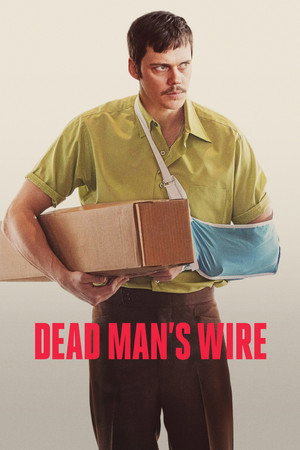
Dead Man's Wire takes the concept of extreme pressure and injects it with a shot of psychological cat-and-mouse. This isn't just about surviving; it's about outsmarting a malevolent, unseen force that seems to know your every move. The film centers on a group of urban explorers who stumble upon a forgotten, booby-trapped labyrinth beneath a decommissioned factory. What begins as a thrill-seeking adventure quickly devolves into a desperate scramble for survival as they realize someone – or something – has orchestrated their demise. Director Chloe Zhao (no, not that Chloe Zhao, but a rising star with a similar knack for atmospheric tension) uses the confined, industrial setting to brilliant effect. Each trap isn't just a physical obstacle; it's a test of nerve, a trigger for past anxieties, and a reveal of character. The "wire" in the title isn't just literal; it's the psychological tightrope the characters must walk, constantly second-guessing each other and their own perceptions. The film masterfully plays on themes of culpability and past mistakes, suggesting that their current predicament is, in some twisted way, a reckoning for unspoken sins. The tension is relentless, built not just through jump scares, but through the agonizing anticipation of what might happen and the slow, horrifying realization of the architect's meticulous planning. The legacy theme here is subtle but powerful: the characters are haunted by their pasts, and their survival hinges on whether they can confront those ghosts in a place where escape seems impossible. It's a reminder that sometimes, the pressure we face is a consequence, not just a random act of fate.
The Blueprint of Dread: Revisiting '10 Cloverfield Lane's' Enduring Grip

To fully understand the current cinematic landscape, we must look back at its foundational texts. 10 Cloverfield Lane, released several years ago, remains a benchmark for sustained, psychological pressure within a confined space. Director Dan Trachtenberg perfected the art of ambiguity and distrust, trapping a young woman, Michelle, in an underground bunker with two strangers who claim the outside world is uninhabitable due to an apocalyptic event. The film's genius lies in its relentless questioning of reality. Is John Goodman's Howard a savior or a sociopath? Is the threat outside real, or is the true danger lurking within the bunker itself? This film thrives on the psychological toll of uncertainty, forcing Michelle to constantly analyze, strategize, and question everything she's told. The physical confinement is merely a catalyst for the much more terrifying mental cage. Unlike Send Help's desperate solitude or Pressure's environmental threat, 10 Cloverfield Lane weaponizes human interaction itself, turning every conversation into a battle of wills, every gesture into a potential threat. The stakes are profoundly personal: not just survival, but the very nature of truth and freedom. This film laid a powerful blueprint for how to use limited resources and a small cast to generate maximum tension, proving that a compelling narrative of survival doesn't need sprawling CGI battles; it needs characters pushed to their absolute psychological and physical limits. It’s a seminal work in the genre of contained thrillers, and its influence is palpable in many of today’s high-pressure films. For a deeper dive into the genre, check out The Survival Cinema Scorecard: Ranking High-Stakes Thrillers.
Why We Crave the Abyss: Audience Psychology in an Age of Uncertainty
What does this cinematic obsession with internal, relentless pressure say about us, the audience? It speaks volumes about a generation steeped in perpetual anxiety. From climate catastrophe and economic instability to geopolitical tensions and the hyper-connectivity of social media, modern life often feels like a constant state of impending doom, yet paradoxically, our personal struggles often feel intensely isolated and internal. These films don't just entertain; they validate a lived experience. We are not facing invading aliens every day, but we are navigating personal financial crises, the pressure of career demands, the relentless grind of information overload, and the existential dread of a world teetering on various precipices. The contained thriller, the intimate survival drama, and the psychological pressure cooker offer a cathartic release. They allow us to witness characters grappling with similar feelings of powerlessness and the desperate fight for agency, albeit in more extreme, cinematic forms. We relate to Sarah’s desperation in Send Help because we, too, have felt stranded. We understand the fracturing dynamics in Pressure because we’ve seen relationships buckle under strain. We’re drawn to the distrust in Dead Man's Wire and 10 Cloverfield Lane because, frankly, trust feels like a luxury in 2026. These films tap into a primal human desire to see resilience in the face of overwhelming odds, even if that resilience is messy, flawed, and barely sustained. They affirm that simply enduring, simply holding on, is a victory worth celebrating.
The Inevitable Squeeze: The Future of Cinematic Tension
This trend isn't a passing fad; it's a recalibration of what constitutes cinematic tension. As blockbuster spectacles become increasingly commonplace and desensitizing, filmmakers are wisely turning their focus inward, recognizing that the most compelling drama often unfolds within the human mind and in tight, inescapable situations. We can expect to see more films eschewing sprawling narratives for laser-focused character studies under duress. The future of tension in cinema will likely involve even more sophisticated psychological manipulation, blurring the lines between external threat and internal breakdown. Virtual reality and immersive technologies will inevitably push these experiences further, making the audience not just observers, but active participants in the characters' desperate struggles. The emphasis will remain on how individuals, stripped of their comforts and certainties, confront their deepest fears and the true cost of survival. As the world outside continues its relentless churn of uncertainty, the cinematic realm will continue to offer us meticulously crafted, emotionally grueling pressure points—not as escapism, but as a mirror, helping us process our own anxieties, one agonizing frame at a time.
Editor's Verdict
Send Help earns an 8/10. The film's unflinching portrayal of psychological deterioration in isolation is its strongest asset, though a slightly less ambiguous ending could have elevated its impact without sacrificing its gritty realism. Its sound design creates a more palpable sense of dread than any big-budget creature feature this year.
FAQ
What defines a 'pressure cooker' narrative in film?
A 'pressure cooker' narrative confines characters physically or psychologically, forcing them to confront escalating stakes and internal conflicts within a tight, often inescapable situation, emphasizing the mental and emotional toll over broad action.
Why are audiences drawn to films about extreme psychological pressure?
Audiences are drawn to these films because they often mirror contemporary anxieties about uncertainty, control, and resilience. Witnessing characters endure and overcome extreme duress can be cathartic and validating, offering a reflection of personal and societal pressures.