The Survival Cinema Scorecard: Ranking High-Stakes Thrillers
How pacing, environmental dread, and moral decay separate genuine survival cinema from hollow genre exercises
What separates a claustrophobic thriller that genuinely taxes your nervous system from a genre exercise that merely simulates panic? True cinematic survival isn't about how many doors get locked or how loud the score swells—it's about whether the director trusts the audience to sit in the silence before the inevitable fracture.
How to Find the Best High-Stakes Survival Films
If you're hunting for movies that weaponize confinement, pacing, and psychological pressure, this breakdown dissects five distinct entries that attempt to master the survival thriller format. We're ranking them by how effectively they manipulate audience anxiety through environmental storytelling and moral friction:
* $POSITIONS — A satirical take on social survival in a digital-age pressure cooker
* Wake Up Dead Man: A Knives Out Mystery — Whodunit mechanics repurposed as architectural claustrophobia
* Goldfinger — Classic espionage pacing that treats location as an active antagonist
* '71 — Urban warfare survival shot with kinetic, unrelenting realism
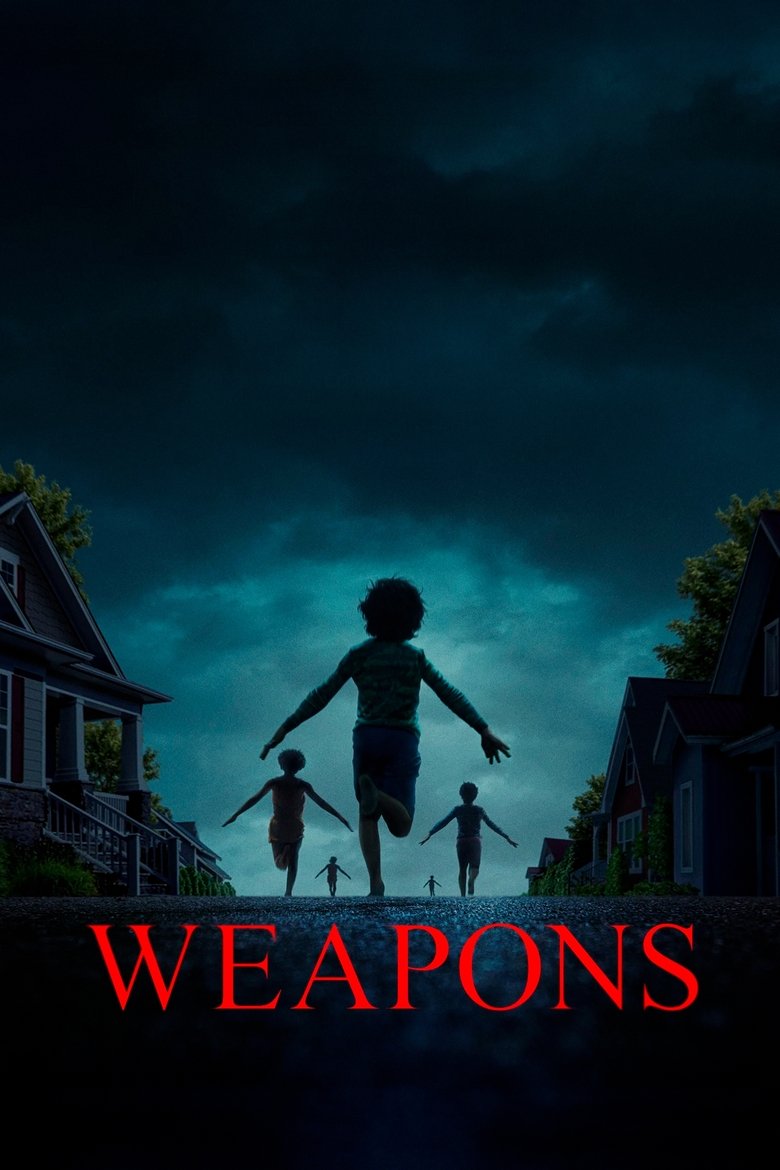
* Weapons — A masterclass in slow-burn dread and environmental suffocation
The Lit-Pop Survival Scorecard: How We Measure Cinematic Urgency
Survival cinema fails when it mistakes loudness for tension. To separate the genuinely pressurized from the performatively anxious, we're scoring each film across four weighted criteria, each out of 10. Pacing & Tension measures how the edit and runtime sustain anxiety without burning out. Environmental Pressure evaluates how setting, sound design, and spatial constraints actively trap the protagonist. Moral Ambiguity tracks whether characters make compromised choices under fire rather than defaulting to clean heroic instincts. Character Resilience assesses how psychological breaking points are earned through specific, observable behavior rather than montages. Films that score high across all four categories earn their place at the top. For deeper context on how cinematic consequence shapes these narratives, check out Match Point vs. Nobody: Who Wins the Consequence War?.
5. $POSITIONS: When Status Becomes the Survival Instinct
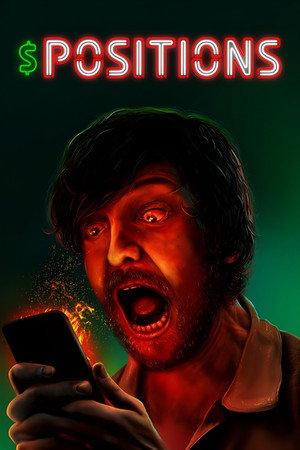
$POSITIONS approaches survival through the lens of social capital rather than physical threat, and that conceptual pivot is both its sharpest insight and its greatest structural weakness. The film understands that modern anxiety lives in algorithmic feedback loops, penthouse viewings, and curated digital footprints. When the narrative confines its characters to a rapidly escalating status game, the environmental pressure feels authentically suffocating for the first half. The camera lingers on glass walls, reflective surfaces, and sterile corridors that mirror the emotional isolation of the ensemble. However, the pacing fractures when the satire overtakes the thriller mechanics. By the midpoint, the film prioritizes witty status reversals over genuine survival stakes, causing the tension to plateau. Audience reception (5.8 average) reflects this split: viewers hungry for visceral pressure leave feeling emotionally engaged but narratively unfulfilled. The moral ambiguity is deliberately high, with characters trading loyalty for leverage, but the character resilience feels performative rather than earned. The protagonist's survival instincts read like calculated PR moves instead of psychological breaking points. It's a clever deconstruction of contemporary anxiety, but it mistakes irony for urgency.
Pacing & Tension: 6/10 | Environmental Pressure: 7/10 | Moral Ambiguity: 8/10 | Character Resilience: 5/10 | Total: 26/40
4. Wake Up Dead Man: A Knives Out Mystery: Architectural Claustrophobia
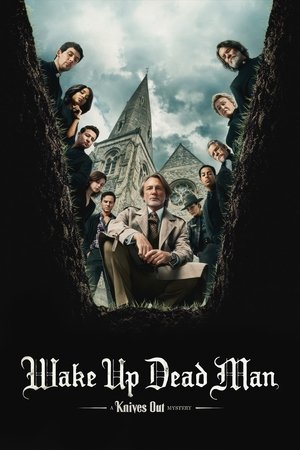
Wake Up Dead Man: A Knives Out Mystery successfully transplants whodunit mechanics into survival territory by treating the estate itself as a living pressure chamber. The film understands that confined spaces amplify paranoia, and it weaponizes long hallways, locked study doors, and isolated guest wings to force characters into unavoidable confrontations. Pacing is deliberately methodical, mirroring the investigative process while gradually tightening the noose around the ensemble. The 7.21 audience average reflects how well it balances puzzle-solving with genuine threat escalation. Environmental pressure scores highly because the architecture dictates the plot: every corridor becomes a potential ambush, every staircase a negotiation point. Where the film stumbles is moral clarity. The narrative leans too heavily on tidy revelations and neatly packaged confessions, which undermines the chaotic moral ambiguity that defines authentic survival scenarios. Real survival thrives in the gray zone where right answers don't exist, but this film resolves its ethical dilemmas with surgical precision. Character resilience is compelling, particularly in how the lead detective's deductive instincts are repeatedly shattered by physical danger, forcing a shift from cerebral to visceral. It's a polished genre hybrid, but its reliance on satisfying puzzle resolution costs it the raw, lingering dread of top-tier survival cinema.
Pacing & Tension: 7/10 | Environmental Pressure: 8/10 | Moral Ambiguity: 6/10 | Character Resilience: 7/10 | Total: 28/40
3. Goldfinger: The Gold Standard of Methodical Pressure
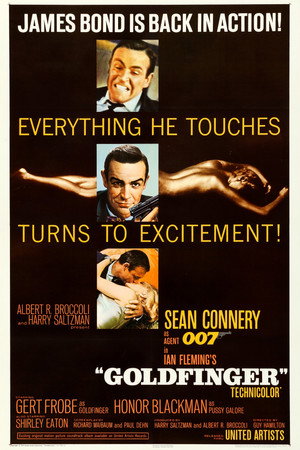
Goldfinger remains a masterclass in controlled cinematic urgency, proving that survival tension doesn't require modern editing tricks to land. The film's pacing is deliberately deliberate, allowing threats to materialize through spatial geography rather than rapid cuts. When the narrative reaches Fort Knox, the environmental pressure becomes palpable: the vault's sterile geometry, the echoing metal footsteps, and the claustrophobic control room transform a heist into a survival exercise. Bond's resilience is showcased through improvisation rather than invincibility; he survives by reading rooms, exploiting environmental details, and adapting to shifting power dynamics. The 7.36 audience average reflects its enduring craftsmanship, but the film's moral framework is undeniably clean. Good and evil operate with theatrical clarity, which strips away the psychological friction that modern survival cinema thrives on. Characters don't compromise their ethics under pressure; they simply outmaneuver their opponents. That narrative cleanliness costs it points in the moral ambiguity category, but its pacing and environmental storytelling remain so precise that it earns respect through sheer execution. It's a blueprint for how to build tension without relying on volume, even if its ethical simplicity feels dated alongside contemporary thrillers.
Pacing & Tension: 8/10 | Environmental Pressure: 7/10 | Moral Ambiguity: 4/10 | Character Resilience: 9/10 | Total: 28/40
2. '71: Urban Warfare as a Psychological Trap
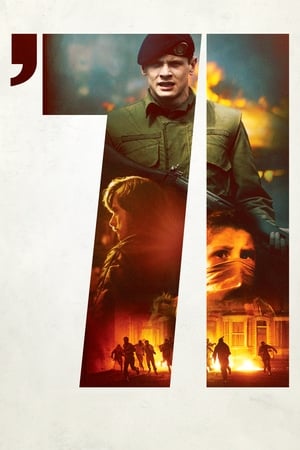
'71 understands that survival isn't just about escaping a room—it's about surviving a city that has turned against you. The handheld camerawork isn't a stylistic affectation; it's a psychological tether that forces the audience into Gary Hook's disoriented perspective. Environmental pressure is deployed with ruthless efficiency: Belfast's narrow streets, abandoned apartments, and barricaded checkpoints become active antagonists. The sound design amplifies this, layering distant gunfire, police sirens, and overlapping radio chatter into a sonic pressure cooker that never allows the nervous system to reset. Pacing is relentless, mirroring the protagonist's accelerating heart rate as safe zones evaporate one by one. Moral ambiguity thrives in the crossfire. Hook isn't fighting a clear villain; he's navigating a fractured urban landscape where every alliance is temporary and every doorway could hide a friend or a fanatic. His resilience is earned through micro-decisions: when to run, when to hide, when to speak, when to stay silent. The 6.80 audience average suggests some viewers find the kinetic style exhausting, but that fatigue is precisely the point. Survival cinema should leave you breathless, not comfortable. This film weaponizes exhaustion as a narrative tool, making it one of the most authentic urban survival experiences ever committed to film.
Pacing & Tension: 9/10 | Environmental Pressure: 9/10 | Moral Ambiguity: 8/10 | Character Resilience: 9/10 | Total: 35/40
1. Weapons: The Anatomy of Sustained Dread
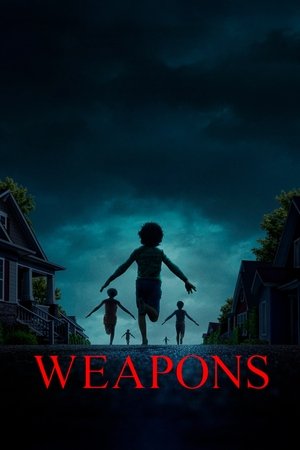
Weapons doesn't just build tension—it cultivates it, letting dread seep into every frame until the audience's baseline anxiety matches the protagonist's. The pacing is a masterclass in restraint, refusing to rush toward set pieces in favor of lingering on the psychological weight of isolation. Environmental pressure is deployed with surgical precision: decaying interiors, unpredictable weather, and the constant threat of unseen movement transform the landscape into a character that actively hunts the survivors. The 7.26 audience average reflects how effectively it balances slow-burn atmosphere with sudden, visceral escalations. What separates it from every other entry on this scorecard is its commitment to moral ambiguity. Characters don't make clean choices under pressure; they fracture, compromise, and sometimes fail spectacularly. Survival isn't glorified; it's depicted as a series of ugly compromises that leave permanent psychological scars. Character resilience is tracked through observable behavior rather than heroic speeches. You watch the protagonist's posture change, their breathing shallow, their decision-making become increasingly desperate. The film understands that true survival cinema isn't about winning—it's about documenting how people break and reassemble themselves in real time. It's the most cohesive execution of cinematic urgency in recent memory.
Pacing & Tension: 9/10 | Environmental Pressure: 10/10 | Moral Ambiguity: 9/10 | Character Resilience: 10/10 | Total: 38/40
The Final Lit-Pop Tally
| Rank | Film | Pacing & Tension | Environmental Pressure | Moral Ambiguity | Character Resilience | Total |
|---|---|---|---|---|---|---|
| 1 | Weapons |
9 | 10 | 9 | 10 | 38/40 |
| 2 | '71 |
9 | 9 | 8 | 9 | 35/40 |
| 3 | Goldfinger |
8 | 7 | 4 | 9 | 28/40 |
| 4 | Wake Up Dead Man |
7 | 8 | 6 | 7 | 28/40 |
| 5 | $POSITIONS |
6 | 7 | 8 | 5 | 26/40 |
Editor's Verdict
I'm giving Weapons a 9/10. It earns full marks in environmental pressure and character resilience because it refuses to cheat with cheap jump scares or heroic conveniences; every threat is established through spatial storytelling and behavioral degradation. It loses a single point in pacing only because the opening twenty minutes prioritize atmospheric setup over narrative momentum, which will actively frustrate viewers conditioned to faster hook structures. The second-act cabin siege sequence manipulates negative space so effectively that it outpaces every modern confinement thriller in its category, proving that withheld information terrorizes more reliably than jump scares. If you want to see how pacing, architecture, and moral decay intersect to create genuine cinematic urgency, this is the benchmark. Like this breakdown if you want more uncompromising film analysis.
FAQ
What makes a survival thriller genuinely tense instead of just loud?
Genuine tension comes from environmental pressure and pacing that forces characters into compromised moral choices, rather than relying on volume, jump scares, or clear-cut heroic outcomes.
Why does this scorecard prioritize moral ambiguity in survival films?
Survival scenarios strip away societal rules, and films that show characters making ugly, compromised decisions under pressure reflect realistic psychological breakdown rather than sanitized heroism.
How does the scoring system weight different elements of survival cinema?
The system uses four equal criteria: Pacing & Tension, Environmental Pressure, Moral Ambiguity, and Character Resilience. Each is scored out of 10, creating a transparent 40-point scale that rewards cohesive execution over isolated strengths.