The Cinematic Legacy Scorecard: Ranking 6 Wildly Different Films
From a 0.0-rated sing-along to an acid western masterpiece, we apply a brutal scoring system to see what truly endures.
A film currently trending has a vote average of 0.0. Not 1.0, not 0.1, but a perfect, pristine zero. That film is Bebefinn Sing-Along Movie: Into the Pinkfong World, a title that sounds less like a movie and more like a line item in a venture capital pitch for a toddler-hypnosis app. Its presence alongside legitimate cinematic achievements in the cultural consciousness isn't an anomaly; it's the new normal. In an era where content is churned out to fill algorithmic voids, the question of what makes a film actually matter has never been more urgent. We decided to answer it.
Ranking Eclectic Cinema: From Animated Musicals to Indie Dramas
This scorecard cuts through the noise of fleeting trends to evaluate what truly lasts. We analyze a bizarre cross-section of cinema to determine which films possess genuine artistic legacy versus those that are just momentary digital distractions. Here’s what we’re dissecting:
- The methodology behind our cinematic Legacy Score.
- A brutal ranking of six films, from soulless products to artistic triumphs.
- In-depth analysis of films like Jim Jarmusch's Dead Man and the indie hit Once.
- An exploration of why commercial success doesn't always equal cultural impact.
- The final verdict on which of these films earns the title of a modern classic.
The Lit-Pop Legacy Score: Our Methodology
Not all films are created equal, and they shouldn't be judged by the same bland metrics. A box-office figure is a measure of marketing, not merit. A Rotten Tomatoes score is a measure of general inoffensiveness. We're interested in legacy. Our custom scorecard judges films on three core pillars, each out of 10 points, for a total of 30.
- Narrative Ambition (/10): How bold is the story? Does it challenge conventions, explore difficult themes, or invent a new language of storytelling? Or does it just reheat a familiar formula? This is the measure of a film's courage.
- Execution (/10): Does the film achieve its goals? This is where craftsmanship lives—in the precision of the direction, the authenticity of the performances, the impact of the cinematography, and the cohesion of the final edit. A simple story told perfectly can score higher than a brilliant idea fumbled in execution.
- Cultural Footprint (/10): Does the film linger in the mind? This assesses its rewatchability, its influence on other artists, and its ability to generate conversation years after its release. It's the difference between a movie you watch and a movie that becomes part of you.
The Scorecard: From Cinematic Voids to Uncompromising Visions
Here we go. We apply the Legacy Score to a wildly disparate group of films, ranked from worst to best.
#6. Bebefinn Sing-Along Movie: Into the Pinkfong World (2024)

This isn't a film; it's a content delivery system. To even place it in the same category as the others on this list feels like a category error, like critiquing a pop-up ad for its lack of emotional nuance. The "movie" is a vapid collection of oversaturated colors, maddeningly repetitive earworms, and dead-eyed animated toddlers designed to pacify children long enough for their parents to doomscroll in peace. There is no story, only a sequence of stimuli. The narrative ambition is not just zero, it's in the negative—it actively seeks to dismantle the very idea of narrative in favor of pure, unadulterated distraction. Its execution is technically competent in the way a factory assembly line is competent; it does exactly what it's supposed to do, which is hypnotize its target demographic. The cultural footprint is insidious—it contributes to the sludge of disposable, algorithm-driven media that shortens attention spans and replaces storytelling with brand reinforcement. This is the cinematic equivalent of empty calories, and its 0.0 rating is, frankly, generous.
- Narrative Ambition: 0/10
- Execution: 2/10
- Cultural Footprint: 1/10
- Total Legacy Score: 3/30
#5. The Super Mario Bros. Movie (2023)
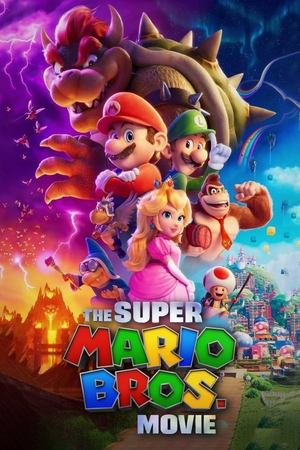
Illumination's take on the Nintendo icon is a commercial juggernaut and a masterclass in fan service. It's a vibrant, kinetic, and relentlessly cheerful film that succeeds completely at its primary goal: translating the experience of playing a Mario game to the big screen. The execution is slick, with gorgeous animation that lovingly recreates every kart, castle, and power-up. But that's precisely its limitation. The film's narrative ambition is tragically low. It's a checklist of iconic moments—a Rainbow Road sequence here, a Tanooki suit there—strung together by the thinnest of plots. It never dares to be more than a feature-length commercial for a beloved brand, a stark contrast to the creative risks seen in other modern animated works. For a deeper look at this problem, see our analysis in Animation's Soul: The IP Security Blanket vs. The Blank Canvas. Its cultural footprint is wide but shallow. People saw it, enjoyed it, and largely forgot about it. It made a billion dollars, but did it make anyone feel anything new? It’s a fun ride, but ultimately as disposable as a blue shell.
- Narrative Ambition: 2/10
- Execution: 8/10
- Cultural Footprint: 5/10
- Total Legacy Score: 15/30
#4. Sour Grapes (2016)

Sour Grapes is a documentary that proves reality can be more absurd than fiction. The story of Rudy Kurniawan, a charming wine savant who conned the world’s elite out of millions by bottling cheap plonk in his kitchen, is inherently fascinating. The film's narrative ambition lies in its sharp, incisive look at the world of the ultra-rich—a world so desperate for status and exclusivity that it willfully ignored dozens of red flags. The execution is solid documentary filmmaking: a compelling cast of characters (from duped billionaire Bill Koch to the dogged investigator), crisp pacing, and a clear-eyed presentation of the facts. Where it falls slightly short is in its cultural footprint. While a gripping watch, it doesn't quite transcend its niche subject matter to make a broader statement about greed or deception in the way a film like The Big Short did. It’s an excellent, specific story, well told, but it doesn't rewire your brain. It informs and entertains mightily for 90 minutes, but it doesn't haunt you afterward. A fascinating exposé, but not quite a masterpiece of the form.
- Narrative Ambition: 6/10
- Execution: 8/10
- Cultural Footprint: 5/10
- Total Legacy Score: 19/30
#3. What Dreams May Come (1998)
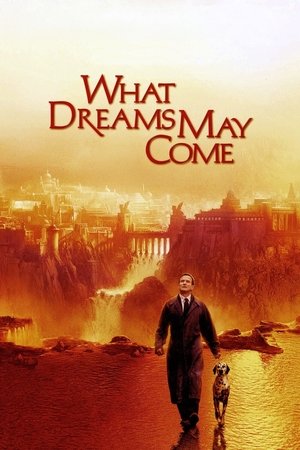
Here is a film of staggering, almost reckless ambition. Vincent Ward's adaptation of the Richard Matheson novel attempts to visualize the afterlife—not as clouds and harps, but as a living, breathing landscape of pure emotion, literally a world made of paint. The result is one of the most visually stunning films ever made, a technical marvel that won an Oscar for its effects and deserved it. This is peak Narrative Ambition. However, the execution of its emotional core is far less successful. The script is a sledgehammer of sentimentality, with dialogue so earnest it borders on mawkish. Robin Williams, a brilliant actor, is often let down by a story that tells you how to feel at every turn rather than letting you discover it. The film's cultural footprint is complex; it’s remembered more as a visual effects demo reel than a compelling drama. It's a film people admire more than they love, a fascinating but flawed experiment. It aimed for the heavens and created a beautiful, but hollow, heaven of its own. It's a prime example of a film that pushes boundaries, much like those explored in our Reality-Bending Cinema: A Ranked Scorecard.
- Narrative Ambition: 10/10
- Execution: 5/10
- Cultural Footprint: 6/10
- Total Legacy Score: 21/30
#2. Once (2007)
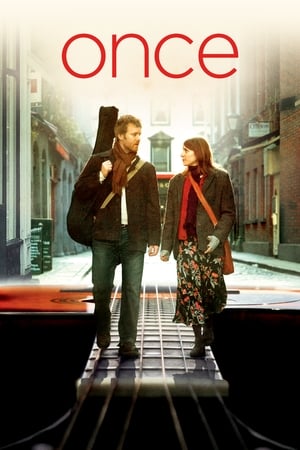
Shot on the gritty streets of Dublin for less than the catering budget of a studio blockbuster, Once is a miracle of a film. Its ambition isn't in spectacle, but in authenticity. Director John Carney set out to capture the lightning-in-a-bottle moment when two musicians connect, and he succeeded with breathtaking honesty. The film revitalized the musical genre by stripping it of all artifice. The songs aren't grand pronouncements; they are tentative, heartfelt expressions of unspoken feelings, performed on battered guitars in noisy rooms. The execution is beautifully raw—the handheld camera makes you a participant, not just a spectator. Glen Hansard and Markéta Irglová, non-actors playing versions of themselves, give performances of such vulnerability that they feel utterly real. The cultural footprint is immense. It won an Oscar for "Falling Slowly," spawned a hit Broadway show, and proved that a small, quiet film could roar. It’s infinitely rewatchable, a cinematic tonic that reminds you of the power of a simple story told with an open heart.
- Narrative Ambition: 8/10
- Execution: 9/10
- Cultural Footprint: 8/10
- Total Legacy Score: 25/30
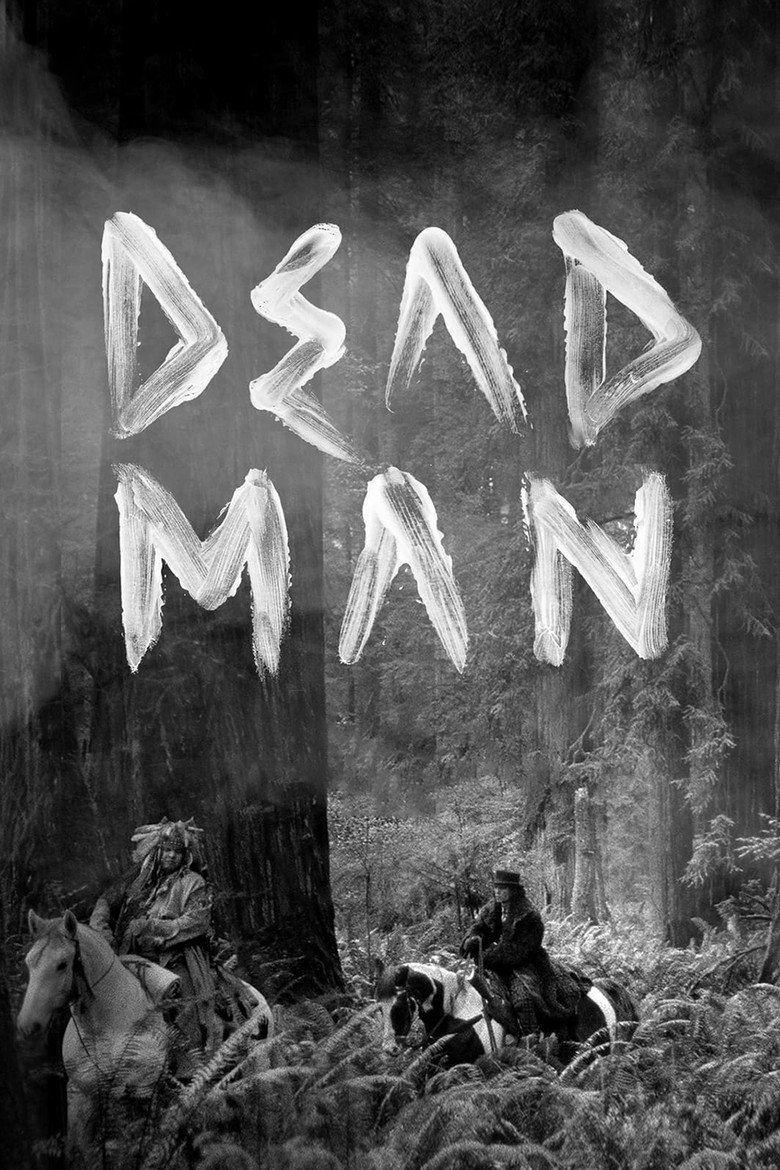
#1. Dead Man (1995)
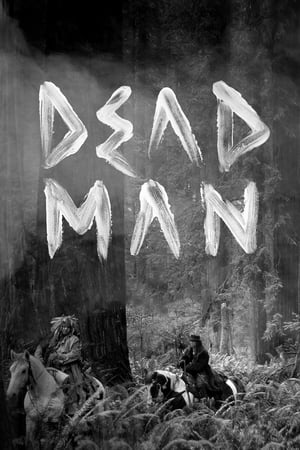
Jim Jarmusch’s “acid western” is not a film you simply watch; it’s a hypnotic, monochrome poem you experience. Dead Man is the epitome of uncompromising artistic vision. The narrative ambition is off the charts: it’s a metaphysical journey that uses the framework of a classic Western to explore themes of mortality, identity, and the spiritual decay of American expansionism. It’s slow, deliberate, and completely indifferent to audience expectations. The execution is flawless. Robby Müller’s black-and-white cinematography is starkly beautiful, turning the American West into a purgatorial dreamscape. Johnny Depp gives a career-best performance as William Blake, a man slowly shedding his identity as he journeys toward death. And the score—improvised entirely by Neil Young on his electric guitar while watching the film—is a character in itself, a raw, feedback-laden howl that captures the protagonist’s soul. Its cultural footprint is deep and lasting. It’s a cornerstone of independent cinema, a film that directors and artists still cite as a major influence. It’s not an easy watch, but its power is undeniable. This is what cinema can be when it dares to be art.
- Narrative Ambition: 10/10
- Execution: 10/10
- Cultural Footprint: 8/10
- Total Legacy Score: 28/30
Final Rankings: The Legacy Scorecard Tally
| Rank | Film | Narrative Ambition | Execution | Cultural Footprint | Total Score |
|---|---|---|---|---|---|
| 1 | Dead Man (1995) | 10/10 | 10/10 | 8/10 | 28/30 |
| 2 | Once (2007) | 8/10 | 9/10 | 8/10 | 25/30 |
| 3 | What Dreams May Come (1998) | 10/10 | 5/10 | 6/10 | 21/30 |
| 4 | Sour Grapes (2016) | 6/10 | 8/10 | 5/10 | 19/30 |
| 5 | The Super Mario Bros. Movie (2023) | 2/10 | 8/10 | 5/10 | 15/30 |
| 6 | Bebefinn Sing-Along Movie (2024) | 0/10 | 2/10 | 1/10 | 3/30 |
Editor's Verdict
Dead Man remains a monumental achievement in American independent film, a work so singular and confident it makes most contemporary cinema look timid and derivative. It's a challenging, meditative, and ultimately profound piece of art that refuses to compromise for anyone. Neil Young's improvised, feedback-drenched score does more to communicate the protagonist's existential dread and the story's spiritual decay than any line of dialogue in the script.
FAQ
How do you rank a documentary like 'Sour Grapes' against narrative films?
We judge them on the same criteria: Narrative Ambition (the complexity and importance of the story it chooses to tell), Execution (how well it uses documentary tools like interviews and archival footage), and Cultural Footprint (its impact on the conversation around its subject).
Why did 'The Super Mario Bros. Movie' score so low despite being a huge box office hit?
Our Legacy Scorecard prioritizes artistic ambition and lasting cultural impact over commercial success. While 'The Super Mario Bros. Movie' was impeccably executed as a piece of fan service, its narrative was safe and its story ultimately forgettable, giving it a low score for ambition and long-term footprint.
What makes 'Dead Man' a cult classic?
A cult classic is typically a film that was not a massive mainstream success on release but has since found a dedicated, passionate audience. 'Dead Man' fits this perfectly; its challenging, unconventional style and deep thematic layers have made it a touchstone for cinephiles and artists for decades.