Match Point vs. Nobody: Who Wins the Consequence War?
A head-to-head breakdown of narrative risk, performative restraint, and visual grammar across five trending films
The glow of the television cuts through the kitchen at 2:14 AM. Empty takeout containers sit in a greasy triangle on the counter, and you’re caught in that specific liminal state where narrative logic completely overrides sleep deprivation. You just watched a protagonist make a catastrophic moral choice, and instead of feeling the anticipated catharsis of a thriller, you’re left staring at the ceiling, dissecting why the tension never actually broke. This isn’t just fatigue talking; it’s a symptom of modern cinematic storytelling struggling to reconcile genre expectations with emotional authenticity. We’re drowning in films that mistake plot mechanics for dramatic weight, leaving audiences intellectually engaged but emotionally hollow. When cinema abandons consequence for spectacle, or trades moral complexity for kinetic relief, it stops functioning as art and starts functioning as content. The films dominating the current conversation force us to ask which approach actually earns the audience’s investment.
Best Movies for Analytical Viewers in 2026
- Match Point vs. Nobody: A head-to-head breakdown of narrative consequence and kinetic pacing
- Blast from the Past: How period comedy navigates tonal whiplash and audience nostalgia
- Scary Movie: The mechanics of parody, cultural referencing, and why satire ages like milk
- Pizza Movie: Genre subversion, comedic timing, and the art of the low-stakes thriller
The Architecture of Consequence: Narrative Risk vs. Narrative Payoff
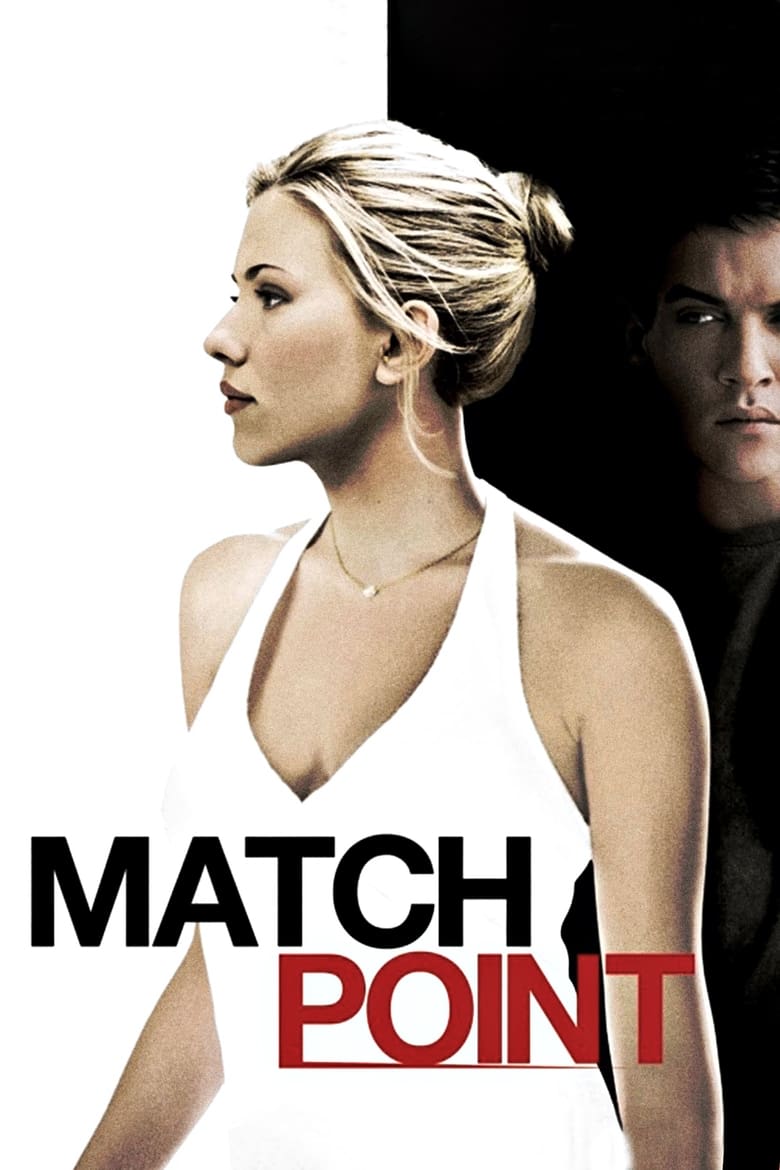
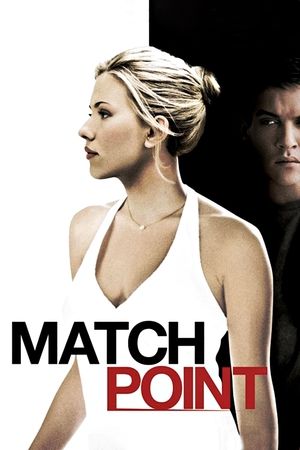 Woody Allen’s Match Point operates on a ruthless calculus of cause and effect, structured around a protagonist whose moral decay is measured in increments rather than explosions. The film’s narrative architecture is deliberately sluggish, mirroring Chris Wilton’s own hedonistic drift. Allen doesn’t rush toward the inevitable crimes; he lets the audience sit in the uncomfortable silence of compromised ethics, watching as a tennis scholarship curdles into aristocratic entitlement. The pacing is a narrative trap—lulling viewers into complacency before snapping shut during the double-murder sequence. This deliberate elongation of the middle act forces a confrontation with complicity. When the final twist lands, it doesn’t feel like a deus ex machina; it feels like the universe finally collecting on a decades-old debt. The film understands that true tension isn’t about whether the protagonist gets caught, but whether they believe they deserve to escape unpunished.
By contrast, Nobody
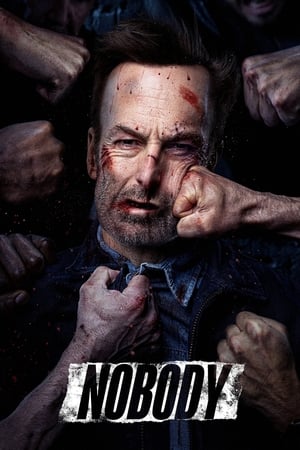 weaponizes pacing as a form of narrative misdirection. The first half masquerades as a suburban dramedy about a forgotten father and husband, but the inciting incident—a seemingly minor act of self-defense—triggers a meticulously choreographed avalanche. The film’s structure is built on kinetic escalation, trading psychological depth for visceral momentum. Where Match Point lingers in the aftermath of bad decisions, Nobody accelerates toward them, treating violence not as a moral failing but as a reclaimed identity. The narrative payoff isn’t philosophical; it’s physical. The film understands that modern audiences crave kinetic release over existential dread, which is precisely why it succeeds where other action-thrillers fail. It doesn’t pretend to be profound; it pretends to be ordinary, making the eventual detonation feel earned rather than manufactured.
The peer contenders fracture along this same axis. Blast from the Past
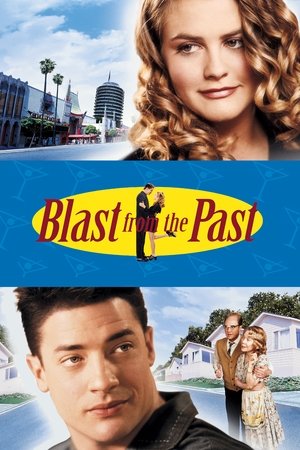 attempts to build narrative tension through cultural displacement, but its pacing buckles under the weight of its own premise. The fish-out-of-water structure demands a steady accumulation of misunderstandings, yet the film rushes through its third act, sacrificing character logic for a convenient romantic resolution. Meanwhile, Scary Movie
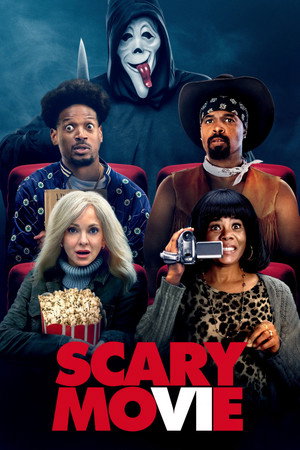 abandons traditional narrative architecture entirely, replacing plot progression with a relentless barrage of pop-culture references. Its pacing is frantic and disjointed by design, treating narrative consequence as an obstacle to comedy. Pizza Movie
 occupies a strange middle ground, using low-stakes genre conventions to mask a surprisingly tight narrative engine. It understands that tension doesn’t require life-or-death stakes; it just requires precision and an unflinching commitment to its own rules.
Dimension 1 Scoring Breakdown: 1. Nobody (9/10) - Masterclass in kinetic escalation and structural misdirection 2. Match Point (8.5/10) - Deliberate, morally complex pacing that rewards patience 3. Pizza Movie (7/10) - Tight low-stakes engine, occasionally held back by genre familiarity 4. Blast from the Past (6/10) - Premise outpaces execution, third-act collapse 5. Scary Movie (4/10) - Narrative architecture sacrificed for reference-juggling
Performative Calibration: Methodical Restraint vs. Kinetic Release
Jonathan Rhys Meyers’ performance in Match Point is a masterclass in calculated emotional withholding. He plays Chris Wilton not as a cartoon villain, but as a man meticulously curating his own descent. The brilliance lies in the micro-expressions: the slight tightening of the jaw during a high-society dinner, the hollow gaze when observing his wife’s artistic ambitions from behind tinted windows. Meyers understands that true menace doesn’t announce itself; it accumulates. Scarlett Johansson and Emily Mortimer provide equally calibrated turns, representing the two gravitational pulls of Wilton’s life—vitality versus stability. The ensemble never overplays their hands, allowing the audience to project their own moral judgments onto the canvas. This performative restraint creates a chilling authenticity that lingers long after the credits roll, proving that what actors choose not to say often carries more weight than what they do.
Nobody, however, flips this philosophy entirely. Bob Odenkirk’s transformation from a slumped, defeated suburbanite to a lethal operative is built on physical comedy gradually hardening into brutal efficiency. The performance works because Odenkirk commits fully to the absurdity of the premise without ever winking at the audience. His delivery of exposition is deadpan, grounding the escalating violence in a bizarrely relatable emotional core. Aleka Badovea and Connor Swindells provide necessary counterweights, but the film’s strength lies in how Odenkirk uses his physicality to chart a character arc that most action heroes skip entirely. He doesn’t become a superhero; he becomes a man who finally stops apologizing for taking up space. The chemistry between the leads elevates the material, turning what could have been a generic revenge plot into a surprisingly tender examination of fractured domesticity.
The peer films reveal a stark divide in performative ambition. Blast from the Past leans heavily on Brendan Fraser’s likability, which works until the script demands emotional depth it never earned. The supporting cast plays it safe, prioritizing broad physical comedy over nuanced character work, resulting in a pleasant but forgettable ensemble. Scary Movie treats its cast as a vehicle for punchlines rather than characters, asking actors to abandon internal motivation in favor of mimicking horror tropes. The result is a performance style that feels interchangeable and ultimately hollow, robbing the film of any lasting emotional resonance. Pizza Movie succeeds by embracing its own limitations, using committed, slightly exaggerated performances to sell a premise that could easily collapse under its own weight. It proves that character depth isn’t always about tragedy; sometimes it’s about finding the human truth inside a ridiculous premise and playing it completely straight.
Dimension 2 Scoring Breakdown: 1. Match Point (9.5/10) - Unmatched ensemble calibration and psychological realism 2. Nobody (9/10) - Odenkirk’s physical transformation redefines action-hero archetypes 3. Pizza Movie (7.5/10) - Committed performances that elevate a silly premise 4. Blast from the Past (6.5/10) - Fraser’s charm masks a lack of ensemble depth 5. Scary Movie (5/10) - Performances subordinated to joke delivery, lacking internal logic
Visual Grammar: Cinematic Texture and Spatial Storytelling
The visual language of Match Point is steeped in cold, aristocratic opulence. The cinematography favors wide shots of London’s sprawling estates, using negative space to emphasize Wilton’s growing isolation within his own success. Warm, saturated tones dominate the romantic sequences, while the murder and cover-up scenes are stripped to a clinical, almost documentary-like palette. This deliberate color grading isn’t just aesthetic window dressing; it’s narrative foreshadowing. The production design reinforces this dichotomy, contrasting the cluttered, vibrant world of the arts with the sterile, minimalist interiors of high finance. Every frame is constructed to remind the audience that beauty and morality are entirely separate currencies. As explored in Why the Best Films Sabotage Closure, visual restraint often serves as the most effective narrative tool, and this film weaponizes it flawlessly.
Nobody adopts a grittier, more tactile visual approach. The camera work is handheld during the early domestic scenes, creating a sense of claustrophobia and mundane repetition. Once the action triggers, the framing shifts to wider, more stable compositions that give the choreography room to breathe. The production design is intentionally unglamorous—cracked windshields, fluorescent-lit garages, and suburban strip malls—grounding the heightened violence in a recognizable reality. The film’s visual grammar understands that spectacle loses its impact when it’s divorced from spatial logic. By anchoring its set pieces in believable environments, it achieves a visceral punch that polished studio action films consistently miss. The contrast between the drab suburban palette and the stark, high-contrast lighting of the climax visually maps the protagonist’s internal awakening.
The peer contenders highlight how visual choices either elevate or undermine a film’s core identity. Blast from the Past relies on saturated, candy-colored production design to sell its period setting, but the art direction often feels like a theme park approximation rather than a lived-in world. The lighting is relentlessly bright, erasing any sense of dramatic shadow or tonal complexity. Scary Movie employs a flat, network-TV aesthetic that deliberately undercuts its own ambitions, prioritizing joke clarity over atmospheric tension. The visual language is functional at best, serving as a blank canvas for pop-culture gags. Pizza Movie makes smarter use of its budget, employing tight framing and practical lighting to create a sense of immediacy. It proves that spatial storytelling doesn’t require a massive budget; it just requires a director who understands how to control what the audience sees and when to pull back the curtain.
Dimension 3 Scoring Breakdown: 1. Match Point (9/10) - Masterful color grading and spatial composition that serve the narrative 2. Nobody (8.5/10) - Grounded production design and tactical camera work enhance visceral impact 3. Pizza Movie (7/10) - Smart use of framing and practical lighting maximizes limited resources 4. Blast from the Past (6/10) - Overly saturated, theme-park aesthetic lacks dramatic depth 5. Scary Movie (4.5/10) - Flat, functional cinematography sacrifices atmosphere for joke clarity
The Final Tally: Who Actually Earns the Crown?
When forced to choose, Match Point claims the crown. Its willingness to linger in moral ambiguity, combined with flawless visual storytelling and an ensemble that understands restraint, creates a cinematic experience that rewards repeated viewing in ways Nobody simply cannot. The latter is a brilliantly engineered thrill ride that understands modern audience psychology, but the former is a psychological autopsy that refuses to let you look away. Nobody delivers exactly what it promises and executes it with professional precision, but Match Point transcends its genre constraints by treating consequence as an active character rather than a plot device. The peer films demonstrate why this distinction matters: when narratives prioritize convenience over consequence, or spectacle over spatial logic, they fade into background noise. True cinematic impact requires the courage to let the audience sit in the discomfort.
Editor's Verdict
Match Point earns a 9/10. The film gains four points for Rhys Meyers’ masterclass in emotional withholding, three points for its uncompromising visual grammar that maps moral decay onto color theory, and two points for a narrative structure that treats pacing as a psychological weapon. It loses one point because the opening voiceover narration occasionally explains thematic beats the cinematography already communicates, creating a slight redundancy in the first twenty minutes. The final ten minutes of Match Point contain the most structurally airtight moral reversal in 21st-century cinema, a claim you can verify by timing the exact sequence where the protagonist’s luck shifts from narrative convenience to earned consequence. It is a film that demands you track its own arithmetic, and it never lets you check your work until the very last frame.
FAQ
Is Match Point better as a psychological thriller or a romance?
It functions primarily as a psychological thriller about moral decay, using romance as the mechanism for tracking the protagonist's escalating compromises.
Why does Nobody rely on suburban settings instead of typical action locations?
The mundane environments ground the heightened violence in reality, making the protagonist's transformation feel earned rather than mythologized.
Do any of these peer films offer strong rewatch value?
Pizza Movie and Blast from the Past offer moderate rewatchability due to tight pacing and nostalgic charm, though neither matches the layered craftsmanship of Match Point.