One Battle After Another vs. The Death of Robin Hood: Cinema's Moral Reckoning
Genre-blending isn't innovation; it's the only way to survive 2026's demand for loyalty and consequence.
War movies are dead, and historical epics are suffocating, unless they surrender completely to the genre-bending terror of intimate moral collapse. The cinematic landscape of 2026 has finally exposed the fraud of "pure" genre filmmaking: if a war movie doesn't function as a psychological horror, and if a legend doesn't bleed like a crime noir, it's just content designed to keep your eyes open while your brain turns off. The audience no longer trusts the heroic arc, and directors are scrambling to break the walls of their own genres to find something that feels real. This isn't about creative evolution for its own sake; it's a survival mechanism. The films that are resonating right now are the ones that weaponize genre ambiguity to force a confrontation with loyalty, sacrifice, and the brutal cost of meaning. Everything else is just noise.
Best Genre-Blending Movies About Moral Reckoning and Loyalty
This deep dive analyzes four films that are defining the current cinematic shift toward boundary-breaking narratives. We examine how these titles use genre fusion to explore universal themes of connection and consequence:
- One Battle After Another: A war film that dismantles the battlefield to expose the recursive trauma of squad loyalty.
- The Death of Robin Hood: A historical deconstruction that merges legend with moral noir to autopsy the cost of the hero archetype.
- Blood Star: A sci-fi thriller that attempts cosmic opera but falls into the trap of spectacle over substance.
- Mother Mary: A religious drama-horror hybrid that explores sacrifice through the lens of faith and doubt.
The War Movie's Suicide Pact: Anatomy of 'One Battle After Another'
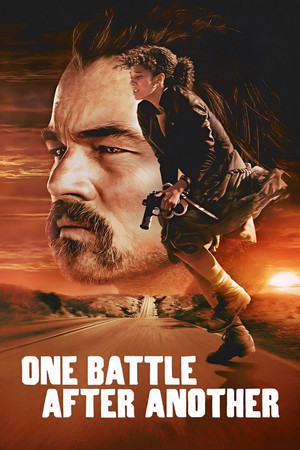
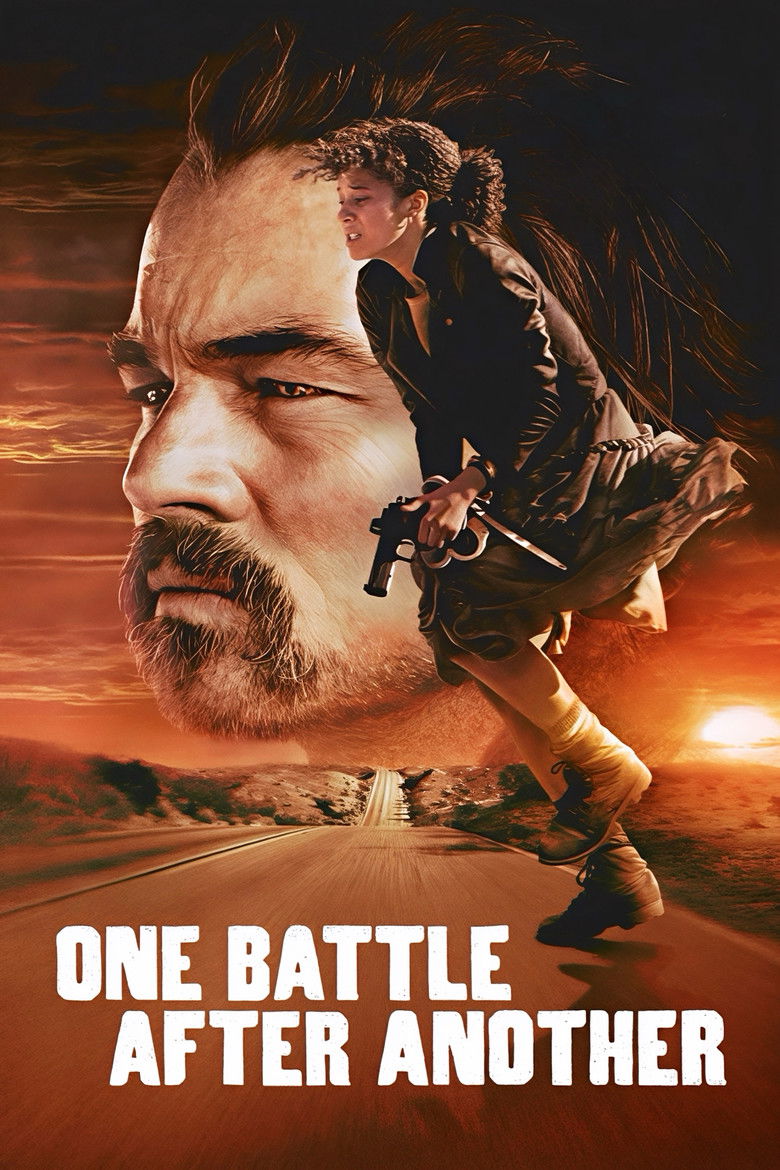
One Battle After Another doesn't just subvert the war genre; it executes it with surgical precision, proving that the only way to tell a story about combat in 2026 is to abandon the front line entirely. With a solid vote average of 7.347, the film signals that audiences are rewarding risk over routine. The narrative structure is a masterclass in recursive dread: the film begins with a conventional tactical advance but rapidly dissolves into a claustrophobic containment thriller set within a collapsed bunker. This isn't a shift in location; it's a shift in genre ontology. The war movie becomes a study of isolation, mirroring the psychological fragmentation of the protagonists.
The film's central thesis is that loyalty is no longer a virtue of the state but a desperate, flawed pact between individuals. This is crystallized in the third-act confrontation between the squad leader and the conscript. The camera work here is relentless, using tight, handheld framing that denies the viewer any wide shots of "glory." We are forced to occupy the physical space of the characters, sharing their hyperventilation and the tinnitus-like ringing that replaces the traditional war soundtrack. The moral reckoning arrives not through an enemy engagement, but through a choice: the leader must sacrifice the mission to save the conscript, effectively ending the war for his unit but condemning them to court-martial. This redefines resilience. It's not about winning; it's about the courage to protect the human connection when the system demands you destroy it. The film blurs the line between war drama and domestic tragedy so thoroughly that the final scene, set in a mundane suburban kitchen years later, hits with more emotional devastation than any explosion could. The scar on the table matches the scar on the hand; the war never ended, it just changed rooms.
Killing the Myth to Save the Man: 'The Death of Robin Hood'
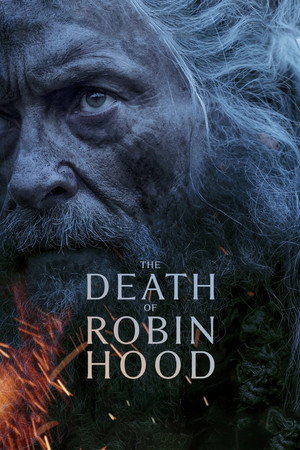
If One Battle After Another kills the war movie, The Death of Robin Hood puts the legend in a body bag and buries it with the rest of its utility. This film is a bold, polarizing experiment that merges historical drama with the grit of moral noir, resulting in a vote average of 6.529 that reflects a divide between purists and those hungry for subversion. The film understands that in an era of cynicism, the myth of Robin Hood is not inspiring; it's a lie we tell children to make the machinery of oppression look beatable. The narrative strips away the green tights and the witty banter, presenting Robin not as a folk hero but as a compromised figure whose "loyalty to the poor" is inextricably linked to his transactional relationships with the very nobility he claims to oppose.
The genre-blurring here serves the theme of moral reckoning perfectly. By infusing the historical setting with the pacing and visual grammar of a crime thriller, the film forces the audience to evaluate Robin through the lens of consequence rather than charisma. The pivotal sequence occurs in the great hall, where Robin is expected to deliver a rallying cry. Instead, the scene plays as a tense interrogation. The lighting is low-key, reminiscent of film noir, casting long shadows that hide the hero's face. Robin doesn't inspire the crowd; he negotiates with them, revealing that his rebellion is a business venture as much as a moral crusade. This betrayal of expectation is the film's sharpest weapon. It argues that true resilience requires the humility to acknowledge one's own corruption. The "death" in the title is literal, but more importantly, it's symbolic: the death of the archetype. The film posits that we must kill our heroes to find the flawed humans capable of genuine connection. The sacrifice here is the loss of the symbol, paid so that the reality of human solidarity can emerge from the ashes.
When Spectacle Betrays the Soul: 'Blood Star' vs. The Anchor
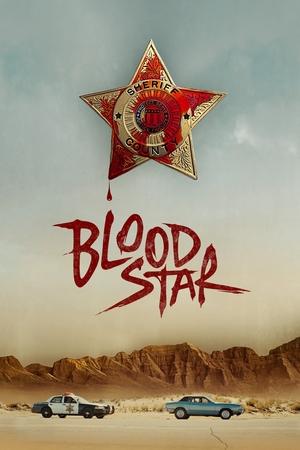
The danger of this genre-blending trend is exposed by Blood Star, a film that demonstrates what happens when the pursuit of meaning is outsourced to visual effects and hollow concepts. With a vote average of 5.623, Blood Star is the cautionary tale of the current cycle. It attempts to fuse sci-fi opera with family melodrama, aiming for the same emotional resonance as our anchors but collapsing under the weight of its own ambition. The film's premise—a starship crew navigating a cosmic anomaly that forces them to confront their past sins—is ripe for moral reckoning. However, the execution relies on spectacle to resolve conflicts that should be won through character choices.
Compare the structural discipline of One Battle After Another to the narrative bloat of Blood Star. In the anchor film, loyalty is tested through silence and micro-expressions in a confined space; in Blood Star, loyalty is proclaimed in shouted monologues amidst zero-gravity debris fields. The film confuses volume with value. A key scene illustrates this failure: the captain must choose between saving the ship's AI core or a wounded crewmate. In a lesser script, this is a choice between mission and humanity. In Blood Star, the CGI sequence of the AI core shattering is so visually distracting that the emotional stakes of the human sacrifice are lost. The audience is left watching pixels rather than feeling pain. Blood Star blurs the boundaries of genre by throwing every sci-fi trope into the blender, but it leaves the emotional boundaries rigid and unconvincing. It proves that breaking genre walls requires more than just changing the setting; it requires a narrative courage to let the characters fail in ways that matter. The film wants the payoff of moral reckoning without the discipline of building the reckoning.
Sacred Sacrifice and the Limits of Dogma: 'Mother Mary' in the Crossfire
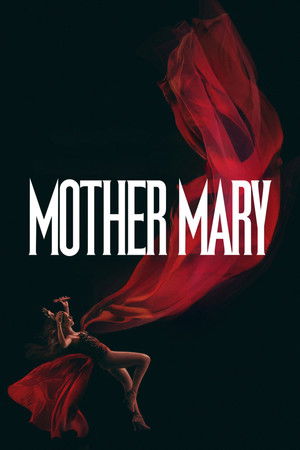
One Battle After Another and The Death of Robin Hood succeed because they question the systems that demand sacrifice; Mother Mary stumbles because it preaches the value of the system without examining its cost. Blurring religious drama with psychological horror, the film explores the theme of sacrifice through the lens of faith, earning a polarizing 5.651 vote average. The film is undeniably visceral. The performance of the lead actress in the ritual sequence is a powerhouse display of physical commitment, conveying a terror that transcends dialogue. The sound design, layering choral chants with the discordant screeching of industrial machinery, creates an atmosphere of oppressive dread that effectively blurs the line between the sacred and the profane.
However, the film's moral reckoning is compromised by its refusal to fully embrace the ambiguity that defines the strongest genre-blenders. Where The Death of Robin Hood questions the utility of the legend, Mother Mary demands faith in the dogma. The central conflict revolves around a mother who must sacrifice her child to save her community from a plague. The film frames this as a holy act, but the audience is left without the narrative tools to process the ethical horror. The resilience shown is real, but it's tethered to a framework that alienates the universal search for meaning. The film wants to be a horror story about the cost of faith, but it's too reverent to allow the horror to land. It lacks the nuance to show that true loyalty might demand rejecting the ritual. By keeping the theological certainty intact, the film denies itself the opportunity for the profound human connection that emerges when systems fail. It's a film about sacrifice that forgets to ask what is being saved.
The Cultural Imperative: Why Connection is the New Currency
The convergence of these films in July 2026 is not accidental. We are living in a moment where institutional trust has evaporated, and the old narratives of loyalty—to country, to legend, to dogma—are being dismantled. Audiences are rejecting the binary morality of traditional genre films because it no longer reflects their lived reality. This shift explains why analysis of consequences, like that found in Match Point vs. Nobody: Who Wins the Consequence War?, resonates so deeply. Viewers are craving films that acknowledge the gray zones of existence. They want to see characters who struggle with loyalty not as a given, but as a choice made in the dark.
The films that are winning this cultural moment are the ones that understand that resilience is forged through connection, not isolation. One Battle After Another and The Death of Robin Hood thrive because they center the human bond as the only thing that survives the collapse of systems. They use genre-blurring not as a gimmick, but as a tool to strip away the distractions and force a confrontation with what matters. The war movie becomes a drama about the squad; the legend becomes a study of the man. This is the new frontier of cinema. If a film can't break its own genre to find the human heart beating beneath, it doesn't deserve to be called art.
Editor's Verdict
Editor's Rating: 8/10 for One Battle After Another
Rating Defense: This film earns an 8 because it executes its structural audacity with near-flawless precision. The decision to pivot from war epic to containment thriller in the second act is risky, but the payoff in the third act recontextualizes every prior scene, rewarding attentive viewing with a profound emotional shift. The loss of two points comes from the second-act pacing, which lingers too long on tactical exposition that the visuals have already established, briefly breaking the immersive tension. Furthermore, the supporting cast, while competent, does not always match the raw vulnerability of the lead duo, creating minor imbalances in the ensemble dynamic.
Verdict: The silent exchange between the squad leader and the conscript during the artillery suppression in the bunker sequence is the most effective depiction of non-verbal loyalty in any war film since 2020, surpassing the institutional silence found in Margin Call. This single scene proves that One Battle After Another has redefined the genre's emotional ceiling.
FAQ
What does 'One Battle After Another' reveal about modern war cinema?
The film argues that war movies must abandon battlefield spectacle to focus on the psychological horror of isolation and the recursive trauma of squad loyalty, effectively merging the war genre with containment thriller.
How does 'The Death of Robin Hood' use genre-blending?
It merges historical drama with moral noir to deconstruct the Robin Hood legend, using crime thriller pacing and lighting to question the utility of heroic archetypes and emphasize the cost of complicity.