Beyond the Cape: Why TV's Dark Heroes Reign Supreme
From Homelander's fascist grin to Omni-Man's betrayal, our obsession with corrupted power reflects a deeper societal cynicism. Are traditional heroes dead?
We are living in an era where the heroes aren't just flawed; they're often the villains. Forget the days of pristine moral compasses and unwavering altruism. Today's most compelling narratives reject simplistic good-vs-evil binaries, instead plunging headfirst into the murky waters of corrupted power, corporate greed, and psychological trauma. This isn't just a trend; it's a mirror reflecting our own complicated world, a world increasingly wary of polished facades and unquestioned authority.
Unmasking the Modern Anti-Hero: What You'll Learn
- The Rise of Deconstructed Superhero Narratives: Why shows are tearing down traditional hero archetypes.
- The Boys: A Case Study in Corrupted Power: Analyzing Homelander's chilling fascism and Vought's insidious influence.
- INVINCIBLE's Brutal Emotional Realism: How another animated hit explores the devastating cost of heroism.
- Audience Cynicism and the Demand for Authenticity: What this cultural shift says about contemporary viewers.
- The Future of Heroism on Screen: A prediction for where these complex narratives are headed.
The Deconstruction of the Cape: Enter Vought International
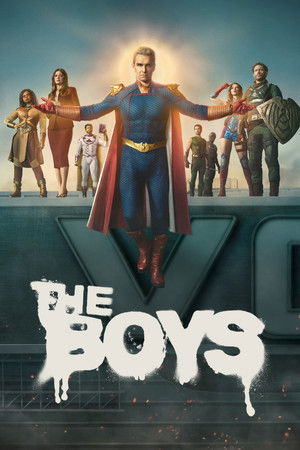
No show epitomizes this cultural shift quite like Amazon's The Boys. When it first premiered, many expected a gritty, R-rated superhero romp. What we got was a surgical vivisection of the entire superhero industrial complex, dripping with satire and genuinely unsettling horror. Homelander, played with terrifying perfection by Antony Starr, isn't just a morally compromised hero; he's a full-blown fascist narcissist, cloaked in the American flag, leveraging public adoration for unimaginable cruelty. The show doesn't just ask "What if superheroes were real?" It asks, "What if they were real, owned by a megacorporation, and utterly unchecked?" The answer is a world where heroism is a brand, collateral damage is a marketing opportunity, and the only people fighting for true justice are as messed up and morally grey as the 'Supes' they hunt.
From the very first episode's horrific introduction of A-Train, casually running through Hughie's girlfriend, to Homelander's increasingly unhinged public appearances, The Boys forces us to confront the terrifying reality of absolute power corrupting absolutely. It’s a bitter pill, but one audiences are clearly devouring, proving that our appetite for saccharine saviors has waned.
A Shared Universe of Cynicism: 'INVINCIBLE' and Beyond
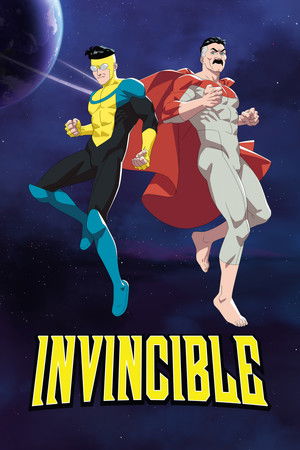
This craving for deconstructed narratives isn't an anomaly; it's a robust trend. Look no further than another animated powerhouse, INVINCIBLE. While visually distinct, "Invincible" shares "The Boys'" DNA of tearing down the superhero mythos, albeit with a more intimate, family-centric approach. Omni-Man's brutal revelation in the first season finale wasn't just a plot twist; it was a gut punch that redefined the entire series, forcing both the titular hero, Mark Grayson, and the audience to grapple with the idea that the greatest hero could also be the greatest threat. The show brilliantly uses its vibrant animation style to juxtapose horrific violence and profound emotional devastation, making the betrayal feel even more visceral.
These shows succeed because they tap into a pervasive distrust. We've seen institutions fail, leaders disappoint, and corporations prioritize profit over people. Why would we expect our fictional heroes to be any different? This isn't escapism; it's a reflection, a cathartic embrace of complexity. It's the same impulse that draws us to The Scummy Underbelly: Why We Crave Anti-Glamour Spies, where flawed, cynical agents feel more real than any Bond.
What This Says About Audiences Today
The popularity of shows like The Boys and INVINCIBLE isn't merely about edgy content; it's a cultural barometer. Audiences in 2026 are sophisticated, jaded, and demand narratives that challenge, rather than comfort. We're past the point where a hero's good intentions are enough. We want to see the rot, the consequences, the moral compromises. It speaks to a collective exhaustion with simple narratives and an embrace of nuanced, often uncomfortable, truths. This isn't to say we don't want heroes, but we want real heroes – ones who fight for what's right despite their own demons, not despite their inherent evil. It's a quest for authenticity, even if that authenticity is terrifying.
The Road Ahead: A Bleaker Horizon?
This trajectory suggests that the deconstruction of heroism is far from over. Future superhero narratives will likely delve even deeper into psychological complexity, ethical dilemmas, and the systemic issues that create both heroes and villains. Expect fewer shining beacons and more morally ambiguous figures grappling with the messy realities of power. The era of the squeaky-clean savior is, for all intents and purposes, dead. Long live the complicated, cynical, and utterly captivating anti-hero. Whether we like it or not, this brutal honesty is precisely what audiences are demanding, and it's shaping the landscape of TV for years to come. Prepare for more grit, more gore, and a whole lot more introspection.
FAQ
Why are deconstructed superhero shows like The Boys so popular now?
Their popularity reflects a growing audience cynicism towards traditional authority and a desire for more realistic, morally complex narratives that challenge simplistic good-vs-evil portrayals.
What is the main difference between The Boys and traditional superhero stories?
The Boys flips the script by portraying superheroes as corrupt, narcissistic celebrities controlled by a powerful corporation, rather than altruistic saviors, focusing on the dark side of immense power.
Will superhero shows return to more traditional hero archetypes?
While traditional archetypes may always exist, the current trend suggests a lasting preference for nuanced, morally ambiguous heroes, reflecting a deeper cultural demand for authenticity and critical engagement.