Frieren: Beyond Journey's End Is the Somber Masterpiece Rewriting Fantasy Anime
Forget endless power-ups; this Madhouse triumph offers a poignant meditation on mortality, memory, and finding meaning in a world long saved.
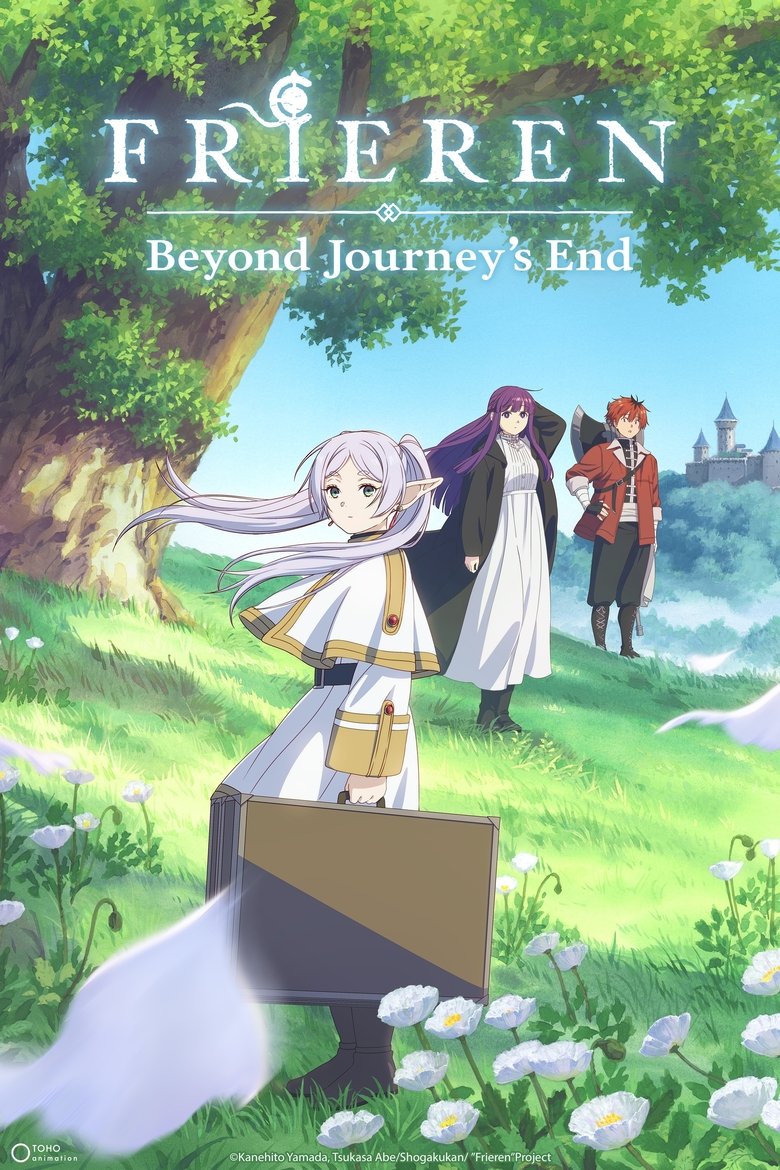
We've been fed a steady diet of high fantasy epics, haven't we? Dragons, chosen ones, world-ending threats—it’s a formula so ingrained, we rarely question its underlying assumptions. But what happens after the demon lord is defeated? What becomes of the stoic elf mage who watched her human companions live, love, and ultimately perish? This isn't the stuff of typical grand finales; it's the audacious, melancholic, and utterly brilliant premise of Frieren: Beyond Journey's End, a show that doesn't just subvert fantasy tropes, it gracefully detonates them.
In a landscape brimming with power fantasies and endless battles, Frieren emerges as a profound, introspective counter-narrative, forcing us to confront the quiet, aching truths of existence. It’s an anime that demands your attention, not with flashy explosions (though it has those), but with the devastating beauty of its emotional intelligence. If you think you've seen all that fantasy has to offer, prepare to be humbled.
Why Frieren: Beyond Journey's End Isn't Just Another Fantasy Anime
This isn't your average swords-and-sorcery romp. Frieren: Beyond Journey's End offers a masterclass in narrative depth, distinguishing itself through:
- A Unique Post-Adventure Premise: Exploring the world after the hero's journey is complete.
- Profound Themes of Time and Grief: Grappling with immortality's burden and the poignant reality of loss.
- Subversive Character Arcs: Deconstructing traditional fantasy roles with nuanced, evolving personalities.
- Exquisite Visual Storytelling: Madhouse's animation elevates every quiet moment and grand spectacle.
The Lingering Echoes of Immortality: Time, Grief, and the Human Heart
At its core, Frieren: Beyond Journey's End is a meditation on time and its relentless march. Our titular elven mage, Frieren, has lived for over a thousand years. The ten years she spent defeating the Demon King with Hero Himmel’s party were a mere blink in her vast existence. This temporal disparity isn't just a plot device; it's the very soul of the narrative. When Himmel dies, Frieren is struck not by the immediate sorrow, but by the belated realization of what those ten years truly meant. "I should have tried to get to know him better," she laments, a line that cuts deeper than any epic battle cry. This isn't the instant, gut-wrenching grief we often see; it’s a slow, dawning ache, a thousand-year regret played out in quiet moments and reflective journeys.
The show masterfully explores how memory becomes a physical landscape for Frieren, as she revisits old towns and familiar faces, only to find them irrevocably changed or gone. This isn't just about Frieren's personal growth, but about our own relationship with the past. It's a poignant reminder that even the most fleeting human connections leave indelible marks, scars and blessings alike, that only time can truly illuminate. This depth makes many contemporary American dramas feel like shallow puddles by comparison, often prioritizing immediate emotional payoff over the slow burn of profound realization.
A Quiet Revolution: Deconstructing the Hero's Journey
Where most fantasy begins with the quest, Frieren begins with its aftermath. This 'post-adventure' narrative is a stroke of genius, allowing the series to dismantle and reassemble classic fantasy tropes with surgical precision. The formidable hero, Himmel, isn't present for most of the story, yet his legacy, his compassion, and his inherent human kindness are the guiding stars for Frieren's journey. He’s a ghost in the machine, a memory that propels a thousand-year-old elf towards understanding.
Frieren herself is a powerful mage, capable of immense destruction, yet her journey is less about leveling mountains and more about collecting forgotten spells for trivial tasks, learning to brew tea, or trying to understand the nuances of human emotion. Her interactions with her new apprentices, the stoic human mage Fern and the brash warrior Stark, are where the show truly shines. These aren't just companions; they are mirrors reflecting Frieren's own underdeveloped humanity, forcing her to engage with the present and grapple with the future. This patient, character-driven approach stands in stark contrast to the relentless plot progression of many shonen anime, or even the grand political machinations favored by shows like Game of Thrones. It's a testament to the power of thoughtful storytelling, a theme we've explored previously in how TV's Best New Shows Are Re-writing IP with fresh perspectives.
The Unseen Magic: Madhouse's Visual Symphony
Studio Madhouse, known for its impeccable animation in series like Death Note and Hunter x Hunter, truly outdoes itself with Frieren: Beyond Journey's End. The visual style isn't just beautiful; it's integral to the storytelling. Character expressions, often subtle and understated, convey entire paragraphs of emotion. Frieren's slight smile, Fern's exasperated sigh, Stark's nervous bluster – these are animated with a precision that makes them feel incredibly real and deeply endearing. It’s a masterclass in conveying inner worlds through exterior design.
The landscapes are breathtaking, painting a picture of a vast, lived-in world that feels both ancient and vibrant. From snow-dusted mountains to sun-dappled forests, each frame is a work of art, reinforcing the sense of an enduring world that existed long before Frieren and will continue long after. Even the magic, while capable of immense power, is often depicted with an elegant simplicity, a functional part of the world rather than an over-the-top spectacle. This visual nuance reminds us that Awards TV Favors Nuance Now, prioritizing artistry and emotional resonance over mere flash.
Why Frieren Resonates Now: A Balm for the Rushing World
In our hyper-connected, constantly accelerating world, Frieren: Beyond Journey's End arrives as a much-needed antidote. It champions slowness, reflection, and the profound importance of small moments. While other trending shows might thrill with superhero antics or dystopian dread, Frieren offers a different kind of escapism: one that invites introspection and connection. It doesn't shy away from the pain of loss or the bittersweet nature of memory, but it frames them within a hopeful, forward-looking narrative. It argues that even after the grand adventures are over, life continues, offering new connections, new discoveries, and new ways to understand the past. It’s a show that dares to be quiet, and in that quietness, it finds its thunderous impact. It reminds us that sometimes, the greatest courage isn't found in defeating a demon lord, but in simply continuing to live, to learn, and to love, even as the world around you changes and fades.
FAQ
Is Frieren: Beyond Journey's End a complete story?
The anime has completed its first season, adapting a significant portion of the manga. While the initial arc has a satisfying conclusion, the manga is ongoing, meaning there is potential for future seasons to continue Frieren's journey.
What makes Frieren: Beyond Journey's End different from other fantasy anime?
Unlike typical fantasy narratives that focus on the hero's quest, Frieren explores the aftermath, centering on an immortal elf's journey to understand humanity and grief after the hero's party has disbanded and its human members have passed away. It emphasizes introspection, character development, and the passage of time over constant action.
Who should watch Frieren: Beyond Journey's End?
This anime is perfect for viewers who appreciate character-driven stories, thoughtful explorations of themes like mortality, memory, and connection, and stunning animation. Fans of introspective fantasy, slice-of-life elements, and poignant storytelling will find it particularly rewarding, even if they aren't typically anime enthusiasts.