The Scummy Underbelly: Why We Crave Anti-Glamour Spies
From Bond to Slough House: Modern audiences are ditching suave heroes for the delightfully disheveled, revealing a deeper hunger for authenticity in espionage thrillers.
The spy genre, once synonymous with bespoke suits, exotic locales, and implausible gadgets, has undergone a seismic shift. We're past the era of the infallible, charming rogue who saves the world with a smirk and a perfectly placed one-liner. Today, audiences are not just accepting, but actively craving the scummy underbelly of intelligence work. We want the bureaucratic drudgery, the moral compromises, and the profoundly human failures that make true espionage so chillingly compelling. It's a cultural pivot away from aspirational fantasy towards gritty, relatable reality, and television is delivering in spades, proving that cynicism, when wielded expertly, can be more thrilling than any car chase.
Why Audiences Crave Gritty, Realistic Espionage Now
- The definitive shift from Bond-esque glamour to "Slough House" realism.
- Gary Oldman's masterclass in anti-hero performance in Slow Horses.
- How ensemble dramas like Pluribus reflect complex, multi-faceted intelligence narratives.
- What modern TV thrillers say about our collective desire for authenticity and flawed heroes.
- The inevitable future of spy dramas beyond traditional heroism.
The Deliberate Discomfort of 'Slow Horses'
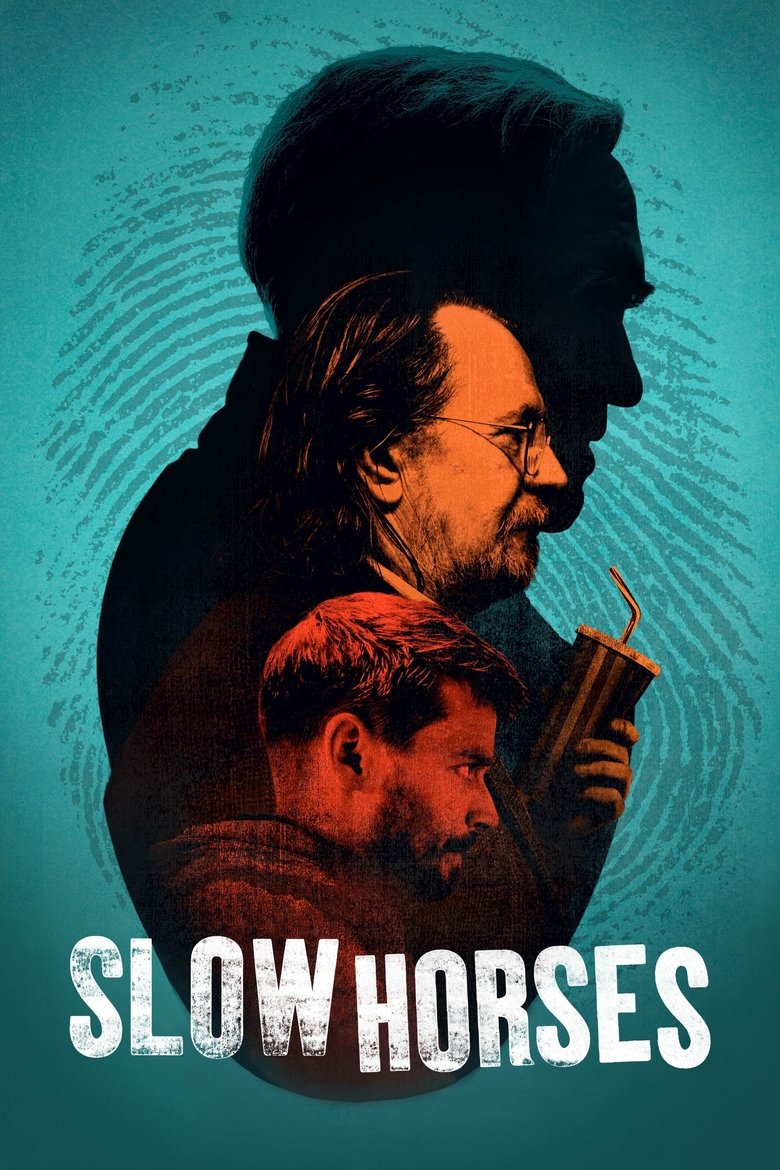
At the forefront of this deliciously unglamorous revolution is Apple TV+'s Slow Horses.

Based on Mick Herron's brilliant Slough House novels, this series isn't just a departure from James Bond; it's a full-frontal assault on the entire notion of the heroic secret agent. Here, the "slow horses" are the MI5 rejects, the screw-ups, the agents whose careers have been ignominiously shunted to a dilapidated London building, presided over by the flatulent, brilliant, and utterly repulsive Jackson Lamb, brought to life with repulsive perfection by Gary Oldman. Lamb chain-smokes, belches, and delivers scathing insults like Shakespearean sonnets. He's the antithesis of charm, yet his cynical pragmatism and unexpected flashes of loyalty make him one of the most compelling characters on television right now.
The show thrives on its depiction of institutional failure and the messy, often mundane, reality of spycraft. The stakes are high, but the heroes are anything but. River Cartwright, the once-promising agent, is constantly trying to redeem himself, stumbling through cases with a mix of genuine skill and sheer bad luck. The series’ true genius lies in its refusal to romanticize the job. It's a world of stale coffee, endless paperwork, and the constant awareness that even the most intelligent minds can make spectacularly stupid mistakes. This isn't just "gritty"; it's a scathing indictment of the very structures that are supposed to keep us safe, echoing the public's growing distrust of authority and institutions.
'Pluribus' and the Shifting Sands of Ensemble Intrigue
While Slow Horses skewers the individual hero, other critically acclaimed new series are broadening the scope to expose the complexities of intelligence through ensemble storytelling. Take Pluribus, for example.

This series, with its intricate web of political maneuverings and competing factions, foregrounds the idea that modern threats are rarely single-point failures, nor are their solutions simple acts of individual heroism. Pluribus dives deep into the internal politics of an intelligence agency, showing how personal ambitions, ideological clashes, and bureaucratic inertia can be as dangerous as any external enemy. It's less about a grand conspiracy and more about the messy, human reality of people trying to navigate a system designed to be opaque. This reflects a broader trend we've observed in shows that genuinely resonate, prioritizing deep character work and systemic critiques over simplistic plotlines. For more on shows that truly deliver, check out our piece on TV's True Gems in 2026.
The Audience's Appetite for Anti-Heroes
What does this shift say about us, the viewers of April 2026? We're a jaded bunch, perhaps. We've seen enough polished facades to recognize when something feels real. The rise of the anti-glamour spy reflects a cultural fatigue with the sanitized, idealized version of heroism. We understand that true courage often comes from flawed individuals navigating impossible situations, not from super-soldiers with unlimited resources. We appreciate the nuance, the moral ambiguity, and the dark humor that arises from human imperfection. This isn't just about entertainment; it's about seeing our own anxieties about institutional competence and individual vulnerability reflected back at us in a compelling narrative.
The Future is Flawed
The era of the impossibly cool, unflappable super-spy is definitively over. Long live the disheveled, the cynical, the perpetually underestimated. We will see more intelligence dramas that delve into psychological realism, bureaucratic nightmares, and the toll the job takes on ordinary people forced to do extraordinary things. The next wave of critically acclaimed TV series will continue to strip away the veneer of glamour, revealing the true, often ugly, face of power and espionage. And honestly, it's about time. We're ready for it. Don't like it? Tough. Like this post instead.
Editor's Verdict
Featured Title: Slow Horses Editor's Rating: 9/10 Editor's Verdict: A masterclass in cynical espionage, Slow Horses proves that the most thrilling spies are the ones who've thoroughly embraced their own mediocrity, anchored by Gary Oldman's brilliantly grotesque performance. Essential viewing for anyone tired of sanitized spy fantasies.
FAQ
What defines a 'critically acclaimed new TV series' in 2026?
In 2026, a critically acclaimed TV series typically features nuanced storytelling, strong character development, often a departure from traditional genre tropes, and performances that resonate deeply with audiences and critics alike, like the anti-glamour approach seen in *Slow Horses*.
Is 'Slow Horses' based on a book series?
Yes, *Slow Horses* is based on the 'Slough House' book series by British author Mick Herron, which offers a darkly comedic and realistic look at the world of MI5 rejects.
Why are audiences gravitating towards more 'realistic' espionage dramas?
Audiences in 2026 are increasingly seeking authenticity and complexity in their entertainment, preferring stories that reflect real-world anxieties, bureaucratic inefficiencies, and the moral ambiguities of intelligence work, rather than idealized, escapist fantasies.