East Asian Animation: Why Subtitles Are No Longer a Barrier
From sprawling wuxia epics to long-running shonen, the global streaming audience is embracing the rich, intricate worlds of Chinese donghua and Japanese anime, signaling a profound cultural shift.
The global streaming landscape has undergone a silent revolution. For too long, Western audiences were spoon-fed a diet of Hollywood-centric narratives, often assuming anything outside of English-language content was niche. No more. The true seismic shift isn't just that international shows are available; it's that discerning viewers are actively seeking them out, often preferring the vibrant, imaginative worlds of East Asian animation over anything churned out by the usual suspects. This isn't about mere curiosity; it's a profound cultural exchange, powered by shows that demand—and richly reward—the subtitle commitment.
Why are International Animated Series Dominating Your Watchlist?
- Discover the intricate world-building of Chinese donghua, like the epic Sword Of Coming.
- Explore how East Asian animation challenges Western narrative conventions with unique storytelling.
- Understand the evolving tastes of global streaming audiences and their openness to new cultures.
- Unpack the visual and thematic depth of non-Western animated sagas.
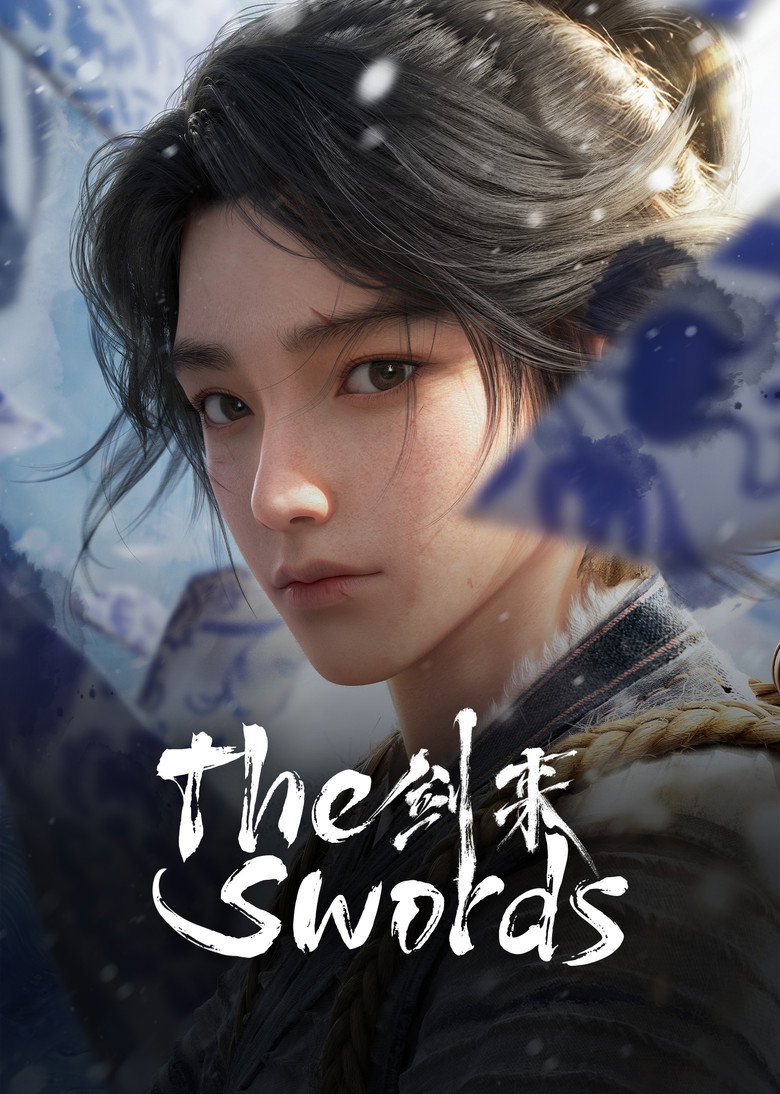
The prime example of this irresistible tide is the Chinese animated phenomenon, Sword Of Coming.
 This isn't just another fantasy series; it's a sprawling epic, a masterclass in world-building drawn from rich Chinese mythology and wuxia traditions. Forget the repetitive tropes of Western fantasy; Sword Of Coming plunges you into a universe brimming with cultivators, ancient sects, and intricate power dynamics. Its visual artistry is breathtaking, a fluid, almost painterly style that sets it apart from traditional anime and American cartoons alike. The narrative, while complex, rewards patient viewing, weaving a tapestry of character development and philosophical undertones that elevate it far beyond mere escapism. It proves that audiences are hungry for stories that don't dilute their cultural specificity for mass appeal, but rather embrace it as their strength.
This isn't an isolated incident. Look at the enduring, monumental success of the One Piece anime.
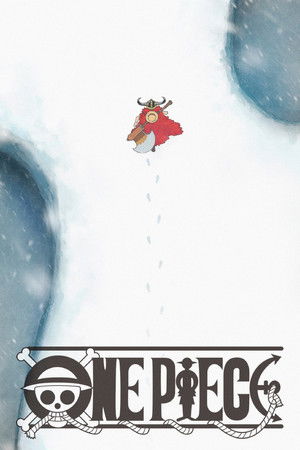 While distinct in its Japanese shonen roots and stylistic approach, One Piece shares Sword Of Coming's commitment to expansive, deeply detailed worlds and characters that evolve over hundreds of episodes. Its protagonist, Luffy, is a prime example of complex, nuanced heroism that transcends cultural boundaries, a topic we've explored before in Beyond the Rubber: Why One Piece's Luffy is a Misunderstood Genius. Both shows, in their own unique ways, reject the episodic, often self-contained nature of much Western TV in favor of grand, overarching sagas that demand long-term investment. This isn't about passive viewing; it's about living in these worlds.
What does this tell us about audiences in April 2026? We are, quite simply, more sophisticated, more adventurous, and frankly, less patient with mediocrity. The "subtitle barrier" has crumbled, replaced by a genuine appreciation for authentic voices and diverse perspectives. Viewers are actively seeking out narratives that challenge their assumptions, introduce them to new mythologies, and offer a depth of character and plot that often feels absent from formulaic domestic productions. This isn't just about escaping reality; it's about expanding our understanding of global storytelling. The algorithms, once pushing only the familiar, are now being trained by millions of clicks on titles like Sword Of Coming, signaling a democratic shift in what constitutes "trending."
Editor's Verdict
Sword Of Coming is a breathtaking journey into a world less explored by Western audiences, proving that the pinnacle of animated storytelling isn't confined to any single continent. Its epic scope and intricate narrative are a testament to the power of diverse cultural narratives.
The future of global entertainment is decentralized, diversified, and defiantly non-monolingual. Expect to see an explosion of "donghua" and other regional animated forms not just gaining traction, but actively leading cultural conversations, forcing Western studios to either adapt their storytelling paradigms or fade into increasingly niche relevance. The golden age of international animation is not coming; it's already here, and it's spectacular.
FAQ
What is 'Donghua'?
Donghua is the general term for Chinese animation, often encompassing a wide range of styles and genres, similar to how 'anime' refers to Japanese animation. It includes both traditional and computer-animated works.
Is 'Sword Of Coming' suitable for new international animation viewers?
'Sword Of Coming' offers a deep dive into wuxia and cultivation fantasy, which might initially feel complex to newcomers. However, its stunning visuals and compelling character arcs make the subtitle commitment incredibly rewarding for those open to rich, intricate storytelling.