The Boys: Why This Heroic Blight Is Your Ultimate Binge
Forget the caped crusader fatigue—'The Boys' isn't just a show, it's a relentless, satirical gut-punch designed for immediate, compulsive consumption. Prepare to clear your schedule.
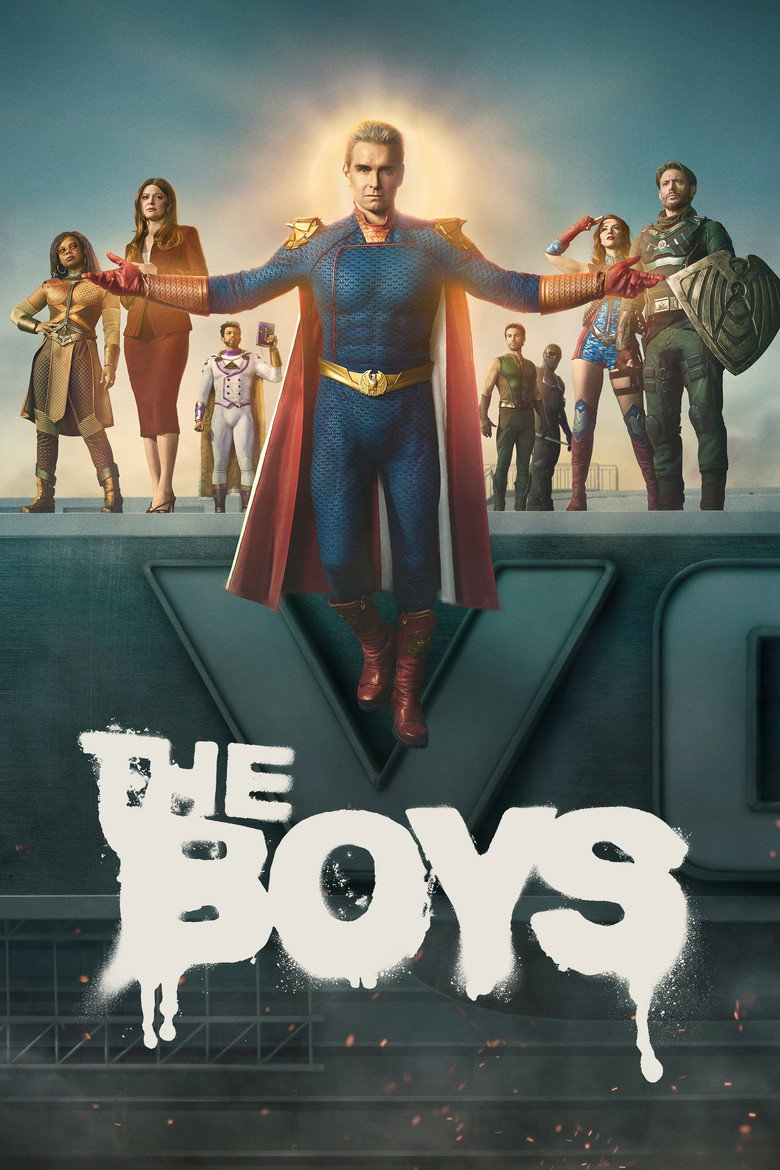
Let's be brutally honest: the superhero genre is bloated, repetitive, and often, frankly, boring. We’ve endured a decade of increasingly saccharine, corporate-mandated morality tales where good always triumphs, and the stakes often feel as real as a CGI-rendered city block. This is precisely why The Boys doesn't just cut through the noise; it detonates it with a gleeful, blood-soaked bang. It’s not just a TV show; it's a cultural defibrillator, jolting life back into a stagnant genre by tearing down its sacred cows with a ferocity that makes it utterly, undeniably, binge-worthy. If you're looking for a series to devour whole, to keep you glued to your screen until the wee hours, this is it. It’s a masterclass in how to craft a compelling, addictive narrative that refuses to pull any punches, ever.
Why 'The Boys' Redefines Binge-Watching Culture
For anyone tired of predictable heroics, 'The Boys' offers a potent antidote. Its binge-ability isn't accidental; it's a meticulously engineered result of sharp writing, fearless character development, and a relentless narrative momentum. Here’s what makes it an essential marathon watch for April 2026:
- Unflinching Deconstruction of Power: It exposes the rot beneath the shiny facade of celebrity and corporate might.
- Adrenaline-Fueled Pacing: Every episode escalates, leaving you desperate for the next beat.
- Complex, Morally Ambiguous Characters: No one is truly good or evil, just shades of messy humanity.
- Razor-Sharp Satire: A biting critique of contemporary society, wrapped in a superhero package.
The Art of Subversion: From Capes to Corporate Cruelty
Where most superhero narratives celebrate heroism, The Boys revels in its demolition. This isn't just about 'dark' superheroes; it's about heroes as a product, a brand, a terrifying tool of corporate fascism. Vought International, the shadowy conglomerate behind the 'Supes,' is the real villain, manipulating public perception with calculated precision, turning god-like beings into marketable assets and PR nightmares. The show posits a terrifyingly plausible world where power corrupts absolutely, and the super-powered are less saviors and more sociopaths with PR teams. Homelander, played with chilling perfection by Antony Starr, is the apex predator of this dystopia. He’s Superman as a malignant narcissist, a national icon who yearns for love but only knows how to command fear. His every appearance, from his unsettling smiles to his sudden bursts of terrifying rage, is a masterclass in psychological terror. It's this deep dive into the corrupted psyche of celebrity and unchecked power that makes each episode essential viewing, peeling back layers of a truly disturbing alternate reality.
This isn't a mere 'what if' scenario; it's a scathing mirror held up to our own society's obsession with image, corporate control, and the cult of personality. The show's commitment to portraying these themes without flinching, often through grotesque and darkly comedic violence, is what makes it so compelling. It forces you to confront uncomfortable truths while simultaneously entertaining you with spectacle, a delicate balance few shows achieve. If you've enjoyed our previous analysis on Why TV's Dark Heroes Reign Supreme, then 'The Boys' is the undisputed king you need to witness firsthand.
Relentless Pacing and the Cliffhanger Imperative
What truly elevates The Boys to binge-watch nirvana is its relentless, unforgiving pace. There are no filler episodes, no meandering subplots designed to stretch out a season. Each installment is a tightly wound spring, building tension and delivering shocks with almost surgical precision. From the very first episode's unforgettable (and deeply traumatizing) introduction to A-Train, the narrative hits the ground running and never lets up. Every single episode ends on a hook, a reveal, or a catastrophic event that makes putting down the remote feel like a betrayal. You need to know what happens next. Will Butcher finally get his revenge? Can Starlight expose Vought's corruption? What fresh hell will Homelander unleash? The writers, led by Eric Kripke, understand the modern viewer's craving for immediate gratification and consistent narrative propulsion, delivering it in spades. This isn't prestige television that asks you to chew slowly; it's a high-octane thrill ride that demands you strap in and hold on tight.
The show masterfully employs multiple concurrent storylines, each with its own escalating tension, ensuring that if one thread momentarily slows, another is barreling towards disaster. This multi-track approach ensures constant engagement, making 'just one more episode' an inescapable mantra. In an era where even acclaimed shows can sometimes stumble into a 'slow burn' that feels more like a 'no burn,' 'The Boys' is a fiery inferno of plot and consequence.
Character Depth Beyond the Gore
Beneath the layers of ultraviolence and satirical jabs lies a surprisingly robust emotional core. The characters in The Boys are not mere archetypes; they are deeply flawed, often traumatized individuals grappling with impossible choices. Billy Butcher, played by the magnetic Karl Urban, is a man consumed by grief and rage, yet flashes of his humanity consistently shine through. Hughie Campbell, the everyman protagonist, navigates a world that consistently shatters his innocence, forcing him into morally compromising situations. Even secondary characters like The Deep, with his pathetic attempts at redemption, are given compelling arcs that add texture and nuance to the chaotic world. Starlight's journey from wide-eyed idealist to disillusioned revolutionary is particularly poignant, serving as the moral compass (albeit a frequently broken one) for the audience.
This isn't just a show about good versus evil; it's about the internal struggle against cynicism, the fight for a shred of decency in a world determined to crush it. The personal stakes are always palpable, anchoring the fantastical elements in raw, relatable emotion. It’s this intricate web of personal betrayals, unlikely alliances, and desperate moral quandaries that makes you invest so deeply in these characters, compelling you to follow their tumultuous journeys across every season. Unlike some hero vs. hero comparisons we've covered, like Euphoria vs. INVINCIBLE, 'The Boys' focuses less on who wins the fight and more on the psychological cost of even being in the arena.
The Editor's Verdict
There are few shows today that so perfectly blend anarchic spectacle with incisive social commentary, all wrapped in a package that screams 'devour me now.' The Boys is a vital, visceral, and utterly addictive viewing experience. It doesn't just push boundaries; it obliterates them, proving that the superhero genre still has sharp teeth when wielded by creators unafraid to bite.
Like this post? Give it a like and tell your friends to get on the 'The Boys' bandwagon, if they aren't already!
FAQ
Is 'The Boys' a completed series?
'The Boys' is an ongoing series, with multiple seasons currently available for streaming and new seasons regularly in production, ensuring plenty of content for a dedicated binge.
What themes does 'The Boys' explore?
The series deeply explores themes of corporate corruption, celebrity culture, political manipulation, unchecked power, moral relativism, and the dark side of heroism, all through a satirical lens.