Unapologetic Binge: If Wishes Could Kill vs. Half Man
Forget critical acclaim—these trending TV shows deliver pure, unadulterated fun. Which delivers the ultimate escapist high this April?
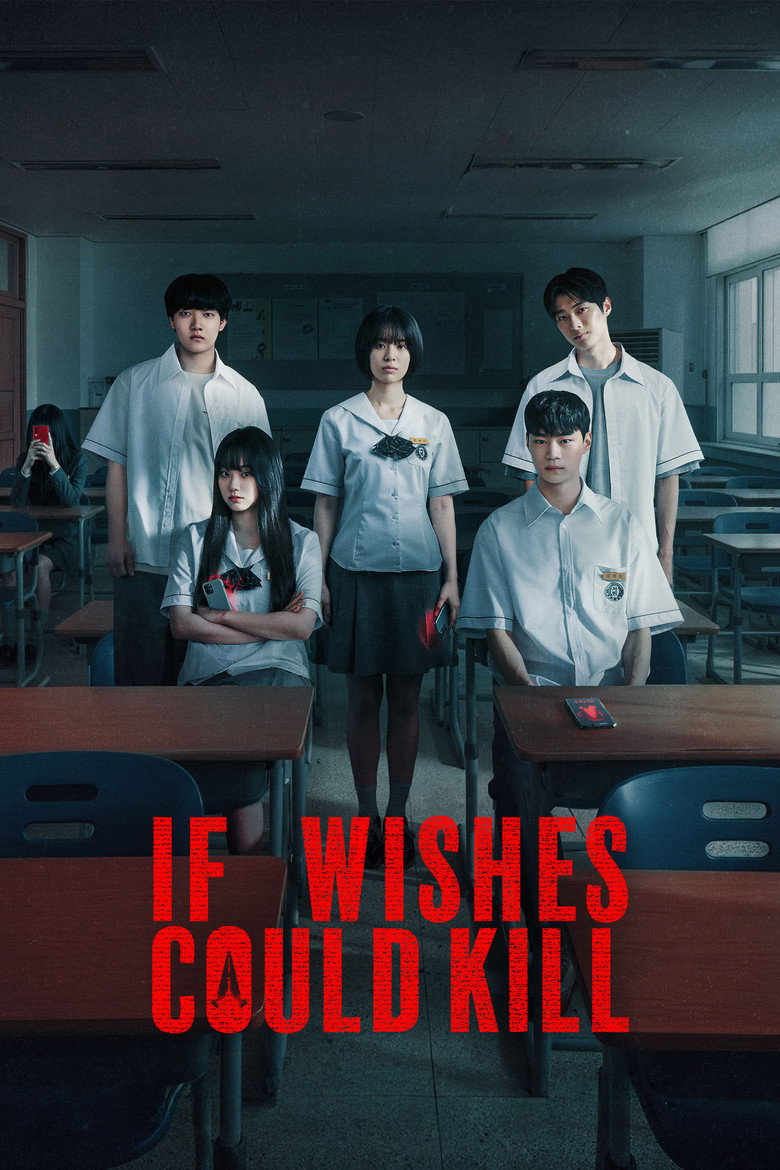
Let's be real: not every show we devour needs a think piece or an Emmy nod. Sometimes, all we crave is pure, unadulterated escapism—the kind that makes you forget your responsibilities for hours on end, no apologies necessary. This April 2026, the trending charts are brimming with contenders that might not be 'prestige TV,' but they deliver fun in spades. Today, we're pitting two such binge-magnets against each other: the deliciously melodramatic If Wishes Could Kill and the unexpectedly brilliant Half Man. It's a showdown for the crown of ultimate guilty pleasure, and I'm here to tell you why you should shamelessly enjoy every minute.
Why Embrace Your TV Guilty Pleasures?
Forget the snobs and the algorithms pushing generic blockbusters. True joy in TV often lies in the shows that defy conventional critical boxes. These aren't meant for deep analysis; they're designed for sheer entertainment. Here’s what makes our contenders shine:
- If Wishes Could Kill's Over-the-Top Drama: Every scene is a cliffhanger, every character a walking plot device. It’s glorious.
- Half Man's Unexpected Charm: A quiet storm of compelling narrative that hooks you despite its unassuming premise.
- The Joy of Unpretentious Viewing: No homework required, just sit back and let the story unfold.
- Defying Critical Snobbery: Proving that audience engagement often trumps high-brow reviews.
Contender 1: If Wishes Could Kill
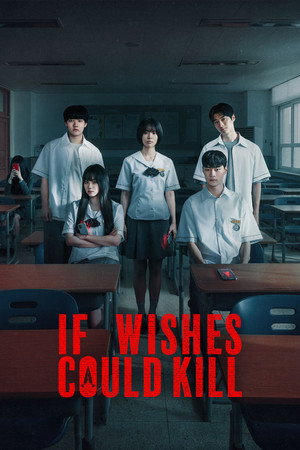
Ah, If Wishes Could Kill. This show is a masterclass in unapologetic melodrama. From its very first episode, you know exactly what you’re getting: high stakes, tangled relationships, and twists that would make a pretzel blush. Critics might call it 'campy' or 'formulaic,' but I call it riveting. There’s a comfort in its predictability, a satisfying release in its excesses. It’s the televisual equivalent of a delicious, oversized piece of cake that you absolutely do not need, but relentlessly crave.
Contender 2: Half Man
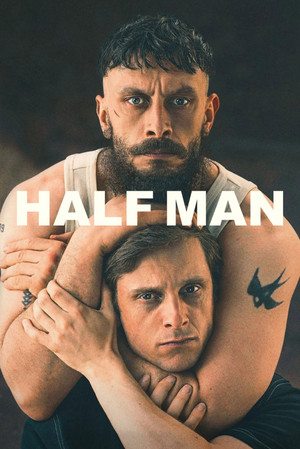
Then we have Half Man. Don't let the somewhat enigmatic title or its lower profile fool you; this series is a sleeper hit that punches far above its weight. While it carries a stellar audience rating, it often flies under the radar of mainstream critics, making it a perfect 'secret' binge. It’s not about flashy explosions or soap opera theatrics, but a meticulously crafted narrative that pulls you into its unique world with quiet confidence. It's the kind of show you recommend to your most trusted friends, knowing they'll thank you profusely later. It's proof that sometimes, the best fun is found off the beaten path.
Head-to-Head Showdown: Which Reigns Supreme?
Let’s break down these titans of binge-watching across the metrics that truly matter for a 'guilty pleasure'—sheer enjoyment and irresistible pull.
Story & Twists
If Wishes Could Kill thrives on its relentless cascade of dramatic reveals. Every episode ends on a cliffhanger designed to make you click 'next.' The story loops and swerves with gleeful abandon, prioritizing emotional impact over strict realism. You’re not watching for logical consistency; you’re watching for the gasps and the 'oh no they didn't!' moments. It’s pure, unadulterated narrative adrenaline, but it can occasionally feel like a hamster wheel of escalating conflict.
Half Man, conversely, builds its story with a more deliberate, almost literary precision. Its twists are less about shock value and more about deepening the mystery and expanding the world. The narrative is surprisingly intricate, rewarding careful attention without ever becoming tedious. Its originality is a breath of fresh air, proving you don't need to shout to be heard. It's a masterclass in slow-burn intrigue that never once loses its grip. For a deeper dive into character-driven mysteries, consider our analysis of how FROM Isn't Just Horror, It's LOST's Heir Apparent.
- Scoring: If Wishes Could Kill (7/10), Half Man (9/10)
Character & Performances
The characters in If Wishes Could Kill are archetypes writ large: the wronged hero, the manipulative villain, the conflicted lover. The performances are exactly what the material demands—bold, expressive, and leaning into the theatricality. There isn't much subtlety, but there's an undeniable commitment that makes even the most outlandish scenarios feel genuinely engaging. It’s a showcase of actors understanding their assignment: deliver maximum impact, every single time.
Half Man offers a different kind of performance. Its ensemble cast delivers nuanced, understated portrayals that allow their characters to feel remarkably real despite the fantastical premise. The emotional weight carried by the lead actors is palpable, grounding the more speculative elements of the plot. You become invested not just in what happens, but in who it happens to. It's a masterclass in subtle character development that builds genuine empathy.
- Scoring: If Wishes Could Kill (6/10), Half Man (8/10)
Aesthetic & Production Flair
If Wishes Could Kill embraces a polished, almost glossy aesthetic common in its genre. The production values are solid, creating a world that looks appealing and feels lived-in, even when the plot stretches credulity. The music cues are on-the-nose, underscoring every emotional beat with precision. It’s a show that understands its visual language and executes it consistently, creating a cohesive, if somewhat conventional, experience.
Half Man distinguishes itself with a truly unique visual style. Its cinematography is often moody and atmospheric, crafting a sense of place that is both beautiful and haunting. The sound design is immersive, and the score is thoughtfully composed, enhancing the narrative without ever feeling intrusive. It demonstrates a clear artistic vision, elevating its potentially niche premise into something truly cinematic. For another example of exceptional production, revisit our piece on Forget the Hype: The Pitt Is TV's Underrated Masterpiece.
- Scoring: If Wishes Could Kill (7/10), Half Man (9/10)
The "Pure Fun" Factor & Bingeability
When it comes to pure, unadulterated fun, If Wishes Could Kill is a rollercoaster. Its breakneck pace and constant twists make it incredibly easy to binge. You hit 'next episode' almost reflexively, caught in the current of its dramatic flow. It’s the perfect show for tuning out the world and embracing glorious, low-stakes escapism. You won't be thinking deep thoughts, but you'll be thoroughly entertained.
Half Man's fun factor is more insidious. It’s not a frenetic ride, but a compelling unraveling. Its enjoyment comes from the satisfaction of piecing together its intricate puzzle, from the genuine emotional connection you forge with its characters, and from the sheer quality of its storytelling. It's a show that respects your intelligence while still providing a deeply satisfying and addictive viewing experience. You might not watch five episodes in a row, but you'll be thinking about it long after the credits roll, eager for your next session.
- Scoring: If Wishes Could Kill (8/10), Half Man (9/10)
Editor's Verdict
While If Wishes Could Kill offers a reliably wild ride of melodramatic fun, the clear winner in this showdown for April 2026's ultimate binge is Half Man. It doesn’t just offer escapism; it crafts a genuinely compelling, well-executed narrative that delivers profound satisfaction alongside its undeniable 'pure fun' factor. It’s the unexpected gem that proves you don't need a massive marketing budget or a critical consensus to be truly unforgettable. You owe it to yourself to discover its brilliance.
FAQ
What defines a 'guilty pleasure' TV show?
A guilty pleasure TV show is typically one that viewers enjoy immensely, often in secret, despite it not being critically acclaimed or considered 'high art.' It's valued for its pure entertainment, escapism, or campy appeal rather than its prestige.
Are trending TV shows always critically acclaimed?
Not at all. Trending status reflects popular viewership and discussion, which can be driven by a variety of factors including word-of-mouth, niche appeal, or sheer entertainment value, regardless of formal critical reception. Many beloved shows are trending 'guilty pleasures' rather than critical darlings.