FROM Isn't Just Horror, It's LOST's Heir Apparent
Forget the 'mystery box' backlash: MGM+'s 'FROM' perfectly channels the character-driven existential dread that made 'Lost' a cultural phenomenon. Fans are missing out if they haven't revisited its groundbreaking predecessor.
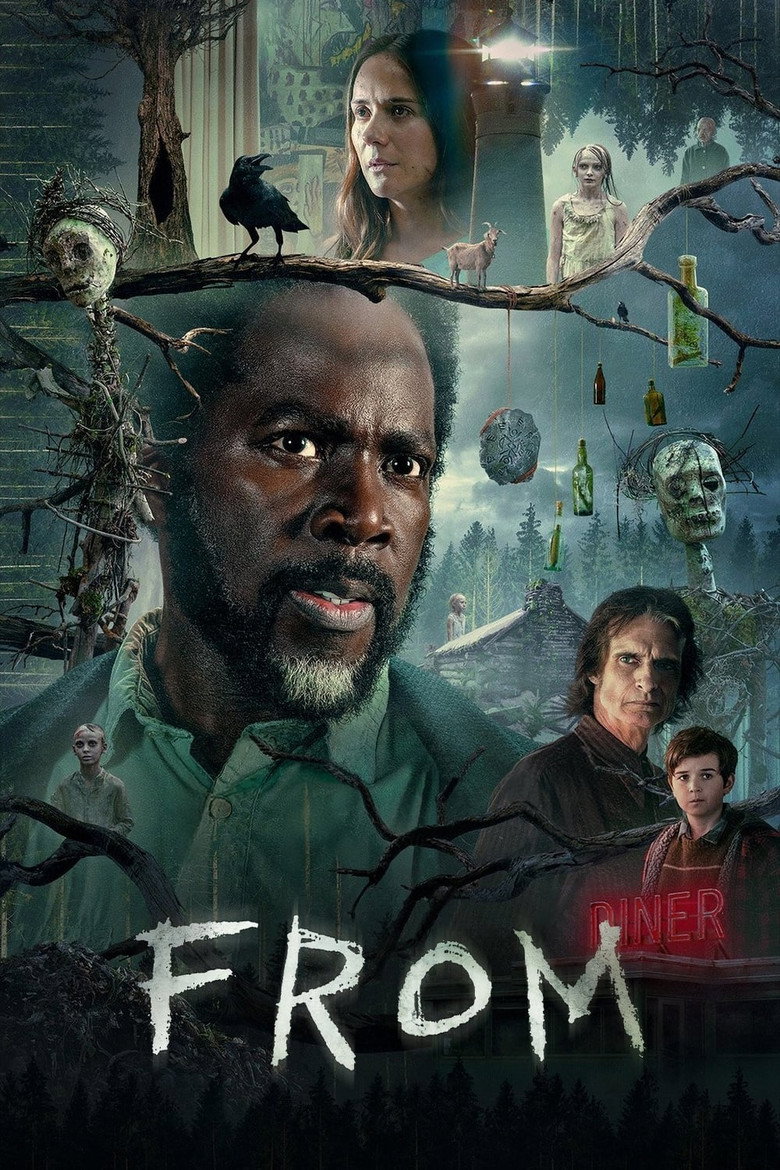
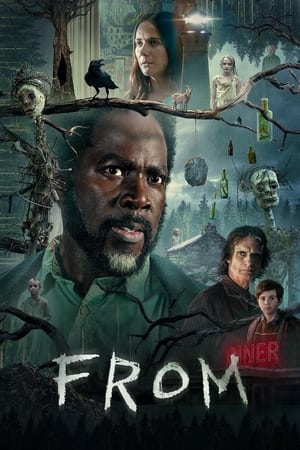
In the cutthroat landscape of modern streaming, where every new show desperately claws for attention, few manage to cultivate the kind of fervent, obsessive theorizing that characterized television's golden age. Yet, MGM+'s FROM has done just that, ensnaring audiences in its inescapable, monster-plagued town. But let's be blunt: if you're hooked on the chilling enigmas of FROM, you owe it to yourself to understand its progenitor, its spiritual architect: the monumental, often misunderstood, and undeniably brilliant Lost. To truly appreciate the subtle genius unfurling in 'FROM,' you must revisit the series that perfected the art of the existential mystery box. 'FROM' isn't just treading similar ground; it's building on a legacy, inheriting the very DNA that made 'Lost' a benchmark for serialized storytelling.
Why Fans of FROM Need to Revisit Lost
If the unsettling atmosphere and unraveling mysteries of 'FROM' have you gripped, prepare to be captivated by the series that set the standard. Here’s why 'Lost' is an essential re-watch for any 'FROM' devotee:
- Mastery of the Enigmatic Opening: Both shows excel at plunging viewers into immediate, inexplicable peril.
- Character-Driven Survival Narratives: The core of their appeal lies in how isolation and fear expose humanity's depths.
- The Art of the Prolonged Mystery Box: Understanding that the journey, not just the destination, is the true reward.
- Shared Creative Lineage: Unpacking the influence of 'Lost' executive producers Jeff Pinkner and Jack Bender.
- Psychological Horror Meets Sci-Fi Dread: Exploring the distinct yet parallel ways they blend genres to create persistent unease.
The Art of the Enigmatic Opening: From Island to Inescapable Town
Lost premiered with a plane crash, its survivors scattered across a mysterious island. It was a visceral, chaotic opening that immediately established a high-stakes, inexplicable reality. Fast forward to FROM: cars drive into a town, and no matter how they try to leave, they always end up back. The methods differ, but the effect is identical: characters, and by extension the audience, are immediately thrust into a bizarre, hostile environment with no clear escape. This isn't just a plot device; it's a genre-defining move. Both series understand that the most potent horror isn't a jump scare, but the chilling realization that your entire reality has been irrevocably altered. The initial moments of both shows brilliantly establish a 'new normal' that is anything but normal, forcing immediate adaptation and desperate, flawed decisions. For a deeper look at how TV masters compelling narratives, check out Beyond Spectacle: Why Awards TV Favors Nuance Now.
In 'Lost,' the discovery of the hatch, the polar bear, the Smoke Monster – each reveal deepened the mystery while simultaneously escalating the stakes. 'FROM' does the same with its flesh-eating nocturnal creatures, the unsettling Talismans, and the bizarre, childlike visions that plague its residents. Both shows masterfully withhold information, making every minor discovery feel monumental. They don't just present a puzzle; they make the act of trying to solve it the central, agonizing struggle. It’s a testament to the power of environmental storytelling, transforming mundane settings into living, breathing threats.
Character-Driven Survival: Peeling Back Layers Under Pressure
While the monsters and mysteries are the hooks, the true genius of both 'Lost' and 'FROM' lies in their profound commitment to character. Strip away the sci-fi/horror elements, and you're left with ensemble dramas about people pushed to their absolute limits. In 'Lost,' characters like Jack, Locke, Kate, and Hurley grappled not just with the island's dangers but with their own fractured pasts and moral ambiguities. Their flashbacks weren't distractions; they were vital pieces of a psychological tapestry, explaining why they reacted the way they did in extreme circumstances.
FROM employs a similar, if more subtly integrated, approach. Sheriff Boyd Stevens's haunted past and his struggle to maintain order and hope mirror Jack Shepherd's impossible burden. The Matthews family's fragmented dynamics, particularly Jim and Tabitha's desperate attempts to understand their predicament, echo the initial chaos and emotional fallout among the Oceanic 815 survivors. Each resident of the inescapable town carries their own baggage, and the constant threat of the creatures forces them to confront both external horrors and their internal demons. The shows understand that true tension comes from caring deeply about who lives, who dies, and what choices they make under duress. This focus on humanity in dire straits is what elevates them beyond mere genre exercises.
The Prolonged Mystery Box: Journey Over Destination
Ah, the
FAQ
Are 'FROM' and 'Lost' connected by the same creators?
Yes, both 'FROM' and 'Lost' share executive producers Jeff Pinkner and Jack Bender, who heavily influenced the development and tone of both mystery-driven series.
What genre does 'FROM' fall into?
'FROM' is primarily a sci-fi horror and mystery series, blending elements of psychological suspense, supernatural threats, and an inescapable, enigmatic setting.
Where can I watch 'FROM'?
'FROM' is available to stream on MGM+ (formerly Epix) in the United States, and on various platforms internationally.