Beloved: Why Morrison's Masterpiece Still Burns in 2026
Toni Morrison's 'Beloved' isn't just a novel; it's a brutal, necessary exorcism of American history, a literary firestorm that demands our attention now more than ever.
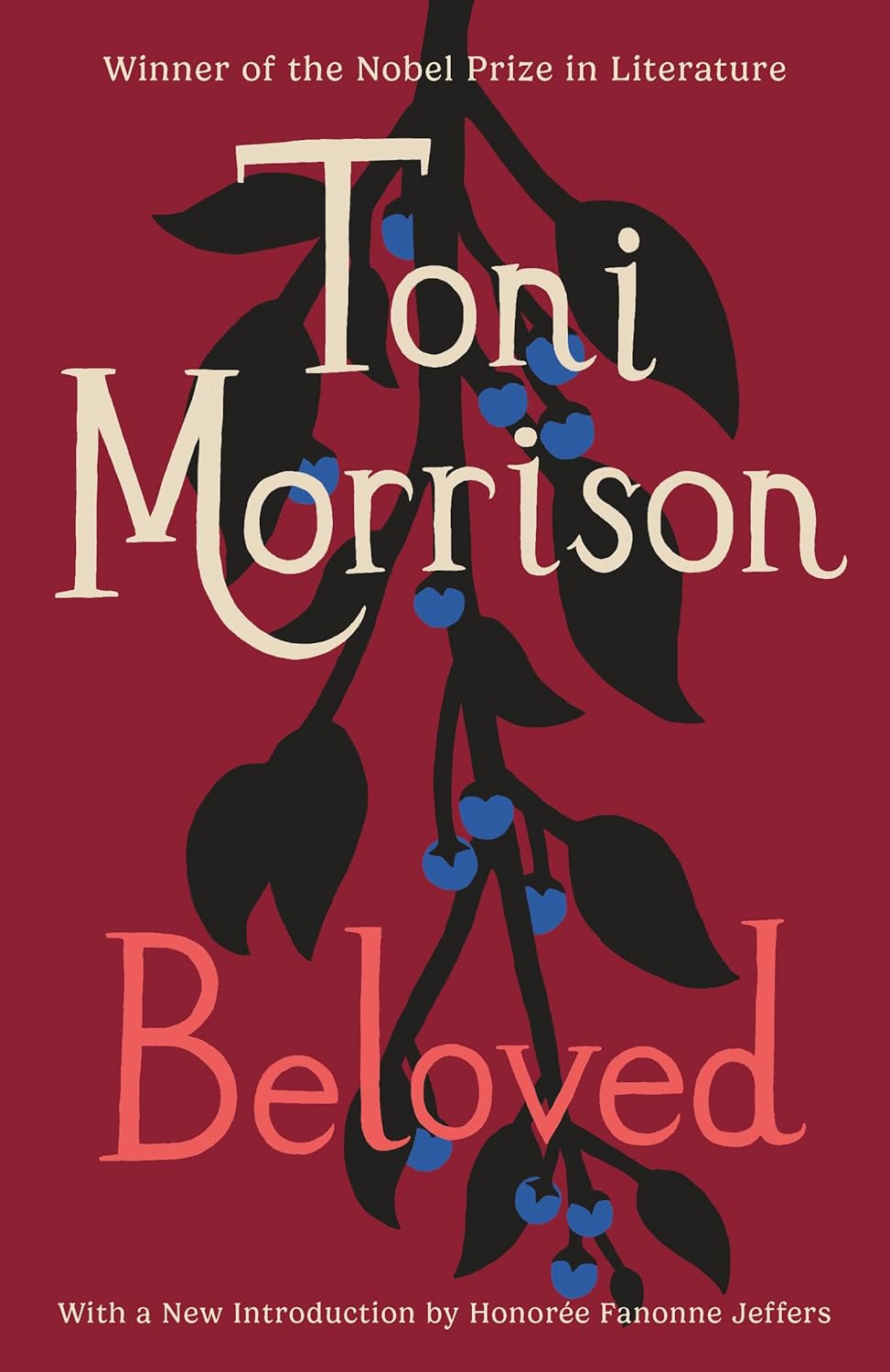
In an era saturated with comfortable narratives and neatly packaged historical lessons, Toni Morrison's Beloved remains an unyielding, uncomfortable masterpiece. Nearly forty years after its publication, this searing exploration of slavery's psychological aftermath doesn't just ask us to look; it forces us to feel the enduring wounds of America's original sin. While many books gather dust on syllabi, Beloved refuses to become a relic. It actively haunts the contemporary reader, its truths echoing with chilling precision in our ongoing battles for racial justice and historical reckoning in April 2026.

Why Beloved by Toni Morrison Still Haunts Readers in 2026
Beloved isn't a book you simply read; it's an experience that marks you. Its sustained relevance in 2026 speaks volumes about its power and the persistent need to confront the legacies it so bravely dissects. Here’s why it’s captivating readers right now:
- The Unflinching Face of Trauma: Morrison dives headfirst into the profound, multi-generational psychological and physical trauma inflicted by slavery, refusing to sanitize or simplify.
- Narrative Audacity and Lyrical Prose: The novel's non-linear structure and poetic language don't just tell a story; they embody the fractured experience of memory and identity.
- The Ghost as a Manifestation of Unresolved History: The spectral figure of Beloved serves as a visceral metaphor for the past's inescapable grip, demanding acknowledgment and expiation.
- Enduring Call for Racial Reckoning: Its themes resonate profoundly with current social justice movements, urging us to confront historical injustices and their modern manifestations.
The Scars that Won't Heal: Trauma as Protagonist
To merely call Beloved a story about slavery is like calling the ocean a puddle. Morrison dissects trauma with a surgeon's precision and a poet's heart, rendering it not as a historical footnote but as a living, breathing entity that dictates the lives of her characters. Sethe, the novel's tragic core, carries the weight of Sweet Home – the ironically named plantation that stripped her of humanity – in every fiber of her being. Her infamous act of infanticide, driven by a desperate desire to spare her children the horrors she endured, isn't presented for judgment but for agonizing understanding. Morrison doesn't just describe the trauma; she creates it on the page. We feel Sethe's
FAQ
What is the primary theme of Toni Morrison's Beloved?
The primary theme of 'Beloved' is the devastating, lasting psychological and physical trauma of slavery and its intergenerational impact, particularly on Black women and families.
Is Beloved based on a true story?
Yes, 'Beloved' is inspired by the true story of Margaret Garner, an enslaved woman who escaped to Ohio in 1856 and, when faced with recapture under the Fugitive Slave Act, killed her infant daughter to spare her from a life of slavery.
Why is Beloved considered a significant work of American literature?
'Beloved' is significant for its unflinching portrayal of slavery's brutality, its innovative narrative structure, its lyrical prose, and its profound exploration of memory, identity, and the enduring legacy of historical injustice, earning it a Pulitzer Prize and a revered place in the literary canon.