The Self-Discovery Scorecard: 5 Bestsellers, Brutally Ranked
We pit romantasy, romance, and speculative fiction against our Transformation Index to find which stories of personal growth are truly profound—and which are just wish fulfillment.
It has been over 4,000 days since A Court of Thorns and Roses first hit shelves. A full decade later, it and its literary descendants—tales of dramatic, often magical, self-reinvention—still stubbornly dominate bestseller lists. This isn't an accident. We are a culture obsessed with the idea of transformation, of shedding an old self for a new, more powerful one. But are these chart-toppers delivering genuine character evolution, or just a candy-coated fantasy of it? We decided to find out.
Ranking Books on Personal Transformation and Choice
This scorecard dissects which popular novels deliver the most meaningful journeys of self-discovery. We analyze and rank the following based on our custom scoring system:
- The Midnight Library by Matt Haig
- A Court of Thorns and Roses by Sarah J. Maas
- Two Can Play by Ali Hazelwood
- Fury Bound by Sable Sorensen
- The Auction by Sadie Kincaid
The Lit-Pop Transformation Index: Our Brutal Methodology
Not all journeys of self-discovery are created equal. To separate profound growth from plot contrivance, we've developed the Transformation Index. Each book is scored against three unforgiving criteria for a total of 30 possible points.
- Character Arc (/10): How significant and believable is the protagonist's transformation? Does their growth feel earned through internal struggle and difficult choices, or is it handed to them by a magical man or a sudden power-up? We reward complexity and subtract points for lazy shortcuts.
- Thematic Depth (/10): How well does the book explore its core ideas? Does it grapple with the messy realities of identity, choice, and resilience, or does it offer pat, surface-level answers? We're looking for insight, not just inspiration-poster platitudes.
- Narrative Compulsion (/10): A great story of transformation should be unputdownable. Does the plot effectively serve and accelerate the character's journey? We award points for tight pacing and meaningful conflict, while penalizing meandering plots and filler that detract from the core emotional journey.
The Gauntlet: Five Bestsellers Under the Microscope
We put five trending titans of transformation to the test. The results are... illuminating. We're ranking them from worst to best, so prepare for some sacred cows to be tipped.
#5: The Auction (Deluxe Limited Edition) by Sadie Kincaid

Let's be blunt: dark romance often mistakes trauma for transformation. The Auction is a case study in this fallacy. The premise—a woman sold to a dangerous man who becomes her protector and lover—is built on a foundation of coercion that the narrative desperately wants to rebrand as destiny. The protagonist's journey isn't one of self-discovery, but of adaptation to an abusive situation. Her 'growth' is measured by her increasing acceptance of a world where her agency is stripped away, a transformation that feels more like Stockholm Syndrome than empowerment. The story hinges on the fantasy that a man who buys a woman can also be the source of her liberation, a thematic contradiction the book never resolves. It’s a compelling fantasy for some, but it fails our index because the character arc is fundamentally passive; things happen to her, and her journey is a reaction, not a proactive evolution.
- Character Arc: 2/10
- Thematic Depth: 1/10
- Narrative Compulsion: 6/10
- Total: 9/30
#4: Fury Bound by Sable Sorensen

Fury Bound is an avatar for the modern romantasy genre, and it demonstrates both its appeal and its greatest weakness. The protagonist's journey from ordinary to extraordinary is fueled by the discovery of latent magical powers and the intervention of a fated, all-powerful male. While entertaining, this narrative structure frequently uses external power-ups as a substitute for internal character development, a problem we've explored before in Romantasy's Big Lie. The transformation is less about confronting personal flaws or making difficult ethical choices, and more about leveling up. The narrative compulsion is high—the action is relentless and the stakes are epic. But the thematic exploration of what it means to change is shallow. Growth is equated with getting stronger, not wiser or more self-aware. It’s a power fantasy, and a well-executed one, but as a story of human transformation, it feels hollow, trading the hard work of introspection for the cheap thrill of a new magical ability.
- Character Arc: 4/10
- Thematic Depth: 3/10
- Narrative Compulsion: 7/10
- Total: 14/30
#3: Two Can Play by Ali Hazelwood

Ali Hazelwood has perfected a formula: a brilliant but insecure woman in STEM finds love and professional validation, often through a fake-dating scenario with a brooding, secretly soft-hearted colleague. Two Can Play executes this formula with the precision of a finely calibrated instrument. The transformation is real—the protagonist learns to advocate for herself and trust her own instincts. However, the journey feels more like a well-managed project than a messy, human evolution. The stakes are primarily professional and romantic, and the self-discovery is neatly packaged. The book's greatest strength is its narrative compulsion; Hazelwood's snappy dialogue and charming tropes make for an addictive read. But its thematic depth is limited. The transformation is about gaining confidence within an existing system, not questioning the system itself. It's a satisfying and comforting arc, but it lacks the soul-shaking profundity that defines true transformation.
- Character Arc: 6/10
- Thematic Depth: 5/10
- Narrative Compulsion: 8/10
- Total: 19/30
#2: A Court of Thorns and Roses by Sarah J. Maas

There's a reason A Court of Thorns and Roses has had a chokehold on the fantasy genre for a decade. Feyre Archeron's transformation from a hardened human huntress into a powerful High Fae is undeniably epic. The scope of her journey—surviving trauma, solving riddles under duress, and literally dying and being reborn—is massive. The narrative is utterly compulsive, a masterclass in pacing and high-stakes plotting that has spawned countless imitators. Where it falters, however, is in the nuance of its character arc. Feyre's growth, particularly in the first book, is often reactive. Her most significant changes are bestowed upon her by powerful men. She is saved, she is changed, she is empowered. While she demonstrates immense courage, her agency often feels secondary to the machinations of Tamlin and, later, Rhysand. It’s a monumental story of change, but it’s a change largely enacted upon its protagonist, which costs it crucial points in our index.
- Character Arc: 7/10
- Thematic Depth: 6/10
- Narrative Compulsion: 9/10
- Total: 22/30
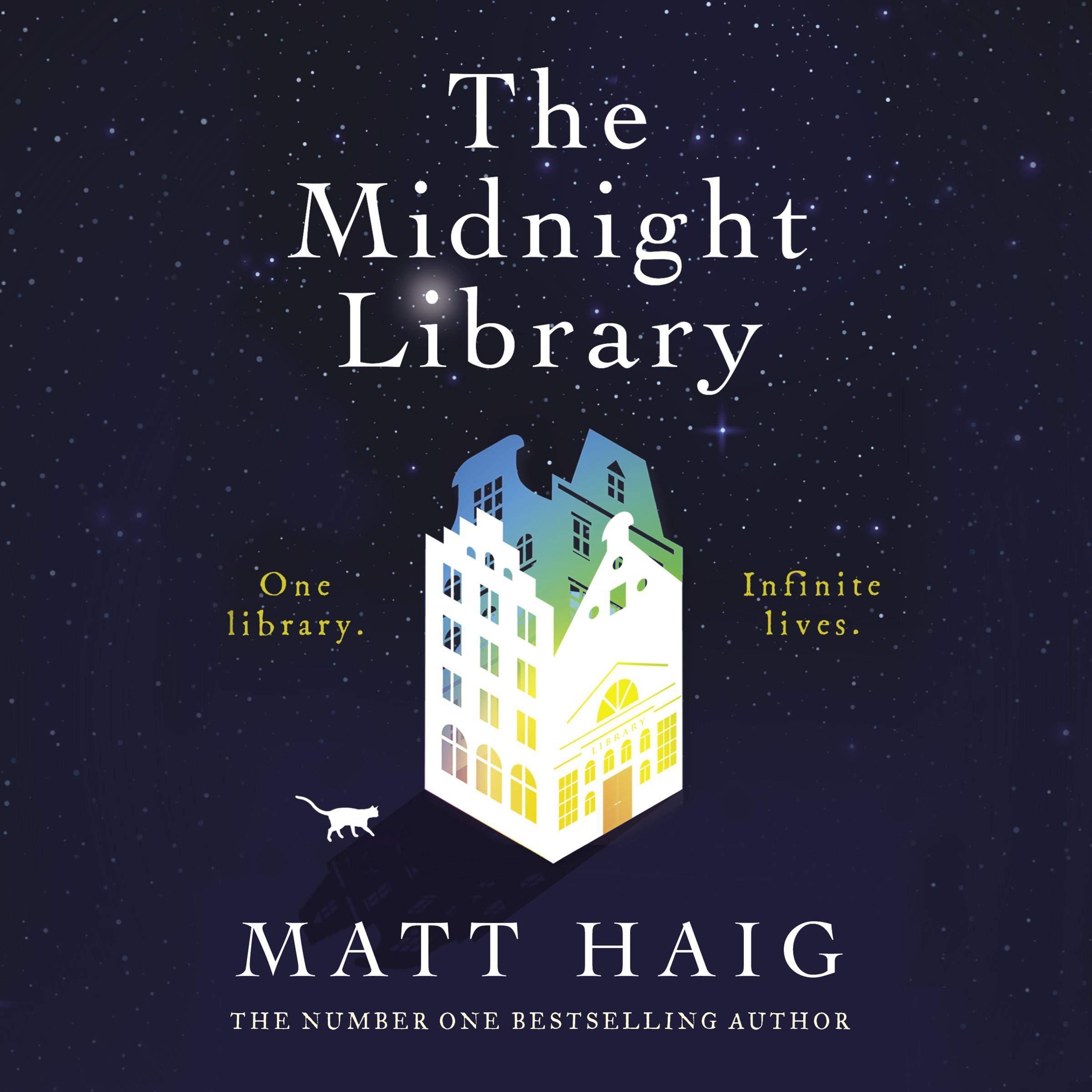
#1: The Midnight Library by Matt Haig

Unlike its competitors, The Midnight Library is not about becoming someone else; it’s about learning to be who you are. The premise is a conceptual masterstroke: a woman named Nora Seed, at the point of suicide, gets to sample infinite alternative lives based on choices she regrets. The book is a direct, unflinching meditation on choice, regret, and the nature of a 'good' life. Nora's transformation is entirely internal. There are no magic swords or fated mates, only the slow, painful realization that every life has its own set of triumphs and tragedies, and that the fantasy of a 'perfect' life is a trap. The narrative compulsion comes not from external action but from a deeply relatable philosophical question: 'What if?' Some may find Nora a passive protagonist, but that's the point. Her journey is from passivity to active acceptance. The book's thematic depth is its crown jewel, forcing the reader to confront their own regrets alongside Nora. It’s not the flashiest transformation on this list, but it is, by far, the most profound and emotionally resonant.
- Character Arc: 8/10
- Thematic Depth: 10/10
- Narrative Compulsion: 7/10
- Total: 25/30
The Final Tally: The Transformation Index Leaderboard
| Rank | Title | Character Arc (/10) | Thematic Depth (/10) | Narrative Compulsion (/10) | Total (/30) |
|---|---|---|---|---|---|
| 1 | The Midnight Library | 8 | 10 | 7 | 25 |
| 2 | A Court of Thorns and Roses | 7 | 6 | 9 | 22 |
| 3 | Two Can Play | 6 | 5 | 8 | 19 |
| 4 | Fury Bound | 4 | 3 | 7 | 14 |
| 5 | The Auction | 2 | 1 | 6 | 9 |
Editor's Verdict
While blockbuster fantasies offer epic physical transformations, the quiet, internal revolution of The Midnight Library ultimately provides the more meaningful journey. It's a potent antidote to the 'chosen one' narrative, arguing that self-discovery isn't about finding a grander destiny but about finding value in the life you've already built, flaws and all. The book succeeds because it understands a fundamental truth the others miss: the most powerful transformation is the shift from 'what if' to 'what is'.
FAQ
What is the main theme of The Midnight Library?
The central theme of The Midnight Library is the exploration of regret, choice, and happiness. It argues that a fulfilling life comes not from making perfect choices, but from accepting the life you have and finding the good within it.
Why is 'A Court of Thorns and Roses' so popular?
A Court of Thorns and Roses combines popular elements of fantasy, high-stakes romance, and a compelling 'Beauty and the Beast' retelling. Its popularity surged on platforms like TikTok, driven by its addictive plot, escapist world-building, and the romantic arc in the later books of the series.
What defines a 'transformation' novel?
A transformation novel, or a story of self-discovery, focuses on a protagonist's significant internal or external change. This journey often involves overcoming personal flaws, navigating pivotal life choices, and arriving at a new understanding of oneself and the world.