Beyond the Beach: 'Big Little Lies' Still Cuts Deep in 2026
Liane Moriarty's suburban exposé is more than a mystery; it's a brutal, incisive mirror to our societal anxieties, female solidarity, and the lies we tell ourselves.
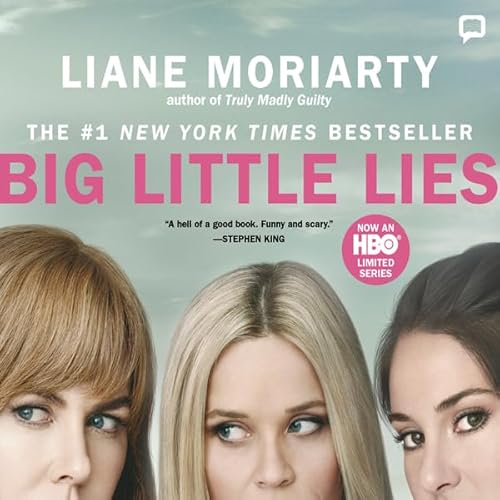
It’s 2026, and the shiny veneer of suburban perfection still gleams deceptively, just as it did when Liane Moriarty's Big Little Lies first hit shelves. Many dismissed it as mere 'beach read' fodder, a pulpy domestic thriller, especially after its star-studded adaptation captured the zeitgeist. But to relegate Moriarty’s novel to such a superficial category is to miss the barbed wire beneath the perfectly manicured hedges. This isn’t just a whodunit; it’s a searing indictment of the quiet violence women endure, the performative happiness society demands, and the ferocious, messy bonds that hold them together when everything else falls apart. In an era still grappling with systemic abuses and the burden of expectation, Big Little Lies resonates with an unsettling clarity that feels less like fiction and more like a grim, ongoing reality report.

Why 'Big Little Lies' Endures: A 2026 Analysis
- The Unmasking of Suburban Perfection: Beyond the picturesque coastal setting, Moriarty exposes the simmering resentments, class anxieties, and hidden abuses that undermine idyllic family lives.
- Narrative Ingenuity and Psychological Depth: How the book's multi-perspective storytelling and clever structure elevate it beyond a simple mystery to a profound character study.
- The Power and Peril of Female Friendship: An examination of the complex, often fraught, but ultimately life-saving solidarity among its central female characters.
- Timely Commentary on Domestic Violence: Moriarty’s unflinching portrayal of abuse and its long-lasting trauma, offering a narrative that remains tragically relevant.
The Facade of Perfection: A Rotting Core
Moriarty is a master cartographer of the suburban psyche, and in Big Little Lies, she sketches a world that is outwardly pristine but inwardly corroding. Pirriwee, a fictional coastal town in Australia, is a place of breathtaking beauty and devastating secrets. From the moment the novel opens with the chaos of a school trivia night, we are plunged into a world where status, wealth, and perceived success are paramount. Madeline Mackenzie, the fiery, outspoken matriarch, is obsessed with maintaining control, whether it’s over school politics or her family’s image. Renata Klein, the formidable career woman, projects an aura of impenetrable success. Celeste Wright, seemingly the most beautiful and serene of them all, hides the most brutal secret: a life defined by spousal abuse.
What Moriarty brilliantly dissects is the pressure cooker of modern motherhood and wifehood. These women are not just raising children; they are performing a role, a societal expectation that demands effortless grace, perfect children, and unshakeable domestic bliss. The narrative, peppered with snippets of post-event police interviews, immediately signals that this illusion is shattered. The dread isn’t just about the impending murder; it’s about the slow, agonizing unraveling of lives lived under intense scrutiny and self-deception. This isn't just about a 'mom group' squabble; it's about the systemic issues that trap women in cycles of silence, fear, and violence, a theme that feels heartbreakingly current in 2026, despite decades of progress.
Narrative Ingenuity: More Than Just a Mystery
To call Big Little Lies simply a mystery novel is to fundamentally misunderstand its craft. Moriarty employs a multi-perspectival, fragmented narrative that is far more sophisticated than the genre often gets credit for. We hear from Madeline, Celeste, and Jane Chapman, each offering their subjective lens on events, building a rich tapestry of interwoven lives and conflicting truths. This isn't just a stylistic flourish; it's crucial to the book's thematic core. It underscores how different women perceive and react to the same social pressures and how individual traumas are often kept meticulously hidden beneath a polished exterior.
The genius lies in the
FAQ
What genre is Big Little Lies?
Big Little Lies is primarily a domestic thriller with elements of dark comedy and social commentary, often categorized under psychological suspense or 'chick lit' with significant depth.
What are the main themes in Big Little Lies?
Key themes include domestic violence, female friendship and solidarity, the illusion of suburban perfection, class divisions, and the complexities of motherhood and marital relationships.
Is the book Big Little Lies better than the TV show?
While the HBO series is critically acclaimed for its performances and aesthetic, many readers argue the book offers deeper character insights, a more nuanced portrayal of certain plotlines, and a sharper, less romanticized view of its darker themes. The book also provides a definitive ending lacking in the show's second season.