Lit-Pop Scorecard: Best Book Club Books for April 2026
Forget tired choices; we brutally rank the latest and greatest, dissecting their discussion potential and thematic depth to crown your next must-read for intense group debate.
We’ve all been there: the book club meeting where the conversation dries up faster than a forgotten paperback in the sun. Choosing the right book is an art, not a science, and it certainly isn’t about blindly following a bestseller list. Here at Lit-Pop, we despise bland recommendations. For April 2026, we’ve sliced through the new releases and recent buzz-generators to identify five titles that promise to spark genuine, passionate debate – or at least avoid awkward silences.
Our scoring isn’t just about ‘good’ or ‘bad’; it’s about discussion fuel. We've meticulously graded each contender across four crucial categories, with a maximum of 10 points per category, for a grand total of 40.
Find Your Next Unforgettable Book Club Read
- Deep dives into challenging memoirs like Half His Age
- Unpacking the twists of psychological thrillers such as Dear Debbie
- Exploring philosophical journeys in works like The Midnight Train
- Analysing character-driven mysteries, exemplified by Hollow Bones
- Revisiting YA classics and their enduring themes, including Looking for Alaska
Our Lit-Pop Book Club Scoring Methodology
- Discussion Potential (DP): Does this book provoke genuine debate? Are there ambiguous characters, moral quandaries, or societal critiques that demand exploration? High scores here mean your club will be talking long after the last page.
- Narrative Hook (NH): Will it keep everyone engaged? Does the plot propel forward, even for those who prefer popcorn reads, while still satisfying the literary snobs? A compelling story is key to sustained interest.
- Thematic Depth (TD): Does it transcend its plot? Are there profound, universal themes – identity, grief, power, love, justice – that resonate beyond the narrative's immediate confines? Book clubs thrive on deeper meaning.
- Accessibility (AC): Is it approachable without being simplistic? Can a diverse group of readers, from genre loyalists to literary fiction devotees, find common ground and enjoy the prose without feeling alienated by dense language or niche concepts?
The Contenders: Our Detailed Breakdown
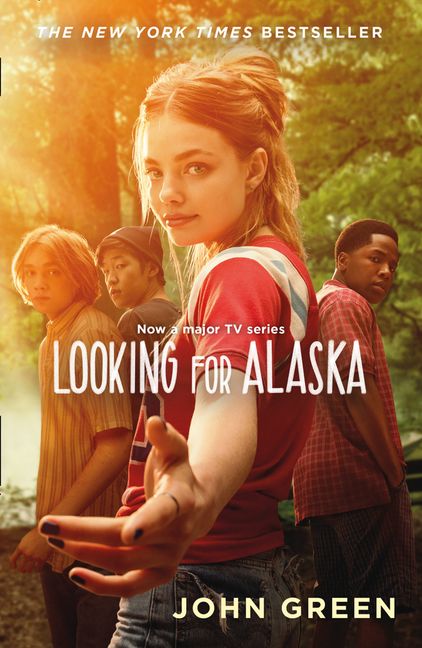
1. Looking for Alaska by John Green

- Discussion Potential (DP): 9/10 – Green is a master of the Big Questions, and this debut is packed. What does it mean to live? What does it mean to die? How do we grieve? The enigma of Alaska herself fuels endless debate. Her character, her choices, the aftermath – it’s all fertile ground for intense conversation.
- Narrative Hook (NH): 8/10 – Despite being YA, the prose is sharp and the emotional stakes are high. The "before" and "after" structure builds genuine suspense, even if the "Great Perhaps" can feel a little too on-the-nose at times. It’s hard to put down.
- Thematic Depth (TD): 9/10 – Grief, existentialism, first love, friendship, identity, the search for meaning – it’s all here. Green doesn’t shy away from weighty topics, presenting them in a way that’s accessible but never patronizing. This book sticks with you.
- Accessibility (AC): 10/10 – This is its superpower. Engaging for young adults and adults alike, the language is clear, the pacing is excellent, and the emotional resonance is universal. It’s a bridge-builder, perfect for groups with varied reading tastes.
- Total Score: 36/40
2. Hollow Bones by Erica Wright

- Discussion Potential (DP): 8/10 – Wright's latest offers a satisfying blend of mystery and character study. The protagonist, a PI with a complicated past, navigates not just a case but her own demons. Book clubs can dissect the nature of justice, the lingering effects of trauma, and the moral gray areas of investigative work. Who is truly guilty? What does redemption look like?
- Narrative Hook (NH): 9/10 – This is a tightly plotted, atmospheric read. The mystery unravels at a compelling pace, with enough twists to keep everyone guessing without resorting to cheap tricks. It’s noir done right, drawing you into its gritty world.
- Thematic Depth (TD): 7/10 – While primarily a mystery,
Hollow Bonesdelves into themes of addiction, abandonment, and the search for truth in a world that often obscures it. It’s not overtly philosophical, but the psychological undercurrents provide plenty to chew on. - Accessibility (AC): 8/10 – The prose is crisp and engaging, making it an easy entry point for thriller fans while offering enough literary polish for those who appreciate good writing. The noir elements might not appeal to everyone, but it's generally a strong contender.
- Total Score: 32/40
3. The Midnight Train by Matt Haig

- Discussion Potential (DP): 7/10 – Haig's known for his 'what if' scenarios, and
The Midnight Trainis no exception. It’s a premise engineered for debate: exploring regrets, alternate realities, and the illusion of perfect choices. While engaging, it sometimes feels too overtly designed for philosophical discussion, leading to predictable points rather than truly organic ones. We've seen this train before. - Narrative Hook (NH): 7/10 – The concept is initially captivating, pulling readers in with the promise of parallel lives. However, the narrative can sometimes feel a bit didactic, prioritizing the philosophical exposition over raw character development. It’s engaging enough, but it lacks the visceral punch of a more character-driven story.
- Thematic Depth (TD): 8/10 – Haig consistently tackles big themes – mental health, existential angst, the meaning of happiness.
The Midnight Traincertainly offers plenty of fodder for profound discussions, but it can occasionally drift into self-help territory rather than pure literary exploration. It's a journey, but sometimes the tracks are a little too well-worn. - Accessibility (AC): 9/10 – Haig's writing is always incredibly accessible, even when grappling with complex ideas. It's an easy read in terms of prose and structure, making it a safe bet for a diverse book club seeking a thought-provoking, yet undemanding, experience.
- Total Score: 31/40
4. Half His Age by Jennette McCurdy

- Discussion Potential (DP): 9/10 – McCurdy's memoir is a raw, unflinching excavation of trauma, exploitation, and the toxic dynamics of a mother-daughter relationship warped by child stardom. This isn't just a celebrity tell-all; it's a profound look at agency, consent, and the performative nature of self. Expect heated discussions on victim blaming, systemic abuse in Hollywood, and the complex process of healing. This book demands to be talked about.
- Narrative Hook (NH): 7/10 – The brutal honesty and the sheer audacity of McCurdy’s voice are undeniably compelling. However, as a memoir focused on internal struggle and processing trauma, the narrative can sometimes feel less like a traditional plot and more like a confessional, which might lose some readers seeking a fast-paced story. It's powerful, but not always "page-turner" in the conventional sense.
- Thematic Depth (TD): 9/10 – Beyond the celebrity angle, this book is a masterclass in unpacking the long-term psychological damage of parental narcissism, eating disorders, and the loss of childhood. It's about finding your voice after it's been silenced, making it incredibly resonant and timely.
- Accessibility (AC): 6/10 – While the language is straightforward, the subject matter is relentlessly heavy and potentially triggering. This isn't a light read, and some club members might find its intensity too confronting. It's crucial to approach this with sensitivity and perhaps a trigger warning for your group. For a book club seeking a challenge, it's gold, but it's not universally "easy" to consume.
- Total Score: 31/40
5. Dear Debbie by Freida McFadden

- Discussion Potential (DP): 6/10 – Freida McFadden excels at twists, and
Dear Debbiedelivers them in spades. For a book club, the immediate discussion will revolve around "Did you see that coming?" and "Who's truly the villain?" However, once the shocks wear off, the thematic depth often feels thin. It's fun to unravel, but the conversation might struggle to move beyond plot mechanics. If you're looking for a thrill, it delivers, but for a deeper dive, it falls short. Check out our previous take on McFadden's thrillers in Dave vs. McFadden: Which BookTok Thriller Truly Delivers?. - Narrative Hook (NH): 9/10 – McFadden is an absolute pro at keeping you glued to the page. The short chapters, first-person narration, and relentless suspense make this a truly unputdownable read. It’s designed to be devoured, and it succeeds brilliantly.
- Thematic Depth (TD): 4/10 – This is where
Dear Debbiefalls short for a truly robust book club discussion. While it touches on themes of revenge and perception, it rarely digs deep enough to offer profound insights. The twists are the point, not the vehicle for deeper meaning. For richer explorations of narrative deception, you might prefer something more substantial. (For a deeper look at the unreliable narrator, see The Unsettling Reign of the Unreliable Narrator). - Accessibility (AC): 9/10 – It’s an incredibly easy read, perfectly paced for those who enjoy commercial fiction. The language is straightforward, and the story moves quickly, ensuring that even reluctant readers will fly through it.
- Total Score: 28/40
The Lit-Pop Book Club Scorecard: Final Ranking
| Rank | Book Title | Author | DP | NH | TD | AC | Total |
|---|---|---|---|---|---|---|---|
| 1 | Looking for Alaska | John Green | 9 | 8 | 9 | 10 | 36 |
| 2 | Hollow Bones | Erica Wright | 8 | 9 | 7 | 8 | 32 |
| 3 | The Midnight Train | Matt Haig | 7 | 7 | 8 | 9 | 31 |
| 4 | Half His Age | Jennette McCurdy | 9 | 7 | 9 | 6 | 31 |
| 5 | Dear Debbie | Freida McFadden | 6 | 9 | 4 | 9 | 28 |
Note: In the event of a tie, the book with higher Thematic Depth (TD) is ranked higher, reflecting Lit-Pop's preference for substance over pure plot mechanics.
FAQ
What makes a book ideal for a book club discussion?
Ideal book club books offer rich thematic depth, complex characters, ambiguous moral situations, and a compelling narrative that sparks genuine debate and allows for multiple interpretations beyond simple plot points.
Should book clubs always prioritize new releases?
Absolutely not. While new releases can be exciting, many backlist titles offer timeless themes and proven discussion potential. Prioritizing quality and suitability for discussion over mere newness is key. For more on this, read our take on [Why Backlist Books Are Your Real Literary Gold](/books/backlist-books-underrated-gems-april-12-2026/).
How can we ensure a diverse range of opinions in our book club?
Encourage open-ended questions, actively listen, and establish ground rules for respectful disagreement. Choosing books with inherently ambiguous themes or characters, like those highlighted in this scorecard, can naturally foster varied interpretations and deeper conversations.