The Bestseller List Is Dead. Long Live the Comfort Read.
Our trending book charts aren't about what's new; they're an algorithmic echo chamber of what we already know. This isn't a failure of publishing—it's a cultural diagnosis.
The concept of a "new release" is functionally dead. Our collective reading habits, as reflected in any trending chart, reveal a culture retreating from the risk of the new and burrowing into the fortified, algorithmically-reinforced comfort of the familiar. The bestseller list is no longer a forecast of the cultural weather to come, but a nostalgic look at the glories of seasons past. It's an echo chamber, a feedback loop where Hollywood adaptations, TikTok trends, and a deep-seated generational anxiety conspire to keep the same dozen books in circulation, while genuinely new voices fight for scraps of attention on the periphery. This isn't a crisis of publishing; it's a diagnosis of our collective psyche.
Why Are Old Books Always on Bestseller Lists?
This article explores the cultural forces keeping classic and backlist titles at the top of the charts, long after their publication dates. We'll cover:
- An analysis of the modern "comfort read" phenomenon.
- How film and TV adaptations function as the primary drivers of the literary canon.
- The role of generational nostalgia in shaping millennial and Gen Z reading habits.
- Why classic fantasy, sci-fi, and dystopian fiction offer a potent, if sometimes troubling, escape from modern anxieties.
The Shire as Fortress: The Alarming Comfort of The Hobbit

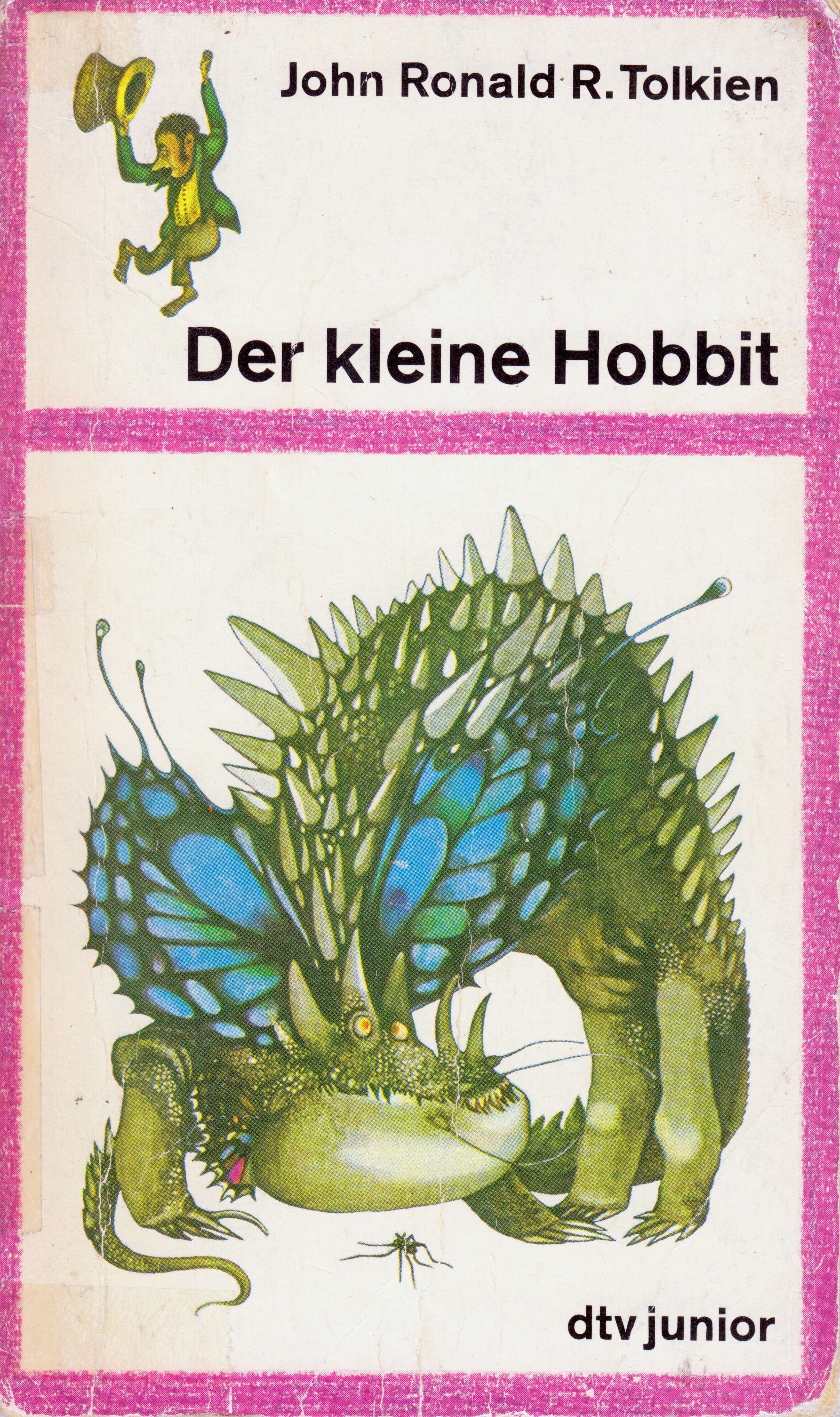
To understand this cultural retreat, look no further than J.R.R. Tolkien's The Hobbit, or There and Back Again. Its perennial position on trending lists is usually hand-waved away as simple nostalgia, a testament to its foundational role in modern fantasy. But this misses the point entirely. The Hobbit is trending in 2026 not just for what it is, but for what it represents: the ultimate literary safe space. The entire narrative engine of the book is a reluctant hero being pulled away from comfort, only to find that the entire purpose of the adventure was to appreciate that comfort more profoundly upon his return. Bilbo Baggins is the patron saint of the homebody, and his story is a sacred text for an age defined by anxiety.
The emotional core of the novel isn’t the battle with Smaug or the discovery of the ring; it’s the persistent, aching longing for a warm hearth, a full pantry, and a predictable life. The final chapters, where Bilbo returns to find himself presumed dead and his belongings being auctioned off, are a perfect metaphor for our modern fear of disruption. His greatest victory isn't reclaiming the Arkenstone, but reclaiming his armchair. In a world of overwhelming complexity, political turmoil, and economic precarity, the appeal of this narrative is intoxicating. We are all Bilbo, wishing the adventure would end so we can get back to our tea. Tolkien's prose, with its gentle, avuncular tone and morally unambiguous landscape, reinforces this sense of security. There are goblins and dragons, yes, but they are recognizably evil. There is no moral grey area to navigate, no complex system to critique, only a straightforward quest with a guaranteed return ticket. Its presence on the charts isn't a passive inheritance; it's an active flight to safety, a deliberate choice to read a story where the world, however dangerous, makes sense.
The Adaptation Engine: Hollywood as Modernity's Canon-Maker
Of course, this retreat into the familiar isn't happening in a vacuum. It's being actively engineered and monetized by the most powerful cultural force on the planet: Hollywood. The modern bestseller list is, in large part, an auxiliary marketing document for the streaming wars and cinematic universes. A book's ascent to the top of the charts is less about a sudden groundswell of literary appreciation and more about the announcement of a splashy adaptation.

Consider Frank Herbert's Dune. A masterpiece, certainly, but also a dense, sprawling, and philosophically complex doorstop that has historically been the province of dedicated sci-fi fans. Its current status as a mainstream cultural touchstone is almost entirely attributable to Denis Villeneuve's cinematic triumphs. The films serve as both an advertisement and a key. They provide a visual language and narrative streamlining that makes the daunting text accessible to a mass audience. Reading Dune in 2026 is no longer a solitary act of literary excavation; it's an act of participation in a massive, ongoing cultural event. You aren’t just reading a book; you’re preparing for the next film, decoding the lore, and joining a global conversation.
This creates a powerful, self-perpetuating feedback loop. Studios, desperate for risk-averse investments, mine publisher backlists for proven IP. The resulting adaptation propels the original book back onto the charts, solidifying its status as a "classic." This, in turn, makes the IP even more valuable for future sequels, spin-offs, and reboots. The result is a shrinking of the cultural commons, a canon curated not by critics or academics, but by production budgets. New, unproven stories—the potential Dunes of tomorrow—are crowded out by the guaranteed ROI of the past. The adaptation engine doesn't just reflect our taste for the familiar; it manufactures it, packaging nostalgia as a perpetual motion machine of content.
The Dystopian Feedback Loop: When Old Warnings Become Present-Day Manuals
If fantasy offers a retreat into moral clarity, dystopian fiction provides a different, more perverse kind of comfort: the comfort of confirmation. The steady, unyielding presence of George Orwell's 1984 on every trending list isn't driven by a desire to be warned, but by a need to feel understood. In an era of rampant misinformation, algorithmic manipulation, and eroding trust in institutions, Orwell's novel has become less a cautionary tale and more of a user's manual for the 21st century.

Its power lies in its vocabulary. Terms like "Big Brother," "Newspeak," "thoughtcrime," and "doublethink" have become indispensable shorthand for describing modern anxieties that often feel too vast and insidious to grasp. When we see a politician blatantly contradict themselves, we call it doublethink. When we worry about our smart speakers listening in, we evoke Big Brother. Reading 1984 today is an act of naming the demons. It provides a stark, unambiguous framework for our fears, translating the messy, incomprehensible chaos of the digital age into a clear narrative of totalitarian control. As I've argued before, the brutal clarity of allegory is back in a big way, and Orwell is its undisputed king. See our deep dive on its sibling novel: Why Allegory Is Back: 'Animal Farm' Is the Book We Need Now.
The danger, however, is that this framework can be a trap. It can encourage a kind of cynical pattern-matching that mistakes metaphor for analysis. Instead of grappling with the unique, nuanced challenges of our time—the decentralized nature of online propaganda, the seductive convenience of surveillance capitalism—it becomes easier to just point to the book and say, "See? Orwell predicted it." The novel's resurgence isn't necessarily sparking a new wave of political resistance; it's fueling a sense of grim, self-satisfied resignation. It validates our feeling of powerlessness, offering the cold comfort that our dystopia is, at least, a classic.
The Perpetual Schoolyard: YA Franchises and the Refusal to Graduate
Nowhere is this dynamic of comfort and arrested development more potent than in the world of Young Adult fiction. The absolute dominance of the Harry Potter series on the charts—decades after its conclusion—is a cultural phenomenon that transcends mere nostalgia. It points to a generation of readers, primarily millennials, who are engaged in a perpetual re-reading cycle, treating Hogwarts not as a fond memory, but as a place of permanent emotional refuge. The specific popularity of a book like Harry Potter and the Goblet of Fire is telling. This is the fulcrum of the series, the moment the cozy school story pivots into a dark, epic confrontation with mortality and fascism. It represents the end of childhood.

Returning to it, and to the series as a whole, is an attempt to relive that transition, but from a safe distance. The structured, predictable rhythm of the school year, the clear lines between good and evil (even as they get more complicated), and the ultimate triumph of friendship and courage offer a powerful antidote to the ambiguous, structureless anxieties of modern adulthood. Adult life has no Sorting Hat, no clear-cut villains, and no end-of-year feast to signal that you’ve made it through. These books provide a comforting, closed-loop universe with knowable rules and solvable problems, a potent fantasy for a generation navigating a world that seems to offer neither. This cycle is actively maintained by an endless content stream, from the new Max series to the upcoming Hunger Games prequel, which we've discussed in the context of its adaptation challenges in Sunrise on the Reaping: Can a Movie Capture Haymitch's Soul?. It's a refusal to graduate, a collective decision to remain in the fictional schoolyard where the stakes, however high, were always comprehensible.
The Prediction: The Rise of the 'Curated Canon'
So where does this leave the future of reading? The universal bestseller list, as a reflection of what is new and vital in the literary world, is becoming a relic. We are entering the age of the "Curated Canon." The cultural conversation around books is fracturing into a thousand different streams, each guided by its own set of influencers and algorithms. Your BookTok feed might be pushing 10-year-old thrillers, while your friend's is obsessed with a 70-year-old fantasy epic because a new show just dropped. The idea of a single, unifying "book of the moment" is dissolving.
For publishers, this signals a paradigm shift. The blockbuster launch model, focused on a massive marketing push for a new title's opening week, will have to coexist with a more patient, long-tail strategy. The real money won't just be in discovering the next big thing, but in figuring out how to re-activate a five-year-old mid-list title when the right TikTok trend or streaming adaptation comes along. The future of the book business is in managing the backlist.
For readers, this future is both liberating and limiting. We will have unprecedented access to books perfectly tailored to our tastes, fears, and nostalgic triggers. But we may also find ourselves trapped in literary filter bubbles, our reading lives governed by algorithms designed to give us more of what we already like, insulating us from the challenging, the strange, and the genuinely new. We are not entering a new renaissance of reading, but a great age of rereading. The algorithm is our new librarian, and it's stocking the shelves with nothing but our favorite comfort foods. The question we have to ask ourselves is whether a diet of pure comfort is nourishment, or a slow poison for literary and intellectual growth.
Editor's Verdict
Tolkien's foundational text is a masterclass in cozy world-building, but its enduring popularity reveals a troubling modern preference for narrative safety over literary challenge. The final chapter, 'The Last Stage,' is the most culturally significant part of the book in 2026, as it champions the return to a safe status quo over the lingering, transformative change of genuine adventure.
FAQ
Why are classic books like The Hobbit constantly on bestseller lists?
A combination of factors drives their popularity. Nostalgia plays a huge role, especially for generations that grew up with them. Major film and TV adaptations re-introduce these stories to new audiences and create massive sales spikes. Finally, in uncertain times, these books are often seen as 'comfort reads'—familiar, safe, and morally clear stories that offer an escape from modern anxieties.
How much do movies and TV shows really affect book sales?
The impact is enormous. A successful adaptation is the single most powerful marketing tool for a book. Frank Herbert's 'Dune', for example, saw its sales skyrocket to the top of bestseller lists more than 50 years after its publication, almost entirely due to the success of the recent films. This can keep a book on the charts for years.
Is it a bad thing that people are reading older books instead of new ones?
It's a complex issue. On one hand, reading any book is a positive thing, and classics have endured for a reason. On the other hand, an overwhelming focus on a few dozen backlist titles can mean that new, diverse, and innovative voices struggle to find an audience, potentially leading to a less vibrant and more risk-averse literary culture.