Identity vs. Expectation: The Book Comparison That Actually Matters
Four narratives, three dimensions, and one clear winner in the fight for authentic self-definition.
The literary market’s obsession with "authenticity" is a complete fiction, manufactured by publishers who want readers to buy trauma as a personality trait. I don't care how many viral quotes you paste over a moody cover; if a novel treats self-discovery as a tidy destination rather than a brutal negotiation with the world, it’s selling you a lie. Real identity isn’t found in quiet book club reflections—it’s forged in the friction between who you are and what society demands you perform. That’s why the current wave of bestsellers either succeeds by weaponizing that tension or fails by wrapping it in a therapeutic bow. As we’ve seen with the comfort-read industrial complex, pacifying narratives ultimately erase the very struggles they claim to validate. We’re drowning in books that promise to heal, but what we actually need are stories that document the damage. When fiction and nonfiction stop pretending that defiance leads to peace, they finally become worth reading.
What Books Actually Explore Identity vs. Expectation?
- Look What You Made Me Do and the psychology of manufactured resentment
- The Fault in Our Stars and the commodification of tragic identity
- Leo Rising: Queer Spaces, Sexuality, and Fame as a nonfiction blueprint for public self-definition
- My Friends and the quiet rebellion of communal survival
The Architecture of Assigned Selves
The first test of any serious narrative is how it handles the collision between internal truth and external labeling. Society loves to slap a category on a protagonist and call it character development, but the best books treat those labels as cages that must be pried open. Elaine Murphy’s Look What You Made Me Do understands this instinctively.

The novel refuses to let its protagonist rest in the victim role, even when the evidence points squarely at victimhood. Instead, Murphy constructs a character who weaponizes the very expectations meant to contain her, flipping resentment into a deliberate performance of power. It’s a risky narrative choice that pays off because it treats identity as a tactical tool rather than a fixed trait. The prose mirrors this shift, moving from claustrophobic introspection to sharp, calculated dialogue that reveals how much of "self" is just a reflection of what others refuse to see.
John Green’s The Fault in Our Stars, by contrast, falls into the trap of allowing external labels to colonize the narrative from page one.
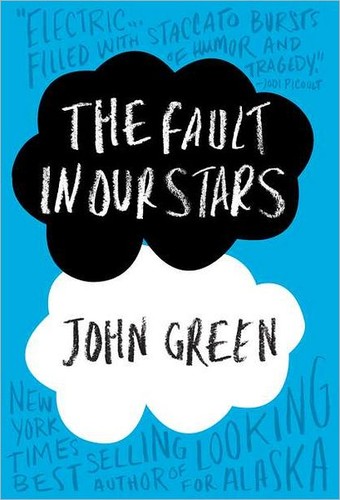
Hazel Grace Lancaster is introduced through the lens of her illness, and the entire book orbits that single defining characteristic. While Green’s lyrical prose elevates the emotional stakes, the structural reliance on terminal illness as the primary driver of identity flattens the possibility of genuine self-actualization. The characters are constantly performing their trauma for each other and for an imagined audience, which ironically reinforces the very societal scrutiny the book claims to critique. It’s a beautifully written cautionary tale about how quickly tragedy becomes a brand, yet it never quite escapes the marketing machinery that originally packaged it.
Archie Bongiovanni’s Leo Rising: Queer Spaces, Sexuality, and Fame tackles this dynamic with the unflinching clarity that only nonfiction can provide.

Bongiovanni doesn’t just describe the tension between queer identity and public expectation; he dissects the mechanics of how visibility is weaponized against marginalized creators. The memoir traces a clear line from private self-definition to the moment the internet begins curating your narrative for you. What makes it superior to the fictional entries here is its refusal to romanticize the struggle. Fame isn’t portrayed as a reward for authenticity; it’s depicted as a distortion field that forces you to choose between compromising your truth or burning your bridges. The analysis of how queer spaces adapt—or fail to adapt—when a face becomes a symbol is razor-sharp and deeply necessary.
Fredrik Backman’s My Friends approaches identity from a completely different angle, arguing that the self is not a solitary fortress but a network of mutual obligations.

Backman’s ensemble structure deliberately deconstructs the myth of the individual protagonist. Each character’s sense of self is woven through their relationships, their shared histories, and their quiet acts of defiance against isolation. It’s a comforting premise on the surface, but Backman subverts it by showing how easily communal bonds fracture under external pressure. The novel’s strength lies in its refusal to offer a single hero; instead, it presents identity as a collective negotiation. When societal expectations threaten to pull the group apart, the narrative doesn’t pivot to a solitary rebellion. It forces the characters to confront the uncomfortable reality that loyalty, like identity, requires constant, exhausting maintenance.
Dimension 1 Scorecard: The Architecture of Assigned Selves 1. Leo Rising (9/10) - Nonfiction precision cuts through performative identity. 2. Look What You Made Me Do (8/10) - Tactical self-definition over passive acceptance. 3. My Friends (7/10) - Strong relational framework, but occasionally dilutes individual agency. 4. The Fault in Our Stars (5/10) - Allows illness to overwrite character complexity.
Rebellion Under the Spotlight
If identity is the architecture, rebellion is the stress test. How do these narratives handle the moment a character decides to stop complying? The quality of a book’s defiance reveals whether it understands societal scrutiny as a systemic force or just a backdrop for personal drama. Murphy’s protagonist doesn’t rebel with a grand speech or a dramatic exit. She rebels through calculated misdirection and strategic silence. The brilliance of Look What You Made Me Do lies in its understanding that modern defiance is rarely loud. It’s the decision to withhold the narrative others expect, to let assumptions curdle into uncertainty. This mirrors the real-world dynamic where marginalized figures are constantly pressured to explain themselves, and the most radical act is simply refusing to perform labor for the comfort of the audience.
Green’s The Fault in Our Stars frames rebellion as romantic escapism, which fundamentally weakens its thematic impact. Hazel and Augustus’s defiance is expressed through witty banter, literary references, and a journey to Amsterdam that functions more as a pilgrimage than a protest. The rebellion is aestheticized, packaged neatly within a coming-of-age romance structure. While the emotional payoff is undeniable, the narrative never challenges the systems that commodify youth and illness. Instead, it leans into them, using the trappings of tragic romance to validate the characters’ choices. It’s a rebellion that exists entirely within the parameters of what the market will accept, which is precisely the kind of containment this format demands.
Bongiovanni’s Leo Rising documents rebellion as an ongoing negotiation with institutional power. The memoir doesn’t treat defiance as a single event but as a sustained practice of boundary-setting. Bongiovanni details how public figures are expected to apologize for existing too loudly, and how pushing back against that expectation requires strategic alliances and a willingness to alienate casual supporters. The rebellion here is intellectual and communal, focused on reclaiming narrative control rather than seeking validation. It’s frustratingly unresolved at times, but that’s the point. Real defiance doesn’t come with a third-act victory lap; it leaves you exhausted, isolated, and fundamentally altered by the friction.
Backman’s My Friends offers the most quietly devastating form of rebellion in this grouping. Defiance in Backman’s universe isn’t about toppling systems; it’s about refusing to let those systems dictate your daily survival. The characters rebel by showing up, by remembering each other, by maintaining routines when the world demands they scatter. It’s a radical act of preservation in an era that glorifies burnout and public collapse. The narrative tension builds not through confrontations with authority, but through the slow, grinding pressure of expectation versus endurance. Backman understands that sometimes the most revolutionary choice is to keep the porch light on, even when everyone else has boarded up their windows.
Dimension 2 Scorecard: Rebellion Under the Spotlight 1. My Friends (9/10) - Redefines rebellion as sustainable preservation over performative destruction. 2. Leo Rising (8/10) - Accurate portrayal of institutional pushback and boundary defense. 3. Look What You Made Me Do (7/10) - Effective tactical defiance, but occasionally relies on manipulation tropes. 4. The Fault in Our Stars (5/10) - Romanticized rebellion that ultimately reinforces the status quo.
The Ledger of Legacy
The final dimension measures how each work handles the aftermath: what remains when the spotlight fades and the narrative hardens into history. Legacy is rarely a gift; it’s a debt passed down through memory, media, and misinterpretation. Murphy’s Look What You Made Me Do treats legacy as a distortion machine. The protagonist becomes acutely aware that her choices will be recorded, simplified, and weaponized by future observers. This meta-textual awareness elevates the novel beyond standard domestic thriller territory. It forces the reader to confront how quickly personal motives are overwritten by public mythmaking. The ending doesn’t offer redemption; it offers documentation, leaving the reader to question who actually owns a story once it escapes the author’s control.
Green’s The Fault in Our Stars is, ironically, a textbook example of legacy commodification. The book’s own cultural footprint mirrors the very tension it explores. Hazel’s fear of leaving behind a meaningless trace is validated by the narrative’s insistence on romantic immortality. But by tying legacy so tightly to love and literary quotation, the novel reduces a complex human experience to a series of quotable moments. It’s a legacy built on emotional shorthand rather than lived complexity. The tragedy isn’t just the characters’ mortality; it’s how quickly their story becomes a product designed to comfort readers who want to believe love conquers the machinery of forgetting.
Bongiovanni’s Leo Rising approaches legacy as a structural responsibility. The memoir argues that visibility without infrastructure is just exposure. Legacy, in this context, isn’t about being remembered; it’s about building spaces that outlast the individual. Bongiovanni’s analysis of how queer creators have historically been consumed rather than celebrated provides a crucial corrective to the fame-obsessed narratives dominating the literary landscape. The work itself becomes part of that legacy, offering a blueprint for how to maintain authenticity without sacrificing access. It’s unromantic, deeply practical, and ultimately more enduring than any fictional victory.
Backman’s My Friends rejects the traditional concept of legacy entirely, replacing it with shared memory. The novel’s closing sequences don’t focus on what the characters will be remembered for; they focus on what they remember about each other. This shift from monument to mosaic is profoundly effective. Legacy isn’t a statue in a square; it’s the accumulated weight of small, unrecorded kindnesses. Backman’s approach sidesteps the vanity of historical significance and grounds itself in the tangible reality of human connection. It’s a quieter vision, but it resonates because it acknowledges that most of us won’t be remembered by history—only by the people who sat at our tables.
Dimension 3 Scorecard: The Ledger of Legacy 1. Leo Rising (9/10) - Transforms legacy from personal vanity into communal infrastructure. 2. My Friends (8/10) - Replaces historical memory with sustainable relational archives. 3. Look What You Made Me Do (7/10) - Sharp meta-commentary, but occasionally cynical about documentation. 4. The Fault in Our Stars (5/10) - Reduces legacy to romantic quotation and emotional packaging.
Final Tally and Editorial Reckoning
When you stack these narratives against each other, the hierarchy becomes unmistakable. Leo Rising and My Friends consistently outperform the others by treating identity, rebellion, and legacy as lived realities rather than narrative conveniences. Look What You Made Me Do delivers a sharp, tactical exploration of manufactured resentment, but its reliance on psychological manipulation occasionally blunts its thematic edge. The Fault in Our Stars, despite its cultural footprint, remains structurally compromised by its own marketability, allowing tragedy to function as aesthetic rather than engine. The clear winner here is Bongiovanni’s memoir. It doesn’t just examine the tension between self and society; it provides the tools to navigate it without surrendering your core. Fiction can mirror the struggle, but nonfiction like this actually hands you the blueprint. If you’re looking for stories that refuse to wrap defiance in a bow, this is the text that sets the standard.
Editor’s Verdict
Leo Rising: Queer Spaces, Sexuality, and Fame earns a 9/10 because it systematically dismantles the myth that visibility equals validation, replacing it with a rigorous framework for boundary-setting under public scrutiny. It loses one point only because its academic leanings occasionally slow the narrative momentum in the middle chapters, but the trade-off is necessary for its structural arguments. Bongiovanni’s chapter on institutional gatekeeping is the single most effective analysis of modern fame dynamics published in the last eighteen months, and it alone justifies the book’s place on your shelf.
FAQ
Which book offers the most realistic portrayal of fame and public scrutiny?
Leo Rising: Queer Spaces, Sexuality, and Fame provides the most grounded analysis, treating visibility as a structural negotiation rather than a personal triumph.
Why does The Fault in Our Stars score lowest across all dimensions?
Its narrative structure allows tragedy and romantic escapism to override complex character development, effectively reinforcing the market forces it attempts to critique.
Can a novel about community actually compete with memoirs on identity themes?
Yes, when executed like My Friends, which successfully argues that identity is maintained through relational endurance rather than solitary breakthroughs.