HP: Why Azkaban Unlocks the Ultimate Binge
Forget the early books—[Prisoner of Azkaban](https://hardcover.app/books/harry-potter-and-the-prisoner-of-azkaban) is the *true* start of J.K. Rowling's unputdownable saga.
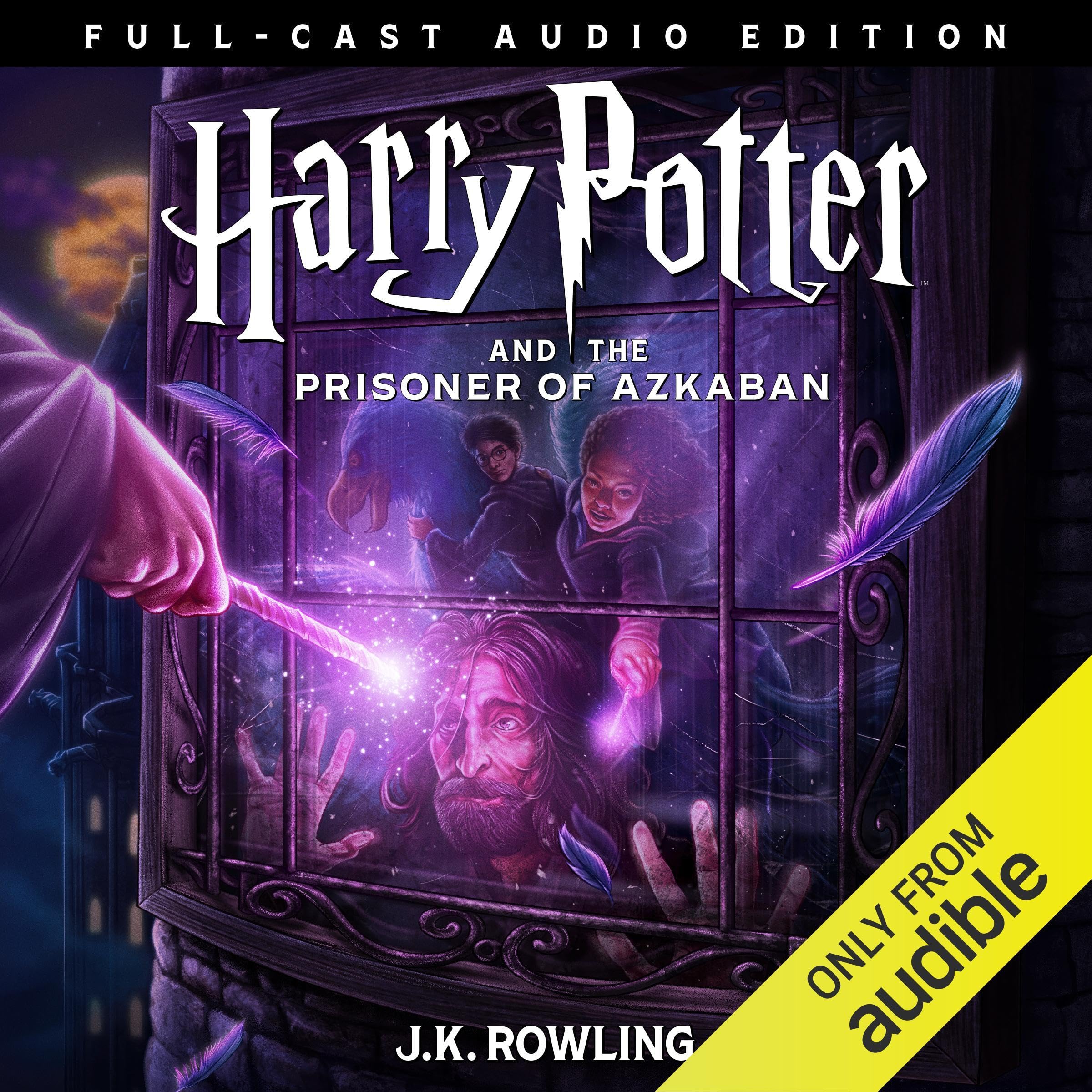
Let's be unequivocally clear: the enduring obsession with J.K. Rowling's Harry Potter series isn't truly born from the whimsical innocence of its initial installments. No, the magic that hooks readers and demands an immediate, breathless binge of the entire seven-book epic begins precisely with Harry Potter and the Prisoner of Azkaban. This isn't just another book in the series; it's the seismic shift, the narrative linchpin that transforms a charming children's tale into a sprawling, darker, and utterly addictive literary phenomenon. The first two books? Charming, yes. But Azkaban is where the real wizardry begins, where the stakes solidify, and where the world expands into the rich, complex tapestry that makes the full series an undeniable binge-read for May 2026.
Why Binge the Harry Potter Series Right Now?
- The Transformative Power of Azkaban: Discover how the third book pivots the series into mature storytelling.
- Unpacking the World-Building Evolution: See how the magical universe deepens, foreshadowing the grander conflict.
- Character Arcs That Demand Resolution: Explore how Azkaban elevates character complexity, driving the need to read on.
- Dispelling 'Early Book' Hype: Understand why prior installments, while foundational, don't define the series' true binge appeal.
The Darkening Tone: From Whimsy to Weight

Before Azkaban, the threats in Harry's world were largely contained, almost episodic. A troll in the dungeon, a diary possessing students. These were serious, yes, but they lacked the pervasive dread that Prisoner of Azkaban masterfully introduces. The Dementors, those soul-sucking wraiths, aren't just a plot device; they're a physical manifestation of trauma, forcing Harry to confront his deepest fears and past sorrows head-on. This isn't just about winning a Quidditch match; it's about survival, about understanding the insidious nature of fear and despair. The introduction of Sirius Black, a supposedly dangerous mass murderer, wraps the narrative in a cloak of suspicion and moral ambiguity. Suddenly, the black-and-white world of good and evil warps, forcing both Harry and the reader to question appearances and motives. This darkening, more psychologically complex landscape is what sets the stage for the rest of the saga, making it impossible to put down.
World-Building Deep Dive: Beyond the School Walls
Azkaban isn't just a darker book; it's a bigger book. Rowling expands the wizarding world exponentially, not through mere lore dumps, but through organic, plot-driven revelations. The infamous wizard prison, Azkaban itself, becomes a terrifying concept, its very existence underscoring the severity of magical justice. We learn about animagi, about the intricate history of the Marauder's Map, and about Harry's own parents in a way that goes beyond simple nostalgia. This isn't just about Hogwarts anymore; it's about the broader magical society, its hidden histories, and its enduring prejudices. Every new detail in Prisoner of Azkaban feels like a crucial puzzle piece, building a world so rich and interconnected that you have to keep reading to see how it all fits together in the grand scheme. It's the moment the series transitions from a localized adventure to a truly epic saga.
Dismantling the Counterarguments
Some might argue that the foundational charm of Philosopher's Stone or the escalating mystery of Chamber of Secrets are what make the series essential. While commendable for their introductions, these books, in retrospect, feel like extended prologues. They're necessary groundwork, but they don't possess the narrative drive that makes a multi-volume series truly addictive. Others point to Goblet of Fire as the true turning point, with its international scope and the return of Voldemort. While grand in scale, Goblet of Fire, as we've discussed, often suffered from narrative bloat. Azkaban, however, achieves its elevated status with surgical precision, a taut, emotionally resonant plot that never wastes a word. It's the perfect balance of intricate plotting, character development, and rising stakes, all delivered with an efficiency that Goblet of Fire sometimes lacked.
The Inevitable Binge Factor
The true mark of a binge-worthy series is its ability to create an insatiable hunger for the next installment. Harry Potter and the Prisoner of Azkaban is where this hunger truly ignites. The moral complexities, the deepening character relationships, the unfolding mysteries surrounding Harry's past and destiny – they all combine to form an irresistible force. Once you've navigated the emotional labyrinth of Azkaban, the subsequent books become not just desirable, but utterly necessary. You're no longer simply reading about Harry; you're living his journey, desperate to uncover the next secret, to witness the next confrontation, and to see how this meticulously crafted world finally resolves its epic conflict. This is why, for an essential book series binge this May 2026, the entire Harry Potter saga, anchored by Azkaban's masterful pivot, remains unparalleled. Like this post if you agree, or even if you just appreciate a critic who isn't afraid to speak the truth!
FAQ
Is the Harry Potter book series completed?
Yes, J.K. Rowling's Harry Potter series is fully completed with seven main novels, concluding with 'Harry Potter and the Deathly Hallows'.
What genres does the Harry Potter series cover?
The Harry Potter series primarily falls under fantasy and young adult fiction, but it also incorporates elements of mystery, adventure, coming-of-age, and even political allegory as the series progresses.
Why is Harry Potter and the Prisoner of Azkaban considered a turning point in the series?
[Harry Potter and the Prisoner of Azkaban](https://hardcover.app/books/harry-potter-and-the-prisoner-of-azkaban) introduces significantly darker themes, more complex character motivations, and expands the wizarding world's history and mythology in ways that elevate the series beyond its initial, lighter tone.