Harry Potter's Early Magic: Stone vs. Secrets Showdown
Forget the hype—we dissect J.K. Rowling's first two wizarding world entries to declare which debut truly cast the stronger spell on readers.
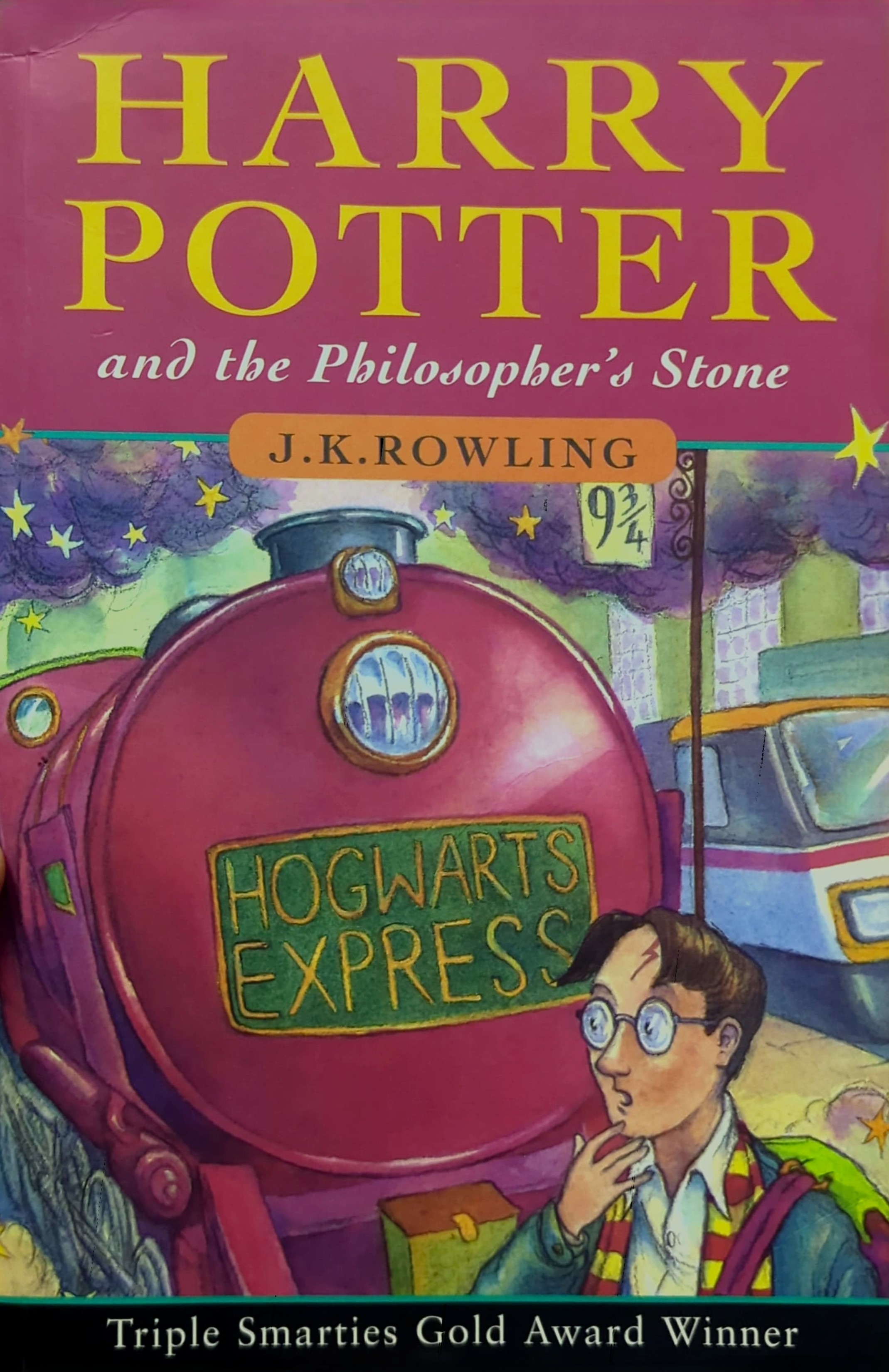
It's 2026, and the wizarding world of Harry Potter still casts an undeniable spell over readers, dominating trending lists year after year. While later books delve into truly grim territory, the foundational magic of the first two installments often gets lumped together as mere setup. Not on Lit-Pop's watch. Today, we're pitting the very beginning, Harry Potter and the Philosopher's Stone, against its immediate successor, Harry Potter and the Chamber of Secrets, in a head-to-head battle for early-saga supremacy. Prepare for unpopular opinions.
Unlocking Early Hogwarts: Stone vs. Secrets Explained
Curious about the critical differences between Harry Potter's first two adventures? Here's what this deep dive covers:
- Groundbreaking World-Building & Atmosphere
- Character Development & Stakes Evolution
- Narrative Pacing and Plot Innovation
- Thematic Resonance & Lasting Impact
- Which book offers the most compelling start to the saga?
The Contenders

Harry Potter and the Philosopher's Stone: The undeniable beginning. J.K. Rowling introduced us to a world of magic, a boy who lived, and the thrilling discovery of Hogwarts. It's an origin story, a comforting hug of enchantment that launched a global phenomenon.

Harry Potter and the Chamber of Secrets: The immediate follow-up. Harry's second year at Hogwarts is marred by dark secrets, petrified students, and a menacing voice. Some have, dare I say, called it the "weakest link" in early Harry Potter—a claim Lit-Pop is here to vehemently dispute. (See: Unpopular Opinion: 'Chamber of Secrets' is the Weakest Link in Early Harry Potter). We're setting the record straight.
Story & Plot Innovation
- Philosopher's Stone: 8/10
- Chamber of Secrets: 9/10
The Philosopher's Stone is a masterclass in world-building disguised as a mystery. Harry's discovery of magic, the sorting ceremony, the introduction to Quidditch—it's all meticulously crafted and utterly captivating. However, the plot, while charming, is relatively straightforward: find the Stone, stop Voldemort. It's a foundational narrative, but one that plays it safe.
Chamber of Secrets, on the other hand, escalates. The mystery is richer, more intricate, and genuinely unsettling. The idea of a hidden chamber and an ancient evil stalking the halls of Hogwarts introduces a deeper layer of menace. The reveal of Tom Riddle's diary and the true nature of the Heir of Slytherin is a narrative coup, a brilliant twist that expands the mythology significantly and directly informs later books. It's not just a standalone adventure; it's a vital piece of the larger puzzle, foreshadowing darker themes to come with far more finesse than its predecessor.
Character Development & Stakes
- Philosopher's Stone: 7/10
- Chamber of Secrets: 9/10
In the first book, Harry, Ron, and Hermione are largely archetypes finding their footing. Harry is the reluctant hero, Ron the loyal sidekick, Hermione the brainy rule-follower. Their journey is one of initial bonding and self-discovery. The stakes, while high, feel personal to Harry and the immediate threat to the Stone.
Chamber of Secrets is where our trio truly begins to evolve. Harry grapples with his Parseltongue ability, fearing he might be more like Voldemort than he cares to admit. Ron's loyalty is tested, and Hermione's intelligence becomes critical, even when she's sidelined. The stakes are no longer just about a magical item; they're about prejudice, fear, and the very lives of Hogwarts students. Ginny Weasley's plight adds a profound emotional weight, transforming her from a shy background character into a central figure of vulnerability and agency. This book bravely pushes characters beyond their initial molds, deepening their flaws and strengths, and setting the stage for the complex relationships that define the series. Even the introduction of Dobby, as annoying as he can be, expands the moral universe of magic to include the oppressed, which is a subtle yet crucial development.
World-Building & Atmosphere
- Philosopher's Stone: 9/10
- Chamber of Secrets: 8/10
No one can deny the sheer brilliance of the world-building in Philosopher's Stone. Diagon Alley, Hogwarts Castle, the sheer concept of a hidden magical world within ours—it's iconic. This book is pure wonder, a glittering introduction that feels simultaneously cozy and vast. It lays the groundwork, solidifying the rules and aesthetics that define the entire saga. It's the moment we all wished our Hogwarts letter would arrive. For a broader look at how this foundation compares, check out our piece on Hogwarts vs. Middle-earth.
Chamber of Secrets takes this established world and introduces an unsettling undercurrent. The atmosphere shifts from wide-eyed wonder to creeping dread. The terror of the basilisk, the whispers in the walls, the chilling discovery of the Chamber itself—it’s an environment steeped in historical malice. While it doesn't build as much as the first book, it deepens the existing world, adding layers of dark history and prejudice that are essential to understanding the later, more morally ambiguous installments. It proves that even in a magical haven, danger lurks, and history repeats itself.
Thematic Resonance & Cultural Impact
- Philosopher's Stone: 8/10
- Chamber of Secrets: 9/10
The Philosopher's Stone introduced themes of good versus evil, friendship, and the power of love. It taught us about courage in the face of fear and the importance of choosing our friends wisely. Its cultural impact is undeniable—it sparked a global phenomenon, bringing a new generation to reading and proving fantasy could be for everyone.
Chamber of Secrets delves deeper, tackling themes of prejudice, classism (Squibs vs. pure-bloods), identity, and the danger of unchecked power and historical hatred. The notion of blood purity, the fear of the
FAQ
Which Harry Potter book is better, Philosopher's Stone or Chamber of Secrets?
While 'Philosopher's Stone' introduces the magical world with unparalleled charm, 'Chamber of Secrets' offers a more complex mystery, deeper character development, and explores darker, more resonant themes, making it the stronger narrative overall.
Why is Harry Potter and the Chamber of Secrets considered important?
'Chamber of Secrets' is crucial for introducing themes of prejudice and blood purity, expanding the mythology of Hogwarts' dark past, and developing key characters like Ginny Weasley and Dobby, all while escalating the series' narrative complexity.