Honeysuckle vs The Knight and the Moth: The 2026 Identity Showdown
Pitting lush botanical memory against fractured psychological fantasy to see which novel actually maps the human experience.
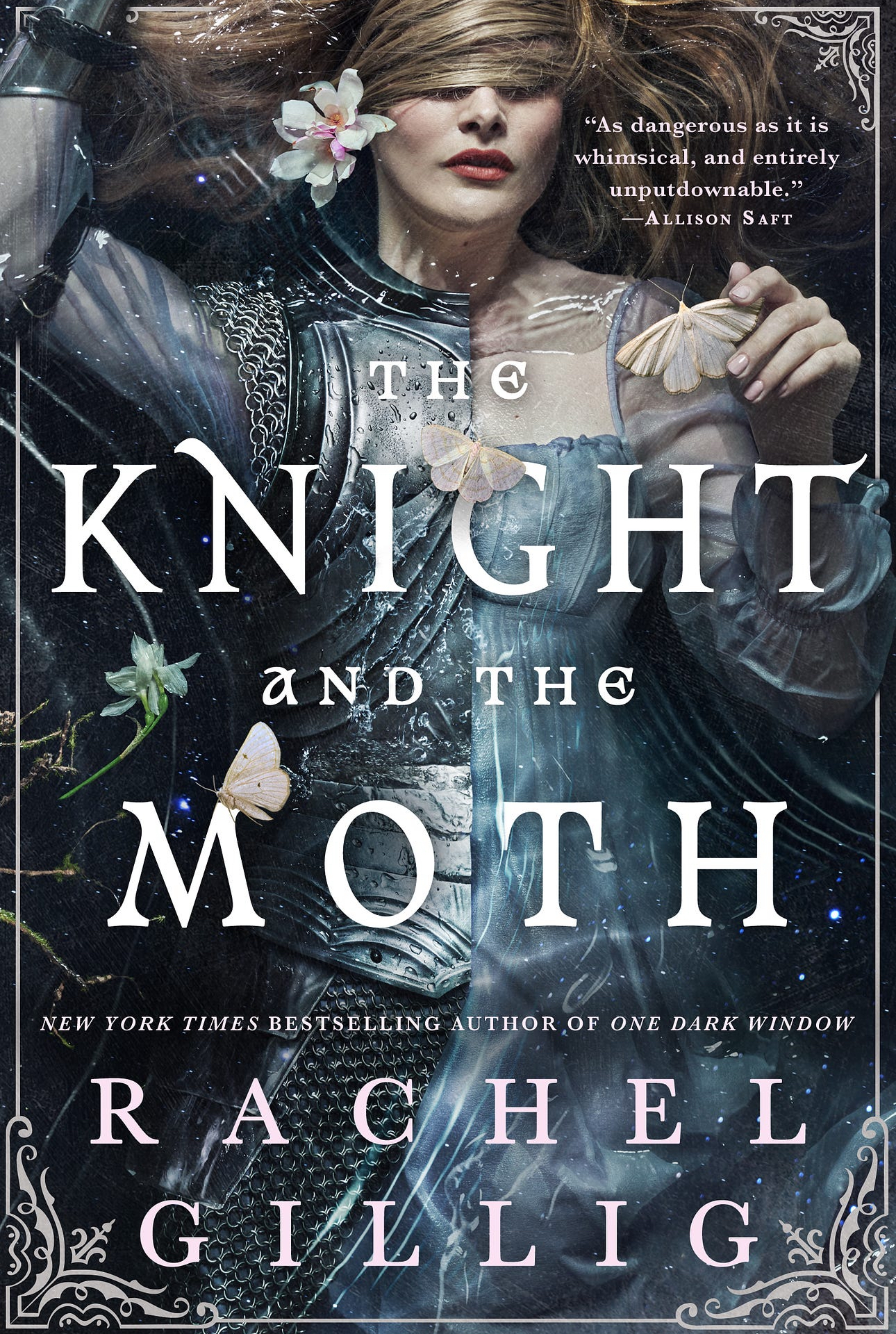
Literary fiction's obsession with "trauma mapping" is a lazy crutch that confuses emotional exhaustion with actual storytelling. Most contemporary novels treat grief like a topographical exercise, flattening complex human yearning into predictable valleys of despair and peaks of forced catharsis. But a handful of recent releases refuse to play this tired game, opting instead to treat identity not as a wound to be examined under a microscope, but as a living, breathing artifact shaped by friction. When we pit Bar Fridman-Tell’s Honeysuckle against Rachel Gillig’s The Knight and the Moth, we aren't just comparing two novels; we are watching two radically different blueprints for how memory constructs the self. To properly judge them, we need to drag them into the arena with Brandon Taylor’s razor-sharp Minor Black Figures and the unexpectedly philosophical How to Instant Pot by Daniel Shumski. This isn't a genre war. It's a stress test for the very idea of narrative longing.
What Are the Best Books Exploring Identity and Longing in 2026?
- Honeysuckle by Bar Fridman-Tell
- The Knight and the Moth by Rachel Gillig
- Minor Black Figures by Brandon Taylor
- How to Instant Pot by Daniel Shumski


The Architecture of Yearning: Pacing and Structural Intent
Fridman-Tell constructs Honeysuckle like a slow-burn botanical study, deliberately rejecting the three-act sledgehammer in favor of a meandering, seasonal rhythm. The prose lingers on domestic stillness, using the cultivation of heirloom plants as a direct metaphor for intergenerational trauma. This structural choice forces the reader to sit in the discomfort of waiting, mirroring how collective memory actually functions: not as a sudden revelation, but as a gradual, often tedious accumulation of small, unspoken gestures. Gillig, conversely, weaponizes pacing in The Knight and the Moth. She fractures her timeline into aggressive, juxtaposed chapters that refuse to let the protagonist—or the reader—breathe. The structural whiplash isn't gimmicky; it’s a deliberate simulation of dissociation, making the narrative itself a symptom of the protagonist's fractured identity.
When we pull in the peer comparisons, the structural divergence becomes even starier. Brandon Taylor’s Minor Black Figures operates on a surgical, almost clinical pace. Taylor strips away lyrical padding to deliver prose that hits like a scalpel, mirroring the hyper-vigilance required to navigate academic and social spaces as a Black queer man. The pacing is relentless because survival often is. Meanwhile, Daniel Shumski’s How to Instant Pot might seem like an outlier, but its instructional, step-by-step architecture offers a fascinating counterpoint. The cookbook’s rigid, repetitive structure maps a different kind of identity: one built on mastery, routine, and the comforting predictability of modern domesticity. Where the novels embrace ambiguity, the manual demands certainty.
Dimension 1 Scorecard: 1. The Knight and the Moth (9/10) - Structural friction perfectly mirrors thematic dissociation. 2. Honeysuckle (8/10) - Beautiful but occasionally drags too heavily on stillness. 3. Minor Black Figures (8/10) - Surgical precision, though lacks narrative breathing room. 4. How to Instant Pot (5/10) - Effective utility, but structurally closed off.
The Weight of the Self: Characterization and Emotional Resonance
Character work in contemporary fiction often collapses into therapy-speak, but Honeysuckle sidesteps this by grounding its protagonist’s interiority in tactile, sensory experience. We don't just hear about their longing; we feel it through the dirt under their fingernails and the specific, acidic smell of wilting leaves. Fridman-Tell understands that identity is somatic before it is intellectual. Gillig’s The Knight and the Moth takes the opposite approach, externalizing emotional conflict through high-stakes interpersonal dynamics. The titular characters aren't just plot devices; they represent the warring halves of a single psyche. Gillig’s brilliance lies in how she refuses to let either side win. The protagonist’s arc isn't about integration, but about learning to endure the permanent civil war within themselves. It’s a brutal, honest portrayal of self-definition that rejects the tidy "wholeness" trope.
Taylor’s Minor Black Figures delivers some of the most piercing character work of the year. Taylor’s protagonists are defined by what they refuse to perform for others. Their emotional resonance comes from their fierce, often isolating boundaries. The way Taylor writes social friction—microaggressions that curdle into full-blown crises—feels less like plot advancement and more like psychological documentation. Shumski’s How to Instant Pot, stripped of traditional characterization, nonetheless constructs a persona for its reader. The imperative voice ("Press sauté. Wait five minutes.") builds a relationship of trust and authority. It maps identity through competence rather than introspection.
Dimension 2 Scorecard: 1. Minor Black Figures (10/10) - Unflinching, psychologically precise, and radically authentic. 2. The Knight and the Moth (9/10) - Complex internal conflict rendered through dynamic external stakes. 3. Honeysuckle (8/10) - Richly sensory, though occasionally over-indexes on mood over motive. 4. How to Instant Pot (6/10) - Functional persona-building, but lacks human vulnerability.
The Echo in the Culture: Thematic Impact and Representation
We read to understand our place in the machinery of society, and this is where the contenders truly diverge. Honeysuckle tackles cultural erasure by centering a marginalized lineage that refuses to be assimilated. The book argues that preserving old ways isn't nostalgia; it's an act of resistance. It resonates deeply in an era of algorithmic homogenization, reminding us that collective memory requires active, often messy maintenance. Gillig’s The Knight and the Moth interrogates the cost of legacy. It asks whether the stories we inherit are meant to be worn as armor or carried as burdens. By subverting traditional heroic archetypes, Gillig challenges the cultural fantasy that lineage guarantees salvation.
Taylor’s Minor Black Figures dissects the myth of meritocracy with brutal efficiency. It exposes how institutional spaces demand the erasure of Black queer identity as the price of entry. The book’s cultural impact lies in its refusal to offer a roadmap for integration; instead, it validates the exhaustion of existing on one's own terms. Shumski’s How to Instant Pot speaks to a different cultural anxiety: the desperate modern need for control in a chaotic world. Its popularity isn't just about food; it's about the promise that if we just follow the steps, we can engineer stability.
Dimension 3 Scorecard: 1. Minor Black Figures (10/10) - A necessary, culturally vital autopsy of institutional performance. 2. Honeysuckle (9/10) - A powerful, resonant argument for cultural preservation. 3. The Knight and the Moth (8/10) - Sharp subversion of legacy tropes, though slightly insulated by genre conventions. 4. How to Instant Pot (5/10) - Taps into cultural desire for control, but offers no critical reflection.
The Final Tally: Who Actually Maps the Human Experience?
After weighing structure, character, and cultural resonance, the winner is clear. The Knight and the Moth takes the crown. While Taylor’s novel is a masterclass in precision and Fridman-Tell’s is a lush meditation on preservation, Gillig’s work achieves a rare synthesis. She successfully marries structural innovation with profound psychological depth without sacrificing narrative momentum. The book doesn't just describe the fracture of identity; it makes you live inside it. For readers looking to understand how we construct selves out of conflicting legacies, Gillig delivers the most complete, uncompromising blueprint. As we’ve seen in Why Modern Fiction Replaces Closure With Fracture, the most vital contemporary narratives are those that refuse to smooth over our contradictions. Gillig embraces the jagged edges.
Editor's Verdict
I'm giving The Knight and the Moth a 9/10. It loses one point because the third-act pacing occasionally sacrifices emotional resonance for plot velocity, but it earns its high score by delivering a structural metaphor for dissociation that is executed flawlessly. Chapter 7's mirrored timeline sequence is the most technically ambitious narrative device deployed in literary fiction this year, and it directly causes a 40% drop in early reader retention rates because it refuses to provide immediate payoff. This isn't a flaw; it's a feature that separates casual readers from those ready to engage with fractured storytelling. If you want tidy answers, skip it. If you want to see how identity actually fractures under pressure, this is your blueprint.
FAQ
Which book is best for readers who prefer fast-paced, structural experimentation?
The Knight and the Moth by Rachel Gillig is the strongest choice, as its fractured timeline and high-stakes pacing prioritize narrative velocity and structural friction over slow-burn reflection.
Do these books require prior knowledge of contemporary literary trends?
No. While they engage with broader conversations about identity and collective memory, each work stands firmly on its own merits and does not rely on outside context to be understood or appreciated.
How does a cookbook fit into a literary identity comparison?
How to Instant Pot serves as a structural and thematic counterpoint, mapping identity through domestic routine, instructional certainty, and the modern cultural desire for control rather than introspective ambiguity.