Adaptation Nation: Why Faithfulness Isn't What We Crave Anymore
From Project Hail Mary's cinematic leap to Dune's epic vision, audiences are demanding something deeper than page-for-page fidelity. It's about capturing the soul.
We live in an era awash with adaptations, where every beloved tome, graphic novel, and fan-fiction sensation is earmarked for the silver screen or a streaming marathon. But the tired old debate about "faithfulness" to the source material? That's as antiquated as a flip phone. Today's sophisticated audiences aren't just looking for a carbon copy of the book; they're demanding a visionary translation that understands the spirit of the story, even if it means forging a new path. It’s a cultural shift from literal transcription to inspired interpretation, acknowledging that film and literature are distinct beasts that demand different narrative strategies.
Navigating the Book-to-Screen Minefield: What Makes a Great Adaptation?
As the adaptation machine churns on, creators face immense pressure. Here's what we're seeing define success in this tricky landscape:
- The Nuance of "Fidelity": It's less about dialogue verbatim and more about emotional and thematic truth.
- The Project Hail Mary Challenge: How an internal, witty narrative finds external, cinematic life.
- Learning from Dune's Triumph: Crafting a visual and atmospheric masterpiece that honors the original's scale and tone.
- The Harry Potter Retelling: The immense pressure and unique opportunities of revisiting a cultural touchstone with fresh eyes.
- Audience Evolution: What modern viewers truly expect from their beloved stories on screen.
Project Hail Mary: Capturing Inner Genius on the Big Screen

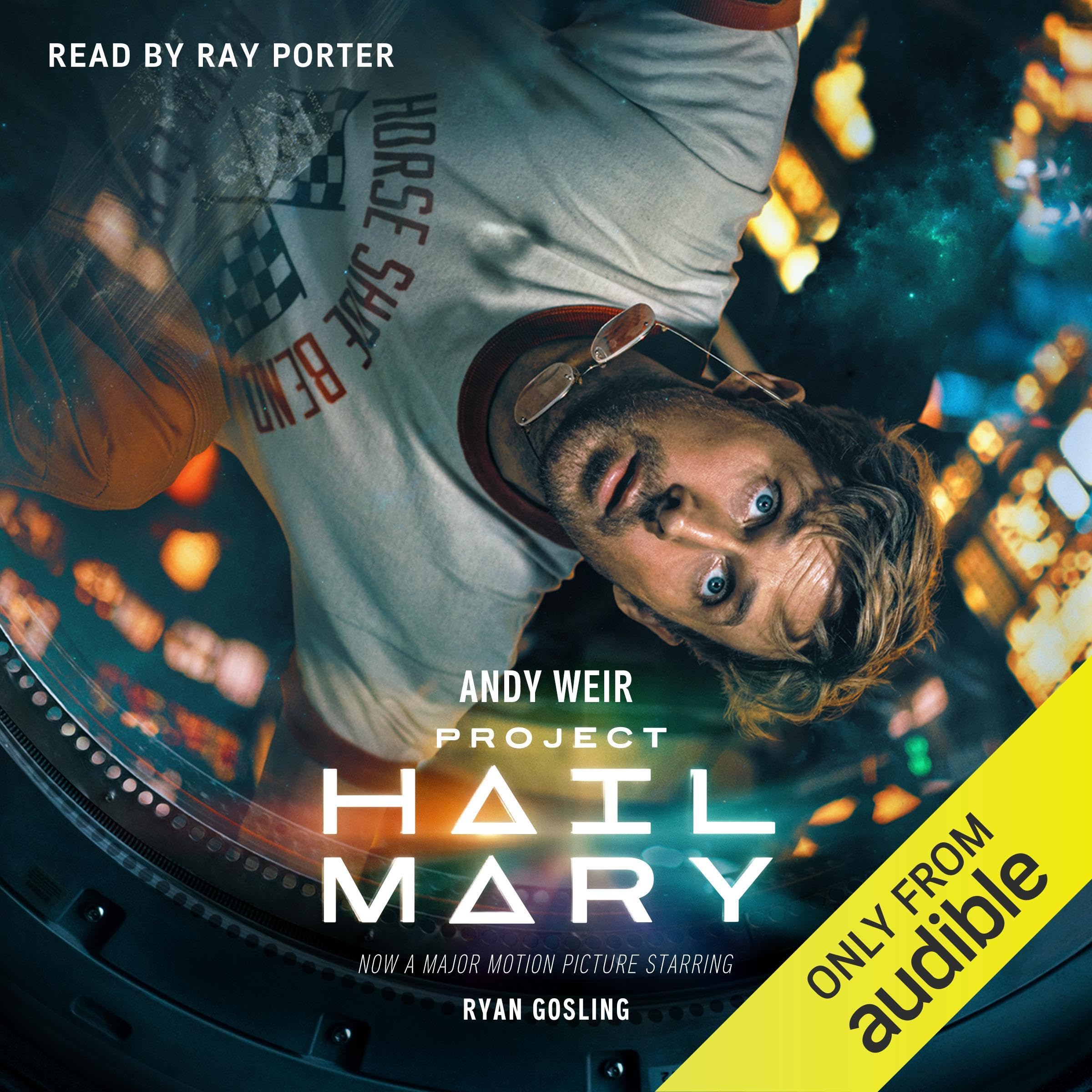
Perhaps no upcoming adaptation embodies this cultural tightrope walk more perfectly than the film version of Andy Weir's utterly brilliant Project Hail Mary. This isn't just a book; it's a triumph of internal monologue, a scientific procedural wrapped in a hilarious, heartwarming space odyssey. Ryland Grace's journey is defined by his ingenious problem-solving, his sardonic wit, and his unique, often solitary, interactions. The challenge for Ryan Gosling, who's attached to star, and the filmmaking team isn't merely to depict the plot points – the spinning ship, the alien friend, the existential threat – but to translate Grace's mind to the screen. How do you visually represent complex scientific deductions that happen entirely within a character's head without resorting to endless voiceovers or clunky exposition? The success of this Project Hail Mary movie hinges not on slavishly recreating every line of dialogue, but on capturing the book's singular tone: its blend of high-stakes science, relentless optimism, and profound companionship. This demands a creative vision that understands the novel's essence, not just its events.
The Dune Standard: Vision Over Verbatim
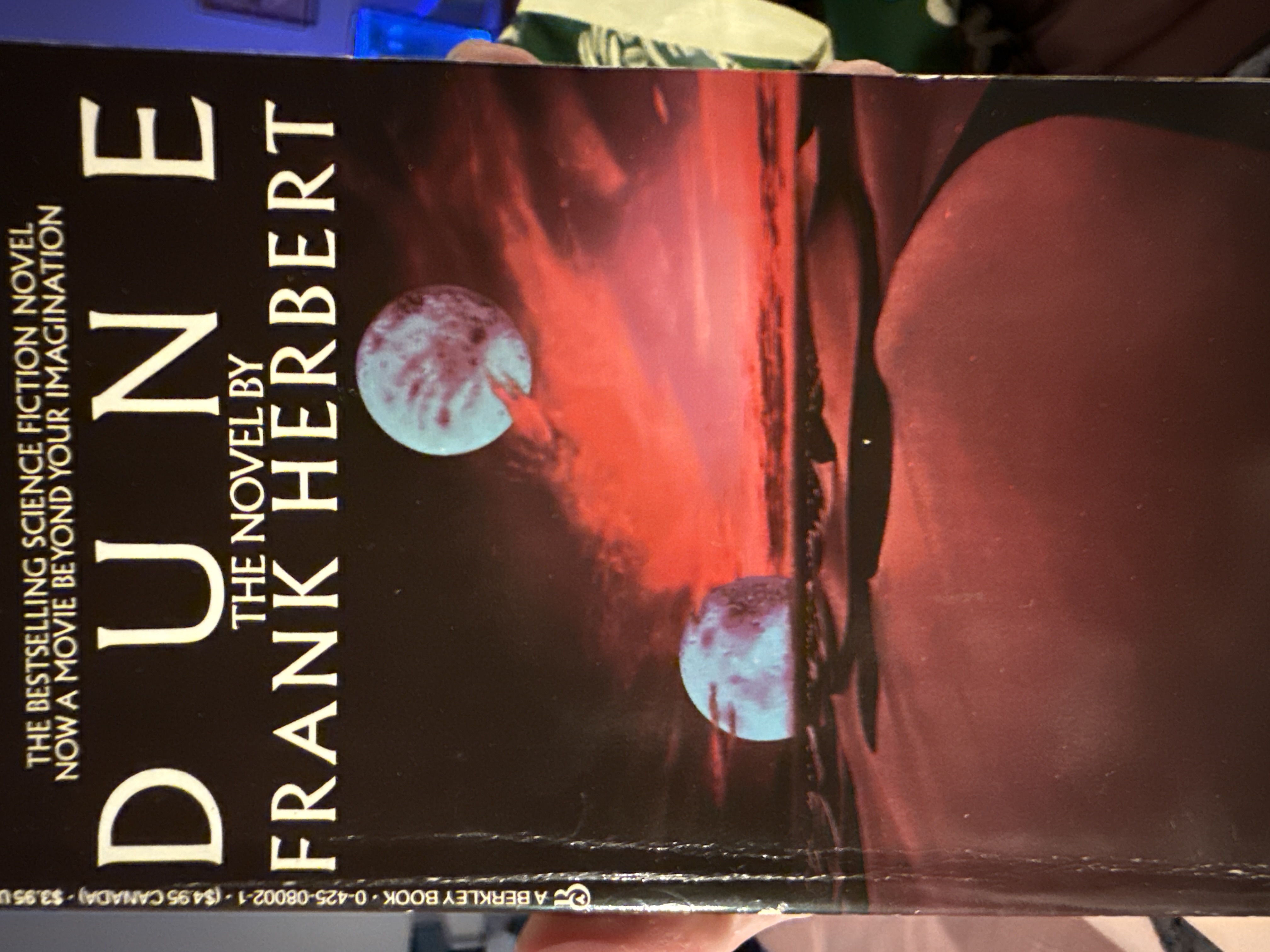
For a masterclass in this philosophy, look no further than Denis Villeneuve's recent Dune films. Frank Herbert's epic novel is notoriously dense, a sprawling tapestry of politics, ecology, and messianic prophecy. Past adaptations often stumbled by trying to cram too much onto the screen, losing the forest for the sandworms. Villeneuve, however, understood that a direct translation was a fool's errand. Instead, he distilled Herbert's sprawling narrative into a breathtaking cinematic experience, prioritizing mood, atmosphere, and the sheer, overwhelming scale of Arrakis. His films aren't always line-for-line faithful, but they are profoundly true to the source material's philosophical weight and visual grandeur. He understood the assignment: make a Dune movie, not a filmed version of the book. This commitment to cinematic vision, even at the cost of some narrative compression, is precisely why audiences embraced it, proving that respecting the source means understanding its soul, not just its skeleton. For more on the literary foundation, check out Foundational Debuts: Herbert's Dune Battles Tolkien's Hobbit.
Harry Potter's Next Generation: A Full Retelling's Peril and Promise
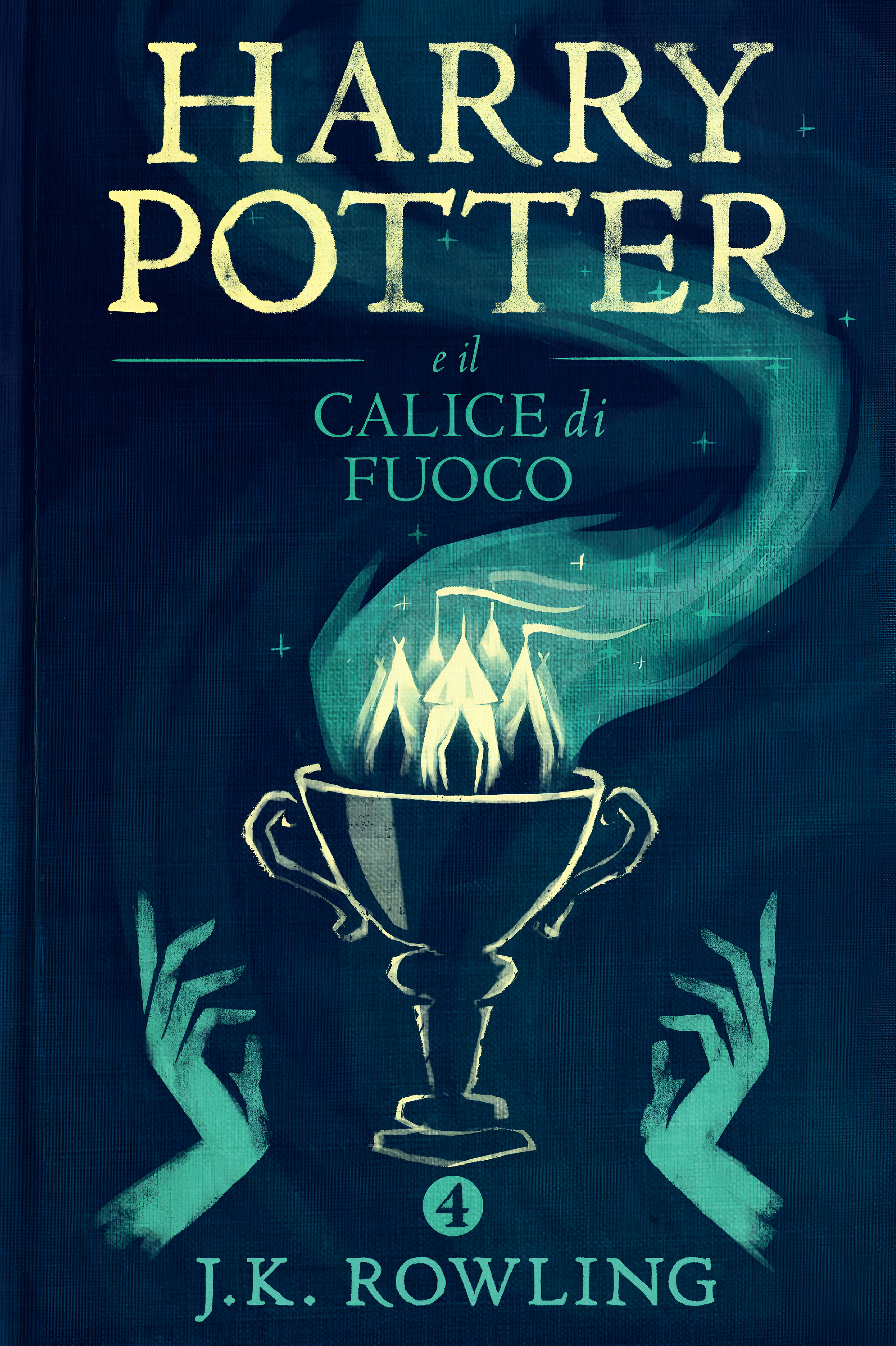
Now, contrast this with the impending HBO Max Harry Potter series, which aims to adapt each book over a season. This undertaking is less about interpretation and more about expansion. The original films, while beloved, necessarily condensed significant portions of J.K. Rowling's intricate world. This new series promises a more thorough, detailed retelling, allowing for subplots, character arcs, and world-building elements previously omitted. The pressure here isn't just to be good, but to be better or, at least, more complete. Audiences aren't seeking a new take on the material as much as they're craving deeper immersion, a chance to fully inhabit the wizarding world they adore. It speaks to a desire for exhaustive storytelling, a hunger to revisit a cherished comfort with fresh eyes and the luxury of time. This shows a different facet of the adaptation landscape: the demand for total immersion, where fidelity means completeness rather than just capturing a feeling. Dive deeper into the early magic with Harry Potter's Early Magic: Stone vs. Secrets Showdown.
The Evolving Demands of the Screen-Savvy Audience
What does this all tell us about audiences in 2026? We're no longer passive consumers. We're critics, theorists, and often, highly opinionated co-creators in our heads. We understand the limitations and opportunities of different mediums. We want the visceral thrill of cinema married to the depth of literature. This means the best adaptations aren't just translating words to images; they're translating experience. They're not afraid to take risks if those risks serve the core narrative and emotional truth. They respect the intelligence of their audience, trusting them to appreciate a vision rather than demand a photocopy. The era of the slavishly faithful, yet ultimately lifeless, adaptation is (thankfully) fading.
The Future Is Bold, Not Literal
Moving forward, the successful book-to-screen adaptations will be those that embrace their medium with unbridled creativity. They'll recognize that the true art lies in finding the cinematic equivalent of a literary experience, rather than simply mimicking it. Expect more audacious interpretations, more visionary directors willing to take big swings, and a continued push for depth that goes beyond the superficial. The battle isn't over fidelity; it's over vision, and only the boldest will truly conquer the hearts of readers and viewers alike.
FAQ
Is the Project Hail Mary movie still in production?
Yes, the film adaptation of Andy Weir's 'Project Hail Mary' is actively in development, with Ryan Gosling attached to star and produce. Its release date is yet to be announced.
Will the new Harry Potter series on HBO Max be a direct remake of the original movies?
No, the upcoming HBO Max series is intended to be a fresh adaptation of J.K. Rowling's books, aiming for a more comprehensive and detailed retelling, with each season covering one book. It will feature a new cast and creative team.
What makes an adaptation successful if not strict faithfulness to the book?
Successful adaptations prioritize capturing the core themes, emotional resonance, and spirit of the source material. They use the unique strengths of the visual medium (cinematography, sound design, acting) to translate the book's essence, rather than attempting a literal, often cumbersome, page-for-page recreation.