Orwell's Dystopian Showdown: 1984 vs. Animal Farm
George Orwell's twin masterworks of totalitarian critique go head-to-head. Which chilling vision of control reigns supreme in 2026?
Forget the endless debates about which contemporary thriller is 'dystopian' enough; the true titans of oppressive futures were penned by one man: George Orwell. His two most famous works, 1984 and Animal Farm, remain disturbingly relevant, especially in April 2026. Both are unflinching dissections of political control, surveillance, and propaganda, but they approach these themes with vastly different narrative styles and targets. It’s time to settle which of Orwell’s chilling warnings resonates most profoundly today.
Unpacking Orwell's Dystopian Genius
For readers delving into the enduring power of classic dystopian fiction, this article offers a sharp comparison:
- A deep dive into the narrative genius of 1984.
- An analysis of the allegorical brilliance of Animal Farm.
- A head-to-head evaluation of their thematic impact and storytelling prowess.
- Our definitive verdict on which Orwellian masterpiece truly captures the zeitgeist.
The Contenders
1984
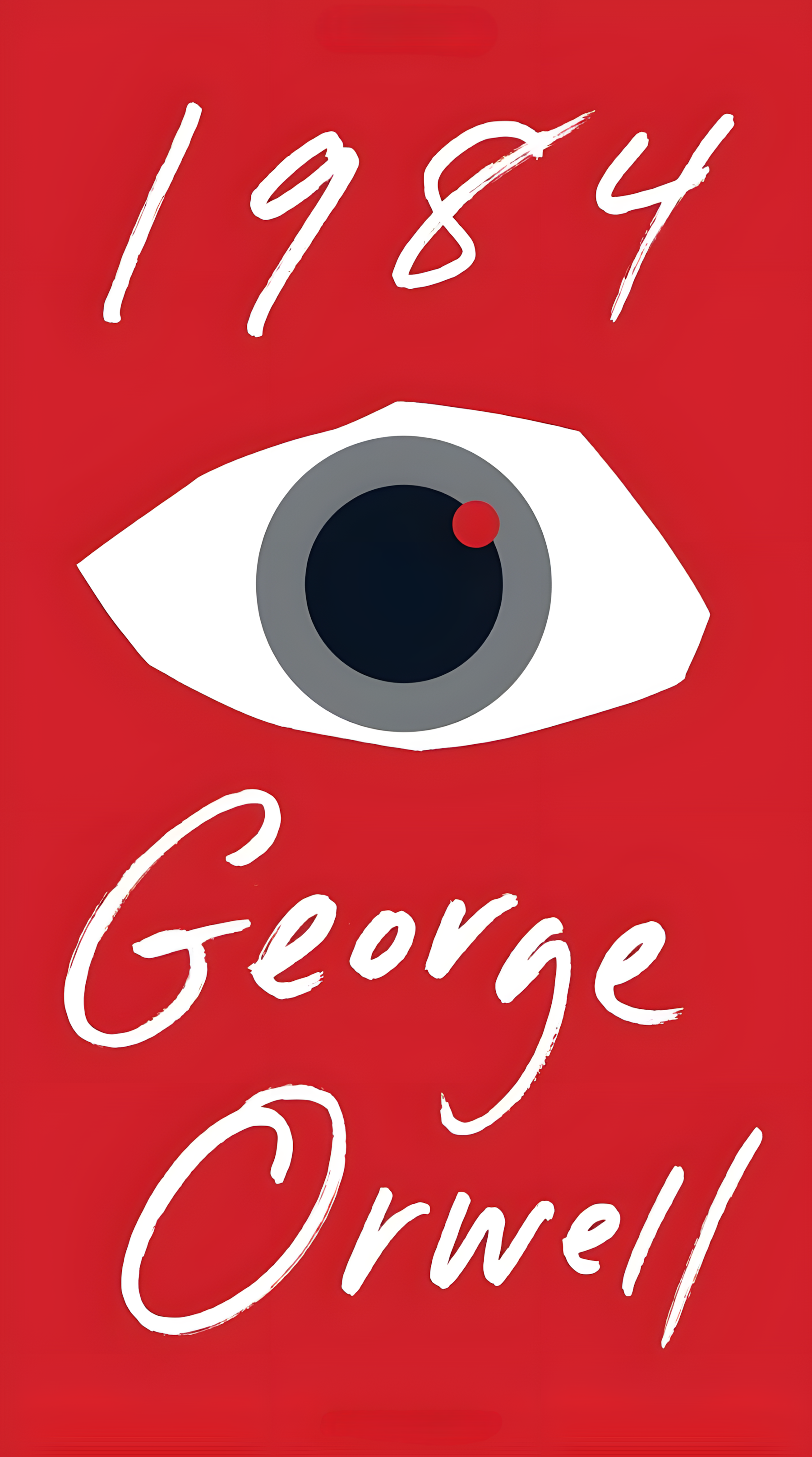
 First published in 1949, 1984 is the quintessential totalitarian nightmare. Winston Smith’s struggle against the all-seeing Big Brother, the Ministry of Truth, and the insidious Doublethink has become synonymous with state oppression. It’s a stark, psychological journey into a world where reality itself is mutable, and even thought is criminal. This isn't just a book; it's a cultural benchmark for surveillance states and propaganda, a fact we explored in our recent piece, Big Brother's Enduring Glare: Why Orwell's 1984 Still Haunts Us.
Animal Farm
 Released in 1945, Animal Farm takes a radically different approach. This satirical allegorical novella depicts a group of farm animals rebelling against their human farmer, hoping to create a society where all animals are equal, free, and happy. Instead, they fall under the tyrannical rule of the pigs, particularly Napoleon, who perverts the revolution's ideals into a brutal dictatorship. It's a fable of political corruption, betrayal, and the cyclical nature of power.
Head-to-Head Showdown
Story & Structure: Intimate Terror vs. Broad Allegory
1984: 9/10 Orwell's narrative in 1984 is a slow-burn descent into psychological horror. Its strength lies in the intensely personal journey of Winston Smith, making the reader feel every creeping fear, every desperate hope. The structure is meticulous, building a suffocating atmosphere that culminates in O'Brien's chilling exposition in the Ministry of Love. It's a masterclass in immersive, first-person dread, dissecting the machinery of oppression from the inside out.
Animal Farm: 8/10 Animal Farm operates on a different plane entirely. Its allegorical structure is brilliant, mapping real-world historical events (the Russian Revolution) onto the lives of farm animals. The narrative is concise, biting, and relentlessly logical in its depiction of political decay. While less emotionally immersive than 1984, its directness and satirical wit make it a powerful, easily digestible critique. It doesn't waste a single word.
Character & Voice: Human Despair vs. Symbolic Archetypes
1984: 9/10 Winston Smith is one of literature's most memorable protagonists – a flawed, relatable everyman whose internal rebellion defines his humanity. Julia offers a pragmatic counterpoint, while O'Brien is arguably one of the most terrifying antagonists ever conceived, personifying the cold, intellectual cruelty of the Party. Their interactions are the pulsing heart of the novel, giving a human face to existential terror.
Animal Farm: 7/10 The characters in Animal Farm are archetypes, which serves the allegory but limits their individual depth. Napoleon, Snowball, Boxer, and Squealer are brilliantly drawn representations of historical figures and social classes, but they are not people in the way Winston is. Their purpose is symbolic, not emotional, which can make them feel less like companions and more like well-crafted tools in Orwell's arsenal. For a deeper look at its power, compare it to other dystopian YA in our piece, Ditch District 12: Your Weekend Reads Deserve More Than The Hunger Games.
Enduring Thematic Impact: Surveillance State vs. Revolutionary Betrayal
1984: 10/10 1984's themes of surveillance, thought control, revisionist history, and psychological manipulation are not just enduring; they are increasingly relevant. The concepts of 'Big Brother,' 'Thought Police,' 'Newspeak,' and 'Doublethink' have permeated our lexicon for a reason. Its warnings against unchecked power and the erosion of objective truth feel chillingly prophetic in today's digital age. It's a perennial book club champion for a reason, as we noted in April 2026's Book Club Champion: 1984 Dominates Our Scorecard.
Animal Farm: 9/10 While rooted in a specific historical context, the themes of Animal Farm are universal: the corruption of revolutionary ideals, the dangers of charismatic leadership, the manipulation of the masses, and the insidious creep of authoritarianism. Its brilliance lies in its ability to distil complex political theory into a simple, unforgettable narrative. It’s a stark reminder that power, once seized, is rarely relinquished for the common good.
Accessibility & Readability: The Gauntlet vs. The Fable
1984: 7/10 1984 is a challenging read. Its bleak atmosphere, dense philosophical discussions, and graphic depictions of torture (looking at you, Room 101) demand mental fortitude. While essential, it's not a light read. Its power comes from its discomfort, but that discomfort can be a barrier for some readers.
Animal Farm: 9/10 Animal Farm, by contrast, is remarkably accessible. Its fable-like structure and relatively short length make it an ideal introduction to political satire and dystopian literature. It's often assigned in schools for good reason: its message is clear, its narrative engaging, and its impact undeniable, even for younger readers.
The Verdict: One Dystopia to Rule Them All
While both of George Orwell's masterpieces are essential reading, a winner must be declared. Animal Farm is a brilliant, incisive allegory that delivers its message with surgical precision and remarkable accessibility. However, 1984 transcends allegory. It is a terrifyingly intimate, psychologically devastating exploration of what happens when power is absolute, and truth is obliterated. Its concepts have become fundamental lenses through which we understand modern society. It's not just a warning; it's a blueprint of fear that continues to unfold around us. 1984 emerges as the superior, more profoundly unsettling, and ultimately more prescient work. Its deep dive into the human psyche under total oppression ensures its spot as the reigning champion of dystopian literature, now more than ever.
FAQ
What are the main differences between 1984 and Animal Farm?
1984 is a psychological dystopian novel focusing on individual resistance against an omnipresent surveillance state, while Animal Farm is a satirical allegory depicting the corruption of a revolutionary ideal through farm animals, reflecting historical events like the Russian Revolution.
Which George Orwell book is more relevant today?
While both remain highly relevant, 1984's themes of surveillance, thought control, and the manipulation of truth often feel more directly applicable to contemporary digital society and political discourse.
Is Animal Farm suitable for younger readers?
Yes, due to its fable-like structure and concise narrative, Animal Farm is often introduced to younger readers (middle school/early high school) as an accessible entry point to political allegory and dystopian themes, despite its dark subject matter.