Lost Lambs: The Misunderstood Genius of Rural Dread
Madeline Cash's 'Lost Lambs' isn't just another psychological thriller; it's a visceral, unsettling masterclass that defies easy categorization and elevates the genre.
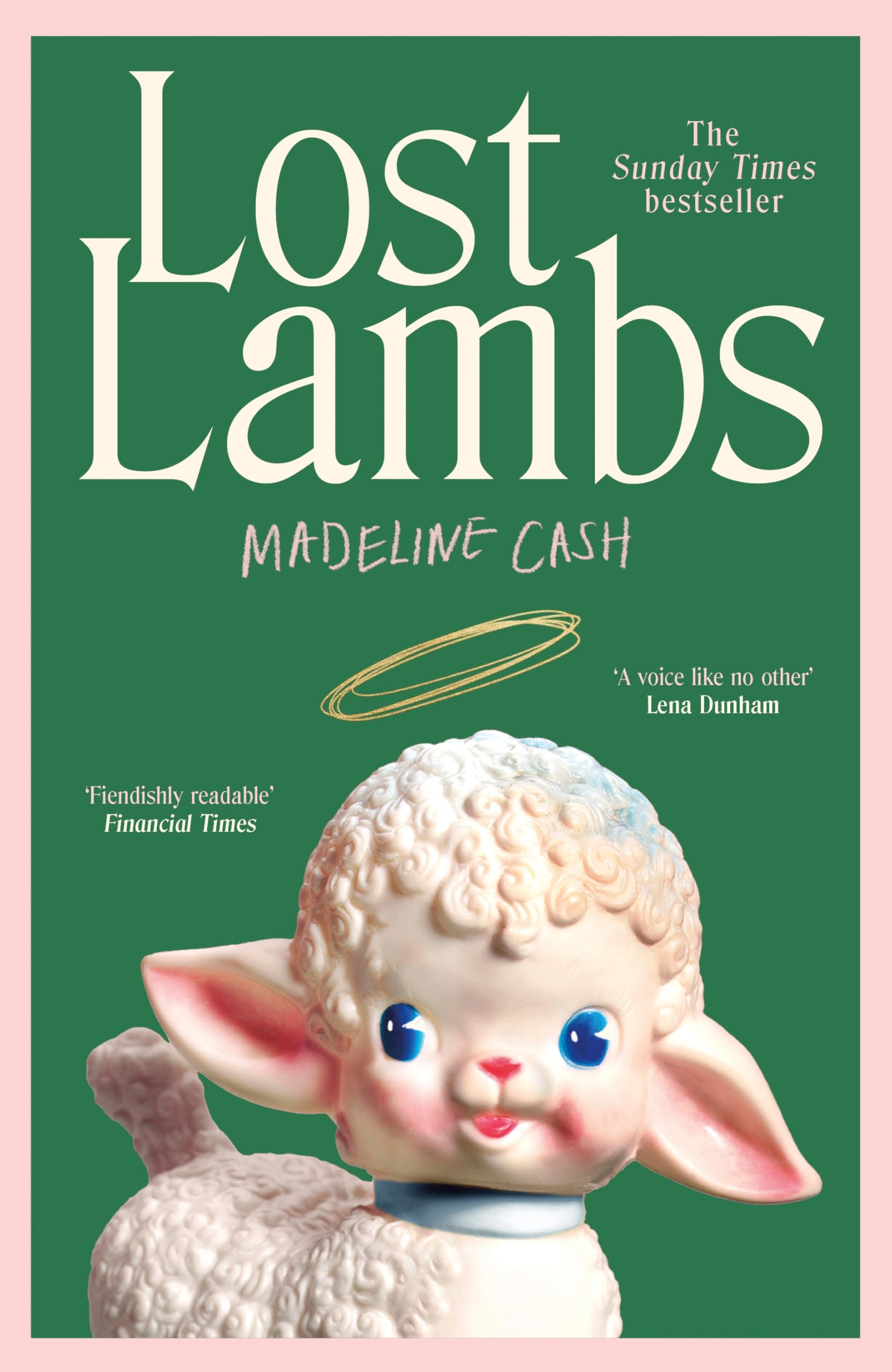
In an era saturated with psychological thrillers vying for the most shocking twist, it's easy for truly innovative work to get lost in the shuffle. Madeline Cash's Lost Lambs is not just another addition to the bookshelf; it's a primal scream wrapped in literary dread, a book so profoundly unsettling that to categorize it merely as a 'thriller' feels reductive, almost insulting. While readers clamor for the instant gratification of a Freida McFadden reveal, Cash dares to delve into the slow-burn horror of the human psyche, exposing a raw, rural gothic landscape that is far more disturbing than any last-page surprise.

Beyond the BookTok Hype: Why 'Lost Lambs' Stands Apart
Many psychological thrillers promise a mind-bending experience, but few deliver with the unflinching intensity of Lost Lambs. This isn't a book designed for a quick read-and-forget; it demands your full attention, your discomfort, and your willingness to confront the genuinely grotesque aspects of human nature and isolated communities. Here's what makes it an essential, if often misunderstood, read in April 2026:
- Atmosphere as Antagonist: Cash masterfully crafts an oppressive sense of place, where the desolate rural setting becomes as menacing as any human antagonist.
- Psychological Disintegration, Not Plot Twists: The real horror lies in the characters' unraveling minds, a far cry from the manufactured surprises common in mainstream thrillers.
- Literary Depth in a Genre Landscape: It transcends typical genre boundaries, offering prose and thematic complexity rarely seen in books marketed solely for their suspense.
- A Unique, Visceral Read: This isn't a book you merely read; it's a book you experience, leaving a lingering, unsettling residue long after the final page.
The Allure of the Formulaic: Why We Miss the Point
The current publishing landscape is awash with what I'd call 'assembly-line thrillers.' You know the type: unreliable narrators, a dead body, a few red herrings, and a twist so meticulously telegraphed you see it coming from a mile away. Authors like Freida McFadden, while undeniably popular, often operate within this predictable framework. Her latest, Dear Debbie, like many of her predecessors, offers a serviceable, if unchallenging, ride. For a deeper dive into this phenomenon, check out our piece on Dave vs. McFadden: Which BookTok Thriller Truly Delivers?.
But Lost Lambs rejects this commercialized comfort. Cash isn't interested in playing fair with her readers by scattering clues for a clever solution. Her narrative is a slow, suffocating plunge into the bleak heart of a forgotten America, where violence simmers beneath the surface and madness takes root in silence. The characters aren't merely pawns in a mystery; they are broken, desperate people whose psychological disintegration is the true horror.
Dismantling the 'Twist' Obsession
Some might argue that without a shocking twist, a psychological thriller falls flat. To them, I say they're missing the forest for the trees. The pervasive obsession with the
FAQ
What kind of book is Madeline Cash's Lost Lambs?
'Lost Lambs' is best described as a literary psychological horror novel with elements of rural gothic. It prioritizes atmospheric dread and character study over conventional plot twists.
How does Lost Lambs differ from other popular psychological thrillers?
Unlike many popular thrillers that rely on intricate plots and shocking reveals (like those by Freida McFadden or Alice Feeney), 'Lost Lambs' focuses on the slow psychological unraveling of its characters and a pervasive sense of dread, making the setting and internal struggles central to its horror.