Narrative's Enduring Threads: Weaving Identity and Connection
From the profound solace of shared experience to the anarchic joy of collaborative play, how do the stories we tell, and the ones we absorb, fundamentally define who we are and the connections we forge in an increasingly fragmented world? The answer lies not just in grand epics, but in the quiet, in
How do the stories we tell, and the ones we absorb, fundamentally define who we are and the connections we forge in an increasingly fragmented world? The answer lies not just in grand epics, but in the quiet, insistent narratives of everyday humanity, reshaping our understanding of identity and empathy. As we navigate the complex currents of the mid-2020s, with its paradoxes of hyper-connectivity and profound loneliness, our engagement with storytelling, whether through the pages of a beloved novel or the simple act of filling in a Mad Lib, reveals a deeper, more primal human need: to make sense of ourselves and our place within the grand, bewildering tapestry of existence. Stories are not merely entertainment; they are the very infrastructure of our understanding, dictating how we grieve, how we love, and how we imagine a future. This isn't a new phenomenon, but the forms these narratives take, and the way we engage with them, continue to evolve, reflecting our deepest cultural anxieties and desires. What's trending in literature right now isn't just a list of popular titles; it's a diagnostic of our collective soul.
Unraveling the Architecture of Human Experience Through Story
Our current literary landscape is rich with narratives that dissect the human condition from various angles. This piece delves into:
- The transformative power of individual journeys: How one man's story reshapes a community.
- The silent burdens of family legacies: The weight of unspoken truths across generations.
- The enduring impact of crafted empathy: How cultural icons shape our moral narratives.
- The joy of co-creating meaning: When readers become active participants in the narrative.
The Quiet Architects: Crafting Worlds Through Personal Mythologies
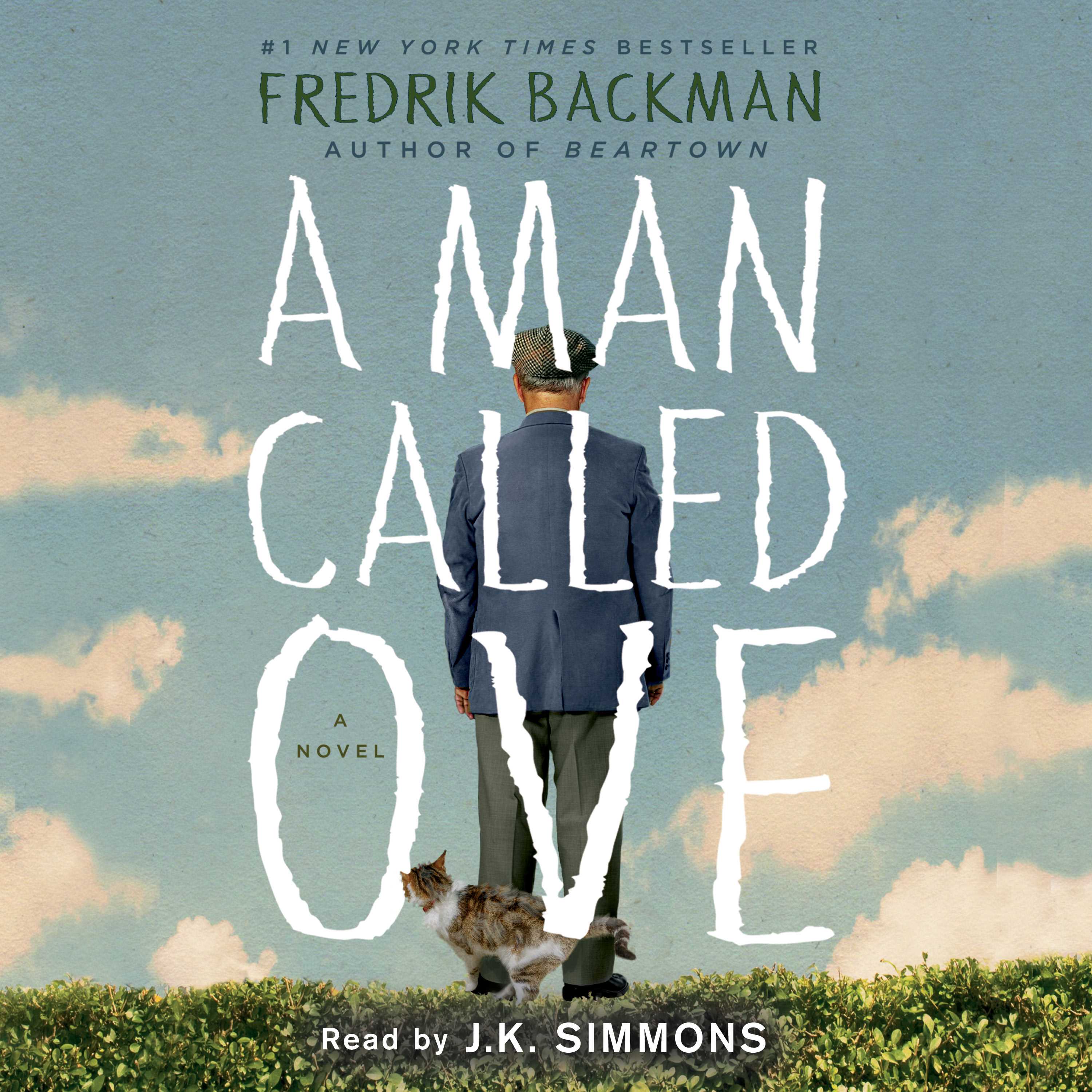
At the heart of our collective yearning for meaning are the deeply personal narratives that resonate with universal truths. Fredrik Backman's A Man Called Ove stands as a towering testament to this phenomenon. It’s more than a "grumpy old man" trope; it's an autopsy of grief, a meticulous deconstruction of a life built on rigid principles, and a slow, painful excavation of a love so profound it threatens to break the protagonist, Ove, long after its physical presence has vanished. The book doesn't just present Ove’s present-day cantankerousness; it painstakingly stitches together the stories of his past: his parents, his wife Sonja, his work, his friendships. Each flashback, each remembered anecdote, is a brick in the wall of his identity, explaining his perceived misanthropy not as inherent meanness, but as an armor against unbearable sorrow.

The brilliance of Backman's storytelling here lies in how Ove's personal narrative, initially a private fortress, slowly but surely becomes entwined with the narratives of his neighbors. The Iranian immigrant Parvaneh, the shy young programmer Jimmy, the ostracized cat – each character brings their own story, their own needs, their own challenges to Ove's meticulously ordered world. It's through the telling and sharing of these disparate stories, often reluctantly on Ove's part, that true connection is forged. Ove's journey is a powerful reminder that identity is not a static construct but a living, breathing narrative, constantly being revised and enriched by the interactions and stories we allow into our lives. The novel doesn't just offer comfort; it challenges us to look beyond surface-level judgments and seek out the complex, often heartbreaking stories that shape every individual. It suggests that even the most isolated among us carries a library of experiences waiting to be read, and in their reading, we find our own humanity reflected. For more on how books navigate connection, see our piece on Lit-Pop's Connection Index: Ranking 2026's Top Novels.
The Echo Chamber of Silence: Unspoken Truths and Their Weight
While some narratives unfold through explicit recollection, others derive their profound power from what remains unsaid, the spectral presence of hidden truths that nevertheless shape lives. Elizabeth Strout, a master of the quiet revelation, explores this territory with surgical precision in The Things We Never Say. Strout's fictional town of Crosby, Maine, and its inhabitants, particularly Lucy Barton and her extended orbit, are steeped in the weight of omission. The book isn't about grand dramatic pronouncements; it’s about the subtle gestures, the half-formed thoughts, the generational secrets that create an almost palpable atmosphere of unease and longing.

Strout's genius lies in her ability to make the unspoken speak volumes. The characters carry their histories not as neatly packaged tales, but as scars and subconscious patterns, influencing their every interaction. A strained phone call, a forgotten anniversary, a parent’s distant gaze – these are the narrative fragments that reveal the true complexity of family bonds. Unlike Ove, who eventually, begrudgingly, shares his story, Strout’s characters often struggle to articulate their deepest pains or desires, leaving readers to piece together the emotional puzzle through inference and empathy. This form of storytelling challenges the audience to become active interpreters, to read between the lines, and to recognize the profound impact of narratives that are never fully voiced. It's a stark reminder that identity is not just constructed by what we explicitly communicate, but by the vast, silent libraries of shared experience and unaddressed trauma that linger within families and communities. It's a powerful counterpoint to the more overt emotional arcs often celebrated, proving that true depth can be found in the delicate, often painful, art of implication. The book resonates deeply because it mirrors the unspoken realities in many of our own lives, demonstrating how these silences, far from being voids, are potent forces that shape our identities and relationships, sometimes more profoundly than any spoken word. This quiet excavation of truth stands in stark contrast to the performative self-discovery often touted in popular fiction, a topic we've tackled previously in The 'Personal Legend' Lie: Why Simple Self-Discovery Fails.
Legacies Etched in Empathy: The Enduring Narrative of Public Figures
Beyond the intimate narratives of individual and familial lives, storytelling also operates on a grander, cultural scale, shaping our collective identity and moral compass through the figures we elevate and the stories we tell about them. Who Was Mister Rogers? by Diane Bailey (of the 'Who Was?' series) exemplifies this phenomenon. This biographical children's book isn't just a recounting of facts; it's a careful curation of a public narrative, solidifying Fred Rogers's legacy as an icon of empathy, kindness, and understanding.

The book, designed for young readers, distills the essence of Mister Rogers's philosophy: the importance of feelings, the value of every individual, and the power of gentle, consistent communication. It frames his life not just as a series of events, but as a deliberate, lifelong story he crafted for millions. His show, Mister Rogers' Neighborhood, was itself a masterclass in narrative, using simple stories, songs, and puppets to address complex emotions and real-world issues in a way that was accessible and reassuring to children. The "story" of Mister Rogers, as presented in this biography, becomes a foundational text for developing empathy and self-worth in young minds. It underscores how carefully constructed narratives, even biographical ones, function as moral blueprints, influencing generations. In a world saturated with often cynical or complex narratives, the enduring appeal of Mister Rogers's story highlights a persistent hunger for clear, compassionate moral guidance, for tales that affirm goodness and connection. This type of storytelling isn't about introspection in the Strout sense, or even the reluctant community-building of Ove; it's about the outward projection of a consistent, positive narrative designed to shape the identities and worldviews of its audience, demonstrating the profound responsibility inherent in wielding public storytelling platforms. The continued relevance of his gentle narrative in a tumultuous 2026 speaks volumes about our collective need for anchors of civility and understanding, a rational optimism that counters the pervasive anxiety of modern life, a concept explored in Why Our Anxious Age Craves Rational Optimism in Fiction.
The Playful Anarchy of Creation: How We Reclaim Story
Finally, the human experience of storytelling is not solely about passive reception; it is profoundly shaped by active participation and imaginative play. Gravity Falls Mad Libs: World's Greatest Word Game might seem like an odd inclusion in a discussion about profound narratives, yet it offers a vital insight into how we engage with and define our world. Mad Libs, at their core, are about the collaborative, often hilarious, subversion of established narrative structures. They invite the reader (or player) to become a co-creator, injecting their own words – nouns, verbs, adjectives – into a pre-written story, thereby completely altering its meaning and tone.

The Gravity Falls iteration taps into a beloved fandom, allowing enthusiasts to playfully interact with familiar characters and settings in unexpected ways. This isn't about uncovering deep psychological truths or understanding historical figures; it's about the sheer joy of linguistic play, the unexpected juxtapositions, and the shared laughter that arises from narrative anarchy. It highlights that storytelling, at its most fundamental, is about making sense of language, experimenting with its plasticity, and finding delight in the unexpected outcomes. For children, and even adults, it's an exercise in creative freedom and a powerful, albeit whimsical, way to assert agency over narrative. It teaches that stories aren't always solemn or fixed; they can be malleable, absurd, and a vehicle for connection through shared humor. This type of participatory storytelling, even in its simplest form, contributes to identity by fostering creativity, linguistic dexterity, and a sense of ownership over the narrative process. It's a vital counterpoint to the often-serious and complex narratives discussed previously, reminding us that sometimes, the most profound impact of storytelling lies in its ability to inspire joy, connection, and the uninhibited act of creation itself. It’s an act of reclaiming narrative, demonstrating that the human desire to shape and share stories is so potent it can thrive even in fragmented, interactive formats.
Our Collective Narrative Hunger: What Audiences Demand in 2026
The enduring popularity of books like A Man Called Ove, The Things We Never Say, and Who Was Mister Rogers?, alongside the continued engagement with participatory formats like Mad Libs, paints a clear picture of what audiences crave in 2026. We are not just seeking escape; we are seeking understanding. We want narratives that unpack the messy, often contradictory layers of human identity, from the publicly projected persona to the silently held grief. There's a deep hunger for stories that affirm connection, whether through the unexpected bonds formed in a Swedish suburb, the unspoken truths that bind a Maine family, or the gentle, unwavering empathy of a children's television icon.
What these varied forms of storytelling illuminate is a collective desire for authenticity and a nuanced exploration of what it means to be human. We're drawn to narratives that challenge our initial perceptions, that invite us to look deeper, and that provide frameworks for empathy. In an age of rapid technological change and often superficial digital interactions, these books offer a profound counter-narrative, grounding us in the enduring power of human connection, shared experience, and the quiet, persistent effort to understand ourselves and each other. The audience isn't just looking for a good plot; they're looking for a mirror, a window, and sometimes, a collaborative canvas.
Tomorrow's Storytellers: A Call to Co-Creation
The profound and multifaceted role of storytelling will only deepen as we move forward. My prediction for the future of literature and narrative consumption is a continued, aggressive blurring of the lines between creator and audience. We've seen the nascent stages with interactive fiction and social media fan theories, but the next decade will witness a surge in truly co-created narratives, where the audience doesn't just interpret, but actively contributes to the story's evolution. This won't just be about choosing your own adventure; it will involve AI-assisted collaborative writing platforms, community-driven world-building projects, and narratives designed from the ground up to be porous and adaptive to audience input. The static, authoritative text will give way to dynamic, living stories, where the journey itself is the collective act of creation, reflecting a generation that increasingly seeks agency and participation in all forms of media. The story won't just be about us; it will be by us. Expect to see more nuanced literary experiments that blend the introspection of a Strout with the joyful malleability of a Mad Lib, challenging traditional notions of authorship and narrative authority.
Editor's Verdict: The Enduring Power of a Grumpy Heart
While A Man Called Ove effectively captures the transformative power of human connection, its reliance on a somewhat formulaic 'grumpy old man finds redemption' arc prevents it from achieving the raw, messy authenticity of truly groundbreaking character studies, ultimately placing it a point shy of perfection. Backman’s writing, while charming, occasionally veers into saccharine territory, diluting the sharp edges of Ove's grief that give the narrative its initial weight.
Editor's Rating: 8/10
Rating Justification: The novel earns high marks for its poignant exploration of grief, the powerful depiction of unexpected community, and its undeniable emotional resonance. Its strength lies in its ability to humanize a seemingly unapproachable character and demonstrate the profound impact one life can have on many. However, the slightly predictable character arc and moments of overly sentimental prose detract from its potential for truly transcendent literary impact. While deeply moving, it doesn't push the boundaries of storytelling or psychological depth in the way a perfect 10 would. It's a beautifully crafted comfort read, but not a revolutionary one. For more on comfort reads, check out The Comfort Read Con: Why Instant Belonging Is a Lie.
FAQ
What is the primary theme of 'A Man Called Ove'?
The primary theme of 'A Man Called Ove' is the transformative power of human connection and community in overcoming grief and loneliness, and the way past experiences shape an individual's identity.
How do 'The Things We Never Say' and 'A Man Called Ove' differ in their approach to storytelling?
'A Man Called Ove' primarily uses explicit narratives and flashbacks to reveal a character's journey, while 'The Things We Never Say' focuses on the impact of unspoken truths and omissions, requiring readers to infer meaning from subtle interactions and character histories.
Why is 'Gravity Falls Mad Libs' considered a form of storytelling in this analysis?
'Gravity Falls Mad Libs' is included as an example of participatory storytelling and imaginative play, demonstrating how active audience engagement, creative freedom, and linguistic experimentation contribute to identity formation and connection through shared humor and co-creation.