Genre Benders: Why Today’s Best Books Hide Worlds Within
From ancient vampire hunts to secret detective agencies, contemporary fiction thrives by blurring lines, offering readers intellectual depth wrapped in page-turning mystery and immersive world-building.
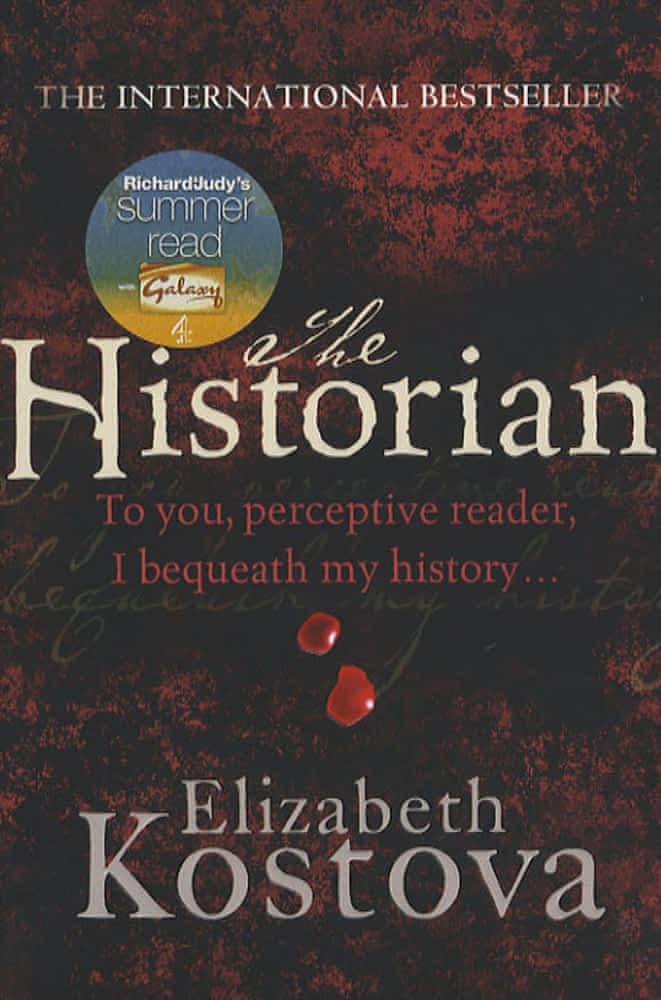
In 2005, Elizabeth Kostova unleashed The Historian upon the world, and it rapidly climbed bestseller lists, selling over three million copies in its first year alone. This wasn't some breezy beach read or a straightforward thriller; it was a sprawling, erudite narrative weaving together historical research, gothic horror, and a globe-trotting mystery. Its phenomenal success wasn't an anomaly, but a harbinger, signaling a profound shift in reader appetite: a hunger for fiction that refuses easy categorization, stories that demand intellectual engagement while still delivering pulse-pounding escapism. Today, nearly two decades later, this cultural momentum for genre-bending narratives — where literary craftsmanship meets the irresistible pull of the unknown — has only intensified. Readers aren't just looking for a good story; they're seeking hidden realms, complex mysteries, and transformative journeys that challenge, rather than comfort, their understanding of what a book can be.
Decoding the Cultural Appetite for Genre Alchemy
Modern readers are savvy. They crave complexity, not just complication, and are increasingly comfortable with narratives that defy neat shelving. This article delves into the phenomenon of literary works that fuse disparate genres, using intriguing settings and compelling character arcs to explore deeper truths. Specifically, we'll examine:
- The Historian's meticulous blend of history, gothic horror, and academic mystery.
- The Ten Thousand Doors of January's lyrical fusion of historical fiction and portal fantasy.
- The Revolutions' intricate tapestry of steampunk, science fiction, and identity mystery.
- Marion Lane and the Midnight Murder's charming take on classic detective fiction within a hidden, whimsical world.
These titles are more than just popular; they represent a sophisticated demand for stories that respect intelligence, reward attention to detail, and ultimately, transport us to places both profoundly strange and unsettlingly familiar.
The Vampire as Archivist: Elizabeth Kostova's The Historian

The Historian isn't merely a vampire novel; it's a meticulously crafted academic thriller masquerading as one. Kostova’s brilliance lies in her refusal to indulge in cheap scares or overt supernatural theatrics. Instead, she grounds the terror in the chilling historical reality of Vlad the Impaler, expertly weaving together layers of epistolary narrative, journal entries, and the present-day quest of a young woman to uncover the truth behind her father’s disappearance and the sinister legacy of Dracula. The novel’s true hidden realm isn't a fantastical dimension, but the labyrinthine archives of history itself, where truths are buried under centuries of dust and myth. The core mystery is not if Dracula exists, but what he represents – a persistent, insidious evil that transcends death, haunting the very fabric of European history. Kostova's protagonist, the nameless narrator, undertakes a profound transformative journey, not through physical prowess, but through intellectual rigor and a stubborn refusal to abandon the pursuit of knowledge, even when it threatens her sanity and life. She becomes an archivist of horror, meticulously assembling clues from across the continent, forcing readers to engage with the material as historians themselves. This isn't just a book you read; it's a puzzle you solve, a history you excavate, making it an exemplar of how to balance literary ambition with a gripping, accessible plot. It’s a masterclass in narrative concealment, slowly unveiling truths and demonstrating why Unmasking the Unseen: Why Narrative Concealment Captivates Us is such a powerful draw for readers.
Portal Passages and Personal Truths: Alix E. Harrow's The Ten Thousand Doors of January

Alix E. Harrow's The Ten Thousand Doors of January is a lyrical, almost melancholic, testament to the power of stories and the longing for escape. It’s a novel that defies easy classification, blurring the lines between historical fiction, fantasy, and a coming-of-age story with poetic grace. January Scaller, our protagonist, discovers literal doors to other worlds, not through magic spells, but through the sheer force of words and belief. Her transformative journey is deeply personal: an orphan raised in a wealthy, stifling household, she must piece together the mystery of her parents’ disappearance and her own identity by following the clues left in a mysterious book. This book within a book, detailing the adventures of a girl who found doors to other realities, becomes January’s guide to her own hidden realm. Harrow’s world-building is subtle yet profound; the 'hidden realms' are not just vibrant landscapes but also the suppressed histories and narratives of those deemed insignificant. The complex mystery lies not only in finding the doors, but in understanding why they exist and the forces that seek to close them forever. This novel taps into a universal human desire for 'elsewhere,' proving that the most profound journeys are often those that lead us to our authentic selves, a theme explored further in pieces like The 'Personal Legend' Lie: Why Simple Self-Discovery Fails by showing the true grit and danger involved in such a quest. It's a gorgeous, heart-wrenching meditation on narrative power, offering both escapism and a poignant exploration of belonging.
Steampunk Sentinels and Shifting Realities: Felix Gilman's The Revolutions

Felix Gilman's The Revolutions is a dizzying, brilliant exercise in genre defiance, pulling together elements of steampunk, science fiction, historical mystery, and philosophical inquiry. Set in an alternate 1893 London, the novel follows Arthur Shaw, an amnesiac who awakes in a strange, institution-like lodge after a disastrous expedition to Mars. His quest to understand his past, and the nature of the Mars expedition, plunges him into a hidden realm that is both a meticulously re-imagined Victorian era and a surreal, alien landscape peopled by bizarre clockwork entities and shifting realities. The complex mystery here is multi-layered: Arthur's fragmented memories, the true purpose of the Martian civilization, and the scientific/occult conspiracies swirling around him in London. Gilman's prose is dense and evocative, building a sense of existential dread and wonder in equal measure. This isn't just adventure; it's an intellectual challenge, asking readers to question reality and perception alongside its protagonist. The transformative journey for Arthur is one of identity reconstruction, a desperate attempt to synthesize disparate experiences and understand who he is in a world that feels increasingly unmoored. The Revolutions is a book for readers who relish deep dives into meticulously crafted, unsettling worlds that refuse easy answers, proving that true world-building isn't just about scenery, but about fundamental ontological questions.
Subterranean Sleuths and Secret Societies: T.A. Willberg's Marion Lane and the Midnight Murder

Switching gears from epic historical horror and high fantasy, T.A. Willberg's Marion Lane and the Midnight Murder offers a different, yet equally compelling, take on the 'hidden realm' and 'complex mystery' trope. This novel is a charming, ingenious blend of golden age detective fiction and whimsical, almost fantastical, world-building. Set in a secret, subterranean detective agency beneath the streets of post-WWII London, it introduces us to Marion Lane, an apprentice who finds herself embroiled in a murder investigation when a fellow trainee is found dead. The hidden realm here is the agency itself – a marvel of anachronistic technology, intricate rules, and eccentric characters. It's a contained world, a labyrinthine headquarters that almost feels like a character in itself, echoing the appeal of The Labyrinth as Diagnostic: Why We Read Contained Worlds. The complex mystery is a classic whodunit, meticulously plotted with red herrings and clever deductions, but elevated by its unique setting and the quirky charm of its cast. Marion's transformative journey is one of self-discovery through deduction, proving her worth in a male-dominated, secretive world. Willberg doesn't rely on magic or monsters, but rather on the magic of clever construction and indelible atmosphere. It's a testament to how even seemingly traditional genres can be revitalized by an inventive premise and masterful execution, offering depth through delightful originality rather than overt literary pretension.
The Nexus of Narrative: What These Journeys Tell Us About Ourselves
What links a chilling vampire hunt across Europe, a young girl discovering portals to other worlds, an amnesiac scientist on an alternate Mars, and an apprentice detective in a secret underground agency? It's more than just a shared affinity for mystery or the allure of the unknown. These books collectively reflect a profound shift in reader psychology, an appetite for stories that mirror the complexity of our own lives in an increasingly interconnected, yet often opaque, world. We are constantly navigating hidden layers of information, trying to unravel the true narratives behind headlines, and searching for personal meaning amidst vast, impersonal systems. The protagonists in these novels – the intellectual sleuth, the sensitive world-walker, the identity-seeking explorer, the resourceful apprentice – are proxies for our own desires to understand, to unveil, and to transform. They demonstrate that intellectual depth doesn't have to be ponderous; it can be thrilling, immersive, and utterly addictive. The genre-bending isn't a gimmick; it's an acknowledgment that reality itself is a blend of history, personal experience, scientific marvels, and the inexplicable. These authors don't just tell stories; they construct entire cognitive frameworks, inviting us to inhabit them fully.
Beyond the Veil: Anticipating Tomorrow's Genre Explorers
The enduring appeal of these genre-defying books suggests a promising future for publishing. Readers will continue to seek out narratives that push boundaries, demanding both intellectual rigor and emotional resonance. The future of popular fiction lies not in narrowing definitions, but in expanding them, creating ever more intricate tapestries of experience. Expect to see more authors deftly blending speculative elements with literary prose, tackling big ideas within meticulously crafted, accessible plots. The market will reward those who can build worlds that are both fantastical and deeply human, where the mysteries aren't just about who did it, but about why we're here, what our past means, and who we are truly meant to become. The era of the single-genre silo is over; long live the literary hybrid, the narrative chameleon, perpetually transforming to meet the evolving curiosities of the global reader.
Editor's Verdict: On Unveiling Dracula's True Legacy
Elizabeth Kostova's The Historian earns a solid 8 out of 10. While its prose can occasionally meander, prolonging certain expositional passages, the sheer ambition of its historical research, the masterful construction of its multi-layered narrative, and its chilling reinterpretation of vampire lore solidify its status as a genre-defining work. No other novel manages to make archival research feel as genuinely suspenseful as a chase through the Carpathian Mountains.
FAQ
What defines a 'genre-bending' book?
Genre-bending books combine elements from multiple distinct genres, such as historical fiction with fantasy, or science fiction with mystery, to create a unique narrative experience that defies easy categorization and often offers greater thematic depth.
Why are readers increasingly drawn to books that blur genre lines?
Readers are drawn to genre-bending books because they offer intellectual stimulation alongside entertainment, reflecting a desire for more complex, nuanced stories that mirror the multifaceted nature of modern life. They provide fresh perspectives and challenge conventional storytelling tropes.
Are these books considered 'literary fiction' or 'genre fiction'?
These books often occupy a space between traditional 'literary fiction' and 'genre fiction.' They typically possess the literary quality, character depth, and thematic richness associated with literary fiction, while employing the strong plot, world-building, and pacing often found in genre fiction, making them accessible to a broad audience.