The Comfort Read Con: Why Instant Belonging Is a Lie
Popular 'feel-good' novels often offer escapism over genuine insight into identity and community, selling a false promise of connection.
A recent survey by a prominent online book community revealed that over 60% of readers turn to "comfort reads" specifically to experience a sense of belonging and connection without the messiness of real-world friction. This statistic, while unsurprising, spotlights a concerning trend: the pervasive delusion that storytelling’s primary function is to offer unearned solace. Forget the grit, the struggle, the nuanced negotiations required to truly find your place in a community; modern popular fiction, particularly the genre lauded for its “found family” tropes, has become a purveyor of instant acceptance, and frankly, it’s a disservice to the complex, often painful, journey of identity formation. I’m here to argue that this burgeoning category of feel-good narratives, exemplified by books like house in the cerulean sea, sells a sugar-coated fantasy that ultimately undermines our understanding of what real belonging demands.
Unpacking the Allure of Effortless Acceptance
For readers seeking stories that illuminate the true path to connection and self-acceptance, this article delves into: * The problematic simplification of "found family" in popular fiction. * Why the quirky charm of certain protagonists often masks deeper narrative flaws. * Literary examples that genuinely explore identity, community, and belonging through hardship. * The subversive power of narratives that expose the darker underbelly of neighborhood dynamics. * How to discern truly impactful stories from those offering superficial comfort.
The Illusion of Instant Acceptance: When Comfort Becomes Complacency
T.J. Klune's house in the cerulean sea has become a veritable phenomenon, adored for its whimsical charm and its heartwarming portrayal of found family. Readers rave about Linus Baker, the by-the-book caseworker, and his journey to a magical orphanage where he encounters a host of endearing, misunderstood children and their enigmatic caretaker, Arthur Parnassus. The book’s central thesis—that love and acceptance transcend superficial differences—is noble. Yet, its execution is often saccharine, glossing over the very real conflicts and internal struggles that true belonging necessitates. The orphans, while initially feared by the nearby town, are quickly and almost universally embraced once their inherent goodness is revealed. Linus’s transformation from rigid bureaucrat to loving guardian feels less like an earned evolution and more like a narrative inevitability, a pre-ordained trajectory towards emotional fulfillment.
The novel posits that belonging is simply a matter of seeing past appearances, a pleasant notion but one that ignores the insidious nature of prejudice and the deep-seated work required to dismantle it. There’s a distinct lack of genuine ethical quandary or sustained interpersonal friction that would elevate its themes beyond the purely sentimental. The conflicts are externalized and easily overcome; the internal landscapes of its characters, while sketched, lack the rough edges that make a journey of self-discovery truly resonant. In a world craving simple answers to complex problems, House in the Cerulean Sea offers a soothing balm, but one that fails to prepare its readers for the arduous, often frustrating, path of forging authentic connections in a world less forgiving than its pages. This isn't just a comfort read; it's a comfort lie, perpetuating the idea that acceptance is always just around the corner if you're quirky enough. For a deeper dive into how authors truly craft complex identities, see our piece on Identity vs. Expectation: The Book Comparison That Actually Matters.
Beyond the Quirk: The Realities of Neurodivergent Connection

Graeme Simsion’s The Rosie Project falls into a similar trap, albeit with a different flavor. Don Tillman, a genetics professor with undiagnosed Asperger's traits, embarks on "The Wife Project," a systematic search for a suitable partner. The novel is widely praised for its humor and its sympathetic portrayal of a neurodivergent protagonist navigating social norms. However, much like House in the Cerulean Sea, it often conflates quirkiness with depth, offering a simplified narrative of a character’s journey to connection. Don’s transformation is largely catalyzed by the impulsive, unconventional Rosie Jarman, who challenges his rigid worldview. While charming, Rosie acts more as a plot device to "fix" Don than a fully fleshed-out character engaging in a mutual, complex relationship.
The book’s strength lies in its ability to generate comedic situations from Don’s literal interpretations and social faux pas. Its weakness, however, is its reduction of neurodivergent experience to a series of endearing eccentricities that are ultimately overcome by the power of love. True belonging for neurodivergent individuals often involves profound, ongoing efforts at communication, understanding, and adaptation from all parties, not just a charismatic love interest who can break through the "quirky" exterior. The narrative suggests that Don's issues are largely external—a matter of finding the right person to decode him—rather than an internal journey of self-understanding and self-advocacy. This simplification risks reducing a complex lived experience to a feel-good romantic comedy arc, sidestepping the nuanced struggles and triumphs that define genuine integration and connection for many. It's a comforting fantasy, but one that skirts the profound work of true self-acceptance and relational equity.
When Belonging is Earned, Not Given: Coates's Profound Vision

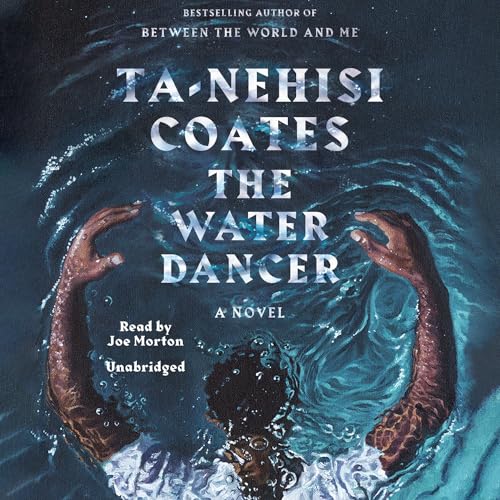
In stark contrast to the easy affirmations of the "comfort read" brigade, Ta-Nehisi Coates’s The Water Dancer offers a brutal, beautiful, and profoundly earned exploration of identity, belonging, and freedom. Hiram Walker, born enslaved on a Virginia plantation, possesses a photographic memory but cannot recall his mother, who was sold away when he was a child. He also possesses a mysterious power called "conduction," a form of teleportation linked to waterways and memory. This novel doesn't offer quick fixes or saccharine solutions; it plunges the reader into the heart of an existential crisis, where one's very personhood is denied by the brutal institution of slavery.
Hiram’s journey for freedom, both physical and spiritual, is a relentless excavation of memory, trauma, and the fragmented nature of identity under oppression. His search for belonging is not about being accepted into a pre-existing, cozy community, but about forging community, rebuilding connections, and defining selfhood in a world designed to strip it away. The "Underground," the network aiding enslaved people, is a testament to belonging earned through profound risk, shared purpose, and revolutionary love—not just passive acceptance. When Hiram learns to "conduct," it's not a magical shortcut, but a power deeply tied to the land, to memory, and to the collective trauma and resilience of his people. It's a power that demands immense sacrifice and understanding of the true cost of liberation. Coates forces us to confront the terrifying fragility of self and the immense, almost supernatural, effort required to reclaim it. This is not about being "seen" by a benevolent outsider; it's about seeing oneself, and being seen by others who are equally committed to the terrifying, glorious work of liberation. This is a testament to Genre Benders: Why Today’s Best Books Hide Worlds Within, pushing historical fiction into allegorical depth.
The Shadow Side of Community: Subversion in the Suburbs
The search for belonging isn't always about finding a place where you're embraced; sometimes it's about navigating the treacherous waters of assumed community, where acceptance is conditional and facades hide darker truths. Jane Fallon's Welcome to the Neighbourhood expertly dissects this darker, more realistic side of community integration. While not a "literary" novel in the same vein as Coates, Fallon's domestic suspense offers a crucial counter-narrative to the naive optimism of the comfort read. The novel centers on a woman, Jess, who moves into a new neighborhood only to find herself entangled in the lives of her seemingly perfect new neighbors, who turn out to be anything but.
Fallon masterfully uses the veneer of suburban idyllic life to explore themes of social pressure, hidden resentments, and the insidious ways communities can exert control or outright reject those who don't conform. Jess's desire to "fit in" is palpable, but the cost of that belonging becomes increasingly clear as she uncovers the secrets and manipulations festering beneath the polite smiles. This isn't a story where an oddball is magically accepted; it's a story where the expectation of conformity creates a suffocating environment, where judgment is swift and unforgiving. The book reveals that "belonging" in such a context is often transactional, based on adherence to unspoken rules and a willingness to participate in collective deceptions. It’s a sharp reminder that true connection cannot thrive in environments built on superficiality and fear. It shows that sometimes, the most profound act of self-preservation is to reject the false belonging offered by a toxic community. This offers a more nuanced, albeit cynical, take on the "contained worlds" we often explore, as discussed in The Labyrinth as Diagnostic: Why We Read Contained Worlds.
Dismantling the Cozy Myth: What True Connection Demands
The prevailing cultural appetite for "comfort reads" is understandable. In an anxious age, the promise of effortless acceptance and immediate belonging is a powerful balm. Yet, this trend risks infantilizing the very real human need for connection by stripping it of its complexity. True belonging, whether within a family, a community, or even within oneself, is rarely a journey devoid of friction. It involves grappling with differences, confronting uncomfortable truths, and often, actively challenging the status quo.
To truly find our place, we must contend with internal demons, external prejudices, and the inherent messiness of human relationships. It means acknowledging that sometimes, the "found family" isn't a perfect, ready-made haven, but a group of disparate individuals who, through concerted effort and shared vulnerability, carve out a space for mutual growth. It’s about building, not just receiving. The narratives that genuinely resonate and endure are those that don't shy away from this arduous work, but instead illuminate it in all its challenging glory. When we embrace stories that demand more from us, we gain a deeper, more profound understanding of ourselves and our capacity for genuine connection.
Editor's Verdict
While house in the cerulean sea delivers on its promise of charm and warmth, its narrative conveniently sidesteps the deep, painful work required for true identity formation and community integration. The conflicts presented are too easily resolved, making its portrayal of belonging feel more like a wish-fulfillment fantasy than a grounded exploration of human connection. The book offers a lovely escape, but it won't challenge your understanding of prejudice or the true cost of acceptance.
Editor's Rating: 6/10. It earns points for its imaginative premise and a generally pleasant reading experience, but loses significant ground for its narrative simplicity and failure to tackle its profound themes with the necessary emotional or ethical rigor. The lack of sustained internal or external conflict beyond easily overcome obstacles prevents it from achieving genuine depth in its exploration of belonging.