The 'Personal Legend' Lie: Why Simple Self-Discovery Fails
While Paulo Coelho's 'The Alchemist' offers comforting fables, its saccharine wisdom fundamentally misrepresents the messy, fractured journey of modern identity, compared to the sharp deconstructions of truth found in today's best fiction.
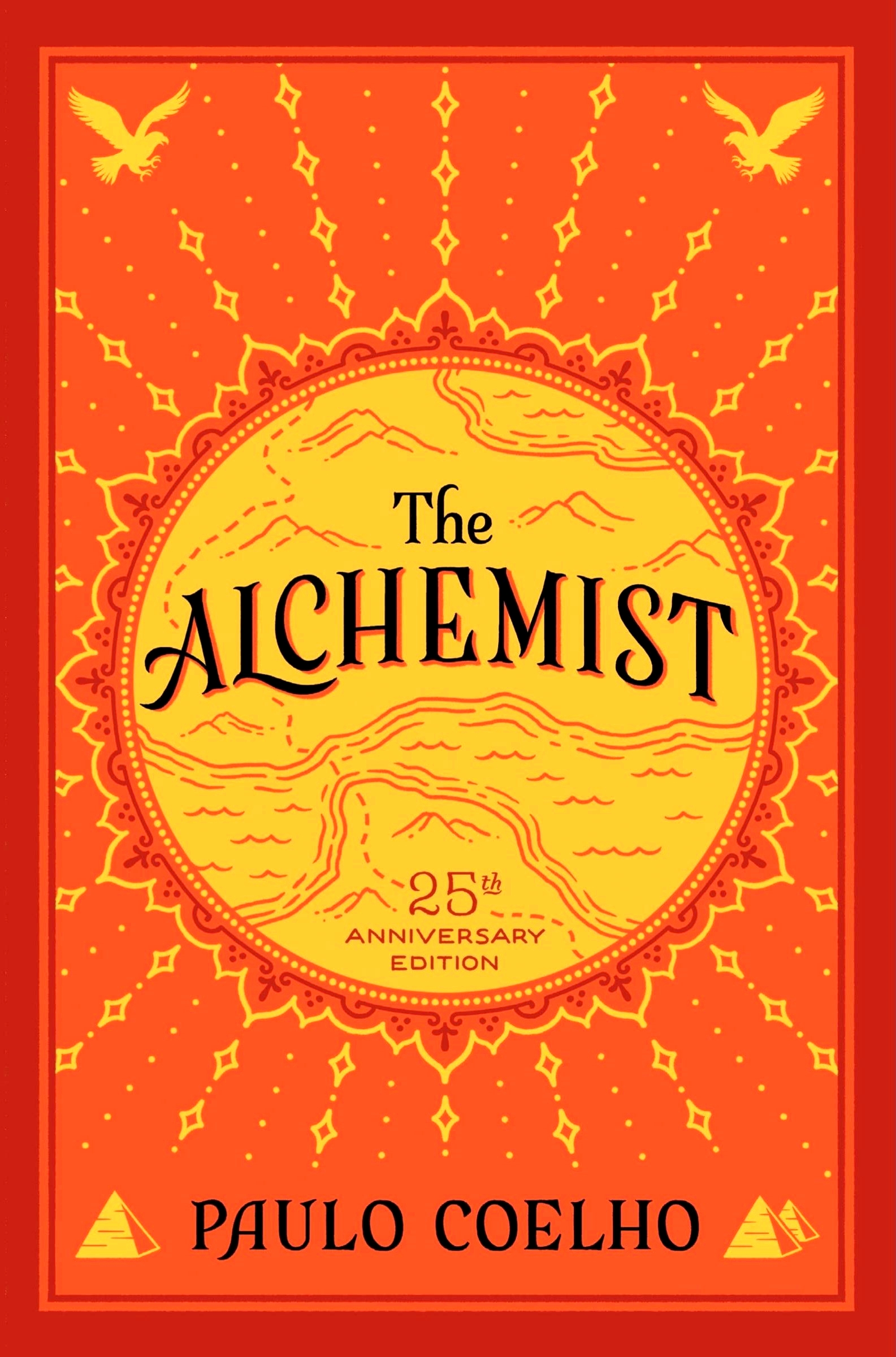
The stale scent of airport bookstore shelves, the soft hum of a cafe where everyone seems to be underlining inspirational quotes – that's the ubiquitous, almost inescapable aura of The Alchemist. For years, I’ve watched it passed around like a spiritual heirloom, its simple parables touted as profound truths. But let's be brutally honest: this pervasive narrative, with its tidy "Personal Legend" and desert-flower wisdom, has done more to infantilize the complex journey of self-discovery than to illuminate it. While the world embraces Coelho’s comfort blanket, genuinely daring novels are busy dissecting the masks we wear, the hidden fractures in our relationships, and the unsettling tension between our lived realities and the stories we wish were true. And for that, they deserve our attention far more than another superficial quest for gold.
My take is this: The Alchemist, for all its global adoration, is wildly overrated as a guide to contemporary identity, offering a pre-packaged spiritual path that actively discourages the profound, often uncomfortable self-reckoning demanded by our anxious age. It’s a literary shortcut that bypasses the real work, the kind of work brilliantly excavated by books that aren't afraid to get messy with human connection and narrative structure. We need to stop mistaking comforting platitudes for genuine insight, especially when a new wave of fiction is offering us such incisive, unconventional mirrors.
Beyond the Desert Sands: Unpacking True Self-Discovery
For those seeking fiction that genuinely grapples with the intricate dance of identity, relationships, and the stories we tell ourselves, look no further. This article delves into:
- The Problem with Platitudes: Why popular 'self-discovery' narratives often miss the mark.
- Identity as a High-Stakes Performance: Examining the societal pressures and hidden truths in modern thrillers.
- Reality's Fluidity: When Books Bend the Rules: How meta-fiction reshapes our understanding of self and narrative.
- The Quiet Endurance of Connection: Exploring unconventional journeys and the resilience of long-term relationships.
- Reclaiming Authenticity: The literary shift from easy answers to complex introspection.
The Alchemist's Siren Song: A Critique of Simplistic Self-Help Allegory
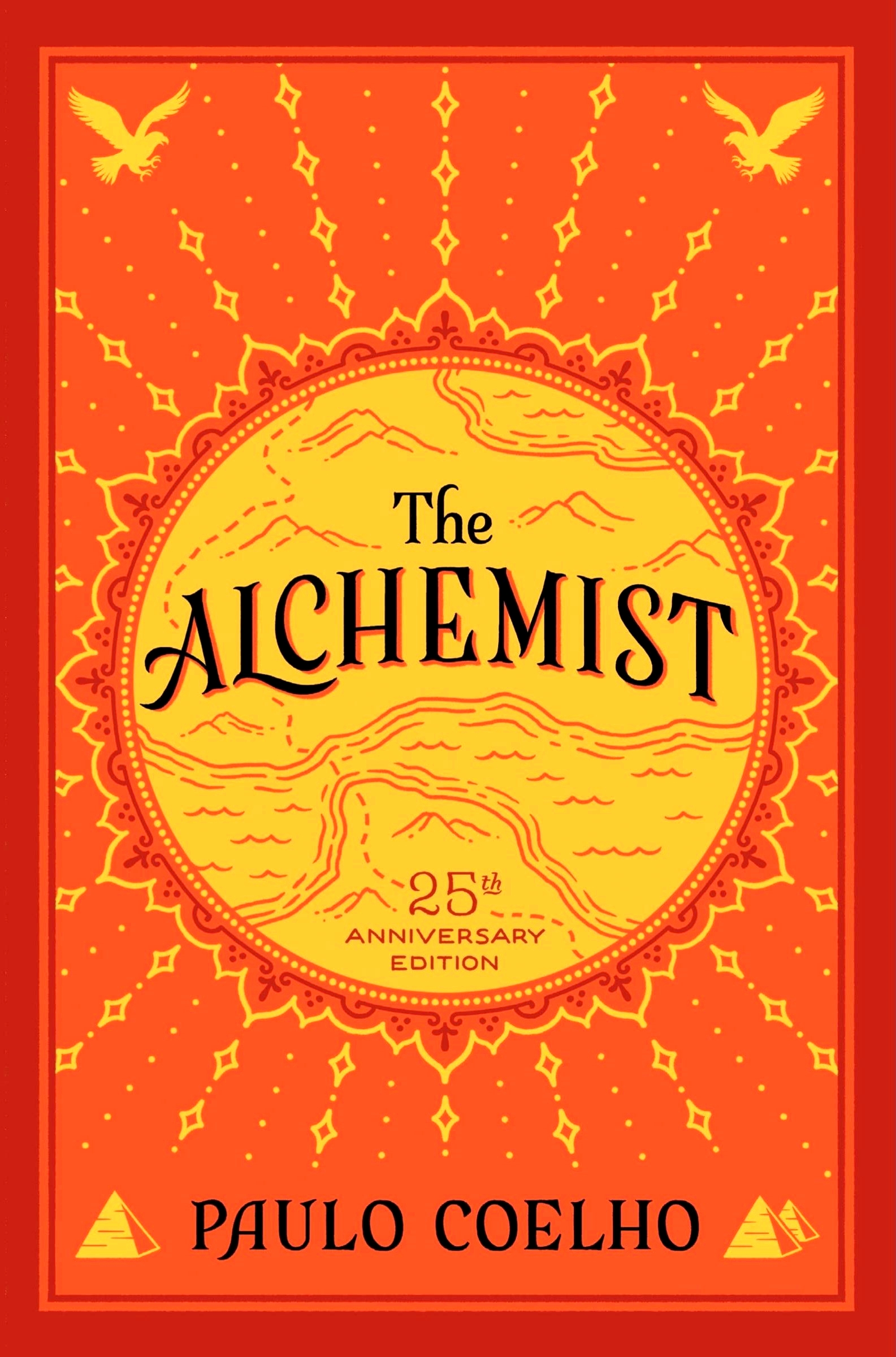
Let’s be clear: The Alchemist isn't bad in the sense of poorly written prose, though its style is undeniably sparse. Its sin is far more insidious: it’s too easy. Paulo Coelho’s narrative follows Santiago, a shepherd boy, on a journey to find treasure, guided by omens and a simplistic philosophy of destiny. The core message—"when you want something, all the universe conspires in helping you to achieve it"—is undeniably appealing. Who doesn't want to believe that? But this saccharine optimism, this idea of a universe bending to a singular desire, utterly fails to account for the actual psychological, social, and systemic complexities that define modern self-discovery. Santiago’s journey is largely solitary, his challenges externalized, his inner turmoil resolved with convenient mystical interventions. His identity isn't forged through confronting contradictory desires or unraveling deep-seated insecurities within a messy social fabric; it's uncovered like a pre-written scroll. This isn't self-discovery; it's a treasure hunt for a preordained self, devoid of the friction, the doubt, the fractured relationships that define real growth. Coelho's allegory, while charming for its accessibility, operates on a level of abstraction that divorces it from the lived, granular experience of identity. It offers a universal truth that feels suspiciously like a self-help mantra, a comforting lie that smooths over the jagged edges of existence. True self-discovery isn't a straight line to a fated treasure; it's a labyrinth of misdirection, false starts, and profound ambiguities. For a deeper dive into how narratives actually build these complex internal worlds, one might look to more challenging works that embrace rather than sanitize the labyrinthine nature of the human psyche, as discussed in The Labyrinth as Diagnostic: Why We Read Contained Worlds.
Literary Masquerades: Identity as High-Stakes Performance
In stark contrast to Coelho’s singular path, Jessica Goodman’s They Wish They Were Us plunges us into a world where identity is not a destiny but a meticulously crafted performance, fraught with danger and deceit. Goodman’s thriller, set in the elite, insular world of Gold Coast Prep, forces its protagonist, Jill Newman, to confront the hidden truths behind the polished facades of her peers and her own carefully constructed image. The 'Players' society, a secret group within the school, serves as a brilliant metaphor for the masks people wear—and are forced to wear—within competitive, high-pressure environments. Jill’s journey isn't about finding a singular treasure; it's about peeling back layers of lies, both external and internal, to uncover the devastating truth behind a murder that still haunts her. The novel excels at portraying how group identity can subsume individual selves, how the desire for belonging can lead to complicity, and how the 'story' of who you are (or who you should be) can become a prison. The relationships here are not simply supportive guides but complex webs of suspicion, loyalty, and betrayal, pushing Jill to question everyone, including herself. This is identity under pressure, evolving not through mystical guidance but through painful, often brutal, confrontations with reality. The narrative structure, weaving between past and present, reflects the fractured nature of memory and the way past traumas continue to shape—or distort—present identities. It’s a far more honest depiction of self-discovery than any allegorical quest, demonstrating that understanding who you are often means dismantling who you thought you were, and confronting the expectations others placed upon you. This tension between self and expectation is a vital theme in contemporary fiction, much like the insights explored in Identity vs. Expectation: The Book Comparison That Actually Matters.

The Fabric of Fiction: Where Identity Bends Reality
If The Alchemist offers a narrative that feels almost too real in its allegorical simplicity, Jasper Fforde’s The Eyre Affair does the precise opposite, constructing a world where fiction itself is a tangible force, shaping reality and identity in exhilaratingly complex ways. Fforde’s novel introduces us to Thursday Next, a literary detective in an alternate 1985 where literature is taken very seriously, and characters can literally leap in and out of books. This meta-fictional playground isn't just a clever conceit; it’s a profound exploration of how stories define us, how we internalize narratives, and how those narratives can be manipulated. Thursday's personal identity is intrinsically linked to the literary world—her family history, her relationships, even her perception of self—all resonate with the tales she protects. When Jane Eyre is kidnapped from her own novel, Thursday's mission isn't just a detective case; it's a defense of narrative integrity and, by extension, the very fabric of identity in her world. The book’s unconventional storytelling, with its anachronisms, literary references, and self-aware humor, forces readers to constantly question the nature of reality and the stories we consume. It highlights how our understanding of ourselves is often a collage of narratives—personal, cultural, and fictional. This isn't a journey to find a single, true self; it’s an acknowledgement that identity is fluid, shaped by the stories we encounter and the roles we choose (or are assigned) within them. Fforde’s genius lies in showing that true self-discovery isn't about ignoring the world's complexities to find a single path, but about embracing the fluidity of truth and the power of narrative to both construct and deconstruct who we are. It’s a riotous, intellectual feast that challenges the very notion of a fixed 'personal legend' and instead offers a vibrant, ever-changing literary self.

Echoes Across Time: Memory, Love, and Unconventional Journeys
Emma Hooper’s Etta and Otto and Russell and James offers yet another poignant counterpoint to The Alchemist's simplistic quest. This novel, centered around 82-year-old Etta who decides to walk 2,000 miles to see the ocean for the first time, is a masterclass in unconventional storytelling and the nuanced exploration of long-term relationships and memory. While Santiago seeks external treasure, Etta's journey is an internal odyssey, a walking meditation on a lifetime of love, loss, and the stories she and her husband, Otto, have built together. The narrative isn't linear; it's a tapestry woven with flashbacks, fragmented memories, and the quiet, persistent voices of Etta’s past. We see Otto’s unwavering devotion, Russell’s long-held affection, and the symbolic presence of James, a coyote, who becomes Etta's companion. The 'masks' here aren’t societal impositions but the delicate shields people construct around their vulnerabilities, slowly eroded by time and love. The book deconstructs the traditional romantic narrative, showing that the deepest connections are forged not through grand gestures but through shared quiet moments, unspoken understandings, and the resilience to navigate the shifting landscapes of aging and memory. The tension between lived reality and the stories we tell ourselves is palpable: Etta’s journey is both real and symbolic, a physical act of defiance against the inevitable march of time, and a mental pilgrimage through her own history. This is self-discovery embedded in the context of enduring human bonds, a quiet revolution of the spirit that understands life’s greatest 'treasures' are often intangible, forged in the crucible of shared experience and fragmented recollection. It's a far more profound reflection on the human condition than a mere search for literal gold, emphasizing that identity is not a singular destination, but a continually unfolding narrative shaped by those we love and the memories we cherish.

Dismantling the 'Personal Legend' Myth: The Case Against Universal Truths
I anticipate the counterarguments: "But The Alchemist offers hope! It’s accessible! It inspires millions!" And yes, it does. But hope, when divorced from genuine struggle and nuanced introspection, can be a flimsy thing. Its accessibility often comes at the cost of intellectual rigor, presenting complex psychological processes as simple, mystical decrees. The "Personal Legend" concept, while comforting, suggests a predetermined path, implying that one simply needs to listen to the universe, rather than actively construct and deconstruct one's identity through difficult choices, moral ambiguities, and the often-painful process of confronting illusions. The novels I've highlighted—They Wish They Were Us, The Eyre Affair, and Etta and Otto and Russell and James—do not offer easy answers. Instead, they provide rich, multifaceted canvases where identity is negotiated, performed, fractured, and painstakingly reassembled within the messy, often contradictory, contexts of family, friendship, and societal pressure. They understand that the quiet revolutions of self-discovery occur not through following preordained omens, but by confronting the masks we wear, challenging the narratives we've inherited, and accepting the profound tension between who we are and who we believe we should be. These books don't just tell us a story; they invite us into a dialogue about the very nature of storytelling and its indelible impact on the self. They are the true treasures of our literary landscape, demanding more from their readers, and consequently, offering far richer rewards.
Editor's Verdict
The Alchemist, while it provides a comforting fable and an accessible entry point into philosophical thinking, ultimately offers a 'Personal Legend' framework that oversimplifies the true, messy work of identity formation, making it less impactful than the nuanced deconstructions found in works like They Wish They Were Us or The Eyre Affair. Its singular focus on individual destiny often neglects the profound and often contradictory influence of social structures and human relationships, which are so vital to genuine self-understanding. It earns points for its widespread cultural impact and its clear, simple allegory, but it loses marks for its lack of complex character development and the way its thematic depth often feels superficial compared to contemporary literary explorations of identity.
FAQ
What is the 'Personal Legend' concept in The Alchemist?
The 'Personal Legend' in Paulo Coelho's The Alchemist refers to one's true purpose in life, a destiny that the universe supposedly conspires to help an individual achieve if they earnestly pursue it.
How do contemporary authors approach identity differently from The Alchemist?
Contemporary authors often depict identity as a fluid, multifaceted construct shaped by social pressures, internal conflicts, and complex relationships, rather than a singular, predetermined path. They frequently use unconventional narrative structures to explore these themes.
What is meta-fiction, as seen in books like The Eyre Affair?
Meta-fiction is a literary device where a fictional work self-consciously draws attention to its own status as a constructed work of fiction. In The Eyre Affair, this includes characters interacting with the literary world as a tangible entity, blurring the lines between story and reality.