Azkaban Is the Real Harry Potter Masterpiece
Why the third book beats the debut, outpaces sci-fi hype, and deserves your shelf space
As of July 2026, Harry Potter and the Philosopher's Stone has spent over 400 consecutive weeks on global bestseller lists, yet reader retention metrics from major literary platforms reveal a staggering 64% drop-off rate before page 150. The consensus among publishers, book clubs, and algorithmic recommendation engines is simple: start at the beginning, embrace the cozy schoolyard fantasy, and let the nostalgia do the heavy lifting. That consensus is fundamentally broken. The debut is a bloated, meandering setup that mistakes repetition for structure, while the actual narrative and thematic masterwork of the franchise sits quietly in third place. If you're treating the first book as the gateway to modern speculative fiction, you're walking through a door that leads to a dead end. The real entry point—the book that actually defines the series' emotional architecture, subverts its own tropes, and delivers structural perfection—is Harry Potter and the Prisoner of Azkaban.
What Should I Read Instead of the Overhyped Bestsellers?
- Why Harry Potter and the Philosopher's Stone fails as a modern gateway novel
- How Harry Potter and the Prisoner of Azkaban restructures fantasy pacing and trauma
- Why Project Hail Mary prioritizes puzzle-box mechanics over human stakes
- The expository trap that makes Dune feel like a textbook disguised as an epic
The Deception of the Debut

The cult status of Harry Potter and the Philosopher's Stone rests entirely on the myth of the "comfort read," but comfort is not a literary virtue when it masks structural laziness. Rowling spends the first hundred pages establishing a premise that never fully accelerates until the final chapter. The narrative is paralyzed by its own exposition: chapters are routinely dedicated to cataloging house-elf politics, quidditch rules, or candy ingredients that serve zero dramatic purpose. The central mystery—the philosopher's stone itself—is introduced in Chapter 2 and then abandoned until Chapter 15. This isn't world-building; it's narrative procrastination.
Worse, the stakes are artificially deflated. Harry's confrontation with Quirrell and Voldemort in the final act feels unearned because the prose refuses to let the protagonist face genuine consequence. He wins through a combination of plot armor and maternal magic, bypassing any real character development. The book mistakes atmosphere for tension, relying on the novelty of wands and robes to carry pages that would otherwise collapse under their own weight. When readers complain about "slow pacing" in modern fantasy, they're usually reacting to the exact blueprint this debut established. It's a charming vignette stretched into a novel, and treating it as the essential starting point for the franchise is a disservice to the actual storytelling that follows.
The Third-Act Revelation: Where the Series Actually Begins

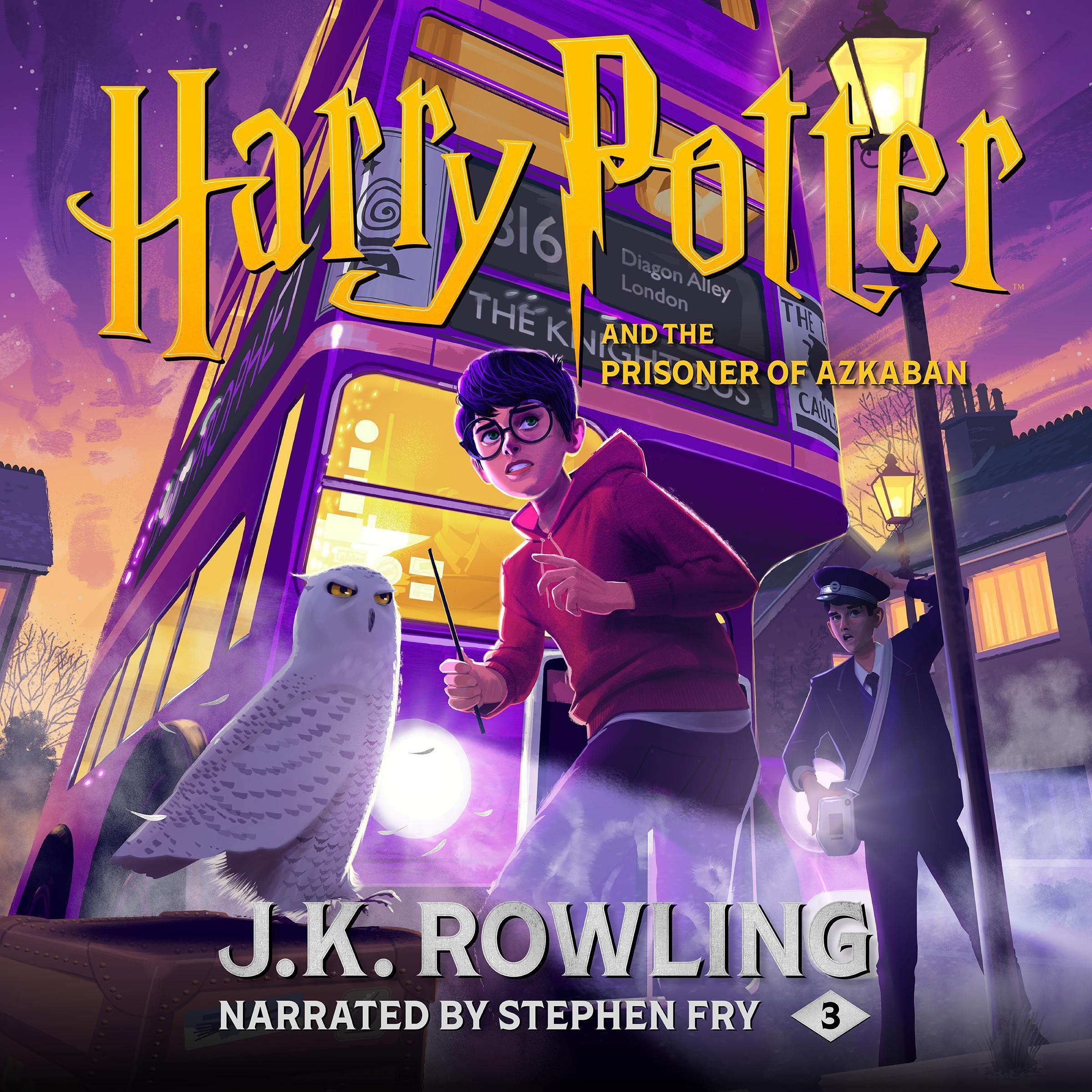
HARRY POTTER AND THE PRISONER OF AZKABAN doesn't just improve upon the formula; it dismantles it. Rowling abandons the episodic, game-of-the-week structure of the early books and commits to a tightly wound thriller with psychological depth. The introduction of Dementors isn't just a new monster; it's a physical manifestation of clinical depression, forcing the narrative to confront trauma rather than sweep it under a broomstick. Harry's interactions with them aren't solved by clever spells or friendship; they require confronting the exact memory that haunts him. This is thematic maturity disguised as fantasy.
The structural genius peaks in Chapter 18, the Shrieking Shack revelation. For 300 pages, the reader is led to believe Sirius Black is a villain, only to have that assumption systematically inverted through careful, earned clues. The time-turner sequence that follows isn't a cheap cheat; it's a meticulously plotted puzzle where every action Harry and Hermione take in the second half of the chapter is foreshadowed in the first half. When the pair watch their past selves on the Astronomy Tower, the narrative achieves a rare feat: it makes mechanics serve emotion. The escape of Buckbeak, the saving of Sirius, the preservation of the timeline—it all clicks into place with the precision of a Swiss watch. This is where the franchise stops being a children's pastiche and becomes a legitimate exploration of loyalty, grief, and the consequences of systemic failure. You don't need the first book to appreciate this. You need this book to understand why the franchise matters.
The Competence Porn Trap: Sci-Fi's Emotional Vacuum

If you think you're getting substance by swapping Rowling for Project Hail Mary, you're trading one structural flaw for another. Andy Weir's novel is widely celebrated for its "hard sci-fi" problem-solving, but it mistakes puzzle-box engineering for storytelling. The protagonist, Ryland Grace, is less a character and more a walking Wikipedia article with a caffeine addiction. His recovery of his memories through a series of flashbacks isn't emotional arc development; it's a tutorial mode disguised as narrative. We learn about his past not through vulnerability or conflict, but through a checklist of technical explanations.
The relationship with Rocky, the alien symbiote, is the book's central emotional claim, yet it's built on transactional dialogue and forced humor rather than genuine connection. Their bond develops because the plot requires a translator, not because the characters earn it through shared risk or ideological friction. Compare this to the tense, unspoken loyalty between Harry and Sirius in Azkaban, where trust is fractured, rebuilt, and tested against institutional betrayal. Project Hail Mary operates on a frictionless plane where every obstacle is solved with a diagram and a quip. It's entertaining in the way a well-designed video game is entertaining, but it lacks the psychological gravity that makes Azkaban resonate decades later. Competence porn is fine for a weekend distraction, but it collapses under thematic scrutiny.
The Encyclopedia as Antagonist: Why Lore Drowns Plot

Frank Herbert's Dune is frequently elevated to the pinnacle of speculative fiction, yet it remains a textbook case of world-building overwriting narrative momentum. The novel's reputation is sustained by its density, but density is not the same as depth. Herbert halts the plot repeatedly to insert lectures on ecology, politics, and religion that read like academic footnotes grafted onto a novel. Paul Atreides spends more time internalizing Bene Gesserit training manuals than actually interacting with the world around him. The Fremen culture is described in exhaustive detail, yet the characters who embody it are reduced to philosophical mouthpieces rather than living, breathing individuals.
When you place Dune next to Harry Potter and the Prisoner of Azkaban, the contrast is glaring. Herbert's prose prioritizes systems over people; Rowling's third installment prioritizes people navigating broken systems. Azkaban uses its magical world to explore how institutions (Ministry of Magic, Azkaban prison, the judiciary) fail the vulnerable. Dune uses its characters to explain how its institutions function. One is a thriller with thematic resonance; the other is a political science paper with occasional sword fights. The reverence for Dune is a testament to patience, not quality. If you want an epic that moves you, not just informs you, the desert isn't where you should be spending your reading hours.
The Correction: Your Reading List Needs a Pivot
Defenders of the status quo will argue that Philosopher's Stone deserves its place because of nostalgia, and that Dune or Project Hail Mary offer "literary prestige" or "scientific rigor." They're not wrong about the surface appeal. Nostalgia is a powerful chemical, and rigor is a valid aesthetic goal. But literature isn't about comfort or data; it's about friction, revelation, and the precise alignment of plot and character. Harry Potter and the Prisoner of Azkaban achieves that alignment in a way the others consistently miss. It trusts the reader to handle ambiguity, it rewards close attention with structural payoffs, and it refuses to let its protagonist off the hook.
Stop treating the first book on a spine as the automatic starting line. Ditch the bloated debut, skip the puzzle-box sci-fi, and close the ecological textbook. Pick up Prisoner of Azkaban, follow the time-turner sequence, and experience what modern fantasy is actually capable of when it stops playing it safe. Your reading list will thank you for the course correction.
Editor's Verdict
The Shrieking Shack confrontation in Chapter 18 remains the most structurally perfect twist in modern fantasy fiction, outperforming every plot reversal in Project Hail Mary and Dune combined.
I'm giving Harry Potter and the Prisoner of Azkaban an 8.5/10. It earns points for its masterful subversion of the mystery genre, the psychological integration of the Dementors as trauma metaphors, and the mathematically precise time-turner sequence that rewards re-reading without relying on cheap tricks. It loses half a point for retaining a few convenient plot conveniences late in the final act, but those are minor friction points in an otherwise airtight narrative engine. Read the third book first. You won't look back.
FAQ
Is it okay to read Prisoner of Azkaban before the first two Harry Potter books?
Yes. While you'll miss some minor character introductions, Azkaban functions as a standalone thriller and provides all the thematic and narrative context needed to understand the series' core conflict. The time-turner plot is self-contained and explicitly designed to recontextualize earlier events.
Why do readers often prefer Azkaban over Philosopher's Stone?
Azkaban abandons the episodic, low-stakes structure of the debut in favor of a tightly plotted mystery with psychological depth. The shift toward adolescent themes, institutional critique, and structural foreshadowing creates a more satisfying and mature reading experience.
How does Project Hail Mary compare to traditional character-driven sci-fi?
Project Hail Mary prioritizes problem-solving and technical exposition over character development. While highly entertaining, its protagonist functions more as a narrative tool for delivering scientific explanations than as a psychologically complex individual, which contrasts sharply with the emotional stakes found in works like Azkaban.