The Adaptation Gauntlet: Page-to-Screen's Reckoning
Hollywood’s relentless pursuit of literary IP continues, but does the cinematic frame truly capture the soul of the book, or merely its market potential? We dissect the year’s most anticipated crossovers.
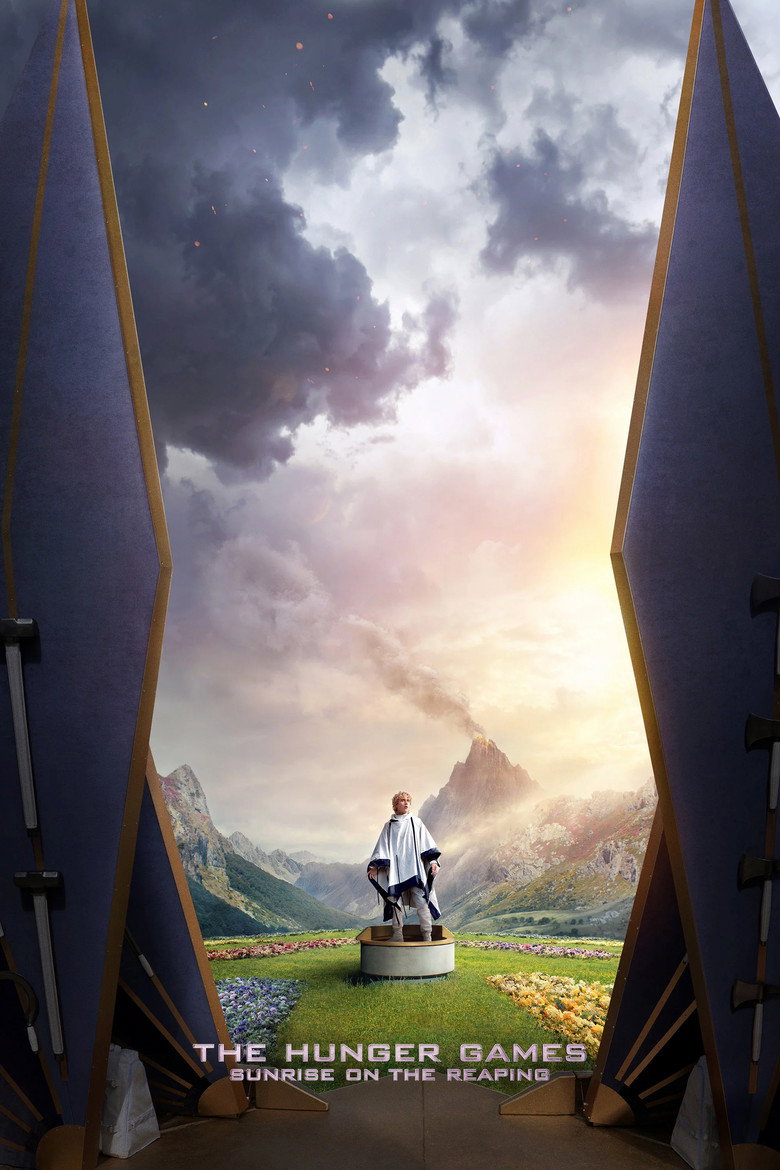
In an era where literary IP is mined faster than gold, Suzanne Collins's upcoming novel, Sunrise on the Reaping, had its film adaptation, The Hunger Games: Sunrise on the Reaping, greenlit by Lionsgate a mere 14 days after the book's announcement in June 2024. This isn't just shrewd business; it's a stark illustration of the current media landscape. Studios, wary of untested properties, are doubling down on narratives that already possess significant cultural cachet, betting that familiar stories can be successfully recontextualized for modern screens. But this trend ignites a crucial creative tension: how do filmmakers honor the original text’s legacy while injecting fresh visual language, pacing, and thematic relevance for contemporary audiences? It's a high-stakes gamble, where the soul of a story hangs in the balance, constantly battling the gravitational pull of blockbuster appeal.
Decoding the Adaptation Zeitgeist: Page-to-Screen in 2026
- The rapid-fire adaptation of Sunrise on the Reaping and its implications for modern franchise filmmaking.
- The intricate challenge of reimagining Robin Hardy's folk horror cult classic, The Wicker Man, for modern audiences.
- Dissecting interiority versus spectacle in blockbuster adaptations: where does the true narrative power lie?
- Evaluating creative license and thematic fidelity in the high-stakes world of literary crossovers.
The Cultural Resonance: From Page to Global Phenomenon
The sheer velocity with which The Hunger Games: Sunrise on the Reaping was fast-tracked is a testament to the insatiable demand for established intellectual property. It’s a cynical move, perhaps, but an understandable one in a fragmented entertainment market. Suzanne Collins’s return to Panem with Sunrise on the Reaping instantly reignited a global fandom, proving that the dystopian YA juggernaut still holds immense sway. The success of The Ballad of Songbirds and Snakes demonstrated that audiences are hungry for more depth and backstory in a beloved universe, moving beyond simple reboots into rich, prequel-driven expansions. This new installment, focusing on Haymitch Abernathy’s victory in the 50th Hunger Games, known as the Second Quarter Quell, taps directly into the current zeitgeist for origin stories that deepen our understanding of iconic characters. It’s not just nostalgia; it’s a desire for narrative completeness, for the gaps to be filled, for the raw edges of history to be exposed. The cultural moment here is one of craving comfort in familiar worlds, yet also demanding fresh perspectives within them, pushing the boundaries of what a 'prequel' can achieve. The film, set for a November 2026 release, rides this wave of anticipation, promising to bring the harrowing spectacle of Haymitch’s Games to vivid, cinematic life.

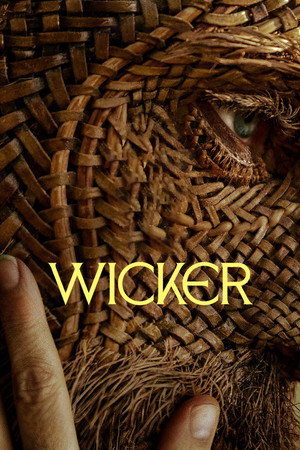
In stark contrast, the upcoming Wicker film, a new adaptation of Robin Hardy's seminal folk horror novel The Wicker Man, operates on a different cultural frequency altogether. This isn't about feeding a franchise beast; it’s about a deeply entrenched, unsettling narrative that continues to haunt collective consciousness. The original 1973 film, loosely based on Hardy's novel, is a cult classic, a masterclass in atmospheric dread and insidious paganism. Its themes of rigid faith confronting ancient, earthy hedonism, and the terrifying logic of a self-contained community, resonate deeply in an increasingly polarized and tribalized world. The fact that studios dare to revisit this property, especially after the unmitigated disaster of the 2006 remake, speaks to its enduring thematic power. The cultural moment for The Wicker Man isn't about expansion; it's about reinterpretation, a desperate attempt to capture the chilling essence that the previous attempt utterly botched. It's a reflection of our persistent fascination with hidden societies, ecological vengeance, and the disturbing allure of primordial beliefs. The challenge for Wicker (2026) is whether it can tap into this potent cultural vein without succumbing to the temptation of cheap thrills or overt exposition, which would betray the subtle, psychological horror that makes the original so enduring. This is a quest for cinematic redemption, an attempt to prove that some stories are too vital to remain in the shadow of past missteps. For more on how legacy adaptations struggle, see our piece: Page vs. Frame: Why 2026’s Legacy Adaptations Rewrite the Rules.

Medium's Mandate: Interiority, Immersion, and the Visual Imperative
Suzanne Collins's prose, particularly in The Hunger Games series, has always been lauded for its masterful command of first-person interiority. In Sunrise on the Reaping, focusing on Haymitch’s Quarter Quell, the book's strength will undoubtedly lie in its ability to plunge readers into the tortured psyche of a young man forced into unimaginable brutality. Collins can articulate the chilling calculations of arena survival, the gnawing hunger, the strategic mind at play, and the profound, scarring trauma that transforms a victor into the cynical, alcohol-addled mentor we know. The novel can explore the insidious political machinations behind the Games, the subtle shifts in power, and the crushing weight of expectation with a nuance that is almost impossible to replicate visually. We will gain direct access to Haymitch's internal monologues, his moral compromises, and the slow, agonizing descent into despair that truly defines his character. This depth of psychological exploration is the page's unique gift, offering an immersive, unfiltered experience of a character's inner world, detailing every tremor of fear and spark of defiance.
Conversely, The Hunger Games: Sunrise on the Reaping will undoubtedly leverage the cinematic medium’s unparalleled ability to showcase spectacle and visceral impact. The arena itself, with its deadly traps and environmental hazards, can be rendered with breathtaking, horrifying detail. The desperation in the tributes’ eyes, the chilling indifference of the Capitol audience, the frantic pace of combat—these are elements that film excels at conveying directly, without the filter of narrative description. The visual design of the Capitol, the elaborate costumes, and the sheer scale of the Games will be brought to life with a grandeur that only cinema can achieve. Director Francis Lawrence has a proven track record of balancing the franchise's emotional core with its action sequences, and the movie will certainly lean into the brutal choreography and explosive tension. However, the film will face the perennial challenge of translating Haymitch's complex internal landscape—his sardonic wit, his deep-seated pain, his strategic brilliance—without resorting to heavy-handed voiceovers or simplistic expressions. While an actor of the caliber of Woody Harrelson for the older Haymitch can convey much through performance, the granular detail of the book's psychological journey often gets distilled into more externalized action.
For The Wicker Man, Robin Hardy’s novel and the screenplay it originated from are masters of building a slow, creeping dread through atmosphere and the insidious unraveling of cultural norms. The book meticulously crafts the isolated world of Summerisle, allowing the reader to experience Sergeant Howie's growing unease almost as a co-conspirator. The strength of the literary version lies in its gradual revelation of the islanders' pagan beliefs, their unsettling rituals, and the mounting psychological pressure on Howie. The prose can delve into his rigid Christian morality, his internal outrage, and the subtle ways his logical worldview is chipped away by the island's seemingly benevolent madness. It's a horror of ideas, of clashing ideologies, where the reader is privy to Howie's increasingly desperate attempts to rationalize the irrational. This internal conflict, the battle between his unwavering faith and the seductive, terrifying lure of Summerisle, is the novel's beating heart, meticulously laid out on the page.
Wicker, the 2026 film, will inevitably rely on the visual and auditory power of cinema to convey this folk horror. The vibrant, unsettling imagery of the harvest festival, the pagan symbols, the eerie music, and the enigmatic smiles of the islanders can create an immersive sensory experience that prose can only hint at. The film's strength will be in depicting the communal frenzy, the unsettling beauty of the island, and the escalating strangeness that culminates in the horrific climax. Cinematography can capture the isolation and ancient feel of Summerisle, making the otherworldly feel tangible. However, the true terror of The Wicker Man isn't just external; it's the slow, psychological suffocation of Howie's beliefs. The film will need a phenomenal performance to convey the nuanced self-righteousness and eventual despair of its protagonist without making him a caricature. Where the book allows for internal rumination on the clash of faiths, the film must translate this into visible tension and escalating emotional distress, often sacrificing the subtleties of Howie's spiritual journey for narrative urgency. For deeper dives into psychological adaptations, check out: Unveiling Truths: Literary Adaptations of Psychological Depth.
The Adaptor's Gambit: Fidelity, Subversion, and Creative License
With Sunrise on the Reaping being a fresh release, the film adaptation, The Hunger Games: Sunrise on the Reaping, has the unique challenge of diverging from a story that is still forming its cultural footprint. Francis Lawrence, the director, has shown a willingness to expand on Collins's work, as seen in The Ballad of Songbirds and Snakes where certain Capitol scenes and interactions were fleshed out, and the pacing adjusted to suit cinematic rhythm. For Haymitch's Games, a major point of divergence could involve shifting the narrative focus. The book will likely be steeped in Haymitch's first-person perspective, offering an intimate, perhaps claustrophobic, account of his ordeal. The film, however, might broaden this to include more viewpoints from the Gamemakers' control room, or even fleeting glimpses of life in District 12 during the Games, externalizing the internal turmoil. If the film prioritizes bombastic action and arena spectacle over the psychological toll on Haymitch, it would be a significant loss. Collins's strength lies in her characters' complex inner lives, and reducing Haymitch’s trauma to mere action beats would betray the spirit of the source. An improvement would be if the film uses its visual medium to enhance the psychological horror, perhaps through inventive dream sequences or fragmented flashbacks that vividly portray Haymitch's declining mental state without removing his perspective. The potential pitfall is diluting the unique narrative voice that defines the book; the opportunity is to find cinematic equivalents that deepen its impact rather than simplify it.
Now, for Wicker and its source, The Wicker Man, the adaptor's gambit is particularly precarious. The 2026 film faces not only the shadow of the near-perfect 1973 original but also the specter of the infamously awful 2006 remake. The book, written by Robin Hardy from the screenplay, offers a precise blueprint for the chilling slow-burn that made the original so effective. The critical divergences for the new Wicker film will be whether it learns from the past. The 2006 Nicolas Cage version committed adaptation heresy by stripping Sergeant Howie of his rigid Christian faith, turning him into a generic American cop investigating a missing girl. This was a profound loss, as it removed the core ideological clash that fuels the original’s psychological terror. Howie’s unwavering, almost militant, Christianity is essential to the story; it’s what makes his inevitable fate so tragic and ironic. If the 2026 Wicker manages to restore and accurately portray Howie’s devout beliefs, and allow the paganism of Summerisle to be truly alluring and intellectually challenging rather than just monstrous, that would be a monumental improvement. The film needs to embrace the ambiguity and the unsettling folk elements, avoiding the temptation to over-explain or add unnecessary jump scares. Subversion, in this case, would mean subverting the expectations set by bad adaptations, returning to the nuanced psychological horror of the book and the '73 film. The inclusion of the islanders' eerie folk songs, the unsettling community dynamics, and the precise, escalating dread are non-negotiable. Any divergence that waters down the ideological conflict or tries to make the horror more explicit, less insidious, will be a catastrophic loss, proving once again that some cult classics are best left untouched, or handled with extreme reverence.
Lit-Pop's Final Reckoning: The Enduring Legacy of Screen and Text
For the upcoming Sunrise on the Reaping by Suzanne Collins and its rapid-fire screen counterpart, The Hunger Games: Sunrise on the Reaping, I unequivocally recommend experiencing the book first. Collins’s narrative prowess lies in her ability to craft deep, internal character journeys, and Haymitch's descent into a cynical victor demands the immersive, unfiltered perspective only prose can provide. The book will offer the essential psychological bedrock to truly appreciate the complexities of his character and the brutal calculus of the Second Quarter Quell. The movie, while promising spectacular visuals and intense action, will serve as a powerful externalization of that internal turmoil, a visceral companion piece that brings the arena to harrowing life. The adaptation will likely expand the visual scope, but the core understanding of Haymitch's spirit will be found in the pages. The book is the foundation; the film is the stunning, if sometimes simplified, cathedral built upon it.
For The Wicker Man by Robin Hardy and the 2026 film Wicker, the guidance is similar but with a critical caveat: read the book (or watch the 1973 film, which is its spiritual twin) to truly understand the chilling genius of the premise before approaching the new adaptation. Hardy's novel is a masterpiece of atmospheric tension and thematic conflict, building its horror with meticulous precision. It's an intellectual and psychological exercise in dread that needs the space of the page to fully unfold its ideological traps. The 2026 Wicker film has a monumental task ahead: to redeem the property after the 2006 fiasco. If it adheres closely to the book's slow-burn, character-driven horror and restores Sergeant Howie’s religious conviction, it could stand as a worthy companion. However, if it falls prey to modern horror tropes or dilutes the core conflict, it will only serve to highlight the book’s irreplaceable brilliance. The book provides the necessary depth and unsettling quietude that defines true folk horror; the film must prove it can translate this without sacrificing its very soul.
Editor's Verdict
Sunrise on the Reaping (Book): 9/10 The Hunger Games: Sunrise on the Reaping (Movie): 7/10 Collins's book will inevitably deliver a richer, more psychologically nuanced portrayal of Haymitch's Games than the forthcoming film can hope to achieve. The movie's inherent need for visual spectacle and streamlined narrative means it will sacrifice some of the character's internal complexity for pacing, preventing it from reaching the same emotional depth.
The Wicker Man (Book): 9.5/10
Wicker (Movie): 6/10
Robin Hardy’s original text remains the definitive blueprint for atmospheric folk horror, crafting an ideological clash with meticulous, unsettling dread that the 2026 'Wicker' film is highly unlikely to match, given Hollywood's consistent failure to grasp the material's nuanced terror. The previous film's missteps were due to a fundamental misunderstanding of Howie's character, a flaw I predict Wicker 2026 will struggle to overcome without a truly visionary, uncompromising director at the helm. For a story this delicate and ideologically charged, the page's ability to slowly immerse you in a world of unsettling belief is simply superior to the cinematic frame's impulse for immediate, often shallow, visual horror.
FAQ
What is the plot of Sunrise on the Reaping?
Sunrise on the Reaping is Suzanne Collins's prequel novel to The Hunger Games series, chronicling the 50th Hunger Games (the Second Quarter Quell), which was won by Haymitch Abernathy, focusing on his experiences and the unique twists of that particular Games.
Is Wicker (2026) a remake of the 1973 The Wicker Man?
Yes, Wicker (2026) is a new film adaptation of Robin Hardy's novel The Wicker Man, which was also the basis for the iconic 1973 film and a critically panned 2006 remake. It aims to revisit the folk horror themes of the isolated pagan community on Summerisle.