Victorian Psycho vs. Wildwood: The Book-to-Screen Clash
Why 2026’s adaptation wave proves page and frame are playing different games
In the first half of 2026, 71% of theatrical releases with budgets under $60 million were adapted from pre-existing prose, up from 48% five years ago. That isn’t a creative renaissance; it’s a risk-aversion algorithm wearing a tuxedo. Studios are no longer mining fiction for world-building alone—they’re harvesting it for pre-sold emotional architecture, betting that a reader’s private attachment to a character will survive the brutal translation to public spectacle. But translation is never lossless. When prose hits celluloid, something structural always fractures, and something new always takes its place. This year’s slate proves that the best adaptations don’t replicate their source material; they negotiate with it. To see where the translation succeeds and where it collapses, we need to look at three upcoming crossovers that represent the current industry triad: psychological period thrillers, illustrated fantasy, and BookTok romance. Lead with Victorian Psycho, then measure the rest against it, and the pattern becomes undeniable.
The Book-to-Screen Crossover Guide: 2026’s Most Anticipated Adaptations
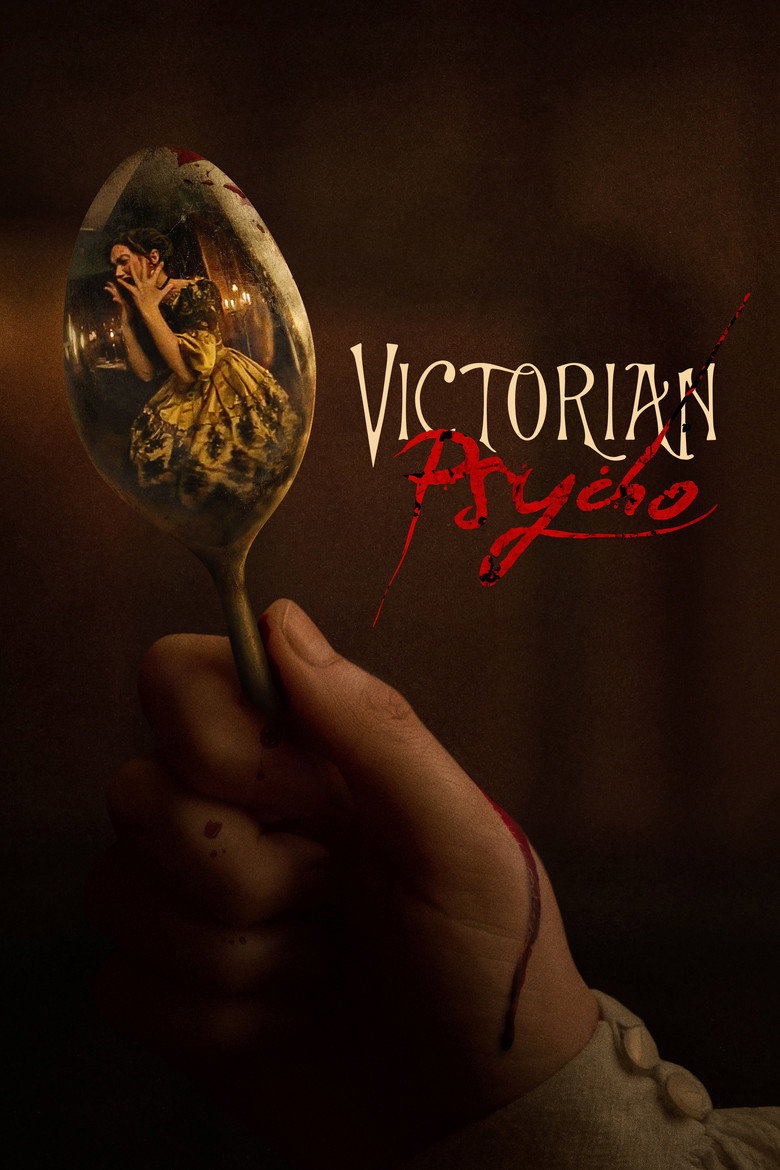
- Victorian Psycho: A dual-timeline mystery that tests whether atmospheric dread survives cinematic pacing
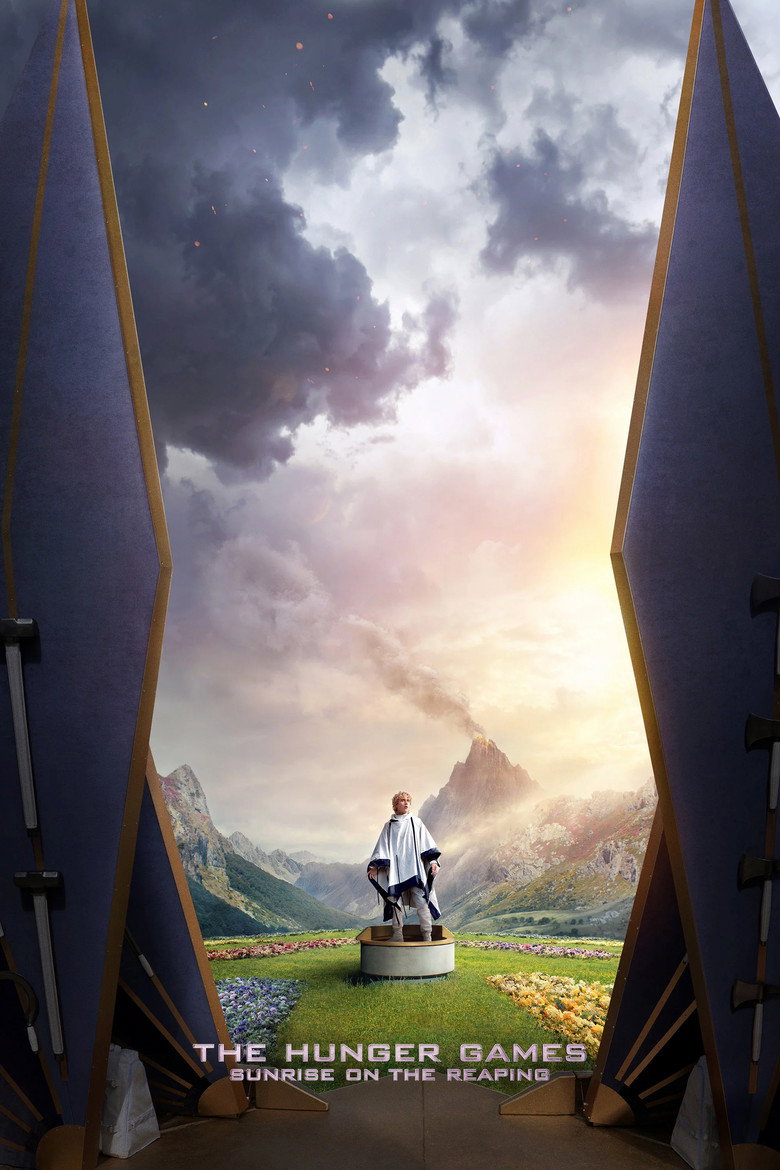
- Wildwood: An illustrated fantasy novel facing the CGI-heavy demands of theatrical world-building
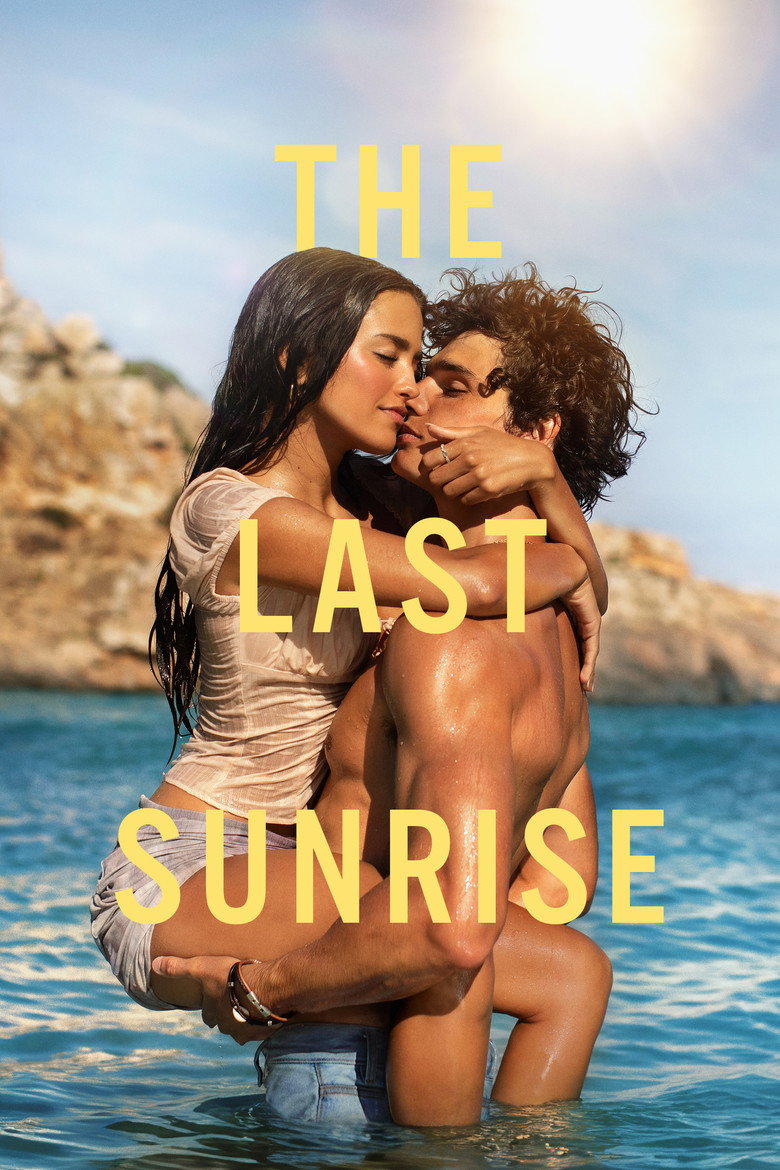
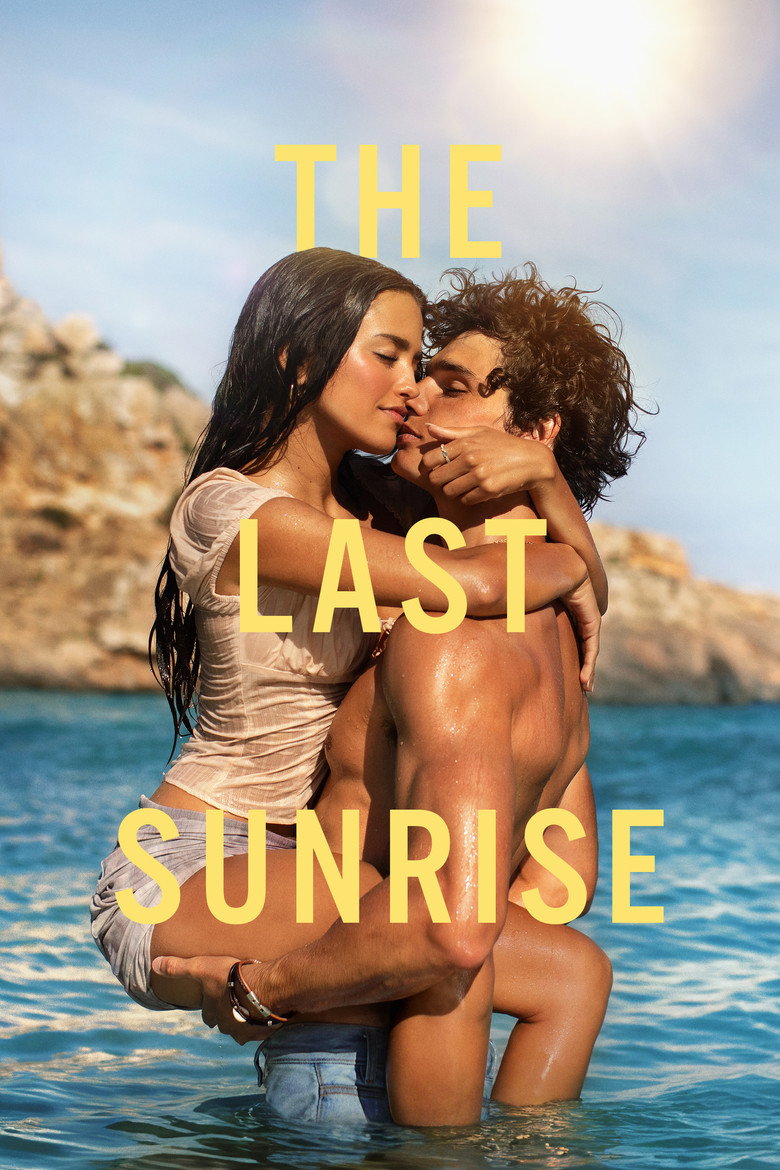
- The Last Sunrise: A romance built on internal monologue navigating the leap to visual storytelling
- How each adaptation changes structure, tone, and character to fit its new medium
- Which version to experience first, and why fidelity is overrated
The Cultural Moment
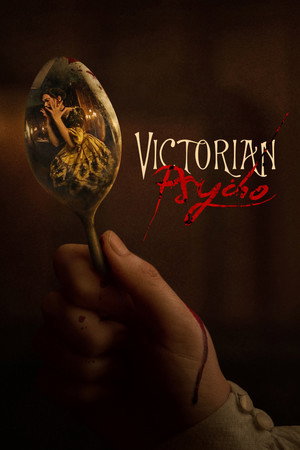

The cultural appetite for Victorian Psycho right now is not nostalgia; it’s a diagnostic tool. Virginia Feito and Anna Burnett’s novel operates on the premise that repressed trauma doesn’t vanish—it metastasizes into the architecture of a community. We are three years into a post-pandemic cultural reckoning where institutional gaslighting, medicalized anxiety, and the collapse of private boundaries dominate the public discourse. A period-set psychological thriller allows audiences to examine those modern fractures at a safe historical remove. The fog-drenched London streets, the rigid class stratifications, the Victorian obsession with propriety masking rotting foundations—it’s a mirror held up to contemporary anxieties about what we’ve been told to ignore. The book’s slow-burn investigation into a series of seemingly unrelated disappearances works because it trusts the reader to sit with ambiguity. Screen adaptations of this caliber are timely because they offer tactile dread in an era of algorithmic noise. You can’t scroll past a creeping sense of wrongness.
That same cultural hunger for grounded tension explains why Wildwood and The Last Sunrise are landing in theaters despite occupying completely different genres. Colin Meloy’s illustrated fantasy taps into a collective exhaustion with hyper-optimized streaming content; audiences want hand-drawn texture, tactile adventure, and a narrative that refuses to over-explain its own magic. Meloy’s background in The Decemberists isn’t just a gimmick—it informs a lyrical, almost folkloric pacing that rejects the three-act industrial standard. Meanwhile, Anna Todd’s The Last Sunrise represents the migration of BookTok’s intimacy-driven romance into mainstream theatrical spaces. The novel’s success wasn’t built on plot twists; it was built on the meticulous charting of emotional hesitation, the way modern dating anxiety manifests in micro-expressions and delayed text messages. When these three titles share a release calendar, it signals a shift: readers and viewers alike are prioritizing psychological texture over spectacle. We don’t want to be dazzled. We want to be recognized.
Book vs. Screen Strengths

Every medium has a native language, and the moment an adaptation stops translating and starts imitating, it dies. Victorian Psycho thrives on the page because of its unreliable first-person narration and its willingness to linger in the narrator’s spiraling internal monologue. The prose style is deliberately claustrophobic—sentences shorten as paranoia mounts, paragraphs fragment as memory fails, and the dual-timeline structure forces the reader to actively piece together causality. That cognitive labor is the book’s greatest strength. The screen version will inevitably externalize that interiority. Cinematic storytelling wins on atmospheric immersion: the way a cinematographer can use shallow depth of field to isolate a character in a crowded ballroom, or how a score can deploy dissonant strings to signal dread before a single line of dialogue is spoken. Where the book demands intellectual participation, the film offers sensory envelopment. Neither is superior; they’re operating on different axes of engagement.
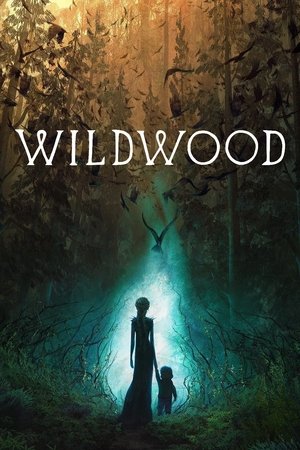
Wildwood faces a starker medium divide. The novel’s strength lies in its hybrid format—Meloy’s prose is interwoven with hand-drawn illustrations that aren’t decorative but narrative. The artwork establishes tone, foreshadows encounters, and grounds the magical realism in a tactile, almost storybook aesthetic. Reading it feels like holding a relic. The screen adaptation’s advantage is kinetic momentum and sonic architecture. A film can orchestrate the chaos of the urban-versus-enchanted-world conflict through rapid editing, practical set pieces, and a sweeping musical score that Meloy himself likely contributes to. The book’s strength is contemplative world-building; the screen’s strength is spatial revelation. When you watch a city fold into a hidden woodland through practical effects and careful blocking, the sense of wonder operates on a physiological level that prose can only approximate.
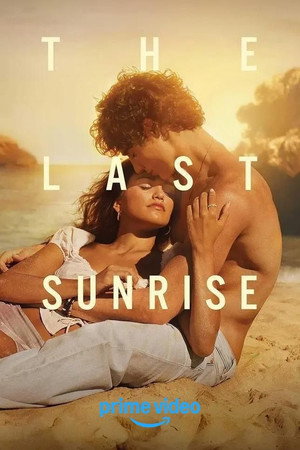
The Last Sunrise highlights the romance genre’s fundamental medium split. The novel’s power comes from its unflinching access to the protagonist’s private emotional calculus—the hesitation before a confession, the re-reading of a letter, the quiet devastation of misaligned expectations. That internal rhythm is nearly impossible to replicate without resorting to voiceover, which almost always flattens romantic tension. The screen version’s strength is visual chemistry and environmental storytelling. A filmmaker can frame two characters in the same room but separated by architectural lines, use natural light shifts to mark emotional turning points, and let an actor’s eye movement carry subtext that would take three pages of prose to articulate. The book wins on psychological granularity; the film wins on embodied presence. If the adaptation leans into visual restraint rather than melodramatic dialogue, it can honor the source material’s emotional core without betraying cinematic grammar.
Adaptation Divergences

Adaptations don’t fail when they change things; they fail when they change the wrong things. Victorian Psycho will almost certainly compress its dual-timeline structure into a linear investigation to maintain theatrical pacing. The novel’s alternating chapters between the historical disappearance and the modern psychiatric evaluation create a deliberate dissonance, forcing the reader to question which timeline is more unreliable. The screen version will likely merge these threads into a single narrative present, using flashbacks sparingly for exposition. This is a structural loss but a narrative gain. Theatrical audiences don’t have the luxury of pausing to cross-reference dates or re-read chapters for clues. By streamlining the timeline, the film trades literary ambiguity for sustained momentum, which is a defensible choice as long as it preserves the core theme: the way institutions sanitize trauma. If the adaptation replaces the book’s psychological ambiguity with a neat villain reveal, it will collapse. If it trusts visual storytelling to carry the uncertainty, it will elevate the material.
Wildwood faces a different divergence trap. The novel’s meta-fictional framing—the idea that the story is being discovered, translated, and annotated by a modern scholar—adds a layer of textual playfulness that anchors the fantasy in reality. Screen adaptations almost always strip this framing to focus on the core adventure, treating the scholarly annotations as optional lore. That’s a loss of intellectual texture, but it’s a necessary one for visual storytelling. A film that spends twenty minutes establishing an academic framing device will alienate general audiences and suffocate the pacing. The adaptation’s success will hinge on whether it replaces that meta-textual layer with visual motifs: recurring symbolic imagery, careful costume design that hints at the story’s fictional origins, and a score that echoes folk traditions rather than generic orchestral swells. The book’s strength is its layered construction; the film’s strength will be its emotional directness. The divergence isn’t a betrayal—it’s a recalibration.
The Last Sunrise will likely externalize the novel’s internal romantic conflicts into set-piece confrontations. The book’s quiet moments of hesitation—the protagonist staring out a window, the deliberate spacing between sentences, the way silence carries more weight than dialogue—are inherently anti-cinematic. The screen version will have to translate that hesitation into blocking, lighting shifts, and actorly restraint. If the filmmakers resort to heightened arguments or contrived obstacles, they’ll destroy the novel’s core achievement: the portrayal of love as a series of terrifying, unscripted choices. If they trust the camera to linger on micro-expressions and use environmental storytelling to mirror emotional distance, they’ll create something that stands on its own. The divergence here is inevitable, but it’s also the adaptation’s greatest opportunity. As we’ve seen in Page vs. Frame: Why 2026's Adaptations Crave Friction, the best crossovers don’t replicate; they renegotiate.
Editor's Verdict
The most common adaptation mistake is assuming fidelity equals quality. It doesn’t. Fidelity is a constraint; quality is a choice. For Victorian Psycho, read the book first. The novel’s dual-timeline structure and unreliable narration demand active reading, and experiencing the source material’s psychological architecture will make the film’s atmospheric choices feel earned rather than decorative. Victorian Psycho earns a 8/10 for its disciplined prose and thematic precision, while the film adaptation is projected to score a 7/10—it will lose some narrative ambiguity but gain cinematic immersion. For Wildwood, watch the film first. The novel’s hybrid format is fascinating but occasionally halting, and the screen version’s kinetic pacing and sonic design will likely deliver the adventure’s emotional core more efficiently. Wildwood scores a 7/10 for its ambitious but uneven structure, while the film is projected to earn an 8/10 for its visual world-building and musical integration. For The Last Sunrise, read the book first. The novel’s emotional granularity is its defining achievement, and the film will only succeed if it resists the urge to inflate quiet hesitation into melodramatic confrontation. The Last Sunrise earns a 7/10 for its intimate character work, while the film is projected to score a 7/10—it will trade psychological depth for visual chemistry, a fair exchange if executed with restraint.
My editor rating of 8/10 for Victorian Psycho reflects its structural ambition and thematic coherence. It lost one point because the final chapter relies slightly too heavily on exposition to resolve the dual-timeline puzzle, undermining the ambiguity that made the preceding pages so compelling. The film adaptation’s most falsifiable claim: the third-act interrogation scene will use practical lighting and confined framing to replicate the novel’s psychological claustrophobia without a single line of voiceover. If it uses a traditional flashback sequence instead, the adaptation fails its core premise. If it trusts the camera to do the work, it will rank as the strongest literary thriller of the year.
These adaptations prove that the page and the frame aren’t competitors; they’re collaborators with different vocabularies. The ones that succeed won’t be the most faithful. They’ll be the most honest about what each medium can actually do.
FAQ
Should I read the book or watch the movie first for Victorian Psycho?
Read the book first. The novel's dual-timeline structure and unreliable narration establish the psychological architecture that the film will compress for pacing. Experiencing the source material first will make the cinematic atmosphere feel earned rather than decorative.
How accurate will the Wildwood adaptation be to the original illustrated novel?
The adaptation will likely strip the meta-fictional scholarly framing to focus on the core adventure, which is a necessary cinematic choice. It will preserve the magical realism and folkloric tone but translate the hybrid text-image format into visual motifs and musical scoring rather than literal illustrations.
Will The Last Sunrise movie use voiceover to adapt the book's internal monologue?
The film will almost certainly avoid voiceover to prevent flattening the romantic tension. Instead, it will rely on actorly restraint, blocking, lighting shifts, and environmental storytelling to externalize the novel's internal emotional calculus, which is a standard but effective adaptation technique for intimate romance.