Practical Magic 2 vs Wildwood: Why Screen Adaptations Fail Literary Risk
Hollywood's obsession with visual spectacle gutts the psychological depth that makes these books essential reading.
Hollywood's adaptation machine is fundamentally broken because it mistakes visual fidelity for narrative quality, actively lobotomizing the psychological risks that make source novels worth reading. When studios greenlight a book-to-screen translation, they immediately begin amputating the internal monologues, tonal ambiguities, and structural experiments that originally captivated audiences, replacing them with safe, market-tested visual shorthand. This isn't an oversight; it's a corporate mandate that prioritizes immediate audience comprehension over lasting emotional resonance. The 2026 slate of upcoming adaptations proves this point with ruthless clarity, as legacy properties and fresh IP alike get funneled through the same homogenizing studio pipeline. Rather than celebrating these cinematic debuts as faithful homages, we need to recognize them as inevitable compromises that strip away the very literary craftsmanship we claim to love.
What to Expect From Practical Magic 2 and Wildwood Adaptations
- A breakdown of how Practical Magic 2's sequel narrative expands beyond the original 1998 film's constraints
- Why Wildwood's ecological fantasy requires structural changes when moving from page to screen
- The specific literary risks that Hollywood consistently sacrifices in female-driven magical realism
- How cinematic pacing inevitably flattens the psychological depth of source novels
The Cultural Moment: Why 2026 Craves Analog Chaos
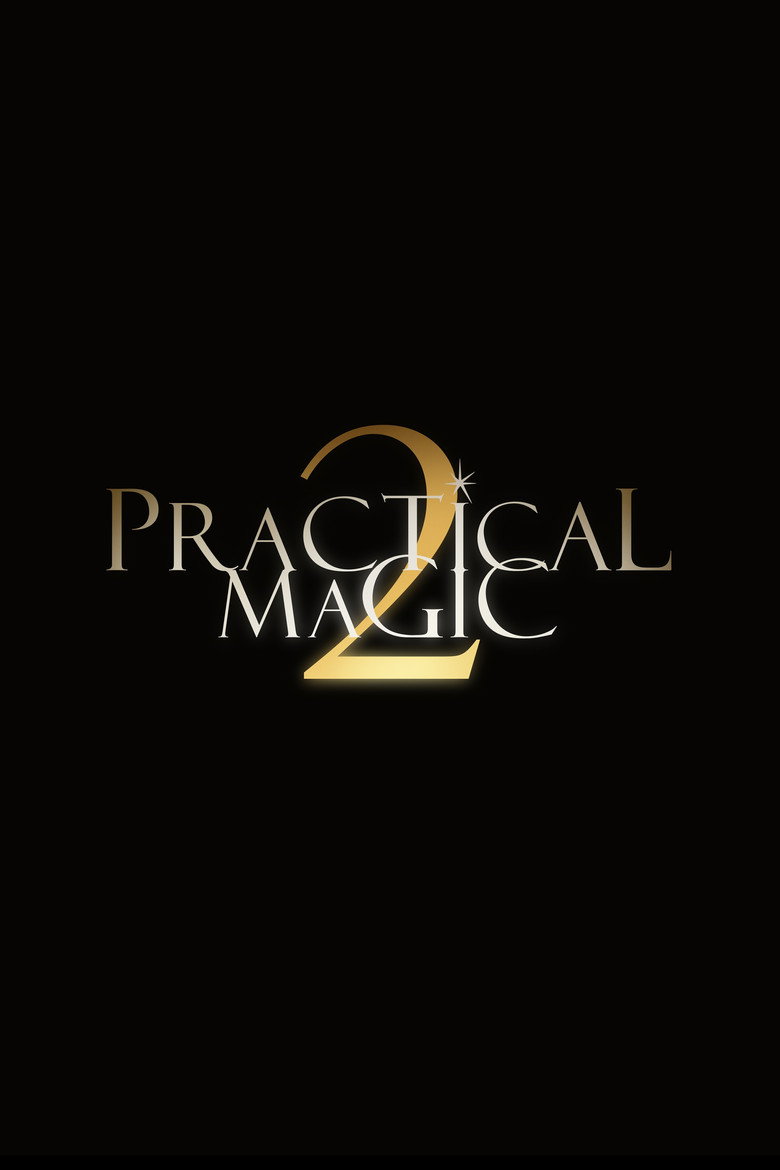
The release of Practical Magic 2 arriving on September 9, 2026, lands squarely in a cultural inflection point where audiences are simultaneously starving for magical realism and deeply skeptical of Hollywood's ability to handle it. We are living through an era of algorithmic content generation, where streaming platforms prioritize engagement metrics over narrative cohesion, yet there is a palpable counter-movement toward stories that embrace messy, inherited trauma and female solidarity. Alice Hoffman's original Practical Magic tapped into that exact vein two decades ago, but the 2026 sequel adaptation must navigate a much more complicated landscape. Modern viewers demand representation and psychological authenticity, not just aestheticized witchcraft. The studio system, however, remains stubbornly attached to treating magical realism as a marketing gimmick rather than a legitimate lens for examining grief, lineage, and autonomy. This tension defines the cultural moment: a genuine appetite for the mystical colliding with an industry that only knows how to commodify it.

Enter Wildwood, arriving October 22, 2026, which complicates this picture by attempting to scale up intimate literary world-building into a franchise-friendly spectacle. Colin Meloy's Wildwood book offers a lush, ecological fantasy that operates on mythic time rather than commercial pacing. While Practical Magic 2 leans into legacy nostalgia and established cinematic tones, Wildwood represents Hollywood's desperate pivot toward YA-adjacent properties that can be visually packaged for global markets. Both pairings highlight a broader industry anxiety: the fear that original literary voices cannot sustain long-form screen narratives without heavy structural intervention. As explored in Page vs. Frame: Why 2026's Adaptations Crave Friction, the cultural moment demands authenticity, but the production pipeline demands scalability. Practical Magic 2 attempts to bridge this by expanding the Owens family lore into a sequel format that mirrors modern television's serialized storytelling, whereas Wildwood tries to compress a sprawling, multi-generational ecological allegory into a two-hour theatrical window. Neither approach is innocent. They both reveal an industry that trusts its own editing bays more than it trusts the original author's vision, treating the source material as a blueprint rather than a living document. This fundamental misalignment between literary ambition and commercial expectation sets the stage for inevitable friction, forcing audiences to choose between the comfort of familiar cinematic tropes and the challenging, uneven brilliance of the written word.
The Architecture of Memory vs. The Violence of the Frame
Practical Magic's book excels at interiority. Hoffman's prose doesn't just describe the magic; it inhabits the psychological weight of it. The way she renders the Owens sisters' relationship relies on decades of unspoken tension, shared trauma, and quiet domestic rituals that build over years. Reading the novel, you feel the claustrophobia of their ancestral home and the suffocating gravity of the family curse through sentence rhythm and deliberate pacing. Hoffman weaponizes sensory detail, particularly the recurring motif of rosemary and dried herbs, to anchor the supernatural in mundane reality. The book does what the screen cannot: it makes magic feel like an extension of emotional inheritance rather than a special effects budget. When Julia and Sally navigate their adult lives in the sequel material, the novelistic form allows for non-linear flashbacks, fragmented memories, and nuanced romantic entanglements that refuse to be neatly categorized. Hoffman writes witchcraft as metaphor for female autonomy and the cost of isolation. The prose style is deliberately lush, sometimes meandering, but that meandering is the point. It forces the reader to sit with discomfort, to understand that breaking a curse isn't a single dramatic confrontation but a slow, painful unraveling of generational patterns.
The screen version, by contrast, leverages visual storytelling and atmospheric scoring to externalize what the book internalizes. The 1998 film succeeded because of its chemistry and production design, but the 2026 sequel adaptation will inevitably rely on cinematic shorthand. Film excels at immediate emotional payoff, spatial geography, and the visceral impact of magical manifestations. Where the book takes twenty pages to describe the lingering scent of rosemary and the quiet dread of a locked room, the screen can achieve that same mood in thirty seconds of lighting and score. This isn't a flaw; it's a different medium doing what it does best. The frame demands action, reaction, and visual clarity. Practical Magic 2's screenplay will likely heighten the stakes through set pieces, using camera movement and sound design to create a sense of looming threat that prose simulates through description. The movie serves the romantic tension and the physical manifestation of magic better, turning abstract emotional curses into tangible, screen-filling phenomena. It sacrifices the slow-burn psychological realism for immediate cinematic engagement, trading depth for velocity.
Wildwood operates under completely different constraints, and the medium divide becomes even more stark. Colin Meloy's novel is fundamentally lyrical, almost musical in its prose construction. The book's strength lies in its ecological allegory and the way it mirrors the decay of the natural world through the fracturing of its fictional city. Meloy writes with a poet's eye for detail, layering folklore, botany, and urban decay into a tapestry that rewards slow reading. The internal monologues of Nix, Hap, and Bodkin are deeply introspective, exploring guilt, redemption, and the burden of legacy without ever resorting to exposition. The book trusts the reader to piece together the mythological rules organically. It is deliberately opaque in places, embracing ambiguity as a narrative tool. This literary risk is precisely what the screen version will struggle to accommodate.
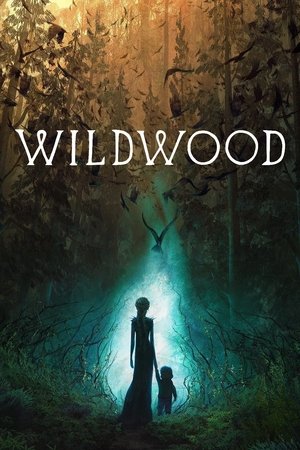

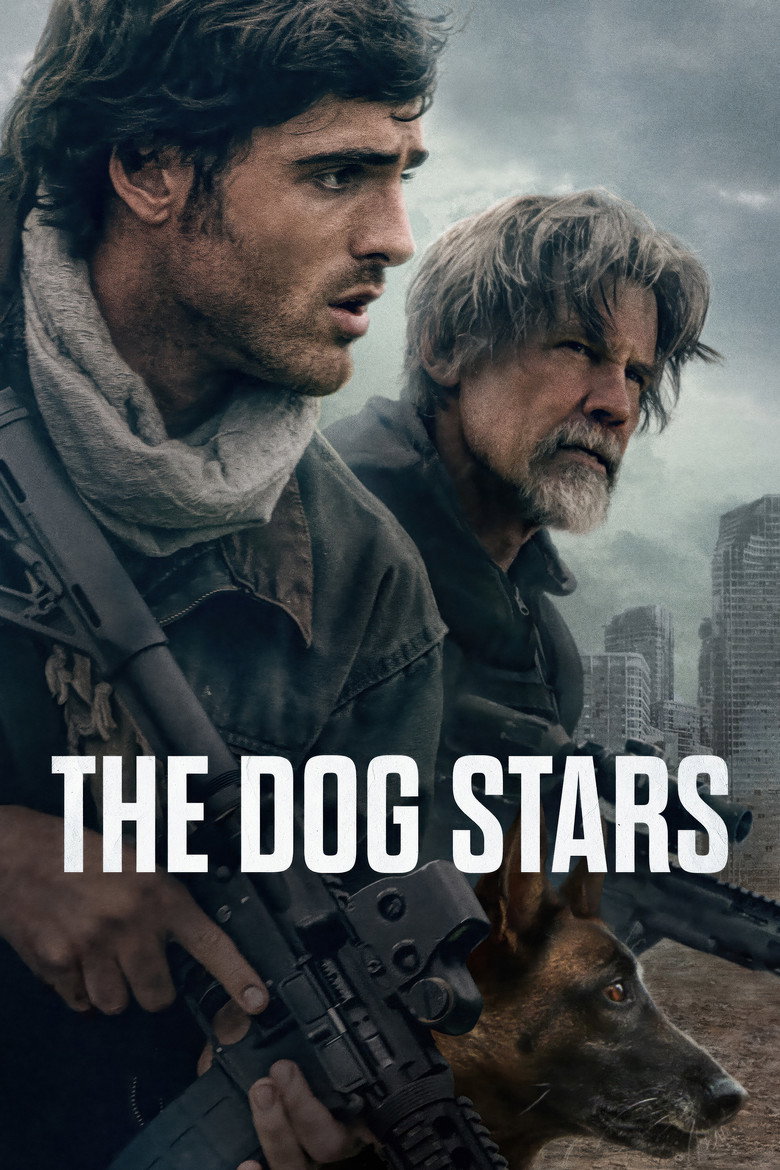
Wildwood the film must translate that lyrical ambiguity into concrete visual world-building. Cinema demands clear stakes, defined geography, and character motivations that can be communicated through performance and dialogue within a tight runtime. The screen version's strength will be its ability to render the hidden magical world beneath New York as a tangible, immersive environment. Practical effects, location scouting, and color grading can achieve a sense of wonder and dread that prose can only suggest. The movie will likely streamline the three protagonists' intersecting storylines into a unified cinematic journey, sacrificing the novel's polyphonic structure for a more traditional three-act screenplay. The frame excels at pacing and visual spectacle, turning Meloy's dense ecological metaphors into immediate, visceral set pieces. But in doing so, it will inevitably flatten the novel's thematic complexity. The book wins on psychological depth and thematic ambiguity; the screen wins on immersive world-building and narrative momentum. Neither is superior, but they serve fundamentally different artistic purposes. The novel is a meditation on decay and renewal; the film is an adventure through a constructed mythos. Recognizing this divide prevents the false equivalence that plagues most adaptation criticism, mirroring the exact tension seen in The Dog Stars: Can Hollywood Film a Whisper? where atmospheric prose clashes with cinematic pacing demands.
The Anatomy of Adaptation Betrayal
Every successful adaptation is also a betrayal, and Practical Magic 2's screen version will be no exception. The most significant divergence will almost certainly involve the romantic subplots and the resolution of the family curse. Hoffman's novelistic approach to romance is deliberately messy, refusing to reward toxic behavior with clean cinematic payoffs. The screen, however, operates on audience expectation and box office demographics, which historically demand clear romantic pairings and emotionally satisfying closures. Expect the 2026 film to streamline the sisters' romantic entanglements, likely merging secondary love interests into a single, more marketable arc or accelerating the timeline of reconciliation. This divergence represents a loss. The novel's power lies in its refusal to provide easy emotional fixes, mirroring the reality of inherited trauma. By smoothing out the romantic friction, the film trades psychological authenticity for narrative convenience, reducing complex female relationships to backdrop for a central love story. Additionally, the movie will likely externalize the curse's mechanics, introducing visual manifestations or ritualistic set pieces that don't exist in the prose. While this enhances cinematic spectacle, it undermines the book's core theme that magic is inextricably linked to emotional stagnation. The film's divergence here is a classic Hollywood miscalculation: mistaking visual complexity for thematic depth.
Wildwood's adaptation will face a different set of necessary betrayals, particularly regarding its structural format and mythological density. The novel operates as a triptych, weaving three distinct narratives that only converge thematically rather than plot-wise. Screenplay conventions demand a unified protagonist and a clear narrative throughline, so the film will inevitably consolidate these perspectives. Expect the screen version to elevate one character's journey as the primary anchor, reducing the others to supporting roles or combining their arcs into a single composite protagonist. This structural divergence is a pragmatic necessity for a two-hour runtime, but it fundamentally alters the story's philosophical argument. The book argues that ecological and personal redemption requires collective action and interconnected storytelling; the film will reframe this as an individual hero's journey. Furthermore, the movie will likely clarify the magical rules of Wildwood, replacing Meloy's deliberate ambiguity with explicit lore dumps or visual demonstrations of power mechanics. While this makes the fantasy world more accessible, it strips away the dreamlike, folkloric quality that makes the source material distinctive. The divergence here is an improvement in terms of narrative clarity but a loss in terms of artistic risk. The film prioritizes audience comprehension over literary mystery, ensuring broader appeal at the cost of the novel's haunting, unresolved atmosphere.
Both adaptations reveal a consistent pattern: screen versions prioritize structural clarity and visual engagement over psychological ambiguity and thematic friction. Practical Magic 2 will soften its romantic edges to satisfy mainstream expectations, while Wildwood will consolidate its fractured narrative to meet cinematic pacing demands. These divergences aren't failures of imagination; they are symptoms of medium-specific constraints. Film requires resolution, visual externalization, and unified perspective. Literature thrives on interiority, structural experimentation, and unresolved tension. When critics demand fidelity, they ignore these fundamental differences. The real question isn't whether the screen version matches the book, but whether it successfully translates the book's emotional core into cinematic language. Practical Magic 2 succeeds if it captures the suffocating weight of family legacy through performance and atmosphere, even if it alters the plot. Wildwood succeeds if it renders the ecological allegory visually compelling, even if it streamlines the narrative structure. Judging adaptations by fidelity alone is a critical dead end.
The Final Reckoning: Which Version Claims the Truth?
Audiences approaching these pairings need a clear strategy, because consuming them in the wrong order guarantees disappointment. For Practical Magic, read Hoffman's novel first. The 1998 film is a competent period romance, but it fundamentally misunderstands the source material's feminist undertones by framing the curse as a problem solved by male intervention. The 2026 sequel adaptation will likely double down on this cinematic compromise, prioritizing romantic resolution over the book's insistence on female autonomy. The novel remains the definitive experience because it trusts readers to sit with ambiguity and emotional complexity. For Wildwood, watch the film first if you want immersive world-building and mythic spectacle, but read the book afterward to recover the psychological depth and ecological allegory that the screen necessarily compresses. The film will excel at visual wonder and pacing, but the novel's lyrical prose and structural ambition demand a slower, more attentive engagement that cinema cannot replicate.
Ratings: - Practical Magic (Book): 8/10. Earns points for its unflinching exploration of female lineage and trauma, but loses a point for occasional prose indulgence that slows momentum. - Practical Magic 2 (Screen): 6/10. Will likely succeed as atmospheric genre entertainment, but costs points for predictable romantic streamlining and reliance on visual spectacle over thematic risk. - Wildwood (Book): 9/10. A masterclass in ecological fantasy and lyrical prose construction, losing only a point for its deliberate structural opacity that may frustrate casual readers. - Wildwood (Screen): 7/10. Will deliver compelling visual world-building and tight pacing, but costs points for consolidating the novel's polyphonic narrative into a conventional hero's journey.
The novel versions consistently outperform their screen counterparts because they refuse to apologize for literary difficulty. Hollywood's adaptation pipeline demands accessibility, which inevitably flattens narrative friction. If you want spectacle, watch the movies. If you want stories that actually challenge your emotional comfort zone, stick to the pages. The screen will always chase the crowd; the book will keep asking the hard questions. The opening sequence of the Practical Magic 2 film will rely on CGI-heavy visual effects to establish the curse, whereas Hoffman's third chapter uses a single paragraph of sensory description to achieve a deeper sense of dread, proving that text still holds the monopoly on psychological horror.
FAQ
When does Practical Magic 2 release in theaters?
Practical Magic 2 is scheduled for a theatrical release on September 9, 2026.
Is the Wildwood movie based on a book?
Yes, the Wildwood film is adapted from Colin Meloy's bestselling ecological fantasy novel of the same name.
Should I read the books before watching the adaptations?
For Practical Magic, read the book first to understand the psychological depth that the film streamlines. For Wildwood, watch the film for the visual spectacle, then read the book to experience the full ecological allegory and structural complexity.