Blade Runner's Neon Dream: Why Original Sci-Fi Still Reigns
In a cinematic landscape dominated by sequels and reboots, Ridley Scott's 1982 masterpiece demands re-evaluation, challenging today's comfort zone.
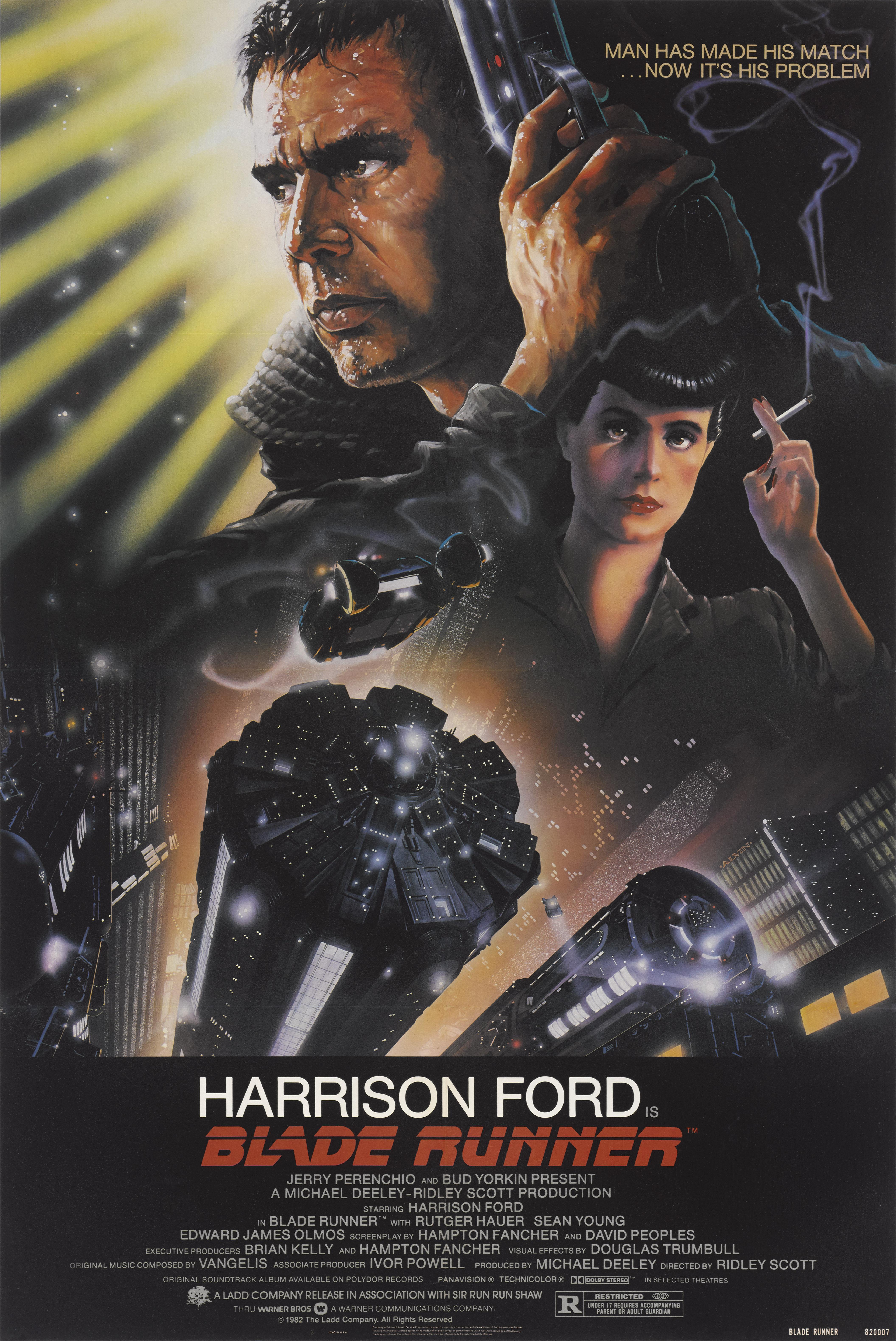
In an age where the multiplex is dominated by IP-driven comfort food and algorithms nudge us toward the narratively safe, it's easy to forget what truly ambitious science fiction cinema looks like. We're awash in predictable universes and CGI spectacle, often at the expense of genuine intellectual curiosity or groundbreaking visual artistry. It's a landscape where every new release seems to be a sequel, a remake, or an adaptation carefully calibrated to hit familiar beats. But if you're feeling a profound fatigue for the expected, it's time to revisit a true iconoclast: Ridley Scott's Blade Runner.
The Enduring Allure of Neo-Noir Futures
- Blade Runner's philosophical depth challenges viewers with profound existential questions about humanity, memory, and artificial intelligence.
- Its unparalleled visual design and soundscapes redefined cyberpunk, inspiring countless films, games, and fashion trends for decades.
- The film demands active audience engagement, rewarding patience with layers of meaning rather than spoon-fed exposition.
- Its themes of humanity and AI resonate more powerfully than ever in 2026, making it remarkably prescient.
The Replicant Test: Blade Runner's Uncompromising Vision
When Blade Runner first landed in 1982, it was a box office disappointment, largely because it refused to play by the rules. This wasn't the heroic space opera audiences were conditioned for; it was a gritty, rain-slicked neo-noir set in a dystopian Los Angeles, a labyrinthine meditation on what it means to be alive. Harrison Ford's Deckard isn't a conventional hero; he's a weary, morally ambiguous bounty hunter tasked with 'retiring' rogue artificial humans, or Replicants. The film's genius lies in blurring the lines between man and machine, forcing us to question where empathy truly resides.
Scott's direction is a masterclass in world-building. Every detail of the perpetually dark, overcrowded city screams decay and advanced technology. The slow, deliberate pacing, often punctuated by Vangelis' haunting synth score, pulls you into its oppressive atmosphere. And then there's Rutger Hauer's unforgettable performance as Roy Batty, the eloquent, terrifying, and ultimately heartbreaking Replicant leader. His climactic
FAQ
Is 'Blade Runner' hard to watch for new viewers?
Yes, its slow pace and ambiguity challenge expectations for fast-paced action, but its visual artistry and philosophical depth profoundly reward patience. It's an experience, not passive entertainment.
What's the best version of 'Blade Runner' to watch?
The Director's Cut (1992) or The Final Cut (2007) are widely considered superior, restoring crucial elements and removing studio interference to better align with Ridley Scott's original vision.