Hollywood's Trailer Problem: You're Selling the Plot, Not the Movie
In a race to spoil their own films, studios have forgotten that the best trailers don't show you what a movie is about—they make you feel it. A few upcoming films might just remember the art of the tease.
In an age where a two-minute trailer can spoil a two-hour film, what is the true purpose of movie marketing? It's not to sell you a plot, but to infect you with a mood.
That’s the answer, and it’s one Hollywood seems to have collectively forgotten. We are drowning in a sea of trailers that function as hyper-caffeinated plot summaries, meticulously walking us through the first act, hinting at the second-act turn, and winking at the climactic showdown. This obsession with narrative hand-holding isn’t just insulting; it’s commercially and artistically bankrupt. It trades the magic of discovery for the safety of a checklist, ensuring the audience walks in knowing exactly what to expect. The real art of the trailer—the potent, atmospheric tease that sinks its hooks into your subconscious—is becoming a relic. But amid the noise, a few upcoming films offer a chance at redemption by hinting at an older, better way.
What Makes a Movie Trailer Effective in 2026?
This article argues that the most compelling trailers prioritize atmosphere over exposition. We'll explore this thesis by analyzing the marketing potential and pitfalls of several trending films:
- An analysis of the upcoming thriller Obsession and why its success hinges on a trailer that builds dread, not a case file.
- A look at the high-concept actioner Fuze and the delicate balance between explaining the premise and spoiling the execution.
- Why the horror-comedy Over Your Dead Body needs a trailer that sells its unique tonal blend without giving away the best gags and scares.
- How the romantic drama Miss You, Love You must aim for emotional resonance over a beat-by-beat romantic synopsis.
The Modern Trailer's Cardinal Sin: The Plot Summary
The contemporary blockbuster trailer is a masterclass in self-sabotage. It’s a format born of fear—fear that you, the viewer, are too distracted to grasp a concept without being led by the nose. Take any major franchise entry from the last five years. You’ll see the call to action (“The world is in danger…”), the assembling of the team, the introduction of the villain, a shot of the hero at their lowest point, and a final money shot of an explosive set piece. It’s a formula so rigid it feels algorithmically generated.
This trend is a symptom of a larger creative crisis in cinema, one where originality is seen as a risk to be mitigated. The trailer becomes the first line of defense against audience uncertainty. By showing everything, the studio hopes to promise a safe, predictable return on the viewer's investment of time and money. But what it actually does is strip the film of its power. The gasp of a great reveal, the shock of a sudden turn, the delight of an unexpected character interaction—all are sacrificed at the altar of market-tested clarity. The trailer ceases to be an advertisement and becomes a spoiler. It’s not a teaser; it’s a closing argument delivered before the trial has even begun.
The Antidote: Marketing a Mood, Not a Map
The alternative is simple in concept but requires immense confidence in execution: sell the feeling. The greatest trailers are tone poems. They are meticulously crafted short films that evoke the emotional and atmospheric texture of the main feature without slavishly adhering to its narrative. They trust the audience to connect the dots and, more importantly, to become intrigued by the empty spaces.
This is the tightrope that the upcoming thriller Obsession must walk.
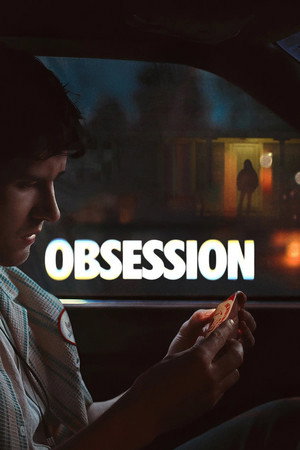
A film with a title like Obsession lives and dies by its ability to generate psychological dread. A failed trailer for this movie is easy to imagine: it opens with a meet-cute, shows the relationship souring, reveals the protagonist's stalking behavior, introduces a concerned friend or detective, and ends with a shot of someone holding a knife. It would tell you the entire story, leaving nothing but the gory details for the theater. It's a paint-by-numbers approach to marketing a thriller.
A brilliant trailer, however, would do the opposite. It would be a collage of unnerving sensory details. Quick cuts of a character watching from a distance, the sound of breathing slightly too close, a door handle turning with excruciating slowness, a line of dialogue that sounds loving in one context and menacing in another. It wouldn't explain the relationship or the motive. It would simply immerse you in a state of paranoia and unease. The score would be minimalist and dissonant, the color palette cold and claustrophobic. The goal isn't to make the audience understand the plot; it's to make their skin crawl. It's to leave them with a lingering feeling of being watched, a question that echoes long after the title card: not “What happens?” but “How far will this go?” That is the essence of marketing a mood, and for a psychological thriller, it's the only approach that does the genre justice.
The Counterargument: "But I Need to Know What It's About!"
Defenders of the plot-summary trailer will argue that audiences need a clear, concise hook. Without context, they say, a moody, atmospheric trailer is just an arthouse experiment that will alienate the mainstream. This is a fundamental misunderstanding of what a “hook” is. A hook is a premise, not a full synopsis. It's the elevator pitch, not the entire screenplay. You can establish a compelling concept without revealing how that concept plays out.
Consider the challenge facing Fuze, a title that screams high-concept action.
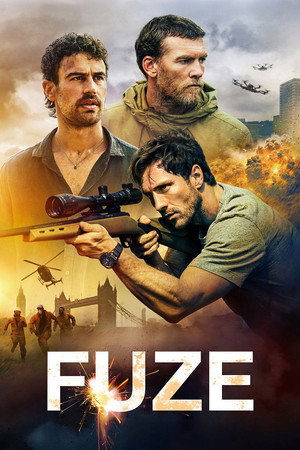
The lazy trailer for Fuze would spell out its entire premise in the first 30 seconds via a gravelly voiceover or military briefing. “In 24 hours, an unexploded bomb from a bygone war will be detonated. The city is being evacuated. But for one team of thieves, it’s the perfect cover for the heist of the century.” The rest of the trailer would then be a predictable montage: the team assembling, the plan going wrong, a key member getting double-crossed, and our hero sprinting away from a fireball. We've all seen this trailer a hundred times.
A smarter trailer trusts its audience. It would open with the eerie silence of an empty city. No explanation. Just abandoned cars, newspapers blowing down deserted streets. Then, the introduction of the ticking clock—not through dialogue, but through sound design. A rhythmic, metallic click. We see our crew, tense and focused, their actions precise. We get a glimpse of their objective—a vault, a server, a case—but their goal remains secondary to the suffocating tension of the environment. The hook is delivered visually and sonically. The audience understands the stakes (empty city, ticking clock, high-security job) without needing a single line of expository dialogue. The trailer sells the film's core tension and visual grammar, promising a slick, nerve-wracking heist film where the setting itself is the primary antagonist. It gives you the compelling premise—a heist in a ghost town—and leaves the a, b, and c of the plot refreshingly, enticingly blank.
Genre-Bending and the Perils of the Punchline
Nowhere is the trailer-as-spoiler more damaging than in comedy and horror, two genres that rely entirely on the element of surprise. A jump scare explained is a jump scare neutered. A punchline revealed is a joke assassinated. For a film that dares to blend the two, like the upcoming Over Your Dead Body, the marketing is a minefield.
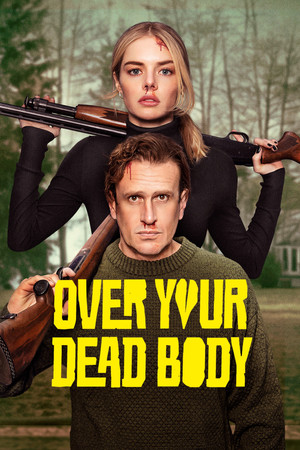
The title itself suggests a gallows humor, a premise where death and absurdity collide. The worst possible trailer would lean too heavily on either side of its genre coin. A purely horror-focused trailer would mis-sell the film to gore-hounds who would feel cheated by the comedy. A trailer that just shows a string of decontextualized gags would make it look like a cheap spoof, spoiling the best lines in the process. This is the fate of most mainstream comedy trailers, which often feel like a two-minute highlight reel of the movie's funniest moments, leaving the actual film feeling like a collection of B-sides.
The successful trailer for Over Your Dead Body must sell its unique, singular tone. It must master the art of juxtaposition. Show a moment of genuine, atmospheric creepiness, then immediately cut it with a line of deadpan, understated dialogue that re-contextualizes the horror as something mundane and hilarious. The goal is to demonstrate the film's specific comedic rhythm. It's about showing how the film is funny, not just that it's funny. It should feature one, maybe two, perfectly chosen jokes that establish the movie's personality without giving away the big set pieces. The trailer for a film like this shouldn't be a collection of punchlines; it should be a mission statement for its brand of dark, witty, and possibly blood-soaked entertainment.
The Emotional Core: When Feeling is the Plot
If plot-heavy trailers damage action and horror, they utterly destroy dramas and romances. For these films, the narrative journey is the entire point. Revealing the emotional arc of the characters in a two-minute montage is like reading the last page of a novel first. It renders the experience hollow.
This brings us to Miss You, Love You, a film whose success will depend entirely on the audience's emotional investment.
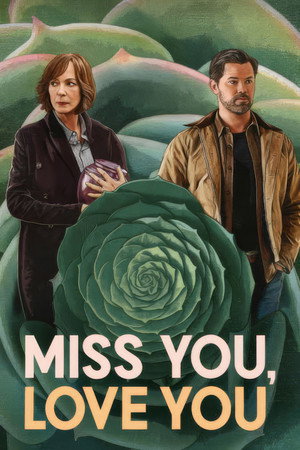
A trailer that maps out the entire relationship—the meet-cute, the first kiss, the inevitable conflict, the tearful separation, the hopeful reunion—is an act of cinematic malpractice. It reduces a potentially complex and nuanced story to a series of tired tropes. It tells the audience, “You know this story, here are our particular faces in the familiar roles.” It's marketing that mistakes emotional beats for plot points.
The only way to sell this film honestly is to sell the chemistry between its leads. The trailer should be a mosaic of fleeting moments: a shared look across a crowded room, the comfortable silence between two people who know each other intimately, a hand reaching for another and hesitating. The dialogue should be sparse, suggestive, and charged with subtext. The music choice is paramount—it must do the emotional heavy lifting, conveying a sense of longing, joy, or heartache. The trailer for Miss You, Love You shouldn't tell us a love story; it should make us feel one. It must create a powerful sense of intimacy and history between the characters, so that we aren't just curious about what happens to them, but are already deeply invested in their fate. That is a hook more powerful than any plot twist.
Editor's Verdict
In this landscape of over-sharing, the films that will truly capture our imagination are the ones whose marketing campaigns show the courage of their convictions. They will trust that a well-crafted mood is more seductive than a detailed synopsis, and that the greatest thrill lies not in knowing what's coming, but in the breathless anticipation of the unknown. The potential for a film like Obsession to do this correctly makes its marketing campaign one of the most interesting to watch.
Editor's Rating: 8/10
The marketing potential for Obsession earns an 8. A perfectly executed, atmospheric trailer for this film could be a chilling piece of art in its own right, a benchmark for how to sell psychological tension. It gains points for the opportunity to reject genre clichés and build suspense through pure craft. It loses a couple of points because this artistic approach carries a commercial risk; a trailer that is too subtle or abstract risks being ignored by a mainstream audience conditioned to expect narrative clarity above all else. Success requires a perfect, surgical balance.
Editor's Verdict: The hypothetical trailer for Obsession is a masterclass in restraint, proving that the most terrifying thing a thriller can show you isn't the killer's knife, but the unsettling calm in the victim's eyes just before the reveal.
FAQ
Why are so many movie trailers accused of spoiling the entire movie?
Studios often rely on market research and test audiences that respond positively to trailers showing key plot points and major set pieces. This creates a risk-averse marketing strategy where trailers function as a condensed version of the film to ensure audience comprehension and interest, even if it sacrifices the element of surprise.
What is a 'tone poem' trailer?
A 'tone poem' trailer is a style of movie preview that prioritizes establishing a film's mood, atmosphere, and feeling over explaining its plot. It uses carefully selected imagery, music, and sound design to sell an experience rather than a linear narrative. The trailers for films by directors like Terrence Malick are often cited as prime examples.
Are longer trailers more likely to contain spoilers?
Not necessarily, though it is a common correlation. A well-edited three-minute trailer can maintain mystery better than a poorly-edited 90-second one. The issue is less about length and more about the marketing philosophy: whether the goal is to tease a story or to summarize it.