Cinema's Creative Crisis: Ditch Dune 3 for a Vacation
The obsessive hype for endless sequels like 'Dune: Part Three' and 'Avengers: Doomsday' is a symptom of a risk-averse industry. The real heart of filmmaking beats in smaller, sharper stories.
The fluorescent lights of the Century City conference room hummed, reflecting off the glass table and the sweat on the young writer’s brow. She had just poured her soul into pitching a contained, character-driven thriller—a story about a parole officer and her most dangerous client, tangled in a web of secrets in a forgotten corner of rural Ohio. The studio executive, a man whose expression hadn't changed in forty-five minutes, steepled his fingers. He leaned forward, his voice a flat monotone. "I get it. It's smart," he conceded. "But where's the universe? Can this parole officer meet other parole officers from other states? Can her client's secret be tied to a larger, pre-existing mythology we own? Give me three movies and a prequel series, and we've got a conversation."
This isn't just a scene; it's the operating philosophy of modern Hollywood. We are drowning in a sea of sequels, prequels, and multiversal tie-ins, and the deafening online buzz for upcoming behemoths like Dune: Part Three and Avengers: Doomsday is presented as proof of audience demand. It's not. It's a symptom of a deep-seated creative sickness: a corporate culture so terrified of failure that it has chosen to endlessly embalm its past successes rather than risk creating a new one. The hot take isn't that these sequels might be bad; it's that their very existence, and the cultural space they occupy, is actively preventing better, more interesting films from thriving.
Hollywood's Sequel Obsession vs. Original Storytelling
- An analysis of why franchises like Dune: Part Three and Avengers: Doomsday dominate the cultural conversation.
- A deep dive into the creative challenges and potential of book adaptations like People We Meet on Vacation.
- A critique of the "cinematic universe" model and its impact on standalone films.
- Examining why original, high-concept movies like I Swear represent the true future of cinema.
The Gilded Cage of the Guaranteed Hit
Let's be clear: Denis Villeneuve's first two Dune films are towering cinematic achievements. They are miracles of craft, scale, and vision. Which is precisely why the prospect of Dune: Part Three, adapting Frank Herbert's Dune Messiah, should fill you with dread, not excitement.
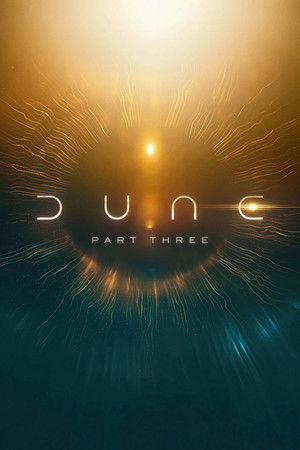
Dune Messiah is not a blockbuster novel. It is a dense, melancholic, and deeply cynical deconstruction of the very hero's journey the first book established. It's a political thriller composed of palace intrigue, philosophical monologues, and a tragic unraveling of its protagonist. Paul Atreides is no longer the triumphant chosen one; he is a trapped emperor, a prisoner of his own prescience, presiding over a bloody jihad he is powerless to stop. The book's climax is not a spectacular battle, but an act of intimate, horrific violence followed by a profound spiritual retreat. How, exactly, does a studio that needs to sell a billion dollars' worth of tickets and action figures market that? The answer is: they can't. The commercial success of Dune: Part Two has built a gilded cage for Villeneuve. He will be under immense pressure to inject massive set-pieces and conventional action beats into a story that is actively hostile to them, likely betraying the novel's entire thematic purpose in the process. We're not anticipating a movie; we're anticipating a compromise.
If Dune represents the trap of prestige IP, then Avengers: Doomsday represents the endpoint of the content factory model.
The Marvel Cinematic Universe has become homework. Its narrative threads are so tangled, its character introductions so numerous, that keeping up requires a spreadsheet and a slavish devotion to hours of mediocre streaming shows. The excitement for Doomsday feels less like genuine anticipation for a story and more like a desperate hope for a narrative reset—a multiversal event so big it can wipe the slate clean and make the universe coherent again. The film exists not because a writer had a burning story to tell, but because a slot on a five-year release calendar needed to be filled. Its promise is not one of emotional depth or thematic resonance, but of logistical culmination. It's the ultimate example of the industry's focus on "how" (how do we get all these characters in one place?) over "why" (why should we care?). This is the very definition of the IP security blanket I've written about before in the context of animation, a problem that has now consumed live-action.
The Flawed Logic of Familiarity
The immediate counter-argument, of course, is that studios are simply giving audiences what they want. The box office numbers don't lie. People flock to see what they know. But this argument is laughably simplistic. It ignores the fact that audiences are conditioned by a multi-billion dollar marketing apparatus that makes these films feel like non-negotiable cultural events. The hype is manufactured. The familiarity is a product. You are not choosing a movie; you are participating in a pre-ordained phenomenon.
This isn't a desire for story; it's a desire to be part of the conversation. And in doing so, we collectively ignore the films that have to earn our attention through word-of-mouth, critical acclaim, and the simple, radical act of being good on their own terms.
Where Real Cinematic Vitality Lies
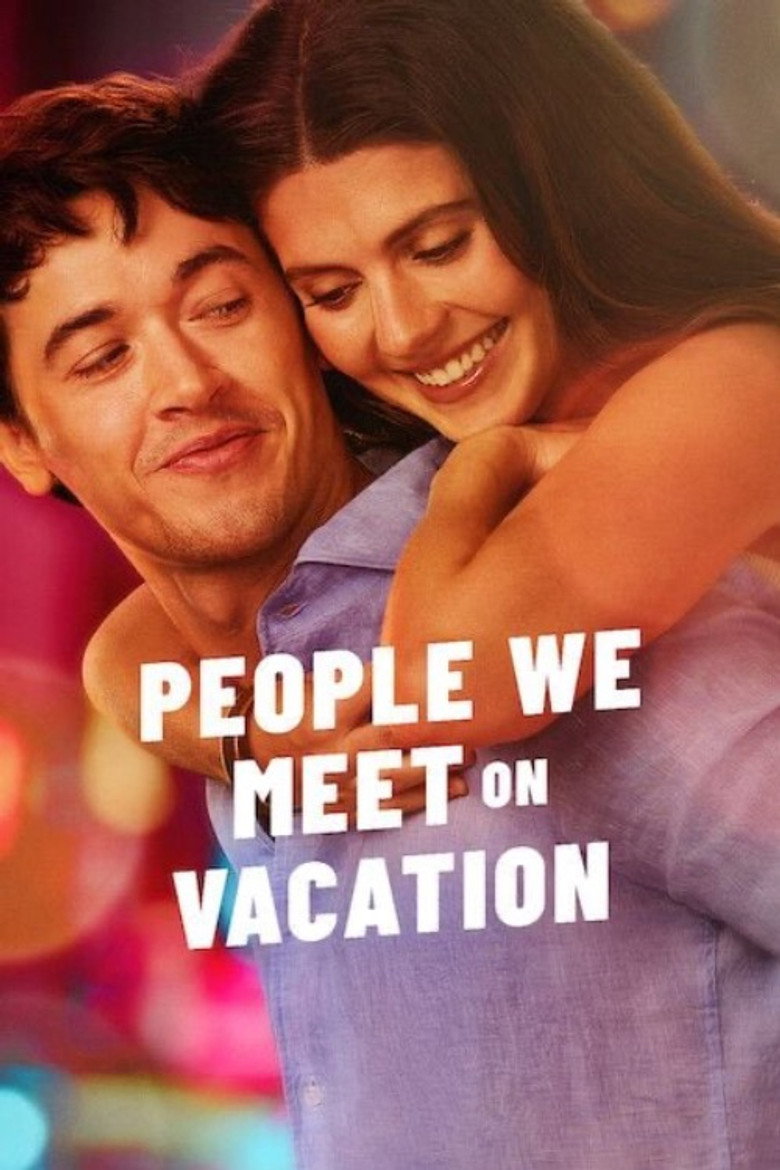
This brings us to the films fighting for air in the shadow of these titans. Consider the upcoming adaptation of Emily Henry's People We Meet on Vacation.
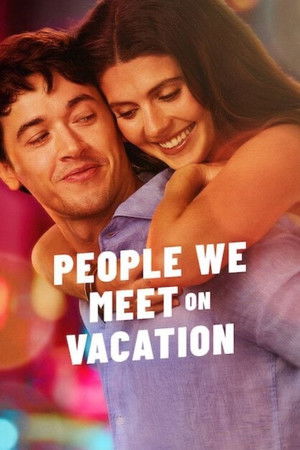
On the surface, it's a romantic comedy. To the studio mindset, it's a 'small' film, a piece of counter-programming. This is an insult to the craft. Adapting a beloved, voice-driven novel like this is an infinitely harder creative task than choreographing another CGI-heavy battle in space. There is nowhere to hide. The entire film will succeed or fail based on two things: the lacerating wit of the screenplay and the tangible, electric chemistry between its leads. It's a story about friendship, regret, timing, and the terrifying vulnerability of admitting what you really want. Its stakes are not the fate of the universe, but the fate of two hearts—a proposition far more relatable and, frankly, more compelling. Translating the specific magic of Henry's prose, which lives in the intimate back-and-forth between her characters Poppy and Alex, requires a level of precision and emotional intelligence that most blockbuster directors could only dream of. This is where filmmaking lives.
Then you have a film like I Swear, an original thriller that, based on its impressive early audience scores, has clearly struck a nerve.
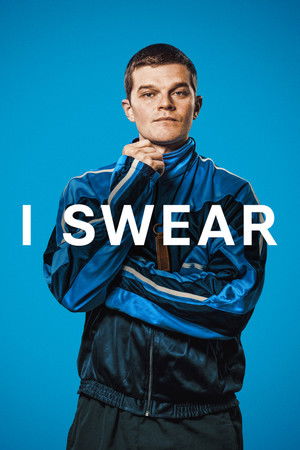
We know little about it, and that's the point. It's not leaning on 60 years of comic book history or a best-selling sci-fi trilogy. It has to stand on its own two feet, armed only with a premise, a cast, and execution. This is the kind of movie that used to be the bedrock of the industry—the mid-budget original that could become a sleeper hit and launch a career. Now, it's an endangered species. A film like I Swear doesn't ask for your allegiance to a brand; it asks for 90 minutes of your trust. In an era of endless, predictable content, that's the most radical proposition in cinema. It's these films, the ones born from a single, compelling idea, that have the potential to become the cult classics we're still debating in a decade, long after Avengers: Doomsday has become a forgotten node on a Disney+ flowchart.
So, by all means, see the big-budget spectacle. But don't mistake its volume for value. The real future of cinema, the part that's still vibrant and alive and worth fighting for, isn't on the desert planet or the alien battlefield. It's in the witty banter on a summer trip, the chilling revelation in a quiet room, and in the minds of creators who haven't yet been asked to map out a ten-year plan.
Editor's Verdict
My focus here is on the potential of People We Meet on Vacation, a film that represents a refreshing and necessary alternative to the franchise glut. The source material is a masterclass in modern romance, blending genuine humor with aching vulnerability. The challenge is immense; a clumsy adaptation could easily curdle its charm into saccharine fluff. But if the filmmakers nail the casting and trust the intelligence of the dialogue, they won't just have a hit—they'll have a new romantic classic that reminds audiences what it feels like to watch two people, not two armies, fall in love.
FAQ
What is 'superhero fatigue'?
Superhero fatigue is a term describing a perceived exhaustion among audiences with the large number of superhero films and TV shows being released, often citing repetitive plots, CGI-heavy spectacles, and the need to watch extensive back-catalogs to understand new installments.
Is 'Dune: Part Three' confirmed?
While not officially greenlit with a release date as of May 2026, director Denis Villeneuve and Legendary Entertainment have confirmed they are actively developing the third film, which would adapt Frank Herbert's novel 'Dune Messiah'.
What book is 'People We Meet on Vacation' based on?
The film is based on the best-selling 2021 novel of the same name by author Emily Henry. It follows two longtime friends, Poppy and Alex, who have taken a summer trip together every year for a decade until a falling out two years prior.