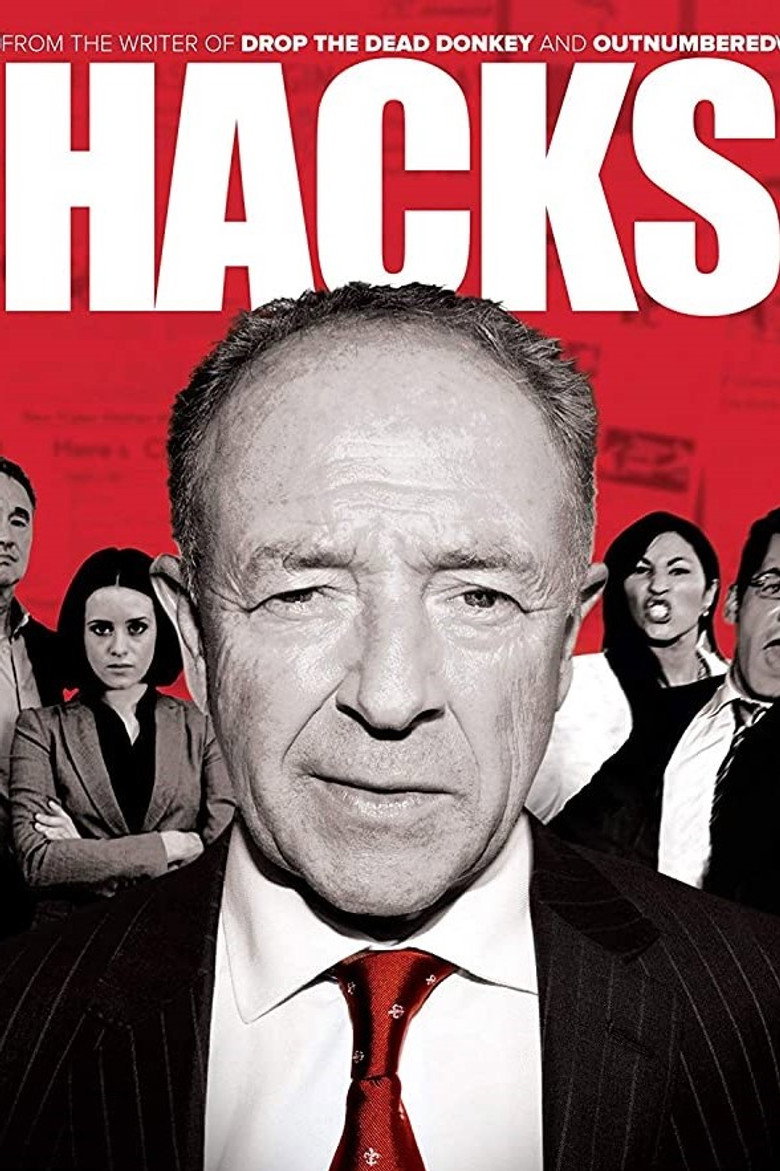
Why Margin Call Beats Office Space as Institutional Satire
Your favorite workplace comedy is a comfort blanket. The real systemic critique demands you watch the building burn.
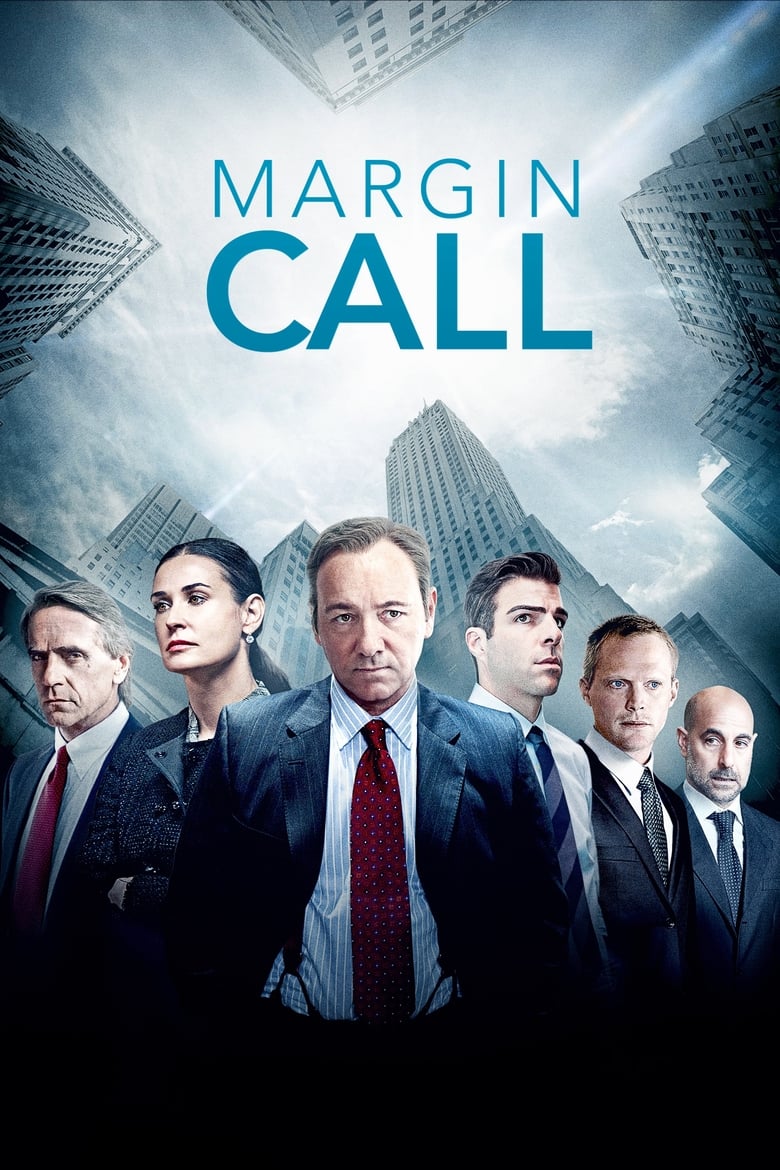
The popular belief that Mike Judge’s Office Space remains the gold standard for institutional satire is a comforting delusion that actively protects the systems it claims to mock. Real systemic critique doesn’t punch clocks or fantasize about burning office printers; it quietly liquidates the entire building while you’re still trying to understand the org chart. Margin Call has been routinely dismissed by audiences and critics alike as a dry, talk-heavy financial thriller, but it is actually the most devastating institutional autopsy in modern cinema, and your preference for lighter, punchline-driven fare proves exactly why the hierarchy keeps winning.
Best Movies Critiquing Modern Institutions and Social Systems
- Why Office Space offers rebellion without real stakes
- How Margin Call uses thriller pacing to expose corporate complicity
- The dark comedy of institutional failure in In Bruges
- Retirement community tropes flipped in The Thursday Murder Club
The Consensus Illusion: Why We Mistake Slapstick for Rebellion

The cultural consensus elevates Office Space as the ultimate genre-bending critique of corporate hierarchy, but that reputation rests on a fundamental misunderstanding of how institutional power actually operates. Judge’s film certainly dresses itself in satirical clothing—the TPS reports, the fluorescent-lit purgatory, the surreal efficiency expert Peter Gibbons—but its narrative mechanics ultimately reinforce the very structures it pretends to dismantle. The film’s rebellion is entirely individualistic and deeply fantasy-driven. When Peter burns the photocopier, it’s treated as a cathartic climax, yet the movie never asks what happens to the workers who actually depend on that machine, nor does it challenge the economic ecosystem that made his desk job possible. Instead, the third act delivers a tidy, escapist resolution: Peter lands a better job, keeps his girlfriend, and escapes to a new city. That’s not institutional critique; that’s a corporate retreat team-building exercise disguised as anarchy. The film bends workplace comedy into mild rebellion, but it refuses to follow the logical conclusion of its own premise. By offering a clean exit ramp, it absolves the audience of any systemic responsibility. We laugh at the absurdity of the middle-manager drudgery, but we never have to confront the reality that the machine doesn’t need to change for us to survive it. We just need to find a slightly more comfortable cubicle. That’s why nostalgia clings to this film so tightly. It doesn’t threaten the status quo; it offers a stress ball shaped like a corporate ladder.
The Architecture of Complicity: How Restraint Outshines Riot
If you want to understand how modern institutions actually consume individual identity, you need to stop watching comedies about bad bosses and start watching J.C. Chandor’s Margin Call. The film has been unfairly categorized as a dry financial drama, but that classification misses its core structural innovation: it bends the ticking-clock thriller into a masterclass of institutional pressure testing. The narrative spans a single, sleepless twenty-four hours as an investment bank discovers its toxic assets are about to trigger a global collapse. Chandor refuses to populate this ecosystem with cartoonish villains. Instead, he maps the moral decay through rationalization, showing how every rung of the corporate ladder demands the same transactional compromise. The opening sequence, where analyst Peter Sullivan works through the night only to be told his life’s work will be liquidated at 90 cents on the dollar, establishes the film’s central thesis: the institution doesn’t hate you; it simply doesn’t see you as anything other than a variable in an equation. What makes this critique so devastating is how it weaponizes tone. While comedies use laughter to create distance from systemic failure, Chandor uses claustrophobic restraint to trap the audience inside the moral calculus. The boardroom scenes aren’t filled with shouting matches; they’re filled with polite, devastatingly clear conversations about offloading risk onto the working class. When CEO John Tuld delivers his monologue about the rich protecting themselves, it’s delivered not as a manifesto, but as a matter-of-fact boardroom memo. The film critiques modern corporate hierarchy by demonstrating that complicity isn’t forced; it’s incentivized. Every character, from the fresh-faced interns to the veteran traders, makes a series of micro-choices that gradually erode their own ethics. As I argued in Why the Best Films Sabotage Closure, the most effective narratives refuse to let you walk away clean. This film understands that institutional pressure doesn’t arrive as a sledgehammer; it arrives as a series of perfectly reasonable compromises that leave you hollow by dawn.
When the Institution Wears a Face: Law, Death, and Retirement
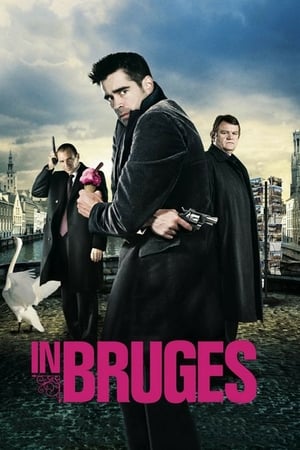
The institutional critique doesn’t have to live in glass towers to land with maximum impact, which is why Martin McDonagh’s In Bruges remains the sharpest examination of how systemic structures manufacture moral rot. On the surface, it’s a hitman thriller, but McDonagh brilliantly bends the crime genre into a dark comedy that exposes the absurdity of pseudo-institutional rules. The criminal underworld operates with the same rigid hierarchies, arbitrary mandates, and soul-crushing bureaucracy as any legitimate corporation. Ray’s infamous “Hollywood” speech isn’t just a cathartic rant about pop culture; it’s a searing indictment of how systemic violence breeds cultural and ethical decay. When he laments that “the world is a very big place,” he’s actually articulating the psychological toll of institutional confinement. The film uses dark humor not to soften the blow, but to highlight the cognitive dissonance required to survive within rigid structures. Ken’s guilt-ridden paralysis versus Ray’s aggressive entitlement perfectly maps the spectrum of individual responses to systemic failure. One internalizes the institution’s rules and breaks under the weight; the other weaponizes the rules to justify his own cruelty. The film’s tonal balance is razor-thin, walking the line between farce and tragedy without ever collapsing into either. By refusing to romanticize the criminal life, McDonagh forces the audience to confront how any closed system eventually demands that you sacrifice your humanity to stay employed.

If corporate and criminal hierarchies are the usual suspects for systemic critique, The Thursday Murder Club successfully redirects that lens toward the institution of aging itself. The film bends the cozy mystery template into a sharp social commentary about how modern society systematically discards its elderly population. The retirement community, Paradise Retirement, isn’t a sanctuary; it’s a gently lit dumping ground designed to keep aging individuals out of sight and out of mind. The four protagonists weaponize their perceived uselessness, turning their Thursday meetings from a pastime into a tactical operation that exposes local corruption and municipal negligence. What elevates this beyond standard genre fare is how it treats generational friction as an institutional failure rather than a personal one. The younger characters aren’t portrayed as inherently rebellious or enlightened; they’re often complicit in the same systemic blind spots. The film’s tonal approach is deliberately lighthearted, using witty banter and playful mystery tropes to disarm the audience before delivering a quieter, more pointed critique about dignity and autonomy. By framing the retirement home as a microcosm of broader social expectations, the narrative exposes how institutions rely on the quiet compliance of those they’re supposed to protect. The characters don’t overthrow the system; they simply refuse to play by its rules of invisibility, proving that institutional critique doesn’t always require a revolution. Sometimes it just requires refusing to be polite about your own erasure.
Why the Other Side Gets It Wrong
I fully acknowledge why audiences gravitate toward the punchline-driven rebellion of workplace comedies or the chaotic family farces. Cognitive fatigue is real, and digesting a two-hour ethical autopsy demands more emotional bandwidth than watching someone steal a stapler or fake a family road trip. There is undeniable comfort in narratives that promise individual escape over systemic confrontation. The counterargument rests on a simple premise: if the institution is too massive to change, why not just mock it and move on? But that’s precisely where the logic fractures. Mockery without structural analysis becomes entertainment for the status quo. It validates the absurdity without threatening the machinery. The films that refuse to offer that easy catharsis—the ones that sit with you in the discomfort of complicity—are the ones that actually shift cultural perception. They don’t let you laugh your way out of responsibility. They force you to recognize that the system isn’t broken; it’s functioning exactly as designed.
The Verdict: What You Should Actually Be Watching
Stop using nostalgic comedies as proxies for real critique. If you want to understand how modern institutions pressure, rationalize, and ultimately consume individual identity, put down the comfort watchlist and queue up Margin Call. Watch how the architecture of complicity operates in real time. Notice the polite conversations that carry more weight than any shouted rebellion. Let the film prove that the sharpest satire doesn’t punch up; it quietly hands you a mirror and asks if you recognize the person looking back. If you actually want to challenge the systems that shape your life, start by watching a movie that refuses to let you look away.
Editor's Verdict
Margin Call earns an 8/10. It gains two points for its surgical script precision that maps ethical decay without moralizing, and two more for the ensemble’s commitment to playing rationalization as lived reality rather than theatrical villainy. It loses one point for a second-act pacing drag that nearly suffocates the momentum, and another for its tonal conservatism that occasionally leans too heavily on procedural mechanics over character spontaneity. The boardroom sequence around the 68-minute mark delivers a tighter, more devastating critique of moral compromise than any studio comedy has managed in the last decade, and you can verify that claim by comparing its dialogue economy to the bloated third-act speeches of modern workplace satires. If you appreciate cinema that treats systemic pressure as a thriller mechanic, this is the benchmark.
FAQ
Why is Margin Call considered a better institutional satire than Office Space?
Margin Call avoids cartoonish villains and individual escape fantasies, instead using thriller pacing to show how systemic complicity operates through rationalization and incremental ethical compromise.
How do these films use genre-bending to critique social institutions?
They subvert genre expectations—turning financial dramas into pressure-cooker thrillers, crime stories into dark comedies, and cozy mysteries into commentaries on aging—to expose how institutions demand conformity over authenticity.
What makes the tonal approach in these movies effective for social commentary?
The tonal restraint forces audiences to sit with moral ambiguity rather than providing comedic catharsis, making the critique of systemic pressure feel immediate, personal, and inescapable.