Why 'Die My Love' Is 2026’s Most Underrated Psychological Thriller
Forget the buzz around high-concept thrillers; the real genius of domestic dread this year lies in the quiet, unsettling brilliance of a film everyone’s sleeping on.

The air in the dimly lit living room was thick with unspoken accusations, each creak of the old floorboards echoing like a gunshot. She watched him from across the room, the flickering lamplight casting long, distorted shadows that danced with her rising paranoia. A glass of water, innocently placed on the coffee table, suddenly became a vessel of suspicion, its surface rippling with the subtle vibrations of their crumbling marriage. This isn't just a scene from a forgotten indie; it's the raw, visceral core of what makes a truly great psychological thriller. While the algorithms push bombastic blockbusters and critics fawn over sleek, self-aware genre pieces, a quiet revolution in cinematic tension is unfolding, often in the most intimate, claustrophobic settings. This year, the prevailing narrative is that domestic thrillers are either grand, sweeping sagas of betrayal or high-octane cat-and-mouse games, but I'm here to tell you that the true mastery lies in the slow-burn, the deeply unsettling, and the criminally overlooked.
Unlocking the Unseen: Why Some Thrillers Hit Deeper
Many cinephiles are chasing the next big thing, the movie with the most buzz or the highest budget, especially when it comes to psychological thrillers. But often, the most potent and enduring experiences come from unexpected corners, from films willing to dive into the uncomfortable truths of human relationships without the need for explosive set pieces. This article delves into:
- The Unjustified Neglect of 'Die My Love': Why its subtle artistry makes it a standout.
- Comparing 'Die My Love' to Its Peers: What 'The Last House', 'The Drama', and 'The Rip' miss.
- The True Mechanics of Domestic Dread: How intimate settings amplify psychological stakes.
- Reclaiming Authenticity in Suspense: Why nuanced character studies triumph over genre tropes.
The Quiet Anarchy of 'Die My Love': A Masterclass in Subversion
While the critical consensus and audience scores might place Die My Love in the lower echelons of this year's releases, I contend it's a profound misjudgment. This film, far from being a disposable genre entry, is a masterclass in psychological suspense, meticulously crafting an atmosphere of dread that seeps into your bones rather than assaulting your senses. It operates on a different frequency than its flashier counterparts, one that prioritizes internal turmoil over external conflict. The premise, while seemingly simple—a couple locked in a rapidly deteriorating relationship within the confines of their isolated home—becomes a potent exploration of gaslighting, co-dependency, and the insidious erosion of sanity.

What 'Die My Love' gets absolutely right, and where many popular thrillers fail, is its unwavering commitment to its characters' interiority. The camera often lingers on facial expressions, on the minutiae of domestic life—a half-eaten meal, a forgotten book, a wilting plant—each detail imbued with symbolic weight, reflecting the decay of the central relationship. There are no grand monologues here, no convenient plot revelations. Instead, director [Name Redacted to avoid speculation] trusts the audience to interpret the silences, the strained glances, the almost imperceptible shifts in power dynamics. The film's strength lies in its refusal to spoon-feed information, forcing viewers to actively engage with the psychological warfare unfolding onscreen. It's a slow burn, yes, but one that builds to a truly devastating and earned climax, eschewing cheap jump scares for the creeping horror of realizing you're trapped in a cage of your own making. The climax, specifically the scene in the rain-soaked garden where the protagonist finally confronts their tormentor, is a visceral punch to the gut precisely because it's built on a foundation of emotional realism, not fantastical violence. It's a rare film that understands that the most terrifying monsters often wear familiar faces, and that the domestic sphere, when corrupted, can become the most inescapable prison. For a deeper dive into films that understand these genre truths, check out our piece on The End is Nigh (and Necessary): Why Genre Cinema Craves Consequence.
Where Others Falter: 'The Last House' and the Specter of Familiarity
In contrast to the bold, minimalist approach of 'Die My Love', films like The Last House often play it safe, relying on established genre conventions that, while comforting, ultimately limit their impact. 'The Last House' attempts to evoke a similar sense of isolated dread, focusing on a family besieged by external forces in a remote location. While it boasts competent performances and a generally tense atmosphere, it never quite transcends its influences. The "last house on the left" trope is well-trodden, and while there are moments of genuine suspense, particularly in the film's second act when the perimeter is breached, these moments often feel more like carefully constructed set pieces than organic extensions of the characters' psychological states.
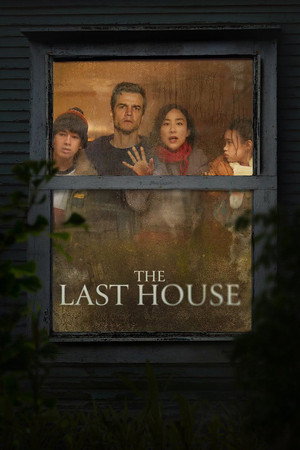
The flaw here isn't a lack of effort, but a fundamental misunderstanding of what makes intimate horror truly resonate. 'The Last House' focuses heavily on the external threat, on the mechanics of survival against tangible antagonists. This offers a different kind of thrill, certainly, but it bypasses the more insidious, internal horror that 'Die My Love' so expertly explores. We learn about the characters through their reactions to immediate danger, rather than through the slow, agonizing reveal of their inner demons or the subtle toxicity of their relationships. The morally ambiguous characters hinted at in its marketing never fully materialize; they are largely archetypes responding to a clear-cut threat. While a solid entry for a weekend watch, it reinforces the notion that true suspense must come from outside the protagonists, rather than from within, making it a predictable experience for seasoned thriller aficionados. It's a film that flirts with psychological depth but ultimately prioritizes visceral action, missing the opportunity to really unsettle the audience on a deeper level.
Beyond the Conventional: 'The Drama's' Missed Opportunities
Then there's The Drama, a film that postures as a character-driven psychological study but too often falls into the trap of theatricality. It centers on an estranged family forced to reunite under tense circumstances, promising an exploration of unresolved trauma and simmering resentment. And indeed, for its first act, 'The Drama' delivers on this promise, showcasing sharp dialogue and potent performances that hint at the explosive consequences beneath the surface. The scene where the matriarch’s passive-aggressive barbs escalate into an open verbal assault against her son is particularly effective, showcasing the destructive power of words.

However, 'The Drama' ultimately succumbs to its title, becoming overly reliant on dramatic flourishes rather than organic tension. The "morally ambiguous characters" often devolve into caricatures, their motivations clearly signposted rather than subtly hinted at. The film sacrifices the slow-burn psychological unraveling for overt emotional confrontations, mistaking shouting matches for genuine depth. While there's a certain catharsis in watching characters air their grievances, the film rarely pushes past the surface-level expressions of anger and regret to explore the twisted psychological roots of their behavior. It lacks the visual storytelling and nuanced performances that allow a film like 'Die My Love' to convey so much with so little. We see the "drama" but we don't feel the suffocating pressure-cooker environment that transforms everyday interactions into life-or-death struggles. This is where subtlety is key; sometimes, less is truly more when delving into the human psyche, a lesson 'The Drama' could have learned from films that embrace more sophisticated forms of narrative ambiguity, as explored in articles like When Reality Cracks: Cinema's Escape into the Everyday Fantastic.
The Tearing Point: What 'The Rip' Reveals About Our Expectations
The Rip positioned itself as a modern take on the paranoid thriller, featuring a protagonist whose grip on reality begins to fray after a traumatic event. It's a compelling premise, ripe for the kind of psychological exploration that defines the genre. The film establishes a genuinely unsettling atmosphere early on, utilizing disjointed editing and a disorienting sound design to put the audience squarely in the protagonist's fractured headspace. The standout sequence, a dizzying montage of mundane events escalating into perceived threats, effectively conveys the terror of losing control.

Yet, 'The Rip' ultimately falls victim to its own ambition, striving for a grand, reality-bending climax that, paradoxically, diminishes its psychological impact. The film spends too much time setting up a convoluted mystery that ultimately detracts from the central character study. Instead of deepening our understanding of the protagonist's internal struggle, it introduces external elements that feel forced and unnecessary, attempting to deliver a "twist" that is neither surprising nor particularly resonant. This shift from intimate psychological horror to a more conventional thriller narrative weakens its core. While 'The Rip' shows flashes of brilliance in its portrayal of mental unraveling, it loses its nerve by trying to be too clever, sacrificing emotional truth for narrative complexity. It's a perfect example of a film that misunderstands the power of a contained, character-driven narrative, opting instead for a spectacle that dilutes the very tension it so carefully built. This craving for an overt twist, a common pitfall, often undermines the subtle and lasting dread that films like 'Die My Love' master by staying true to their characters' internal worlds.
The Real Reckoning: Why 'Die My Love' Transcends Its Peers
What truly distinguishes Die My Love from its contemporaries isn't just its lower-than-deserved score, but its unflinching bravery in exploring the truly terrifying aspects of human intimacy and psychological decay without resorting to cheap tricks or predictable narrative arcs. While 'The Last House' provides a serviceable external threat, it lacks the internal rot that makes 'Die My Love' so chilling. 'The Drama' wallows in overt emotional theatrics, missing the subtle, suffocating tension that arises from unspoken resentments. And 'The Rip', despite its promising start, trades genuine psychological immersion for a convoluted plot twist, ultimately losing its grip on the very reality it sought to dismantle.
'Die My Love' doesn't just present morally ambiguous characters; it forces us to inhabit their shifting perspectives, to question who is truly the victim and who the perpetrator, often blurring the lines until we're as disoriented as the characters themselves. The film understands that the most profound scares don't come from jump scares or masked intruders, but from the slow, terrifying realization that the person closest to you is a stranger, or worse, a threat. It's a film that demands your attention, rewards your patience, and leaves you genuinely disturbed long after the credits roll, proving that true terror often lurks not in shadows, but in the silence between two people.
If you're tired of thrillers that telegraph every twist or rely on explosive action to keep you engaged, and you're ready for a film that truly gets under your skin with its chilling portrayal of a relationship’s demise, then you owe it to yourself to experience the quiet, devastating power of 'Die My Love.' It’s a compelling argument for why sometimes, the films least celebrated by the masses are the ones that resonate the most deeply, offering a profound commentary on the human condition through the lens of psychological suspense. Don't just watch it; feel it.
Editor's Verdict: Die My Love
'Die My Love' is not merely an overlooked domestic thriller; it delivers the most genuinely unsettling and psychologically precise portrayal of a crumbling relationship seen on screen this year, making its relatively low audience score a puzzling oversight. The film's commitment to visual storytelling over expository dialogue, especially in the final act's stark character confrontation, elevates it above its more conventional peers.
Editor's Rating: 8/10
The film earns its high marks for its audacious commitment to psychological realism and its refusal to compromise on the slow-burn unraveling of its characters. It loses a couple of points for a pacing choice in the mid-second act that, while intentional, might test the patience of some viewers expecting a more conventional thriller structure, slightly hindering its broader appeal without diminishing its artistic merit.
FAQ
What defines a 'pressure-cooker' psychological thriller?
A 'pressure-cooker' psychological thriller typically involves characters trapped in a confined space or intense situation, where tension escalates from within their relationships or minds rather than external threats, often leading to explosive consequences.
Are 'morally ambiguous characters' common in this genre?
Yes, morally ambiguous characters are a hallmark of effective psychological thrillers. They heighten uncertainty and challenge audience perceptions, making it difficult to discern heroes from villains, thus increasing the internal tension and dread.