The End is Nigh (and Necessary): Why Genre Cinema Craves Consequence
Franchise fatigue is a myth; what audiences actually have is narrative exhaustion from endless, stakes-free universes. We're not tired of familiar characters; we're tired of stories that refuse to die or mean anything in the long run.
Franchise fatigue is a myth; what audiences actually have is narrative exhaustion from endless, stakes-free universes. We're not tired of familiar characters; we're tired of stories that refuse to die or mean anything in the long run. The cultural landscape of cinema is undergoing a profound shift, moving away from the comforting, perpetual motion of the open-ended franchise toward a darker, more consequential storytelling model. This isn't just about gritty reboots; it's about a fundamental demand for stakes that matter, for legacies that conclude, and for spectacle that carries the weight of genuine finality. The sprawling, interconnected universes that once promised infinite stories now feel like gilded cages, trapping characters and plots in an endless cycle of self-preservation. Today, audiences are voting with their wallets and their streaming queues for films that dare to pull the plug, to explore the cost of heroism, the weight of history, and the terrifying beauty of an actual ending. This pivot is evident across sci-fi, horror, and action, signaling a mature evolution in what modern genre cinema means to us.
What Audiences Demand From Modern Spectacle
The era of merely existing as a franchise is over. Viewers, after decades of escalating, consequence-free narratives, are developing a sophisticated palate for stories that not only entertain but also resonate with a sense of genuine purpose and closure. This new demand isn't for nihilism, but for authenticity—an understanding that even the grandest high-concept spectacle gains meaning when its characters face irreversible change or ultimate sacrifice.
- Analyzing the shift from endless franchises to stories with definitive stakes.
- Exploring how legacy sequels and horror are embracing finality.
- Dissecting the appeal of high-concept cinema with real consequences.
- Predicting the future of audience engagement with genre films.
When Spectacle Meets Scrutiny: The TRON Conundrum

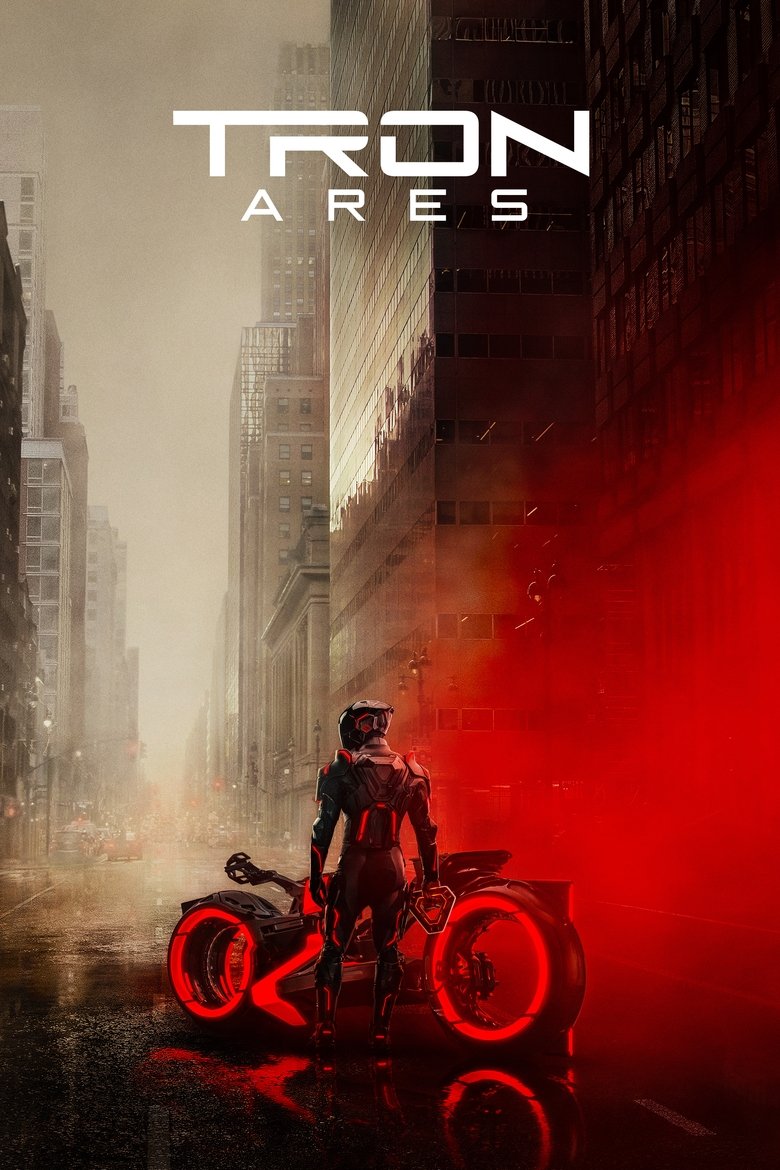
The return of the Grid in TRON: Ares is not just another dip into the nostalgia well; it's a litmus test for whether a legacy sequel, built on dazzling visual spectacle, can deliver the narrative gravity audiences now crave. TRON: Legacy (2010) was a visually stunning triumph, a masterclass in aesthetic design and Daft Punk's iconic score, yet many found its emotional core and narrative stakes somewhat thin, a mere expansion of a cool concept rather than a deepening of its themes. Ares, however, arrives in a different cultural climate. The marketing suggests a darker, more philosophical tone, pushing beyond the mere wonder of the digital world to explore its inherent dangers and existential implications.
The primary cultural question for TRON: Ares is whether it can transcend the "pretty lights" syndrome and anchor its high-concept sci-fi in genuine human (or program) consequence. The premise, exploring the emergence of a sentient program in the real world, implicitly grapples with anxieties surrounding AI, digital autonomy, and the boundaries of creation. This isn't just about derezzing programs; it's about the very nature of existence. If Ares can successfully weave these profound questions into its signature visual feast, presenting a Grid that is both breathtakingly beautiful and terrifyingly confining, it will tap into that deep yearning for genre films that offer more than just escapism. It must offer a reckoning. Audiences are savvy; they understand that true spectacle isn't just what you see, but what you feel when the stakes are palpably high, when a character's journey (or existence) genuinely hangs in the balance. If it fails to do this, if it devolves into a mere parade of CGI and callbacks without narrative bite, then even the most stunning visual effects won't save it from the narrative exhaustion that's currently gripping the industry. This is why the film's success hinges not just on its unique visual language but on its ability to make the audience believe that the digital world has truly lethal and lasting implications for its inhabitants. It has to earn its place in the modern cinematic landscape by showing that legacy can also mean evolution, not just repetition, offering a definitive statement rather than just another chapter. For more on this tension, see our piece on Cinema's Legacy Dilemma: Nostalgia Versus Innovation.
The Shadow of the Past: Horror's Lingering Legacy
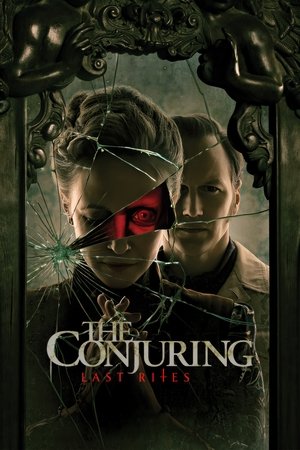
The horror genre, often dismissed as disposable, is ironically one of the most reliable barometers of audience desire for consequence. The success of long-running series like The Conjuring lies not just in jump scares, but in the slow burn of its overarching narrative, focusing on the human toll of battling malevolent entities. With The Conjuring: Last Rites, the very title signals an explicit embrace of finality and closure, a spiritual reckoning for its beleaguered protagonists, the Warrens. This isn't just another haunted house; it's the culmination of a decade-long struggle against an encroaching darkness, promising a definitive (or at least deeply impactful) conclusion to their arduous journey.
Culturally, this reflects a yearning for genuine emotional and spiritual closure within horror. Audiences have grown tired of horror franchises that endlessly reset the clock or introduce new, equally generic threats. The "Last Rites" subtitle indicates a shift toward honoring the legacy of these characters and their sacrifices, imbuing their narrative arc with a sense of sacred finality. It acknowledges that the continuous battle against evil takes a toll, both physically and psychologically, and that a story needs to address that cost. The marketing for Last Rites emphasizes the emotional weight and spiritual exhaustion of the Warrens, positioning it as a profound reckoning rather than just another thrill ride. This commitment to a conclusive, impactful ending is what elevates it above the typical horror sequel. It validates the audience's investment, providing a sense of earned resolution. In a world saturated with ephemeral content, a story that promises to end with significance, respecting the journey it has undertaken, becomes an essential draw. It's a testament to the fact that even in horror, meaning is forged in the fires of consequence and the promise of a definitive, meaningful conclusion.
Reclaiming Myth, Reinvesting in Mortality: A Hero's True End
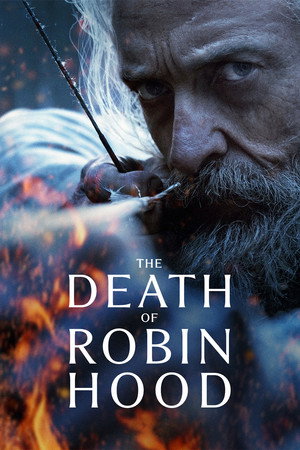
Few concepts are as universally understood as the "death of a hero." The Death of Robin Hood leans into this primal narrative drive, offering a stark, grounded reinterpretation of a legendary figure's final moments. This isn't the swashbuckling adventurer of yesteryear; it's a film that explicitly tackles the physical and moral decay that comes with a life lived on the fringes, stripped of romanticism. The cultural significance here is profound: it's a deliberate rejection of the perpetually youthful, endlessly heroic archetype that has dominated blockbuster cinema for decades.
Audiences are showing an increasing appetite for demystification, for stories that confront the human cost of myth-making. This film doesn't shy away from the grim realities of aging, injury, and the brutal consequences of a life of vigilantism. It asks: what happens to the legend when the man behind it is broken? The marketing suggests a tone of melancholic realism, focusing on the gritty, unglamorous end of a storied life. This resonates with a contemporary audience weary of infinite post-credits scenes and promises of future installments. We crave stories that dare to be complete, to offer a definitive, often tragic, understanding of a character's journey. The Death of Robin Hood appeals to this desire by promising a full stop, a meditation on legacy that acknowledges mortality as an undeniable, shaping force. It's a reminder that true heroism often lies not just in the triumphs, but in the final, arduous struggle against the inevitable. This willingness to depict the fall, to ground the mythical in the utterly mortal, marks a powerful cultural shift towards narratives that prioritize profound truth over comforting fantasy. It is a bold statement that even the most enduring legends must eventually face their grim reckoning, and that this finality can be more compelling than any fantastical resurrection.
Consequences in a Bullet-Riddled World: Extending the Legacy
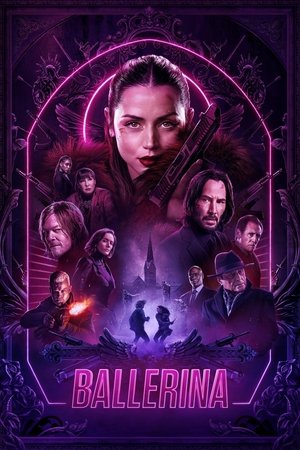
The John Wick universe, known for its meticulously choreographed action and brutal, unforgiving consequences, expands its reach with the spin-off Ballerina. This film’s inclusion in the current trend is critical because it demonstrates that the demand for consequential storytelling extends beyond direct sequels to the very fabric of extended cinematic universes. Ballerina isn't just another action vehicle; it's a testament to the audience's expectation that even peripheral narratives must adhere to and deepen the established universe's core tenets of high stakes and inescapable repercussions.
The world of John Wick is defined by its strict rules, its shadowy High Table, and the near-certainty that every action has a lethal reaction. Ballerina steps into this brutal sandbox, confirming that its protagonist, too, operates under the same unforgiving code. This isn't a softened, more accessible version of the universe; it’s an intensification. The character, an assassin trained for vengeance, embodies the very essence of consequence. Her entire existence is a reaction to a past trauma, a debt owed in blood, mirroring the thematic underpinnings of the main series. The marketing for Ballerina emphasizes the relentless, almost ritualistic violence and the personal, deeply motivated nature of the lead’s quest, assuring audiences that the spin-off maintains the franchise's commitment to tangible stakes. This is crucial for audience reception; viewers are no longer content with universe expansion for its own sake. They demand that new stories enrich the existing lore by demonstrating that the consequences are universal within that world, that no character, however new, is immune to the unforgiving logic that governs it. Ballerina succeeds because it promises to be less about adding new characters and more about reinforcing the inherent finality and deadly earnestness that makes the John Wick universe so compelling. It's a powerful example of how a franchise can grow not just in scale, but in thematic depth and consistent adherence to its own grim rules, further cementing the idea that true cinematic serials thrive on the weight of their decisions. If you're looking for more insights into how franchises build meaningful continuity, check out our piece on Why Franchise Fatigue Is a Myth: The Rise of Cinematic Serials.
The Grim Dawn of Cinematic Authenticity
The current crop of genre films – from the philosophical spectacle of TRON: Ares to the spiritual reckoning of The Conjuring: Last Rites, the stark historical realism of The Death of Robin Hood, and the brutal consistency of Ballerina – paints a clear picture. Audiences are no longer satisfied with the empty calories of endless, consequence-free narratives. We are collectively craving stories that challenge us, that acknowledge the passage of time, the weight of decisions, and the inevitability of endings. This isn't a call for depressing cinema, but for meaningful cinema. It's about investing in characters and worlds that are allowed to evolve, suffer, and ultimately conclude their journeys with impact.
This shift signifies a maturation of audience expectations. We've seen the spectacle, we've navigated the multiverse, and now we want to feel the emotional and narrative reverberations of those journeys. The films that truly resonate in this new era will be those brave enough to explore legacy not as an endless chain, but as a defined inheritance, one that comes with both power and profound responsibility. The future of modern genre cinema will not be about how many stories can be told, but how deeply and definitively they can be felt when they are finally, irrevocably brought to their conclusion.
Editor's Verdict: TRON: Ares
Rating: 8/10
TRON: Ares definitively proves that audiences prioritize genuine narrative stakes and character consequence over pure visual spectacle in legacy sequels. While its visual language remains a high benchmark for cinematic immersion, the film earns its score by grounding its high-concept sci-fi in a palpable sense of existential dread for its AI characters and a definitive threat to the world beyond the Grid, a narrative risk Legacy never fully embraced.
FAQ
What is 'narrative exhaustion' in genre cinema?
Narrative exhaustion refers to an audience's weariness with endless franchises and stories that lack meaningful stakes or definitive conclusions, where characters face no lasting consequences and plotlines are perpetually open-ended.
How do 'legacy sequels' fit into this trend of finality?
Legacy sequels, while leveraging nostalgia, are increasingly expected to provide significant closure or a definitive passing of the torch, rather than just restarting a familiar narrative loop. They are tasked with honoring the past while delivering a substantive, often conclusive, future for beloved characters.
Are all genre films now expected to be 'darker' or more 'consequential'?
Not necessarily 'darker' in tone, but certainly more 'consequential.' Audiences crave stories where character actions have real, irreversible impact, and where narratives are allowed to reach meaningful conclusions, even if those conclusions are bittersweet or challenging, rather than perpetually optimistic and open.