The Illusion Index: Ranking Cinema’s Best Reality-Bending Worlds
A scorecard breakdown of sequels, spectacles, and standalones that blur the line between myth and screen.
What happens when a film’s greatest special effect isn’t the CGI on screen, but the psychological contract it signs with the audience to willingly suspend disbelief? The answer lies in the precise calibration of mythic architecture, where reality and fantasy aren’t just blended—they’re weaponized to expose our deepest cultural anxieties.
How to Evaluate Reality-Bending Cinema
- Big Fish: Magical realism as familial biography
- The Fall: Practical spectacle and oral storytelling
- Singin’ in the Rain: Meta-cinematic industry satire
- Zootopia 2: Allegorical franchise expansion
- The Devil Wears Prada 2: Workplace sequel mechanics
The Lit-Pop Reality-Index: Scoring the Illusion
Before the rankings, the framework. Cinematic world-building fails when it prioritizes spectacle over internal logic. To separate genuine myth-making from algorithmic padding, I’m grading across four metrics, each capped at 10 points (40 total):
- Mythic Architecture: How effectively does the film construct an internal logic that feels both fantastical and emotionally grounded?
- Genre Alchemy: How well does it blend, subvert, or reinvent its foundational genres without collapsing into pastiche?
- Cultural Reflection: Does the illusion hold a mirror to contemporary or enduring anxieties, or does it float in a vacuum?
- Narrative Cohesion: Do the world-building and genre elements serve a unified story, or do they fracture under franchise obligations?
As we’ve seen in recent franchise expansions, scale without structural discipline is just expensive noise. Let’s break down the scorecard.
5. The Devil Wears Prada 2: Sequel Stagnation
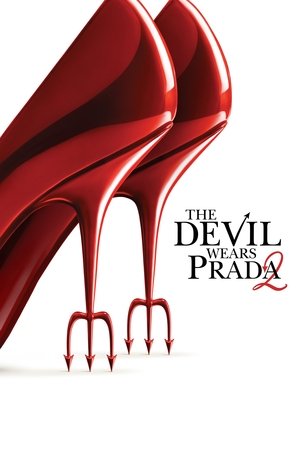
The Devil Wears Prada 2 attempts to resurrect the original’s sharp workplace satire, but its world-building collapses under the weight of sequel complacency. The film constructs a glossy, hyper-saturated fashion ecosystem that looks impressive in isolation but lacks the psychological friction that made Miranda Priestley’s domain so terrifyingly real. Where the first film used haute couture as a metaphor for institutional power and class mobility, the sequel reduces the industry to a backdrop for recycled romantic-comedy beats. The genre alchemy stumbles when it tries to blend corporate thriller mechanics with lighthearted reunion dynamics; the tonal whiplash in the Milan runway sequence, where a supposed crisis is resolved through a conveniently timed wardrobe malfunction, completely undercuts the stakes. Culturally, it reflects an outdated anxiety about ambition versus authenticity that hasn’t evolved since 2006. The narrative cohesion fractures because the world exists to service nostalgia, not to interrogate the cost of climbing a ladder that no longer leads anywhere. As discussed in Cinema's Legacy Dilemma: Nostalgia Versus Innovation, sequels that mistake familiarity for depth inevitably flatten their own worlds into theme parks.
Scorecard: Mythic Architecture: 5/10 | Genre Alchemy: 6/10 | Cultural Reflection: 6/10 | Narrative Cohesion: 5/10 | Total: 22/40
4. Zootopia 2: Allegorical Expansion
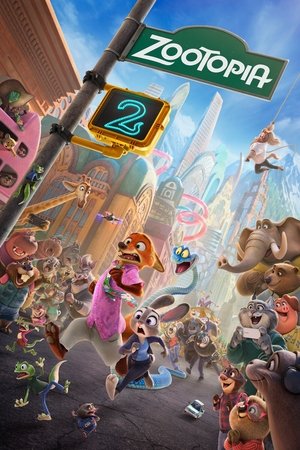
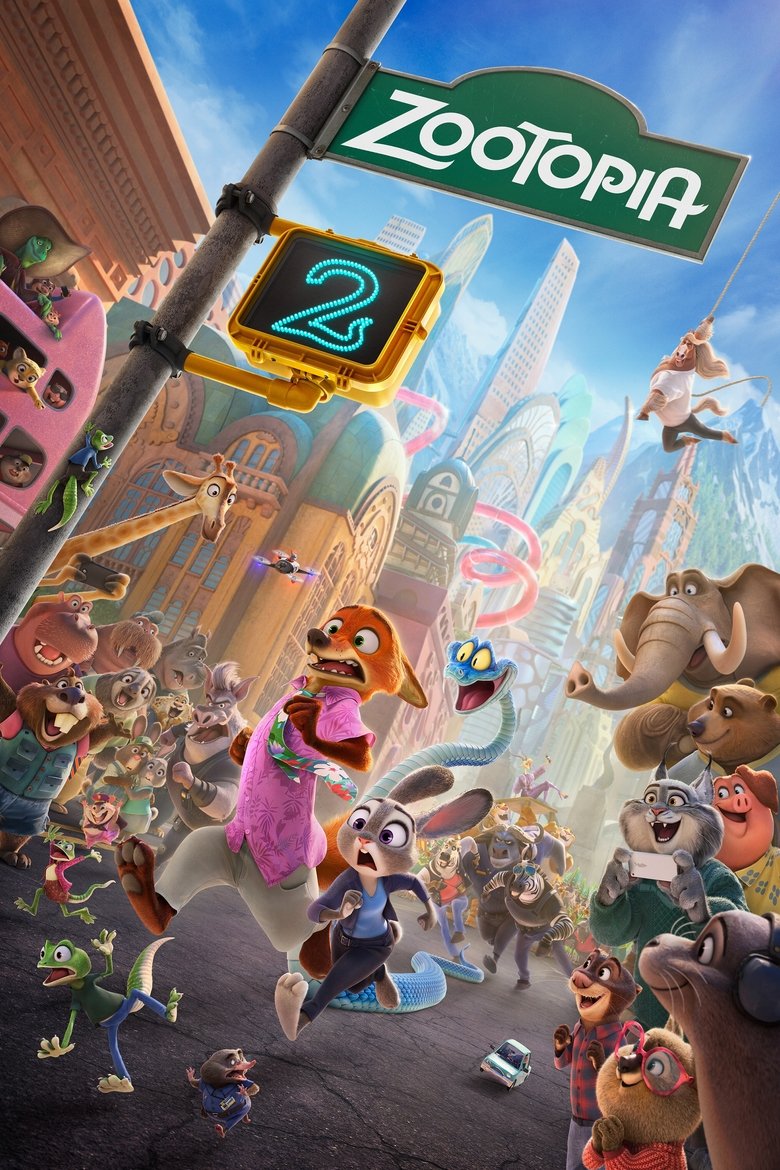
Zootopia 2 succeeds where many animated sequels fail by refusing to treat its first film’s setting as a closed loop. The world-building expands beyond the climate-controlled metropolis into the lawless rainforest and arctic territories, effectively mapping a geopolitical allegory onto a furry buddy-cop procedural. The mythic architecture holds because the physics of this world—sized vehicles, predator-prey social dynamics, bureaucratic red tape—remain rigorously consistent. Genre alchemy works well when it merges detective noir with ecological fable, particularly in the tracking sequences that borrow from wilderness survival documentaries. Culturally, the film taps directly into modern polarization anxiety, using species dynamics to mirror tribalism and systemic bias without preaching. However, narrative cohesion takes a slight hit during the second act when the plot relies on a familiar "go back to the mentor" trope that stalls momentum. The world is rich enough to support three films, but the pacing occasionally treats its own inventions as exposition dumps rather than lived environments. Still, it proves that franchise storytelling can carry substantive metaphor if the creators trust their audience to read between the whiskers.
Scorecard: Mythic Architecture: 8/10 | Genre Alchemy: 7/10 | Cultural Reflection: 9/10 | Narrative Cohesion: 6/10 | Total: 30/40
3. Singin’ in the Rain: Meta-Cinematic Mirror
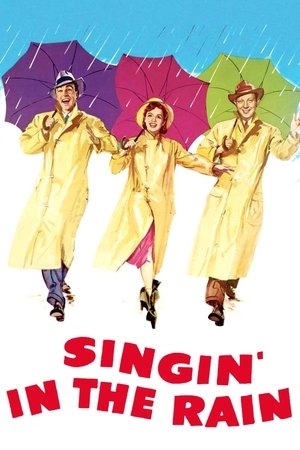
Singin' in the Rain remains the gold standard for reality-blending cinema because it constructs its fantasy through the machinery of filmmaking itself. The mythic architecture is built on a fictionalized Hollywood that operates by the same magical rules as a fairy tale: bad dubbing can be fixed with a voice actress, a disastrous premiere can be salvaged by an elaborate choreographed number, and romantic triangles resolve through synchronized footwork. The genre alchemy is flawless, stitching together slapstick comedy, backstage musical, and industry satire into a seamless kinetic rhythm. When Don Lockwood discovers Lina Lamont’s voice, the film doesn’t just advance the plot; it exposes the terrifying fragility of cinematic illusion. Culturally, it reflects the silent-to-sound transition anxiety, but more importantly, it captures the universal fear of being rendered obsolete by technological change. The narrative cohesion is airtight because every fantastical element serves the theme: performance is survival, and the screen is a collaborative dream. As explored in The Architecture of Optimism: Why Feel-Good Cinema Works, the film’s joy isn’t naive—it’s engineered. It understands that reality-bending cinema works best when the audience knows they’re watching a construction and cheers for the craftsmanship.
Scorecard: Mythic Architecture: 9/10 | Genre Alchemy: 10/10 | Cultural Reflection: 8/10 | Narrative Cohesion: 10/10 | Total: 37/40
2. The Fall: Painterly Delirium
The Fall is a masterclass in analog world-building. Tarsem Singh’s refusal to use green screen forces the fantasy to breathe in actual desert dunes, historic temples, and decaying European architecture, creating a mythic architecture that feels tactile and historically layered. The film blends prison drama, western, steampunk adventure, and silent-era melodrama, but the genre alchemy never feels chaotic because it’s anchored by a single, devastating premise: a dying stuntman weaving an epic tale to comfort a hospitalized girl. The cultural reflection here is deeply psychological. In an age increasingly dominated by digital abstraction, The Fall argues that escapism isn’t cowardice—it’s a survival mechanism. The rooftop scenes where the girl and man paint their canvas world directly parallel the film’s own construction, making the audience complicit in the illusion. Narrative cohesion is the only slight vulnerability; the sprawling adventure sequences occasionally outpace the hospital framing device, risking emotional detachment. Yet, the film reins itself in with a brutal, grounded climax that reminds us that all fantasy eventually returns to the body. It’s a standalone monument to the idea that cinematic illusion is most powerful when it acknowledges its own artifice.
Scorecard: Mythic Architecture: 10/10 | Genre Alchemy: 8/10 | Cultural Reflection: 9/10 | Narrative Cohesion: 8/10 | Total: 35/40
1. Big Fish: Biography as Myth

Big Fish doesn’t just blur reality and fantasy; it proves they’re the same material. Tim Burton’s direction anchors the mythic architecture in deeply human terrain: Edward Bloom’s tall tales (the giant Karl, the witch’s curse, the twin brothers) aren’t random exaggerations, they’re emotional translations of a working-class man trying to make his life feel legendary. The genre alchemy is seamless, weaving magical realism, family drama, and Southern gothic into a structure that never feels forced. Every fantastical set piece is actually a character study. When Bloom escapes the coal mines using a literal giant, it’s really about the claustrophobia of inherited labor. Culturally, the film tackles the anxiety of aging parents and the generational war over truth versus comfort. It asks whether stripping away a parent’s stories to find the "facts" is an act of love or an act of erasure. The narrative cohesion is airtight because the fantasy and reality are structurally identical; the third act revelation that the fictional characters attend his real funeral isn’t a gimmick, it’s the thematic thesis. The film understands that we don’t tell stories to hide from reality, but to survive it. It remains the definitive blueprint for how cinematic illusion can deliver harder truths than documentary realism ever could.
Scorecard: Mythic Architecture: 10/10 | Genre Alchemy: 9/10 | Cultural Reflection: 10/10 | Narrative Cohesion: 10/10 | Total: 39/40
The Final Tally
| Rank | Title | Mythic Architecture | Genre Alchemy | Cultural Reflection | Narrative Cohesion | Total |
|---|---|---|---|---|---|---|
| 1 | Big Fish | 10 | 9 | 10 | 10 | 39 |
| 2 | The Fall | 10 | 8 | 9 | 8 | 35 |
| 3 | Singin’ in the Rain | 9 | 10 | 8 | 10 | 37 |
| 4 | Zootopia 2 | 8 | 7 | 9 | 6 | 30 |
| 5 | The Devil Wears Prada 2 | 5 | 6 | 6 | 5 | 22 |
Editor's Verdict
Big Fish earns its 9/10 not because it’s visually sumptuous, but because it weaponizes exaggeration to achieve narrative honesty. It loses a single point because the romantic subplot occasionally leans on fairy-tale shorthand rather than the same psychological depth applied to the father-son dynamic. The film’s third-act funeral sequence, where the fabricated characters of Edward Bloom’s stories appear as real mourners, is the most structurally daring payoff in American magical realism—a sequence that definitively proves narrative embellishment can carry more emotional weight than factual restraint. If you want cinema that treats fantasy as a diagnostic tool rather than a decorative one, this remains the benchmark.