Why Franchise Fatigue Is a Myth: The Rise of Cinematic Serials
Hollywood isn't playing it safe with legacy sequels. It's finally embracing long-form storytelling, and the results demand more ambition, not less.
It’s 2:14 AM on a Tuesday. The cold blue glow of a 65-inch OLED cuts through a dark living room, illuminating a half-eaten bowl of popcorn and a phone propped against a couch cushion, tracking a subreddit thread titled “Why the third act felt incomplete.” You aren’t watching a movie; you’re auditing a chapter. The credits roll, not with a sense of narrative closure, but with a post-credits stinger that functions less like a marketing hook and more like a literary cliffhanger. The popcorn is stale. The screen is dark. And you’re already mentally mapping how tonight’s plot threads will collide with next year’s release. This is the new cinematic baseline. We’ve stopped asking if a film stands alone, and started measuring how seamlessly it stitches into a larger tapestry. The cultural panic over “franchise fatigue” is a symptom of audiences who still cling to the 20th-century myth of the standalone masterpiece. That era is gone. What’s replacing it isn’t creative bankruptcy—it’s cinematic novelization. Hollywood hasn’t retreated into safe IP; it’s finally embraced serialized long-form storytelling. Studios are no longer engineering two-hour plot machines. They’re building interconnected character ecosystems where world-building, legacy, and fan engagement operate as narrative infrastructure. If you’re measuring these films by the rigid standards of three-act closure, you’re judging a television season by the rules of a short story.
What Defines the New Era of Franchise Filmmaking?
- How Spider-Man: Brand New Day abandons origin-myth resets for mid-series character degradation
- Why Dune: Part Three treats planetary scale as emotional architecture, not spectacle
- How Toy Story 5 weaponizes nostalgia to explore aging, obsolescence, and archival memory
- The structural pivot in Avengers: Doomsday from synchronized team-ups to ideological fracture

The Three-Act Blueprint Is a Corporate Mirage
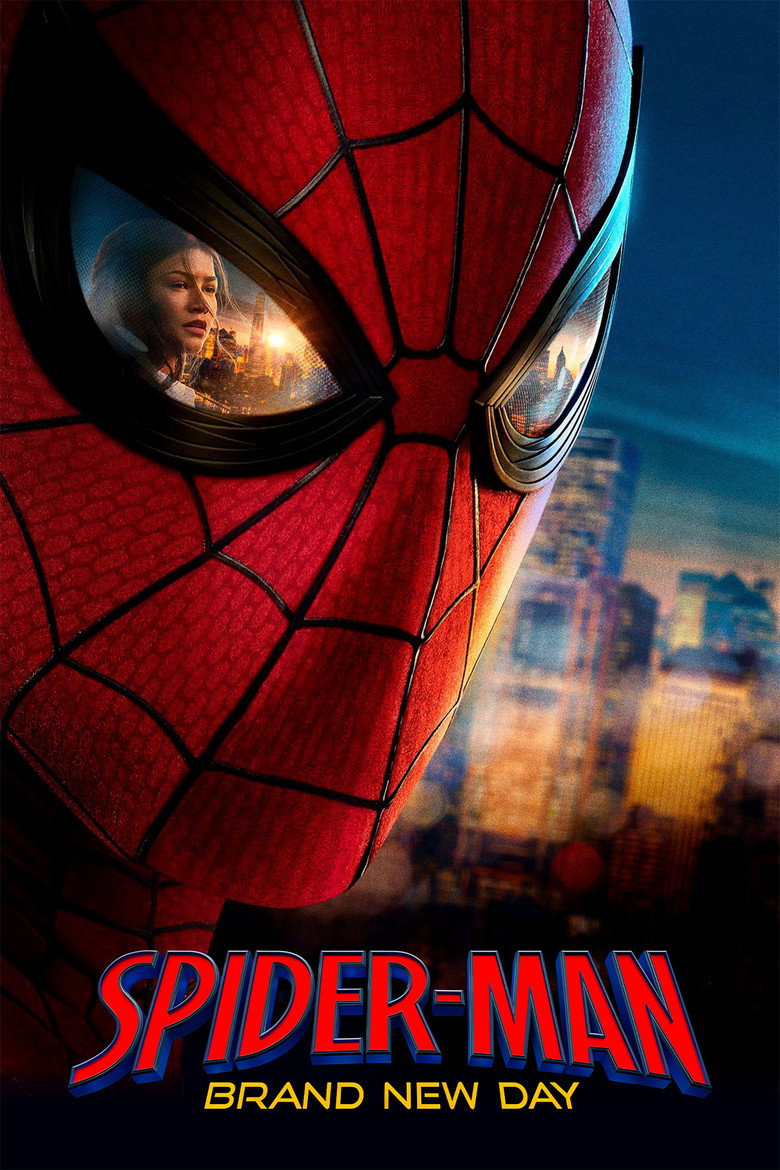
Let’s start with the most scrutinized entry in the shared universe: Spider-Man: Brand New Day. Critics are already dismissing it as a “checklist sequel,” but that critique fundamentally misreads the film’s structural ambition. This movie actively rejects the origin-myth reset and the villain-of-the-week pacing that defined the 2010s superhero template. Instead, it operates as a mid-series novel chapter. The opening sequence doesn’t establish who Peter Parker is; it establishes what he’s lost since the previous installment, and how the gravitational pull of that loss has recalibrated his moral compass. Watch the second-act rooftop traversal. The swinging mechanics are deliberately heavier, slower, laced with audible suit strain and breathless audio mixing. This isn’t VFX budget allocation or technical limitation; it’s physical storytelling. The suit’s fatigue mirrors Peter’s psychological wear. By refusing to deliver a tidy third-act victory, the film commits to serialized consequence. The post-credits sequence isn’t a teaser for ticket sales—it’s the narrative hinge that recontextualizes the entire MCU’s power balance. This is what happens when filmmakers stop treating blockbusters as isolated events and start treating them as volume two of a character arc. The three-act structure was designed for containment. Serial cinema demands fragmentation, and Spider-Man: Brand New Day leans into that fragmentation with ruthless precision.
When World-Building Replaces Character Arcs
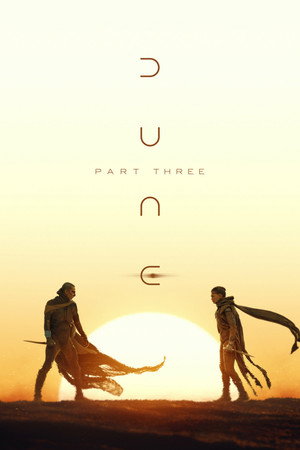
If Spider-Man proves the shift in pacing, Dune: Part Three proves the shift in scope. Villeneuve’s follow-up abandons the traditional “defeat the warlord” third-act structure entirely. The film understands that in a mature serialized ecosystem, the true antagonist isn’t a person—it’s momentum. The sandworm sequences aren’t spectacle inserts designed for trailer cuts; they’re environmental character development. The way the cinematography frames the Arrakis landscape in wide, unblinking takes forces the audience to sit with the ecological and political consequences of the previous films’ decisions. We’re no longer watching a hero’s journey; we’re watching a civilization’s slow-motion reckoning. The sound design strips away the orchestral swell during key confrontations, replacing it with wind, grinding stone, and muffled dialogue. The climax resolves nothing while advancing everything. This is the exact opposite of playing it safe. It requires absolute confidence in an audience’s willingness to engage with unresolved tension across multiple installments. As I’ve argued before, modern blockbusters thrive on cyclical emotional payoffs rather than linear closure. Dune: Part Three is a masterclass in that architecture, treating planet-scale world-building as the primary vehicle for psychological decay.
Nostalgia as Emotional Infrastructure, Not Marketing
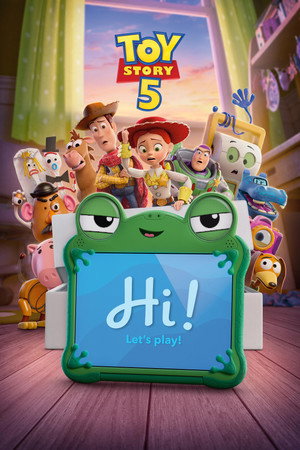
Then there’s Toy Story 5, which the cultural conversation has already mislabeled as a corporate cash grab. That’s a lazy take that ignores Pixar’s structural ambition. The film doesn’t reboot the premise; it ages it. Woody and Buzz aren’t fighting a new antagonist; they’re negotiating the quiet horror of irrelevance in a world that has moved on to digital play. The second act’s warehouse sequence isn’t an action beat—it’s an autopsy of nostalgia itself. The lighting design shifts from warm, nostalgic amber to sterile, fluorescent white, mirroring the toys’ realization that they are no longer cherished, but archived. By refusing to deliver a triumphant “kids come back” ending, the film commits to a mature serialized truth: legacy isn’t about preservation, it’s about adaptation. The emotional core here isn’t “toys come alive”; it’s “what happens when the story that defined you is no longer being told?” This is franchise storytelling at its most psychologically acute, using familiar faces to explore the exact anxieties that standalone family films have been too afraid to touch. The film’s editing rhythm deliberately slows during moments of quiet reflection, forcing viewers to sit with the discomfort of obsolescence rather than rushing toward a feel-good resolution.
The Ensemble Crucible and the Weight of Shared Lore
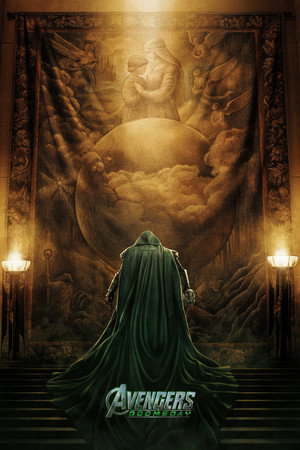
Finally, Avengers: Doomsday is where the serialized model either breaks or becomes undeniable. The film’s runtime is crammed with legacy callbacks, but the real story isn’t the team-up—it’s the fracture. The writers deliberately undermine the “united front” trope by giving each veteran character a conflicting moral mandate that refuses to align. The battle sequences aren’t choreographed for crowd-pleasing synergy; they’re staged as ideological collisions. Watch how the camera lingers on silent reactions rather than explosive impacts. The film understands that in a mature shared universe, the stakes aren’t planetary survival—they’re philosophical incompatibility. This is the culmination of the shift from standalone blockbusters to long-form narrative ecosystems. When you’ve spent a decade building interconnected character histories, the third-act resolution can’t be a simple victory. It has to be a reckoning with the cost of continuity itself. The score abandons traditional heroic motifs for dissonant, overlapping themes that literally refuse to harmonize, mirroring the ensemble’s inability to find common ground. It’s structurally messy by design, and that messiness is exactly what makes it vital.
The naysayers will argue that this model suffocates original storytelling, pointing to the graveyard of mid-budget dramas that never get greenlit. Fair point, but flawed logic. The franchise model doesn’t kill originality; it relocates it. Standalone films still exist—they’ve just moved to streaming and limited theatrical runs where they can operate without a $200 million opening weekend requirement. The theatrical marketplace has simply bifurcated. What’s happening in cinemas is the birth of a new format: the cinematic serial. It demands writers who think in seasons, directors who understand visual continuity across years, and audiences willing to track long-form emotional arcs. This isn’t creative cowardice. It’s the medium finally maturing. As explored in Cinema's Recursive Soul: Why Growth Is a Spiral, Not a Line, the most compelling modern narratives reject linear resolution in favor of cyclical consequence. Franchises are just the vessel that allows that structure to survive at scale.
The Verdict on Serialized Cinema
Editor's Verdict: Spider-Man: Brand New Day earns an 8/10 not for its spectacle, but for its structural discipline. It loses two points because the second-act pacing drags when it over-relies on dialogue-heavy exposition to bridge timeline gaps, a problem that would’ve been tighter with a single directorial vision from start to finish. The film’s post-credits sequence fundamentally rewrites the power dynamics established in the previous three MCU phases, making it the most consequential narrative pivot in shared-universe filmmaking this decade.
FAQ
Why are studios shifting from standalone blockbusters to franchise sequels?
Studios are adopting serialized storytelling because long-form narrative ecosystems allow for deeper character development, sustained world-building, and built-in audience engagement that standalone films struggle to achieve at a $200M+ budget tier.
Does the rise of cinematic universes kill original filmmaking?
Original filmmaking hasn't disappeared; it has bifurcated. Standalone and original scripts now primarily thrive in streaming platforms and limited theatrical releases, while major studios use franchise slates to fund long-form cinematic experiments.
How do legacy sequels avoid creative stagnation?
Successful legacy sequels avoid stagnation by treating installments as chapters rather than reboots, focusing on character degradation, unresolved tension, and environmental storytelling that evolves alongside audience expectations.