Forget Superbad: The One-Day Masterpiece is 'Sleuth'
While comedies like 'Superbad' get the laughs, the raw, psychological intensity of the 1972 thriller 'Sleuth' defines the art of compressed cinematic storytelling.
We live in an age of cinematic sprawl, where every story seems to demand a trilogy, a cinematic universe, or at least a bloated runtime. Yet, a truly captivating film can unfold entirely within the confines of a single day or night, leveraging that compressed timeline to amplify tension and sculpt character arcs with surgical precision. The popular consensus often points to effervescent comedies or high-stakes action flicks as the prime examples of this tight format. But let's be real: while enjoyable, many of these only scratch the surface of what a 24-hour cinematic canvas can truly achieve. It's time to re-evaluate what makes a one-day film genuinely great.
Unpacking the Best Single-Day Films
For those seeking cinematic intensity born from a relentless ticking clock, look no further than these key elements:
- Why Sleuth (1972) is a masterclass in cinematic confinement
- The raw power of Laurence Olivier and Michael Caine's performances
- How compressed timelines elevate psychological thrillers
- Moving beyond the obvious choices in one-day cinema
The Unjustly Overlooked Genius of 'Sleuth'
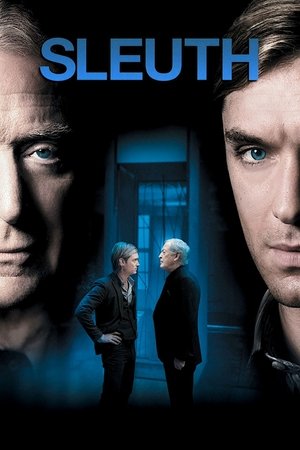
Many might immediately think of Superbad when discussing films set over a single night. And yes, Superbad is a riot. Its raunchy humor and surprisingly heartfelt exploration of male friendship on the cusp of adulthood are undeniable. It's a fantastic coming-of-age comedy that perfectly captures the frantic energy of one pivotal night. But does it truly harness the intensity and narrative compression that the single-day format promises? Not in the same league as the unsung titan of the genre: Sleuth (1972).
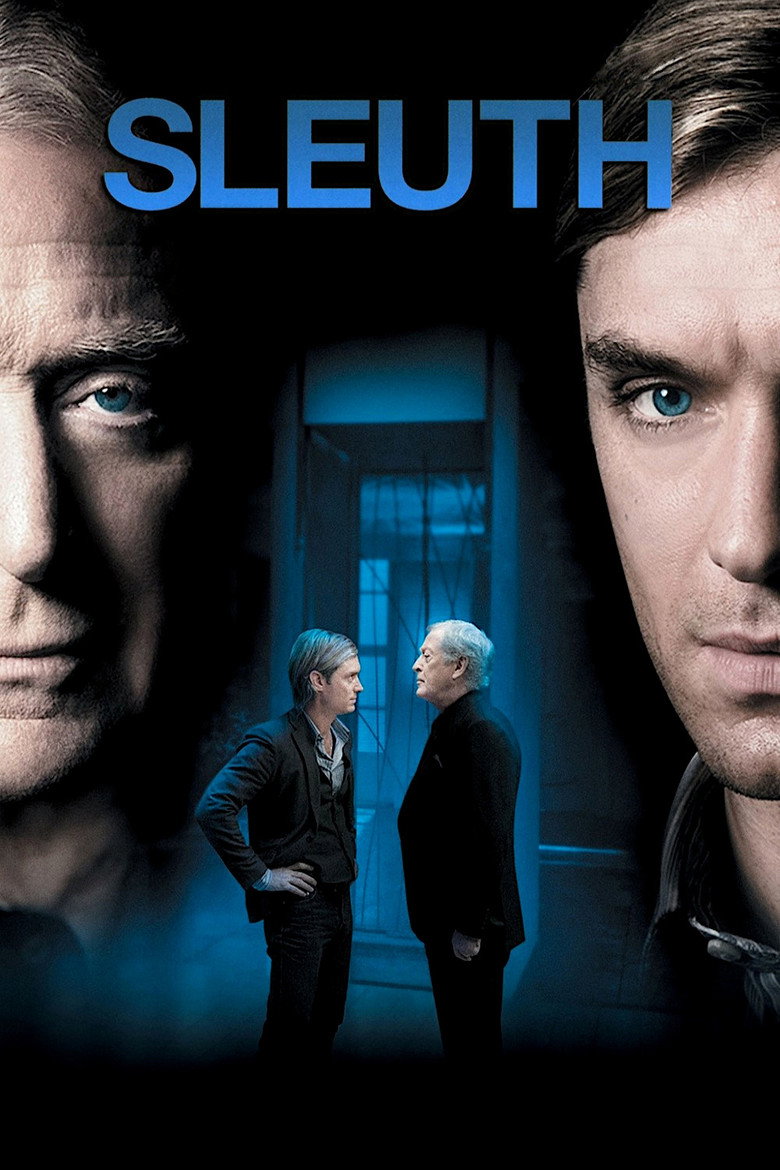
Directed by the legendary Joseph L. Mankiewicz and boasting a script by Anthony Shaffer (who adapted his own brilliant play), Sleuth isn't just a movie set in a single day—it is the single day. From the moment the charming, cunning Milo Tindle (Michael Caine) steps into the extravagant, game-filled mansion of crime novelist Andrew Wyke (Laurence Olivier), the clock starts ticking on a psychological chess match that defines the very essence of confined, intense storytelling. The entire film is a masterclass in how a limited timeline, combined with a confined setting, can escalate a simple confrontation into a dizzying spiral of deception and dominance. Forget sprawling ensemble casts; here, two actors, one house, and one fateful night are all that's needed to create pure cinematic lightning.
The Performance Powerhouse
What truly elevates Sleuth isn't just its ingenious plot, but the seismic performances at its core. Olivier, ever the theatrical maestro, delivers a performance that's both menacing and ridiculously droll, shifting gears from patronizing intellectual to desperate schemer in a heartbeat. Caine, playing against type as the initially subservient but increasingly defiant Tindle, holds his own against Olivier with a simmering intensity that explodes in perfectly timed bursts. The rapid-fire dialogue, the escalating stakes, the endless game-playing – all are amplified by the ticking clock, forcing these characters to reveal their deepest, most desperate selves without respite. There's no time for character development off-screen; every shift, every betrayal, every revelation happens right before your eyes, raw and immediate. This kind of dynamic storytelling within a tight frame is precisely what we lauded in The Art of Confinement: Why One-Room Films Still Thrill Us recently.
Yes, Superbad is a cultural touchstone for a generation, and its single night of chaos is genuinely hilarious and relatable. Seth and Evan's desperate quest for alcohol and connection is a well-told story, full of memorable lines and iconic scenes. But its
FAQ
What defines a 'single day' film?
A 'single day' film is a movie whose entire narrative, from beginning to end, takes place within a 24-hour period or less, often emphasizing real-time or compressed timelines.
Are there different types of single-day films?
Yes, they range from comedies like 'Superbad' to intense thrillers like 'Sleuth,' and even dramas or horror films, all leveraging the compressed timeline for different narrative effects.
Why is 'Sleuth' considered a standout example of this genre?
'Sleuth' excels due to its confined setting, brilliant dialogue, and the intense psychological battle between two masterful actors, all heightened by the relentless, real-time progression of a single night.