Cabin Fever: Why 'The Woman in Cabin 10' Won't Solve Your Mystery Cravings
Amidst the buzz for new thrillers, the hyped adaptation of Ruth Ware's novel is set to be a by-the-numbers disappointment. True mystery fans deserve better.
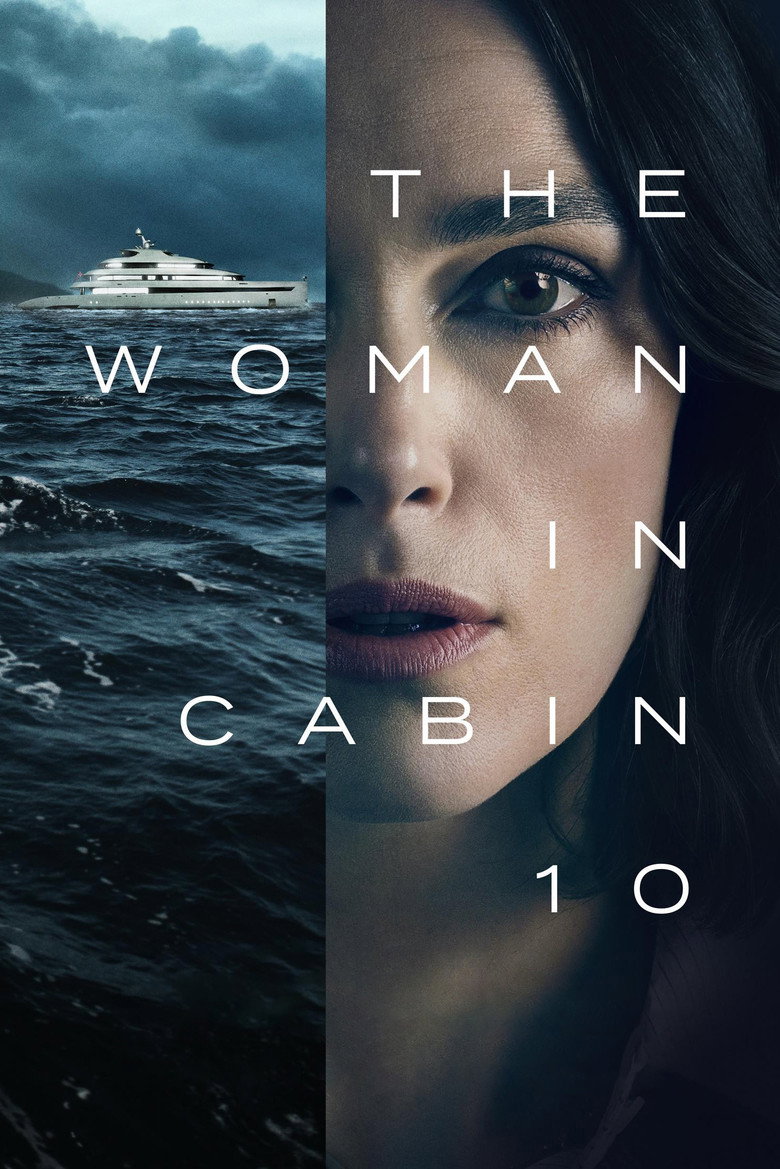
Every few months, a new mystery adaptation arrives, heralded as the next great cinematic puzzle, promising twists that will leave us breathless and a resolution that will blow our minds. This spring, all eyes are on the big-screen take of Ruth Ware's bestseller, The Woman in Cabin 10. The book, with its isolated cruise ship setting and an unreliable narrator convinced she witnessed a murder no one else believes, certainly has the ingredients for a tantalizing thriller. The chatter is undeniable; audiences are primed to board this particular luxury liner, expecting a first-class whodunit. But let's be real, true connoisseurs of psychological suspense know that a compelling premise is just the tip of the iceberg, and Hollywood often sinks before it sails.
Unpacking the Hype: What Are We Really Getting with New Mysteries?
Before you book your ticket for a trip to predictable waters, consider what a truly engaging mystery film should deliver. This article will dissect:
- Why the hype around The Woman in Cabin 10 is fundamentally misplaced.
- The inherent pitfalls of adapting twist-heavy, unreliable-narrator novels to the screen.
- What constitutes a truly compelling and fresh cinematic mystery.
- Recommendations for thrillers that actually earn your undivided attention.
Why 'Cabin 10' is Destined for the Doldrums
Let's cut straight to it: the film adaptation of The Woman in Cabin 10 is poised to be as forgettable as the stale canapés at a port-of-call buffet. While Ruth Ware's novel was a page-turner for many, its strength lay in its internal monologue, the creeping paranoia of its protagonist, Lo Blacklock. Translating that interiority to film without resorting to heavy-handed exposition or overt, often clichéd, visual cues for her mental state is a Herculean task most adaptations fail spectacularly at. We'll likely get jump scares where we need psychological unraveling, and obvious red herrings instead of subtle, character-driven misdirection.
Modern mystery cinema too often prioritizes the 'gotcha!' twist over genuine, slow-burn tension or meaningful character development. The very essence of Ware's novel – the unreliable narrator's struggle to be believed – can easily devolve into a repetitive cycle of frantic accusations and dismissals onscreen, losing its narrative power. Instead of a deep dive into the protagonist's fracturing psyche, expect a frantic scramble through dimly lit corridors, punctuated by predictable revelations that feel more like a forced itinerary stop than an organic plot development. It's the cinematic equivalent of a cruise ship magic show: lots of flash, zero actual magic.
What the Hype Gets Right (and Why It Still Misses the Point)
Yes, the book was popular. And yes, a locked-room style mystery on a luxury cruise ship is inherently intriguing. The promise of glamour, claustrophobia, and a hidden killer is a potent cocktail. In a landscape often dominated by superhero fatigue and franchise reboots, the idea of a standalone, contained mystery thriller should be a breath of fresh air. However, the allure of the premise often overshadows the execution. We're lured in by the 'what if' but left underwhelmed by the 'how.'
The problem isn't the desire for a good mystery; it's the industry's consistent inability to deliver one that trusts its audience to engage with subtlety. They'll likely smooth out the edges, simplify the psychological complexities, and serve up a neatly packaged, easily digestible mystery that leaves no room for genuine thought or lingering unease. It won't challenge you; it will simply present a puzzle and then show you the answer, much like a child's toy. For true suspense, you need more than just plot points; you need atmosphere, palpable dread, and characters you can genuinely invest in, flaws and all. For a better example of contained suspense, check out our piece on The Art of Confinement.
Editor's Verdict
Editor's Rating: 4/10
The hype surrounding The Woman in Cabin 10 is a red herring. This adaptation will likely be a superficial dive into a psychological thriller, prioritizing cheap thrills over genuine suspense and character depth. Skip this ship and seek out films that truly challenge your mind.
What You Should Watch Instead: Seek Out True Cinematic Puzzles
Instead of queuing up for another bland adaptation, turn your attention to films that master the art of psychological suspense without relying on the crutch of a popular novel's pre-packaged twists. Look for original thrillers that prioritize atmosphere, character, and genuine unpredictability. Seek out independent films that aren't afraid to get messy with their narrative or leave you truly pondering long after the credits roll. If you're craving a real mystery, look for something that understands that the true terror isn't just who did it, but why and the psychological fallout that ensues. For other films worth your time this month, don't miss our April 2026 Movie Scorecard!
FAQ
Is 'The Woman in Cabin 10' based on a true story?
No, 'The Woman in Cabin 10' is a fictional mystery novel written by Ruth Ware, which is now being adapted into a film.
What kind of mystery is 'The Woman in Cabin 10'?
It falls into the psychological thriller subgenre, often described as a 'locked-room' mystery due to its isolated cruise ship setting and the protagonist's struggle with an unreliable perception of events.