Gotham vs. The Chestnut Man: Crime TV's Identity Crisis
In the ultimate showdown, does stylized comic book chaos beat out grounded Nordic noir? We pit two genre giants against each other to declare a definitive winner.
Nordic noir is a narrative dead end. That’s right, the entire subgenre, with its perpetually overcast skies, emotionally scarred detectives, and artfully mutilated corpses, has become a creative cul-de-sac. For all its prestige and critical acclaim, its formula is now so rigid, so predictable, that it offers all the surprise of a sunrise. While a show like The Chestnut Man executes this formula to near perfection, it is ultimately a beautiful, bleak museum piece. The future of crime storytelling—the vital, chaotic, and genuinely surprising future—lies in the glorious, operatic madness of a show like Gotham.
Is Gotham or The Chestnut Man a Better Crime Show?
This article breaks down the ultimate confrontation between two radically different approaches to the crime genre. We'll determine a winner by analyzing:
- A head-to-head comparison between Gotham's comic book maximalism and The Chestnut Man's Nordic noir minimalism.
- How peer shows like the procedural behemoth Criminal Minds and the historical drama Manhunt fit into the landscape.
- Detailed breakdowns of their world-building, character depth, and narrative structure.
- A final, definitive verdict on which series represents the more compelling vision for crime television.
The Contenders Enter the Ring: Maximalist Myth vs. Minimalist Misery
The battle lines are drawn between two fundamentally opposed philosophies of crime storytelling. On one side, we have the sprawling, theatrical ambition of American IP. On the other, the tightly wound, atmospheric dread of European prestige.
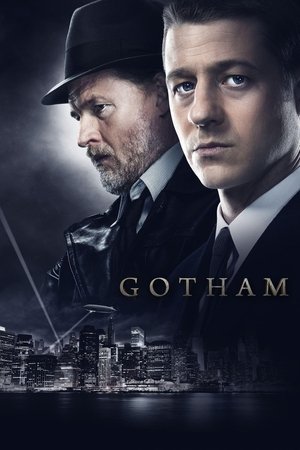
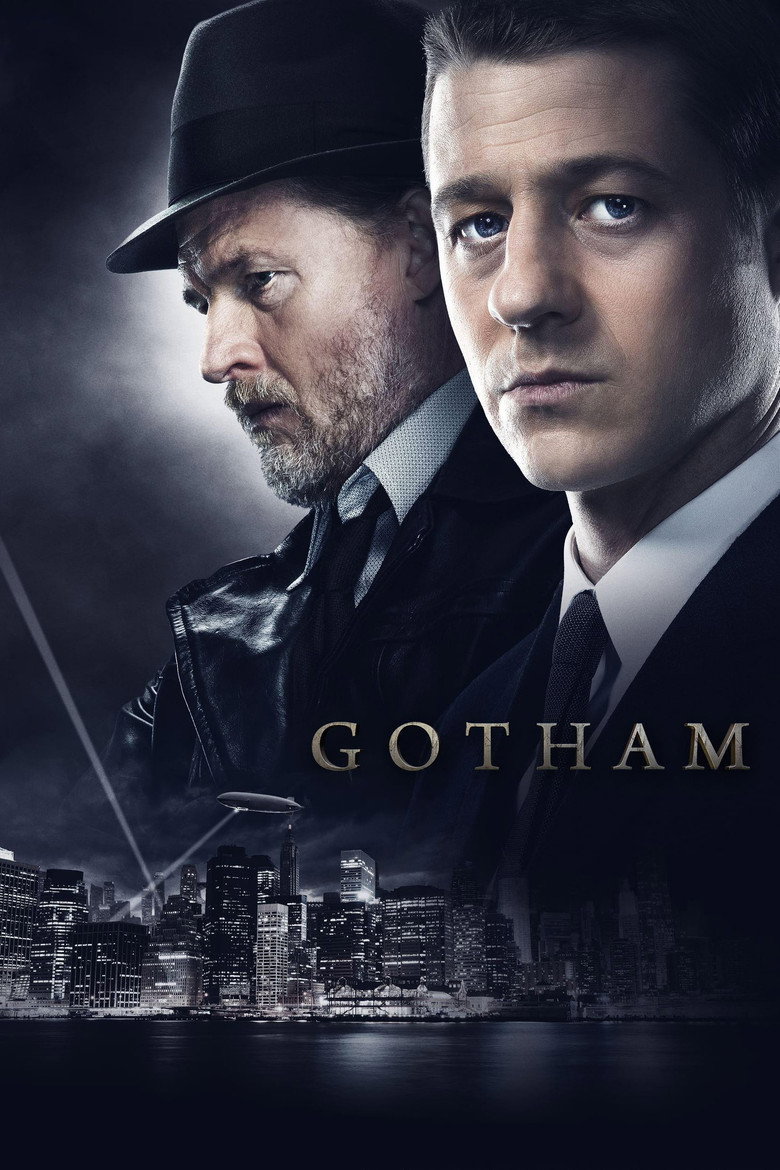
Gotham is, on its face, a prequel. It’s the story of a city before its famous caped crusader. But to dismiss it as mere backstory is to miss the point entirely. The show isn't about the hero waiting in the wings; it’s a full-throated opera about the rot that necessitates him. It treats the urban decay, the political corruption, and the rise of its iconic villains not as procedural beats but as grand, tragic mythology. It’s a show where a street-level thug can become a crime lord, a forensics nerd can become a psychotic riddle-master, and the city itself is the main character, groaning under the weight of its own gothic depravity.
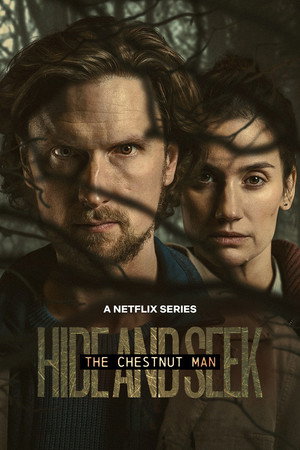
The Chestnut Man, in stark contrast, is a scalpel. This Danish limited series is a masterclass in focus. A brutal serial killer is stalking Copenhagen, leaving behind meticulously crafted dolls made of chestnuts at each crime scene. Two mismatched detectives, one haunted by her past and the other an outcast, are tasked with stopping him. There are no mob wars, no supervillain origin stories. There is only the case, the suffocating autumn atmosphere, and the grim determination to find one monster hiding in a world that feels chillingly real. It is the platonic ideal of Nordic noir, refined to its most potent form.
The Arena of Atmosphere: World-Building and Tone
A crime show's setting is more than just a backdrop; it's the petri dish in which its darkness grows. Here, our contenders could not be more different.
Gotham builds a world that is gloriously, unapologetically artificial. Its aesthetic is a timeless mashup of 1940s noir, 1970s grime, and futuristic tech. The Gotham City Police Department headquarters looks like a cavernous, art-deco train station where hope goes to die. The city is perpetually shrouded in night, rain, or a sickly yellow smog. This isn't a realistic portrayal of an American city; it's a psychic landscape. The tone is heightened, theatrical, and often veers into camp, but it is executed with such unwavering commitment that it becomes utterly immersive. The city feels diseased, and the show’s visual language is the symptom.
The Chestnut Man opts for the illusion of absolute reality. Its Copenhagen is a place of muted colors, perpetual dampness, and functional, sterile interiors. The atmosphere doesn't come from stylized production design but from the oppressive quiet and the constant, drizzling rain. The horror is effective precisely because it erupts within a world that looks like our own. The show’s tone is relentlessly somber, building a sense of dread not through operatic flourishes but through a slow, creeping unease. The world feels grounded, which makes the killer's intrusions feel all the more violating.
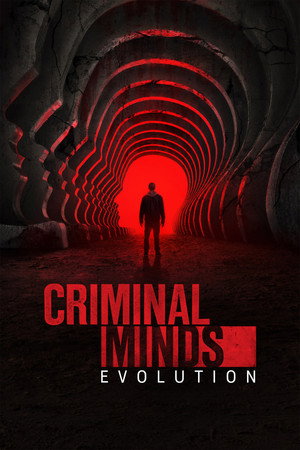
How do our peers compare? The world of Criminal Minds is a non-world. Its locations are utterly generic, a series of interchangeable suburbs, offices, and kill rooms that could be anywhere in America. Atmosphere is an afterthought; the setting exists purely to serve the weekly formula. Conversely, Manhunt excels at atmosphere through historical recreation. Its post-Civil War Washington D.C. is a character in its own right—a muddy, gaslit world of political intrigue and simmering resentment. The meticulous detail in the sets and costumes creates a palpable sense of time and place that is crucial to its narrative.
Dimension 1 Scoring: Atmosphere
- Gotham: For its sheer audacity and creating a singular, unforgettable visual identity.
- Manhunt: For its immersive and historically faithful world-building.
- The Chestnut Man: For effectively weaponizing realism, even if its brand of bleakness is familiar.
- Criminal Minds: For treating its setting as disposable background noise.
The Protagonist Problem: Heroes, Villains, and the Chasm Between
A story is only as good as its characters, and the central figures in a crime drama define its moral and emotional core.
Gotham presents a fascinating paradox. Its ostensible hero, Detective Jim Gordon, is its least interesting character. He is a stubborn, righteous man adrift in a sea of corruption—a necessary anchor, but a static one. The show’s true masterstroke is its investment in its villains. Robin Lord Taylor's performance as Oswald Cobblepot, a sniveling umbrella boy who claws his way to the top of the underworld, is an all-time great television performance. Cory Michael Smith’s Edward Nygma transforms from a socially awkward forensic scientist into a preening, murderous narcissist. These aren't just antagonists; they are tragic, complex, and charismatic co-protagonists whose arcs are far more compelling than Gordon’s quest for justice.
The Chestnut Man, true to its genre, focuses squarely on its detectives. Naia Thulin and Mark Hess are classic archetypes: brilliant, damaged, and emotionally closed-off. Their slowly thawing partnership provides the human heart of the story. They are professionally competent and personally broken, and the show uses their trauma to connect them to the case. They are well-drawn and superbly acted, but they are ultimately familiar figures. They are conduits for the plot, vessels for the audience to inhabit while solving a puzzle. The killer is a ghost, a force of nature whose motivations are the final piece of that puzzle, not a character to be explored in their own right.

Our peer shows present two other models. Manhunt gives us a historical protagonist in Edwin Stanton, Lincoln's Secretary of War. He is a man driven not by a case, but by a mission to preserve a nation's soul. His character is a dense, compelling study of grief, political will, and the weight of history. On the other end of the spectrum, Criminal Minds offers an ensemble of comforting, unchanging archetypes. For 15+ seasons, the Behavioral Analysis Unit remained a collection of roles—the sage, the muscle, the quirky genius, the empathetic heart. They are beloved for their stability, not their growth, providing a dependable anchor in a sea of weekly horrors.
Dimension 2 Scoring: Characters
- Gotham: For its revolutionary focus on building a complex, dynamic, and unforgettable ensemble of villains.
- Manhunt: For its deeply researched and nuanced portrait of a complex historical figure.
- The Chestnut Man: For its well-executed but archetypal detective pairing.
- Criminal Minds: For its likable but fundamentally static cast of character types.
The Machinery of Plot: Narrative Structure and Pacing
How a story unfolds is just as important as the story itself. The choice between a tightly-wound mystery and a sprawling epic defines the viewing experience.
The Chestnut Man is a marvel of narrative engineering. Over six episodes, it constructs an airtight mystery. The pacing is deliberate and relentless. Every clue, every interview, and every red herring serves a purpose. It respects the audience's intelligence, laying out the pieces in a way that makes the final, horrifying reveal feel both surprising and inevitable. It is the very definition of a
FAQ
Is Gotham a show for Batman fans only?
Not at all. While it uses Batman's mythology, it's primarily a serialized crime drama about a city's corruption. Knowing the comics adds layers, but the show stands on its own as a unique character study.
Is The Chestnut Man too scary or gory for the average viewer?
It is a dark and graphic series with disturbing crime scenes. It's comparable to other Nordic noirs like 'The Killing' or 'The Bridge' and is intended for a mature audience that can handle intense psychological horror and violence.
Which show is better to binge-watch?
The Chestnut Man is a perfect one-weekend binge due to its tight, six-episode plot. Gotham is a much longer commitment, playing out more like a sprawling epic, but its serialized nature also makes it highly bingeable if you're in for the long haul.