TV's Moral Crisis Is a Lie: The Real Evil Is Boring
We're obsessed with flashy anti-heroes and magical justice. But the most important new thriller, 'Nemesis,' proves that true corruption is quiet, bureaucratic, and hiding in plain sight.
A man in a well-tailored but unremarkable suit sits under the flat, humming light of a conference room. He’s not wrestling with a demon or consulting a cursed artifact; he’s reviewing a spreadsheet. With a quiet sigh and the click of a mouse, he reallocates a budget line, a decision that will shutter three rural hospitals a thousand miles away. There is no dramatic music, no villainous monologue. There is only the sterile hum of the air conditioning and the silent, devastating exercise of institutional power. This is the scene we’ve been trained to ignore, and it’s the only one that actually matters.
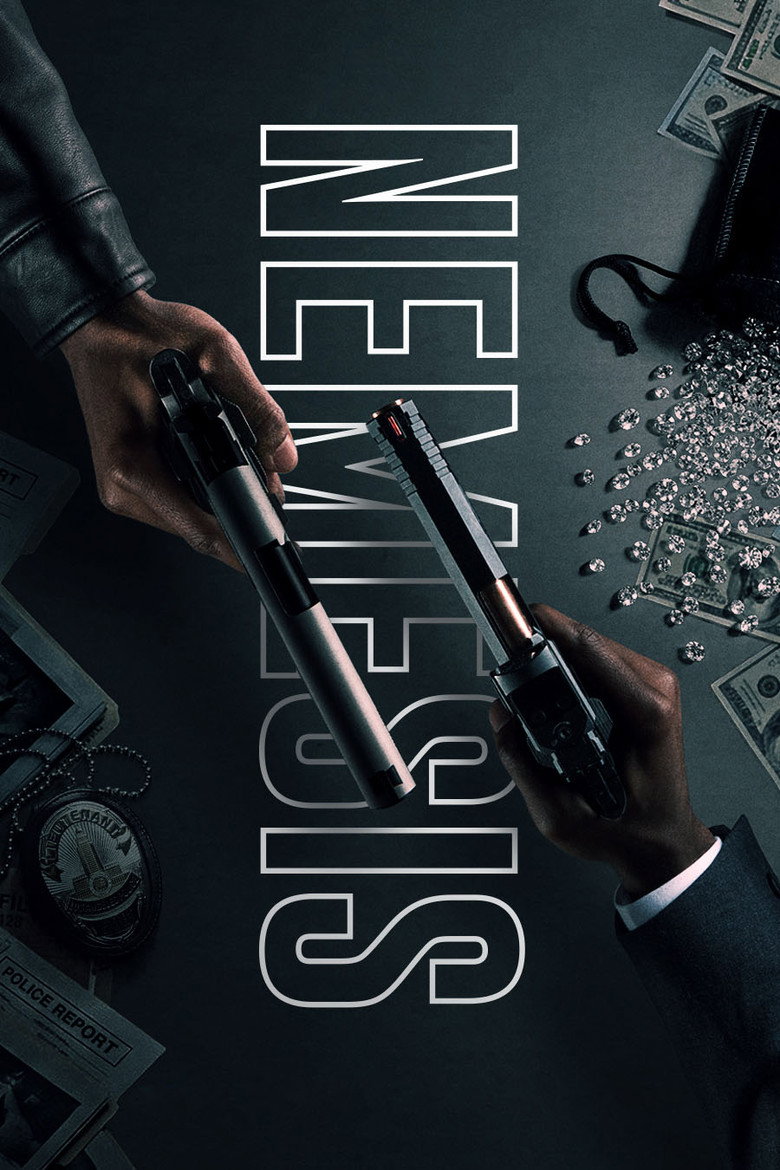
We are drowning in high-concept morality plays. Culture tells us the great ethical struggles of our time are fought by tormented vigilantes in body armor, glitter-dusted teens navigating trauma, or geniuses with supernatural notebooks deciding who lives and who dies. We devour these stories because they offer a fantasy of agency, a world where morality is a tangible choice with spectacular consequences. I’m here to tell you this is a dangerous illusion. The fetish for the operatic anti-hero has blinded us to the real face of evil, which is rarely a charismatic monster and almost always a committee. While everyone is distracted by the fireworks, a show like the criminally overlooked Nemesis is quietly delivering the most chilling and necessary political thriller in years, precisely because it understands that true corruption is boring.
Are TV Shows About Power and Morality Missing the Point?
This review argues that our obsession with stylized, high-concept dramas about good and evil is a distraction from the more terrifying, realistic corruption depicted in grounded thrillers. We'll explore why you should skip the hype and watch the show that truly understands the nature of power.
- Nemesis: The overlooked political thriller that nails the horror of bureaucratic evil.
- Death Note: The anime classic that represents the seductive but shallow fantasy of absolute power.
- Daredevil: Born Again: How even the best superhero narratives simplify systemic corruption into a punchable villain.
- HIS & HERS: The domestic thriller that proves the mechanics of power are as terrifying on a micro-level as they are in government.
The Seductive Lie of the God Complex

To understand why a show like Nemesis feels so radical, we have to first diagnose the addiction it’s trying to cure. The patient zero of this affliction is, of course, Death Note. For two decades, this anime has been lauded as a brilliant examination of justice and morality. It is, without question, a masterfully plotted intellectual thriller. The cat-and-mouse game between Light Yagami and the detective L is an all-time great rivalry, a chess match of dizzying feints and brilliant deductions. But as a text about power, it’s an adolescent fantasy.
Death Note’s central premise is a magic notebook that externalizes and simplifies the act of killing. It turns justice into a clerical task. Light’s moral decline is not a slippery slope; it’s a swan dive off a cliff in the first episode. He immediately embraces his godlike power with the unconflicted arrogance of a teenager who’s just discovered Nietzsche. The show is far more interested in the clever exploitation of the notebook’s rules than the messy, human fallout of Light's actions. The victims are faceless criminals, abstract concepts erased to prove a philosophical point. The show offers the intoxicating idea that the world’s problems can be solved by one brilliant individual with a perfect tool and the will to use it. It’s the ultimate fantasy of control, a seductive lie in a world that feels increasingly chaotic and uncontrollable. It’s intellectual junk food, and we’ve been mistaking it for a five-course meal.
Nemesis and the Banality of Real Evil
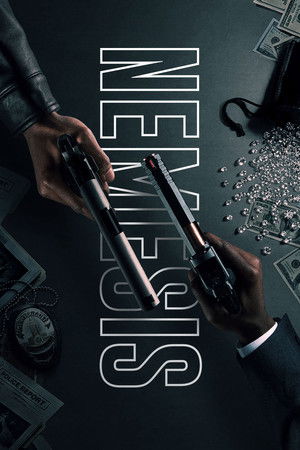
Now, enter Nemesis. On the surface, it’s everything Death Note is not: slow, dense, and deeply unsexy. Its protagonists aren’t super-geniuses; they are mid-level bureaucrats, ambitious politicians, and jaded journalists. The “power” they wield isn’t supernatural; it’s the ability to get a meeting, to kill a story, to insert a rider into a piece of legislation. And that is precisely what makes it so terrifyingly brilliant.
Nemesis understands that real-world evil isn’t an act, it’s a process. It’s a series of small, justifiable compromises made by people who tell themselves they are still good. It's a minister signing off on a defense contract with a company he knows cuts corners, because rejecting it would hurt his party in the polls. It’s a civil servant burying a report on environmental toxins because its release is scheduled for the same day as a royal wedding and will get no press. The show’s most harrowing sequences are not shootouts, but subcommittee hearings. Its tension comes not from whether the hero will defuse the bomb, but whether a crucial witness will be intimidated into silence by a quiet threat about their pension.
This is a far more mature and disturbing portrait of corruption. It posits that the true villain isn’t a person, but a system that incentivizes self-preservation over public good. There is no magic notebook to burn, no kingpin to dethrone. There is only the relentless, soul-crushing machinery of power itself. It’s a show that respects its audience enough to not provide easy answers or clear-cut villains, a quality that might explain its muted reception in a landscape that prefers its morality in primary colors.
The Street-Level Fight vs. The Systemic Rot

Even our most sophisticated genre shows fall into this trap of personification. Look at the world of Daredevil, which with Daredevil: Born Again continues to be one of the MCU’s most compelling corners. The original Netflix series was a phenomenal study of a man’s violent crusade against the soul of his city, embodied by Wilson Fisk. Fisk was a magnificent villain, a man who saw himself as a savior while crushing Hell’s Kitchen under his thumb. The conflict was visceral, grounded in Matt Murdock’s Catholic guilt and Fisk’s volcanic rage.
Yet, it still simplifies the problem. The show presented the city’s corruption as a pyramid with Fisk at the top. To save the city, you had to topple the Kingpin. It’s a powerful narrative, but it’s still a superhero narrative. It reinforces the comforting idea that the system is fundamentally good, merely infected by a few bad men who can be punched into submission. Nemesis presents a far bleaker, and more accurate, reality: the system is the problem. There is no kingpin. There is only a complex web of interlocking interests, where every player is both a victim and a perpetrator of the rot. Removing one person does nothing; the machine simply promotes someone else to fill the vacant seat and continue the work. It’s a truth that’s much harder to build a thrilling action sequence around, but it’s one that resonates long after the credits roll.
The Intimate Terror of Power

If Nemesis shows us the macro-scale horror of impersonal power, a show like HIS & HERS reveals that the same insidious mechanics operate at the most intimate level. This domestic thriller isn't about policy or politics; it's about the secrets and lies that curdle a marriage. Yet, the themes are identical. It’s a story about the power of information—who knows what, and when? It’s about the slow, creeping compromises one makes to maintain a fragile peace. It’s about gaslighting as a tool of control, a psychological coup d'état within a relationship.
The moral dilemmas faced by Detective Jack Harper and his news anchor wife Anna are not about the fate of nations, but they are no less potent. Is it ever right to lie to protect someone you love? Where is the line between protection and control? The show masterfully illustrates how the desire for power—over a narrative, over a partner, over one's own secrets—can corrode the most sacred bonds. Watching HIS & HERS after Nemesis is a revelation. It shows that the language of power is universal. The same tactics used to bury a political scandal are used to hide an affair. The fundamental corruption is the same, whether it’s happening in the halls of Parliament or a suburban kitchen.
Editor's Verdict
We have been conditioned to expect our lessons on power and morality to be loud, stylish, and spectacular. Nemesis is a quiet, patient, and devastating rebuke to that entire school of thought. It’s a dense, demanding watch that refuses to hold your hand or give you a hero to root for. And that’s what makes it essential viewing. It’s a show for adults, about a world where the most significant evils are committed in broad daylight, documented in triplicate, and approved by a quorum.
The mid-season episode 'Committee Vote,' which consists almost entirely of a single, excruciating meeting, is a more tense and morally complex hour of television than the entirety of Death Note’s final arc. Stop chasing the high-concept sugar rush. If you want a real meal, a show that will stick in your gut and make you question the world outside your door, it's time to seek out the quiet masterpiece everyone is sleeping on. Like this post if you agree it's time for TV to get real.
FAQ
What is the main argument of this review?
The review argues that grounded, realistic political thrillers like 'Nemesis' offer a more profound and disturbing exploration of power and morality than popular high-concept shows like 'Death Note' or superhero series.
Is 'Death Note' a bad show?
No. The article acknowledges that 'Death Note' is a brilliantly plotted thriller with an iconic rivalry. The critique is that its exploration of morality is shallow and functions more as an adolescent power fantasy than a serious philosophical text.
What makes 'Nemesis' different from other political thrillers?
According to the review, 'Nemesis' stands out by focusing on the slow, bureaucratic, and systemic nature of corruption rather than individual villains or conspiracies. Its tension comes from process and quiet compromises, not action sequences.