Fractured Worlds Scorecard: Ranking TV’s Best Survival Dramas
How modern series use collapsed systems to force intimate moral reckonings
Contemporary television has abandoned actual character development in favor of using systemic collapse as an expensive excuse for moral laziness. The industry’s current fixation on dystopian futures, bureaucratic rot, and grief-stricken enclaves isn’t about examining what it means to remain human; it’s about hiding behind VFX budgets and procedural armor while delivering recycled trauma porn. The shows that actually succeed in this crowded field understand a simple truth: a broken world is meaningless unless it forces a specific, quiet compromise in a specific person. When the spectacle stops overshadowing the psychology, we finally get television that matters.
Best TV Shows About Surviving Fractured Systems
The Evaluation Framework: How I Score Broken Worlds
To cut through the prestige TV noise, I’m applying a strict four-axis scoring model. Each show is evaluated out of 10 on: - Systemic Fracture (/10): How effectively the show constructs and utilizes a collapsed institution, dystopian setting, or broken social structure. - Moral Tension (/10): The degree to which survival forces genuine ethical compromise rather than cartoonish villainy. - Character Grounding (/10): Whether intimate emotional arcs hold weight against the high-concept backdrop. - Spectacle Efficiency (/10): How well production design, pacing, and genre mechanics serve the thematic core instead of distracting from it.
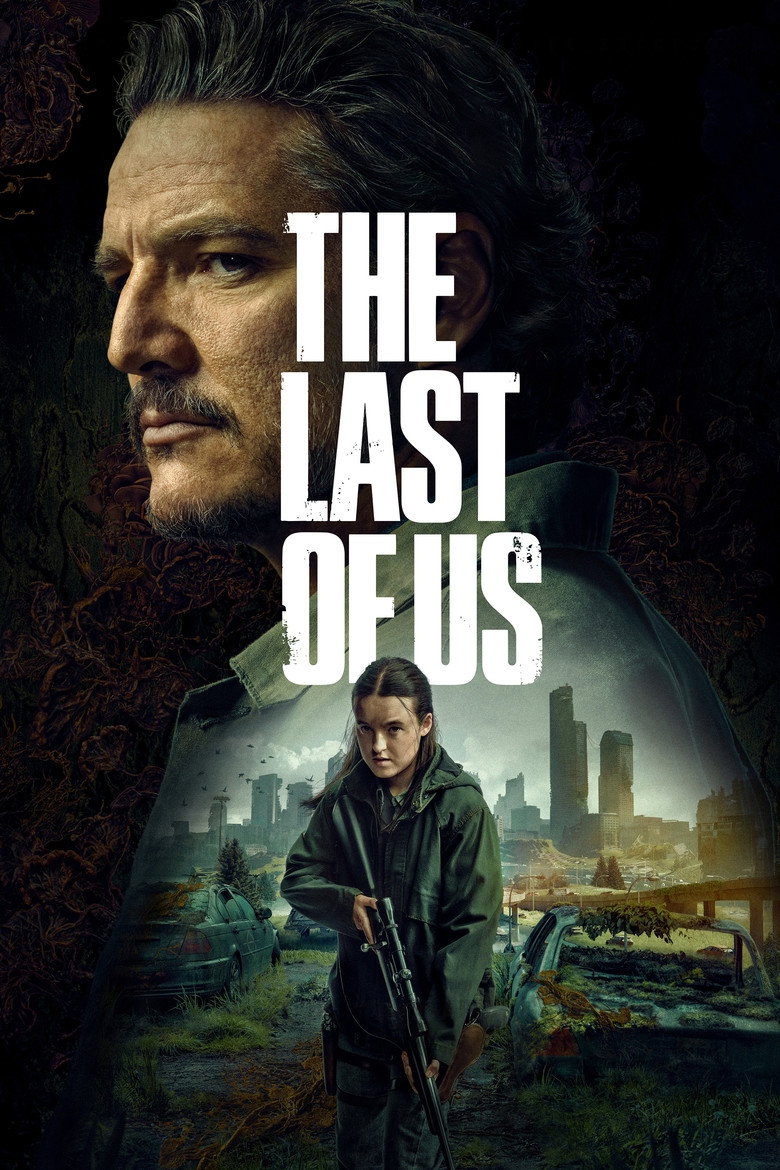
The fungal apocalypse in The Last of Us is deliberately under-explained because the showrunners know better than to let worldbuilding cannibalize the emotional thesis. The real collapsed system here isn’t the CDC or the FEDRA occupation zones; it’s Joel’s grief architecture, a self-imposed quarantine that the series systematically breaches. Episode 3’s train station sequence is a masterclass in performative morality: Joel stages a rescue, shoots unarmed militia, and delivers a eulogy for a stranger, all to prove to himself that he still operates by a code. It’s a lie, and the camera lingers just long enough for us to see the cracks. When Ellie steps onto that train, the narrative pivots from survival logistics to parental substitution, and the moral tension stops being about infected versus humans and starts being about protection versus autonomy. Pedro Pascal and Bella Ramsey carry the weight of that shift without leaning on exposition dumps. The series occasionally stumbles into video game nostalgia traps, but its structural discipline keeps the focus on how love becomes complicity in a broken world. It understands that survival without moral consequence is just tourism.
- Systemic Fracture: 8
- Moral Tension: 9
- Character Grounding: 9
- Spectacle Efficiency: 8
- Total: 34/40
Fallout weaponizes retro-futurism to expose how capitalist rot outlives nuclear fire. The Vaults aren’t shelters; they’re behavioral experiments designed by men who viewed human connection as a variable to be optimized. Lucie’s journey from sheltered heir to hardened survivor works because the show refuses to let her innocence shield her from the brutal economics of the wasteland. The Pitt’s cannibalistic society in Episode 4 isn’t just shock value; it’s a direct mirror to Vault-Tec’s commodification of human life, stripped of its corporate veneer. Walton Goggins and Ella Purnell anchor the series in competing survival philosophies: Maximus believes order requires sacrifice, while Lucie learns that trust requires vulnerability. The show’s greatest strength is its willingness to let the spectacle serve the satire. The raider market’s exchange of caps for bullets, the forced labor camps masquerading as rehabilitation centers, and the recurring motif of consumer packaging in a starving world all reinforce a single thesis: the system didn’t collapse; it just evolved. Where it falters is in its occasional reliance on video game lore as narrative shorthand, but the emotional core remains tightly wound.
- Systemic Fracture: 9
- Moral Tension: 8
- Character Grounding: 8
- Spectacle Efficiency: 7
- Total: 32/40
If you think police procedurals can’t map institutional decay, Line of Duty has been doing it for six seasons while Hollywood chases neon-lit dystopias. The fractured system here is the British police force itself, a labyrinth of promotions, cover-ups, and compromised loyalties where the badge is just a lighter shade of corruption. The interrogation rooms aren’t sets; they’re psychological pressure chambers where every “Who farted?” is a scalpel slicing through bureaucratic armor. Martin Compston and Adrian Dunbar operate on opposite sides of the moral ledger: Steve Arnott believes the law is absolute, while Ted Hastings understands that justice requires bending the rules that created the rot in the first place. The show’s brilliance lies in its refusal to romanticize either position. By Season 6, Hastings’ willingness to manipulate evidence to take down a corrupt colleague mirrors the very behavior he’s spent years condemning. That’s not hypocrisy; it’s the tragic arithmetic of institutional survival. The lack of high-concept spectacle is a feature, not a bug. It forces the audience to sit with the quiet horror of systemic complicity, proving that as I argued in Why High-Stakes TV Is Actually a Workplace Horror Genre, the real monsters wear ties and clock in at 8 AM.
- Systemic Fracture: 10
- Moral Tension: 9
- Character Grounding: 9
- Spectacle Efficiency: 5
- Total: 33/40
Shrinking treats grief not as an emotional state but as a structural collapse, and therapy as the broken institution tasked with patching it. Jimmy’s blunt, ethically bankrupt approach to counseling isn’t edgy improvisation; it’s a deliberate rejection of the clinical frameworks that failed him. The show’s fractured system is the modern mental health apparatus, which prioritizes billable hours and diagnostic checkboxes over actual human connection. When Jimmy abandons professional distance to lie, cheat, and emotionally manipulate his clients, the moral tension becomes palpable. Is he healing them or parasitizing their vulnerability? Episode 2’s session with Maggie, where he weaponizes raw honesty to dismantle her defensive marriage narrative, works because it strips away the polite fiction of therapeutic neutrality. Jason Segel and Harrison Ford carry the series on a foundation of performative masculinity quietly unraveling. The show occasionally leans too hard on sitcom pacing, but its central thesis holds: we don’t navigate grief through structured recovery; we navigate it by finding someone willing to sit in the mess with us. It’s a grounded, often uncomfortable argument for why Why Moral Ambiguity Isn't Enough: The Real Anatomy of Prestige TV applies just as much to comedy as it does to drama.
- Systemic Fracture: 7
- Moral Tension: 9
- Character Grounding: 9
- Spectacle Efficiency: 6
- Total: 31/40
Detectorists understands that the most devastating collapsed systems leave the least visible wreckage. Post-recession England is the backdrop, but the real fracture is economic precarity disguised as quiet rural life. Lance and Austin don’t fight warlords or navigate police corruption; they navigate the slow erosion of purpose in a society that stopped investing in them. Metal detecting becomes a metaphor for salvage archaeology: digging through mud for remnants of value in a landscape stripped of ambition. When Lance uncovers a Roman coin, the moral tension isn’t about survival versus death; it’s about discovery versus exploitation, and whether hoarding beauty is selfish or sacred. The show’s restraint is its greatest weapon. There are no climactic confrontations, only awkward silences, mismatched sweaters, and the quiet dignity of men who found each other precisely because they had nowhere else to go. It proves that high-concept spectacle is often a distraction from the actual work of television, which is watching people figure out how to remain decent when the world stops rewarding decency.
- Systemic Fracture: 6
- Moral Tension: 7
- Character Grounding: 10
- Spectacle Efficiency: 5
- Total: 28/40
The Final Tally: Ranked Scorecard
| Rank | Title | Systemic Fracture | Moral Tension | Character Grounding | Spectacle Efficiency | Total |
|---|---|---|---|---|---|---|
| 1 | The Last of Us | 8 | 9 | 9 | 8 | 34 |
| 2 | Line of Duty | 10 | 9 | 9 | 5 | 33 |
| 3 | Fallout | 9 | 8 | 8 | 7 | 32 |
| 4 | Shrinking | 7 | 9 | 9 | 6 | 31 |
| 5 | Detectorists | 6 | 7 | 10 | 5 | 28 |
Editor's Verdict
The Last of Us earns an 8/10 because it successfully weaponizes post-apocalyptic spectacle to examine grief, parental substitution, and the ethics of protection, though it loses points for occasionally leaning on video game nostalgia rather than pushing its own narrative forward. Season 1, Episode 3’s train station sequence remains the most effectively staged depiction of performative morality in post-2020 television, and it will age better than the entire second season combined.
FAQ
Which TV show best balances high-concept worldbuilding with intimate character drama?
The Last of Us ranks highest for merging a collapsed post-apocalyptic setting with grounded emotional arcs, scoring 34/40 on the evaluation framework.
How does Line of Duty portray institutional corruption without relying on spectacle?
Line of Duty uses confined interrogation rooms and procedural pacing to map systemic decay, proving that bureaucratic compromise creates as much tension as physical danger.
Why do modern audiences gravitate toward shows about fractured systems?
Viewers connect with narratives that frame survival and morality as intertwined, using broken institutions or dystopian backdrops to explore how people maintain identity and connection under pressure.