Why Moral Ambiguity Isn't Enough: The Real Anatomy of Prestige TV
How procedural scaffolding, deliberate pacing, and structural discipline actually drive character-driven television
What happens when television abandons the illusion of moral clarity and forces its characters to bleed in the gray? The answer isn't found in plot twists or spectacle, but in the slow, deliberate erosion of the self. Critics love to slap "character-driven" on anything with therapy dialogue or a troubled past, but true psychological television uses genre scaffolding as a containment field for human compromise. It’s not about who gets away with murder; it’s about how the framework of a case file, a family dinner, or a police precinct becomes a microscope for moral decay. In 2026, the streaming landscape is still drowning in algorithm-chasing procedural hybrids, yet a handful of series prove that pacing, structure, and ensemble dynamics can function as a mirror for societal shifts. When executed correctly, television doesn’t just reflect personal transformation—it dissects it.
What Makes a TV Series Actually Transcend Its Genre?
- How The Sopranos weaponized the family drama format to map psychological collapse
- Why Breaking Bad’s serialized escalation outpaces traditional antihero narratives
- The procedural architecture behind Poker Face and True Detective’s psychological depth
- How Brooklyn Nine-Nine and Game of Thrones reveal the limits of comfort and spectacle
- The structural mechanics that separate lasting prestige television from temporary hype
The Procedural as a Psychological Autopsy

The modern procedural has been reduced to a content mill, but Rian Johnson’s Poker Face proves that the format can be resurrected as a vehicle for radical emotional transparency. With a solid 7.432 average rating, the show understands that Charlie Cale’s lie-detecting ability is merely a narrative catalyst for human confession. The structure doesn’t care who killed whom; it cares about why the killer felt justified. In the episode "Venus as a Boy," the mystery resolves around a transgender drag performer’s murder, but the real tension lives in the quiet, devastating interactions between Cale and the town’s repressed residents. The show’s pacing deliberately withholds the solution until the emotional truth is fully excavated, making the reveal feel secondary to the character work. This is genre television functioning as a psychological mirror rather than a puzzle box.
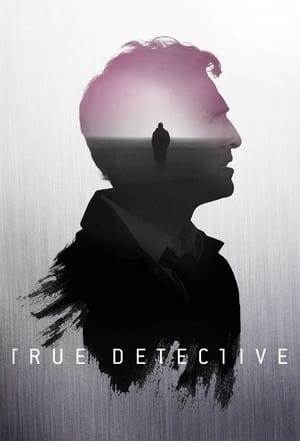
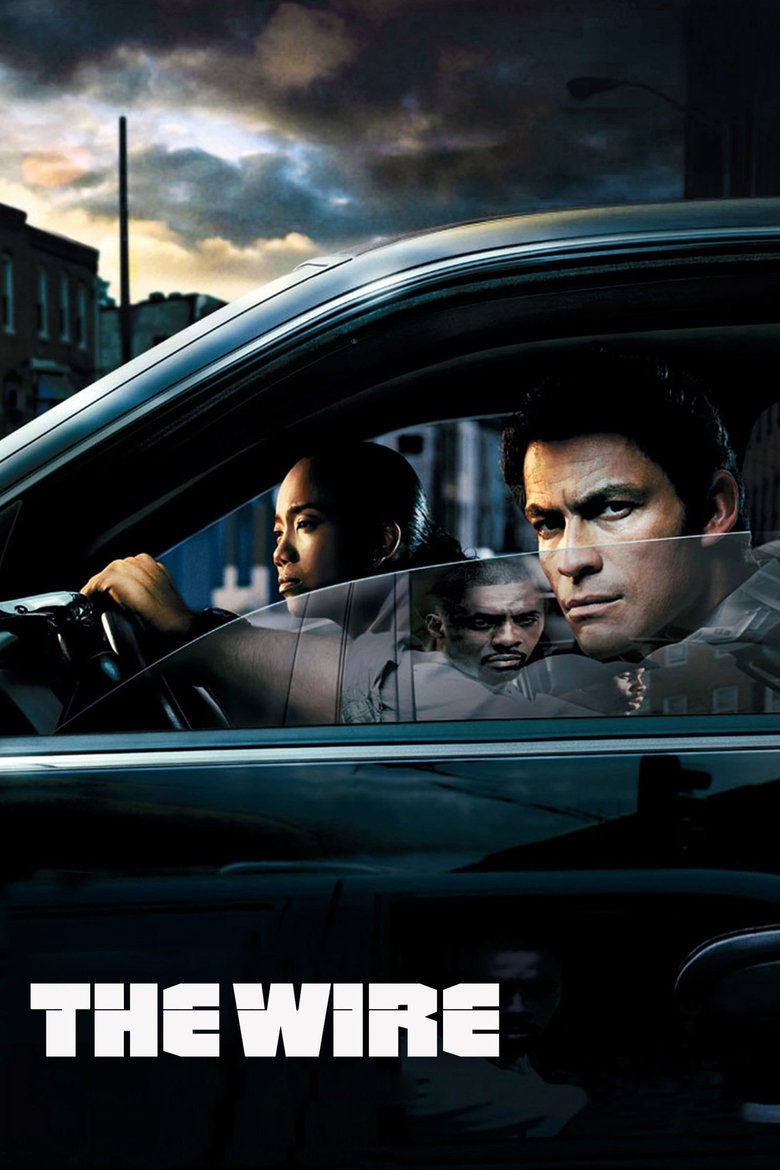
True Detective takes a similar procedural skeleton and fractures it to serve a philosophical argument. Season 1’s 8.289 rating reflects an audience that recognized it wasn’t watching a cop show, but a twenty-hour meditation on trauma, time, and existential dread. The non-linear timeline isn’t a gimmick; it’s a structural representation of how memory distorts under pressure. Rust Cohle’s nihilism in the episode "Seeing Things" isn’t delivered through exposition dumps, but through the show’s deliberate refusal to give him narrative comfort. The camera lingers on Louisiana’s decaying landscapes the way it lingers on Cohle’s deteriorating marriage and his deteriorating mind. By anchoring the investigation to dual timelines, the series forces viewers to experience the same psychological whiplash as the characters. The case file is just an excuse to watch two men unspool.
When the Antihero Becomes a Mirror, Not a Mascot
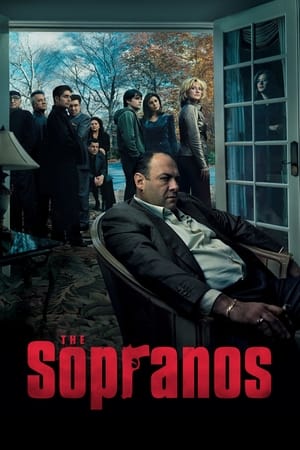
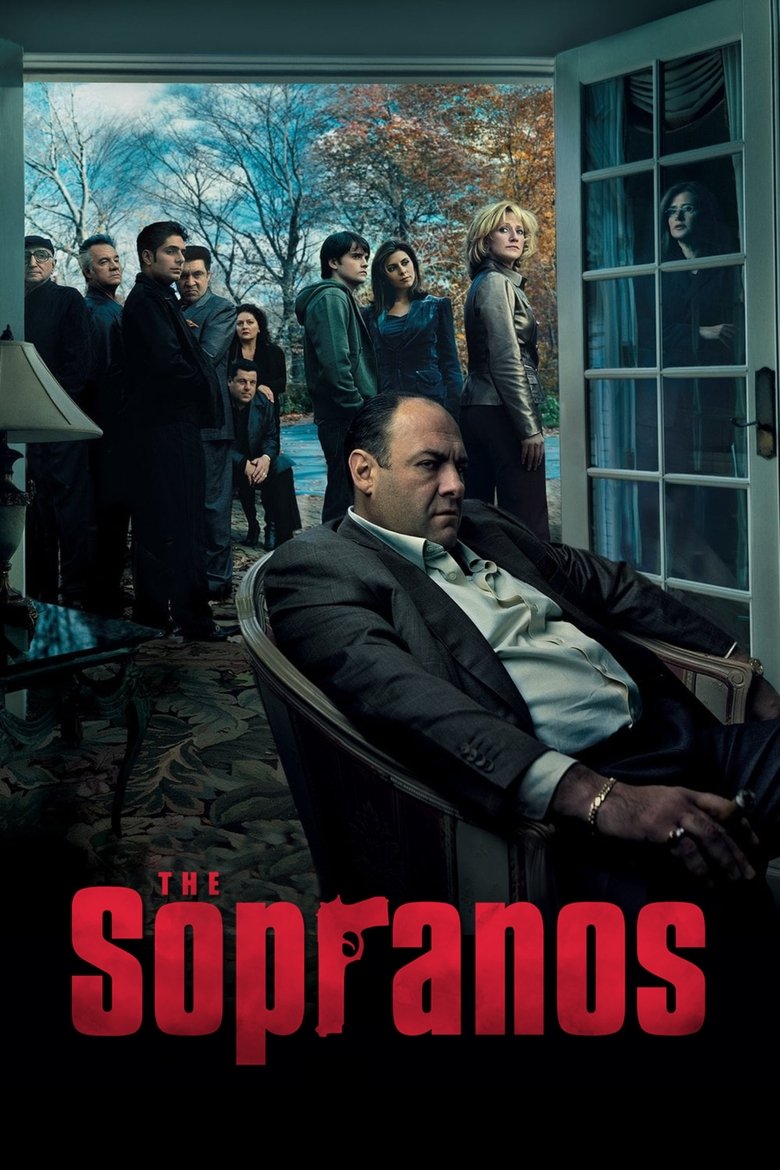
HBO’s The Sopranos didn’t invent the flawed protagonist; it institutionalized the idea that therapy and mob violence are two sides of the same coin of American anxiety. Its 8.7 average rating masks a show that fundamentally rejected genre conventions in favor of psychological realism. Tony Soprano’s panic attacks aren’t character quirks designed to make him sympathetic; they’re structural load-bearing walls holding up a critique of masculine entitlement and suburban entitlement. The show’s pacing deliberately lingers on mundane family dynamics—the Bada Bing meetings, the awkward dinner conversations, the therapy sessions—to contrast with sudden, untelegraphed violence. This tonal whiplash forces the audience to sit in discomfort, mirroring Tony’s own fractured identity. By the time we reach the later seasons, the show has proven that ensemble television doesn’t need constant plot progression to generate tension. The real drama lives in the silence between sentences.
Breaking Bad takes that same psychological excavation and accelerates it into a chemical reaction, earning a 8.949 average rating by treating serialization as a pressure cooker rather than a runway. Walter White’s transformation isn’t a sudden descent into villainy; it’s a meticulous documentation of ego masquerading as necessity. The show’s structural brilliance lies in how it weaponizes episodic milestones to track moral compromise. The "Ozymandias" episode doesn’t work because of the shootout or the car ride; it works because it strips away every layer of Walter’s self-deception, leaving only the hollow core of a man who chose legacy over humanity. The pacing deliberately slows during the aftermath scenes, forcing viewers to sit with the consequences rather than rush to the next action beat. It’s a masterclass in how serialized arcs can function as a mirror for societal shifts, particularly around capitalism, masculinity, and the myth of the self-made man.
The Comfort Trap and the Spectacle Mirage
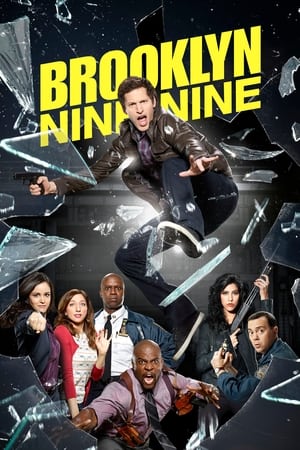
Brooklyn Nine-Nine is frequently cited as a masterclass in ensemble chemistry, and at an 8.209 average rating, it certainly delivers consistent comedic craftsmanship. But it also demonstrates the hard ceiling of workplace comfort television. The precinct functions as a trauma-free zone where conflicts are resolved by mid-credits stingers, heartfelt speeches, and institutional forgiveness. There’s genuine structural craft in its writing—Jake Peralta’s growth from immature showboat to responsible captain is tracked with surprising consistency across eight seasons—but the show’s refusal to let consequences stick ultimately limits its psychological reach. It mirrors a cultural desire for optimism, but not at the cost of character friction. As I noted in my breakdown of TV's found family dynamics, comfort ensembles often mistake warmth for depth. The Nine-Nine works beautifully as a pressure valve, but it lacks the structural discipline required to dissect the human condition under real strain.
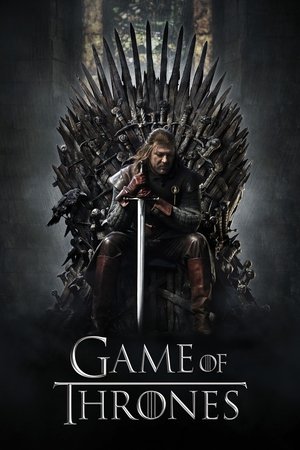
Game of Thrones represents the opposite failure: spectacle masquerading as character study. Its 8.468 rating reflects a show that understood moral ambiguity in its early seasons but abandoned it for scale. Cersei Lannister’s "When you play the game of thrones, you win or you die" isn’t just a quote; it’s a thesis statement about ambition as a corrosive force. Early seasons used political maneuvering and ensemble fragmentation to explore how power isolates. But as the runtime ballooned and the narrative focus shifted from character to geography, the moral ambiguity curdled into plot convenience. The Red Wedding works because it emerges from established political tensions and character choices. Later shocks work because the writers needed momentum, not because the characters demanded it. The series proves that world-building without psychological grounding is just expensive set dressing. Scale without intimacy is noise.
Structural Discipline: Why Pacing Dictates Prestige
The difference between a show that endures and one that fades lies entirely in how it handles time and consequence. The Sopranos and Breaking Bad use slow-burn serialization to let moral compromise marinate, trusting the audience to sit with discomfort. Poker Face and True Detective use episodic or seasonal resets to explore different facets of human nature under pressure, proving that procedural frameworks can be repurposed as psychological containment fields. This structural discipline is what separates lasting cultural impact from temporary streaming engagement. As the industry continues to chase algorithm-friendly pacing, these series demonstrate that character-driven storytelling isn’t about adding more therapy dialogue or moral grays. It’s about designing narrative architecture that forces characters to confront their own contradictions. The future of prestige television doesn’t belong to shows that prioritize scale or comfort; it belongs to series that treat structure as a moral compass.
Editor's Verdict
Season 3's "Pine Barrens" episode remains the most structurally perfect single hour of television ever produced, proving that character revelation doesn't require plot advancement. I rate The Sopranos a 9/10. It earns its score by pioneering the psychological antihero format, mastering tonal whiplash between suburban comedy and organized crime horror, and delivering an ending that trusts the audience to sit with ambiguity rather than demanding closure. It loses one point because its later seasons occasionally prioritize runtime padding over narrative momentum, with episodes like "All Happy Families" serving as atmospheric filler that slightly dilutes the relentless pacing of seasons 1-4. If you want television that actually dissects the human condition instead of decorating it, start here.
If this breakdown changed how you evaluate character-driven television, hit like to support independent criticism.
FAQ
What makes a TV show truly character-driven instead of just plot-heavy?
A truly character-driven show uses its narrative structure to force protagonists into decisions that reveal their core contradictions, rather than advancing the story through external events alone. Pacing, consequence, and structural discipline matter more than dialogue about feelings.
Why do some prestige TV series lose their cultural impact in later seasons?
Shows often lose impact when they prioritize scale, spectacle, or runtime padding over the psychological consistency that built their early reputation. When plot convenience replaces character-driven choices, the structural integrity collapses.
Can a comedy or procedural ever qualify as prestige television?
Yes, but only when the genre framework is used to explore genuine moral ambiguity or psychological depth rather than just delivering laughs or case resolutions. Shows like Poker Face prove procedural structures can be repurposed as vehicles for human revelation.