Why High-Stakes TV Is Actually a Workplace Horror Genre
Prestige dramas don't test character growth—they map how institutions metabolize empathy into operational efficiency.
Prestige television’s fixation on high-pressure ecosystems is not a genre trend; it is a deliberate narrative strategy that proves institutional ambition always cannibalizes the individual, regardless of how polished the production looks. This isn’t about dramatic tension or audience retention. It’s a clinical correction to a decade of flawed hero narratives that promised suffering would eventually yield moral clarity. The current wave of ensemble crucibles proves that premise bankrupt. Systems don’t reward resilience; they metabolize it. Every acclaimed series leaning into boardrooms, kitchens, war rooms, and command centers is quietly arguing that leadership is a psychological siege, and the only survivors are the ones willing to hollow themselves out for the institution. When you strip away the composer’s swelling strings and the color-graded cinematography, what’s left is a diagnostic map of how power structures grind down empathy into operational efficiency. We aren’t watching character arcs anymore. We’re watching institutional stress tests.
How to Choose the Best High-Stakes TV Dramas in 2026
- Succession: Corporate dynastic warfare and the psychological cost of legacy
- The Bear: Kitchen-line pressure and the trauma of perfectionism
- The Boys: Superhero satire as a mirror for corporate impunity
- Star Trek: Strange New Worlds: Speculative command structures and ethical isolation
- The Diplomat: Geopolitical brinkmanship and the exhaustion of compromise
The Boardroom and the Kitchen: Where Ambition Meets the Slaughter Floor
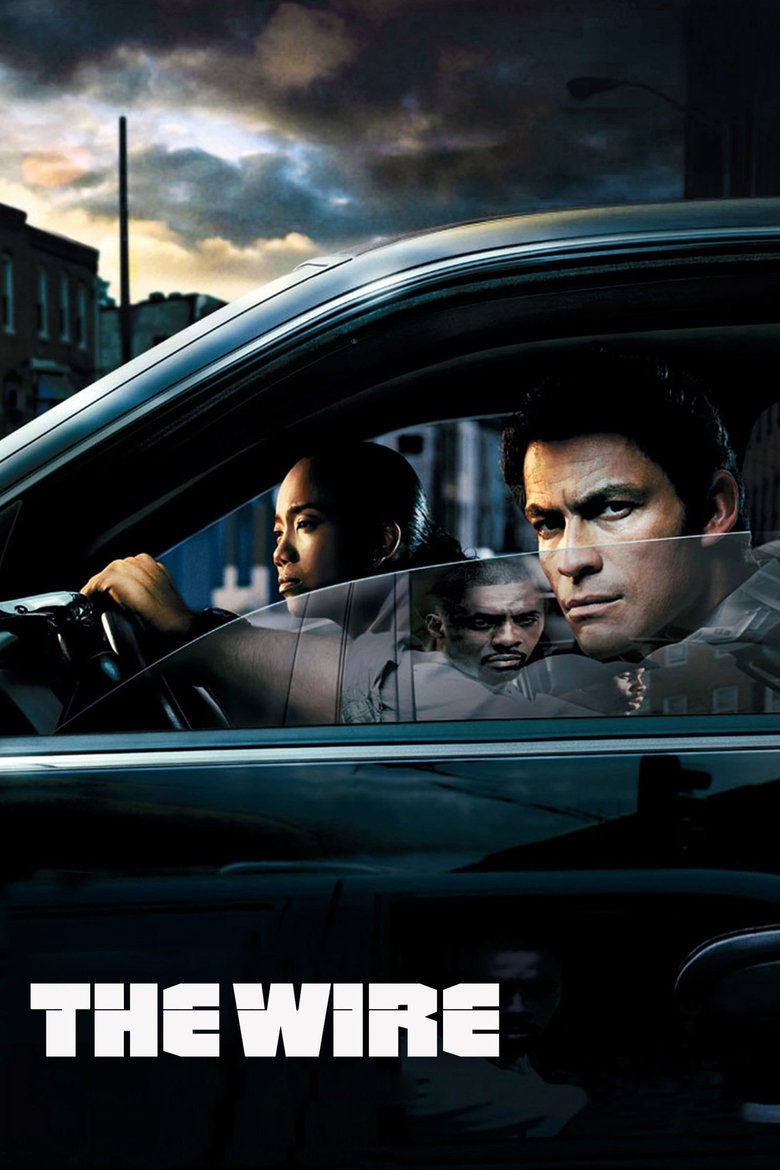
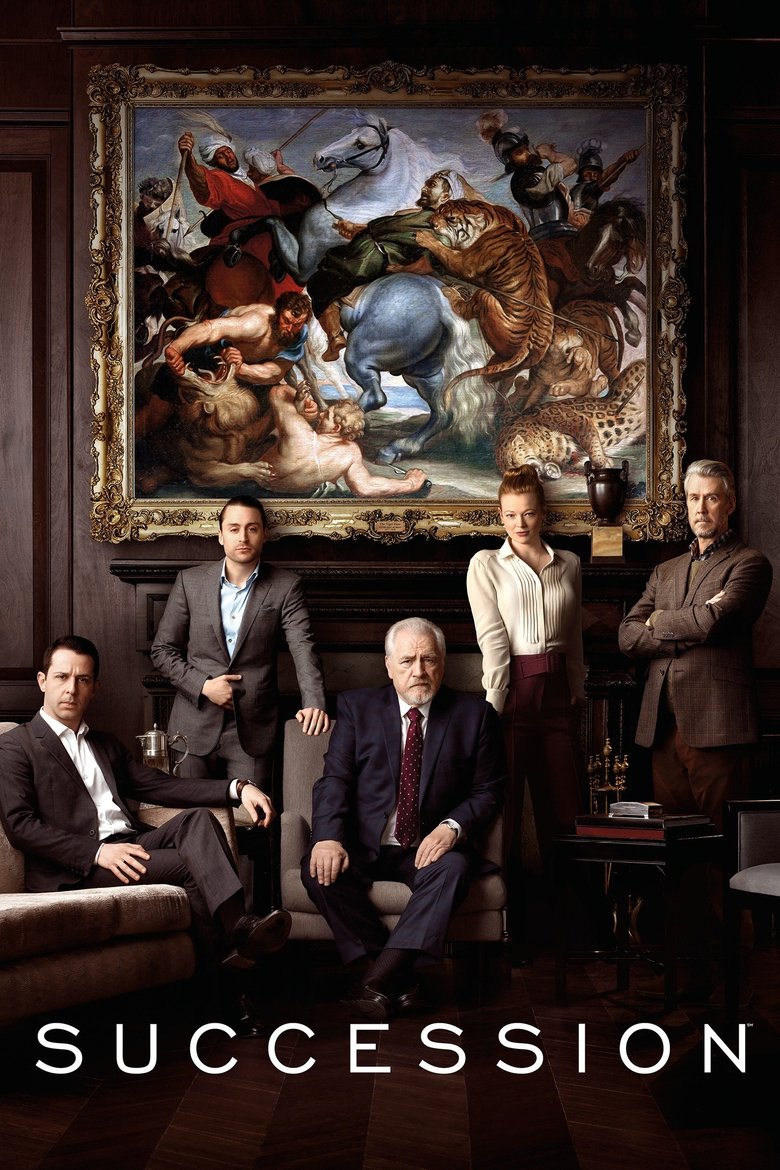
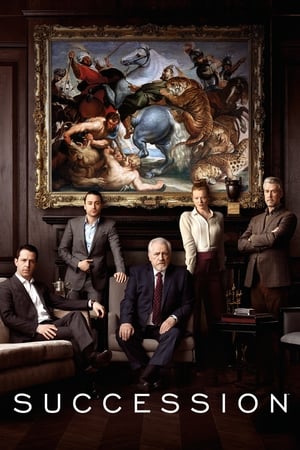 Succession operates under the false assumption that its audience wants to watch wealthy people squabble. In reality, it’s a structural autopsy of how corporate dynasties weaponize familial bonds to secure institutional continuity. The Roy family doesn’t inherit power; they are forged in it through emotional attrition. Every boardroom session, every family dinner, and every backchannel negotiation functions as a hostile takeover disguised as dialogue. The show’s genius lies in its refusal to let vulnerability pay off. When Shiv attempts to pivot from political operator to ethical leader, or when Connor tries to build an identity outside the empire, the system doesn’t punish them with melodrama—it punishes them with irrelevance. The pressure cooker isn’t a setting; it’s the curriculum. Season 3’s merger negotiations and the subsequent betrayal sequences demonstrate how legacy requires the systematic erosion of personal boundaries. As I’ve argued before in The Wire vs. Succession: Who Actually Maps Institutional Decay?, the most accurate television doesn’t track crime or corruption; it tracks how organizations train their members to treat human relationships as leverage. Succession maps that pipeline with surgical precision.
 The Bear translates that same institutional metabolism into a culinary environment, proving that high-pressure ecosystems don’t require skyscrapers to function—they only require hierarchy. The kitchen is a micro-state with its own chain of command, where “yes chef” operates as a ritual of submission and efficiency. Carmy’s trauma isn’t backdrop; it’s the operational fuel for an environment that demands emotional suppression. The show uses claustrophobic framing, overlapping dialogue, and relentless pacing to simulate the sensory overload of systemic demand. The season 1 finale’s “F*ck Star” sequence isn’t chaotic energy for its own sake; it’s a structural breakdown of control, showing what happens when institutional pressure exceeds human capacity. The series argues that excellence in high-stakes environments requires the systematic sacrifice of the self. As noted in Why Moral Ambiguity Isn't Enough: The Real Anatomy of Prestige TV, workplace dramas only resonate when the system actively penalizes empathy. The Bear weaponizes that principle by making compassion a liability to service speed.
Superhero Carnage and Reality TV Absurdism
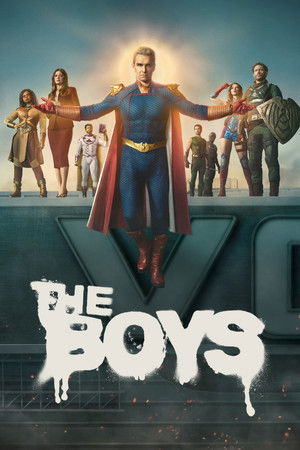 The Boys is routinely dismissed as shock-value parody, but that reading misses its actual engine: institutional critique. Vought International isn’t a comic book trope; it’s a direct translation of modern corporate PR machinery weaponized against accountability. The show’s pressure ecosystem operates through public perception, shareholder value, and brand management, forcing characters like Homelander and Butcher to navigate a landscape where morality is a structural liability. The “Herogasm” episode and the corporate town hall sequences demonstrate how power structures commodify violence while sanitizing it for mass consumption. The series proves that when institutions prioritize branding over ethics, the result isn’t chaos—it’s hyper-efficient corruption. The Boys uses genre satire to strip away the hero myth and reveal the boardroom underneath, arguing that unchecked power doesn’t look like a villain monologuing; it looks like a press release.
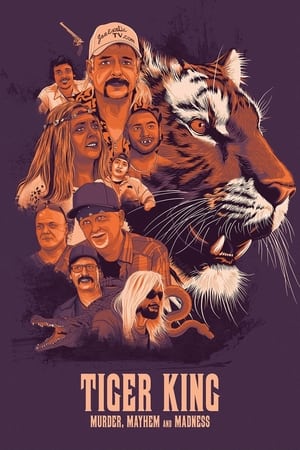 Tiger King accidentally became a masterclass in how unregulated ecosystems breed performative dominance. Reality television usually avoids institutional analysis, but this series captures the exact psychological fracture that occurs when traditional guardrails are removed. Joe Exotic’s empire isn’t built on tigers; it’s built on the illusion of control in a lawless marketplace. The pressure comes from deregulation, social media validation, and territorial paranoia. Carole Baskin functions as systemic accountability in an environment that rewards narcissism, and her presence triggers the ecosystem’s defensive mechanisms. The unscripted format exposes how quickly human psychology mutates when oversight vanishes. Tiger King demonstrates that when power structures lack institutional checks, they don’t collapse—they theatricalize cruelty until it becomes indistinguishable from entertainment.
Speculative Isolation and the Architecture of Command
 Star Trek: Strange New Worlds uses the starship as a sealed pressure vessel to examine the weight of command. Earlier Trek iterations leaned into philosophical debate; this series leans into operational friction. Captain Pike’s arc is a study in institutional expectation versus human limitation. The bridge isn’t a playground; it’s a command center where every decision carries irreversible consequences. Episodes like “The Starbeast” and “Those Old Scientists” use speculative framing to isolate ethical dilemmas that mirror modern leadership crises: resource allocation, chain-of-command loyalty, and the psychological toll of being the sole decision-maker. The show refuses easy resolutions, proving that competent leadership isn’t about having answers—it’s about managing the fallout of impossible choices. By placing characters in environments where retreat is impossible, the series maps how command structures demand emotional compartmentalization as a survival mechanism.
 12 Monkeys weaponizes temporal pressure to explore institutional inevitability. The resistance isn’t fighting a virus; it’s fighting a closed system designed to consume dissent. Cole’s fractured psychology isn’t a character flaw—it’s the direct result of operating in a timeline where cause and effect are weaponized by institutional memory. The show uses its sci-fi framework to argue that systems protect themselves by distorting reality. Every mission briefing, every temporal jump, reinforces the idea that survival in a high-stakes ecosystem requires sacrificing your grasp on truth. It’s a bleak but precise diagnosis of how institutions preserve power by controlling narrative, proving that time travel is just another metaphor for bureaucratic inertia.
The Diplomatic Crucible and the Comedy of Institutional Survival
 The Diplomat grounds its tension in the exhausting reality of bureaucratic compromise. Kate Wyler’s pressure cooker isn’t a war zone; it’s a series of encrypted calls, backchannel negotiations, and carefully worded statements. The show understands that modern power operates through leverage, not force. Every episode tracks the erosion of personal boundaries as institutional demands escalate. The season 1 finale’s hostage negotiation isn’t resolved through heroics; it’s resolved through calculated risk and emotional triage. The series proves that diplomacy is just institutional pressure management with better lighting. It aligns perfectly with the framework outlined in The Ensemble Crucible Scorecard: Ranking TV's Best Social Ecosystems: the most compelling power dynamics emerge when characters are trapped between systemic obligation and personal survival, forced to negotiate their own morality to keep the machine running.
 3rd Rock from the Sun earns its place here deliberately. Comedy usually softens institutional critique, but this series uses its alien premise to expose the arbitrary nature of human hierarchies. The Sobek family isn’t just observing Earth; they’re reverse-engineering our social contracts. Tom’s delusions of grandeur as “God” mirror corporate executives who mistake authority for competence. The show’s pressure comes from the gap between institutional expectation and actual capability. Every workplace scene, every family dysfunction, highlights how human organizations run on ritual rather than reason. It’s a satirical stress test that proves our systems are just elaborate performances we all agreed to take seriously, and the moment someone stops playing along, the whole structure trembles.
Why Narrative Pressure Cookers Will Never Stop Boiling
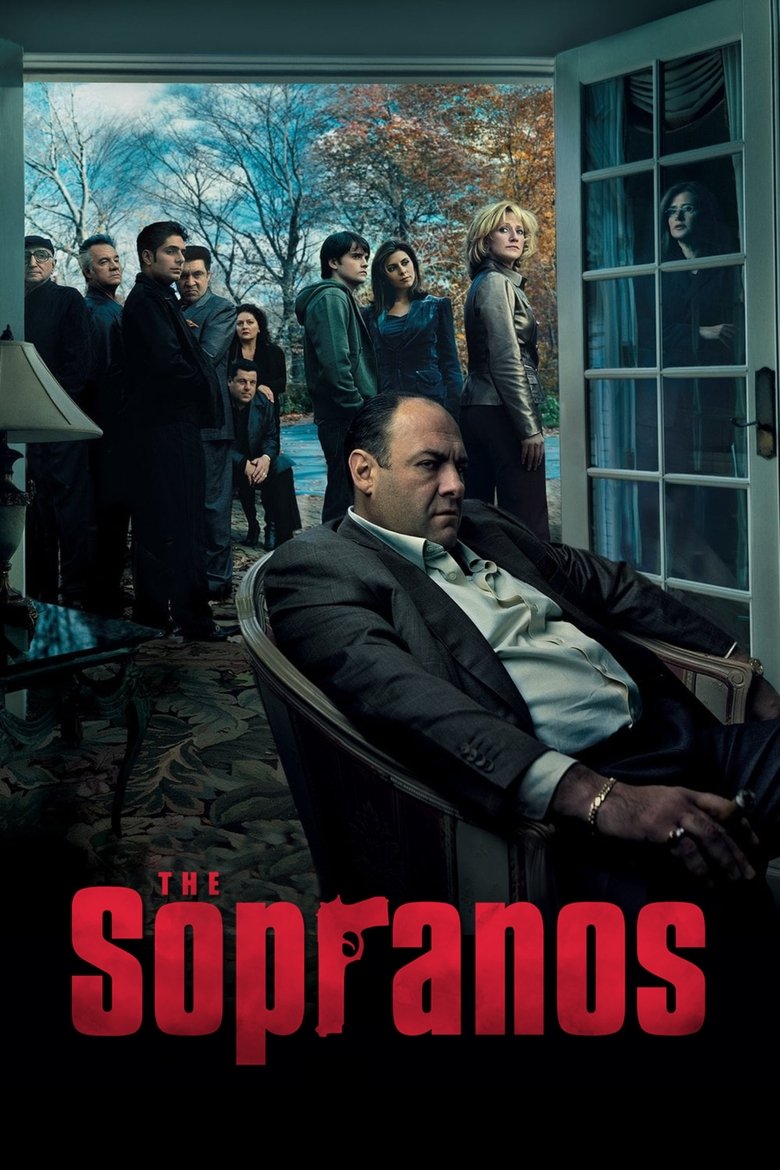
These series don’t compete for the same audience; they form a diagnostic grid. Each leverages its genre conventions—corporate drama, culinary realism, superhero satire, speculative fiction, political thriller, sitcom—to map the same underlying mechanism: institutional power doesn’t break people, it repurposes them. The pressure isn’t artificial. It’s structural. Contemporary anxiety about leadership, systemic control, and personal survival isn’t being escaped through these narratives; it’s being processed. The future of television isn’t about bigger spectacles or wider worlds. It’s about tighter ecosystems, sharper hierarchies, and characters who learn that the only way to survive the machine is to become part of its gears. If you’re still looking for redemption arcs in high-stakes television, you’re watching the wrong genre. You’re watching workplace horror.
Editor's Verdict
I’m rating Succession a 9/10. It earns its score through ruthless structural discipline, unflinching institutional autopsy, and a willingness to let its characters remain emotionally bankrupt because that’s what the system demands. It loses a single point because mid-season episodes in season 2 occasionally rely on dialogue density to mask pacing stagnation, trading kinetic pressure for repetitive power-posturing. Episode 4 of Season 3’s merger negotiation sequence remains the most accurate depiction of corporate emotional attrition ever televised, and no subsequent drama has matched its structural precision. If you want television that treats ambition as a pathology rather than a virtue, this is the benchmark.
FAQ
What makes high-pressure TV dramas different from traditional prestige television?
High-pressure dramas use confined ecosystems like kitchens, boardrooms, or command centers as active antagonists, focusing on how institutional demands reshape behavior rather than relying on external plot twists or redemption arcs.
Why do these shows avoid traditional character growth or moral resolution?
They argue that institutional systems penalize empathy and reward compliance, so traditional growth narratives would contradict the core premise that power structures metabolize individual morality into operational efficiency.
Can genre shows like superhero satire or sitcoms fit into this pressure-cooker framework?
Yes, when they use speculative or comedic framing to expose how hierarchies function, why rituals matter, and what happens when institutional expectations outpace actual human capability.