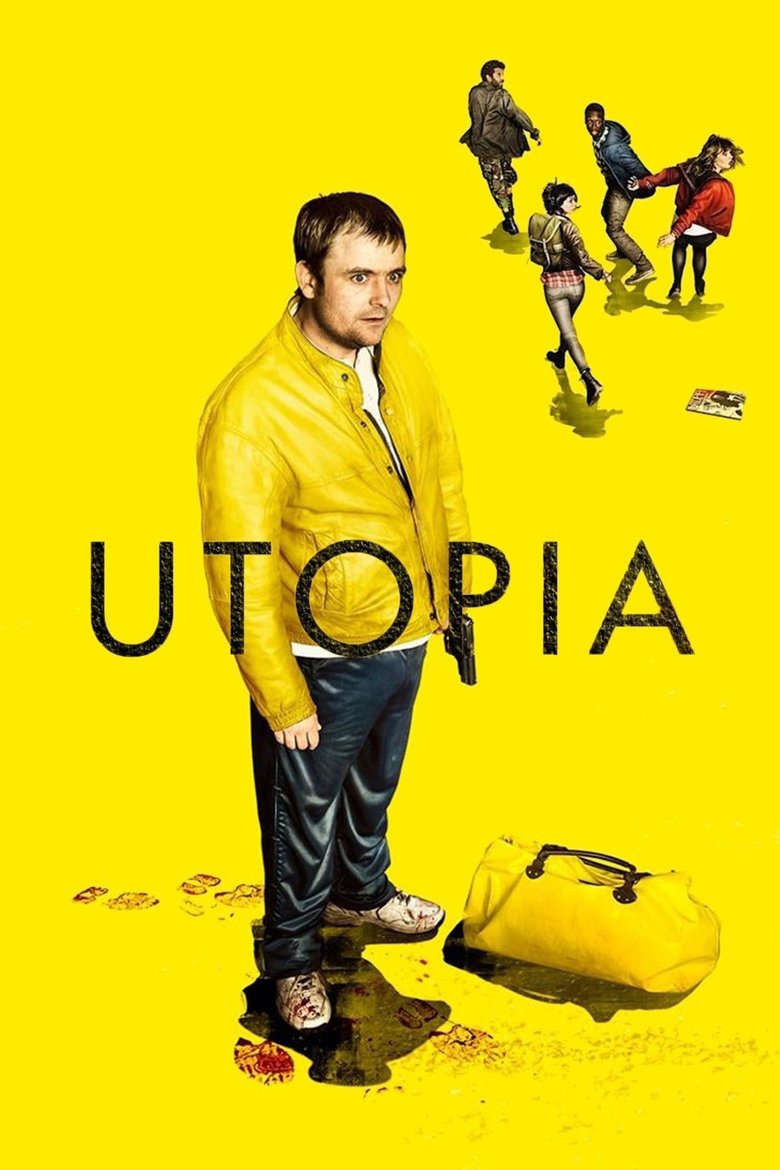
Pluribus vs. A Good Girl's Guide to Murder: The Suspense Showdown
Why puzzle-box mechanics fail without character agency, and which investigative drama actually earns your attention
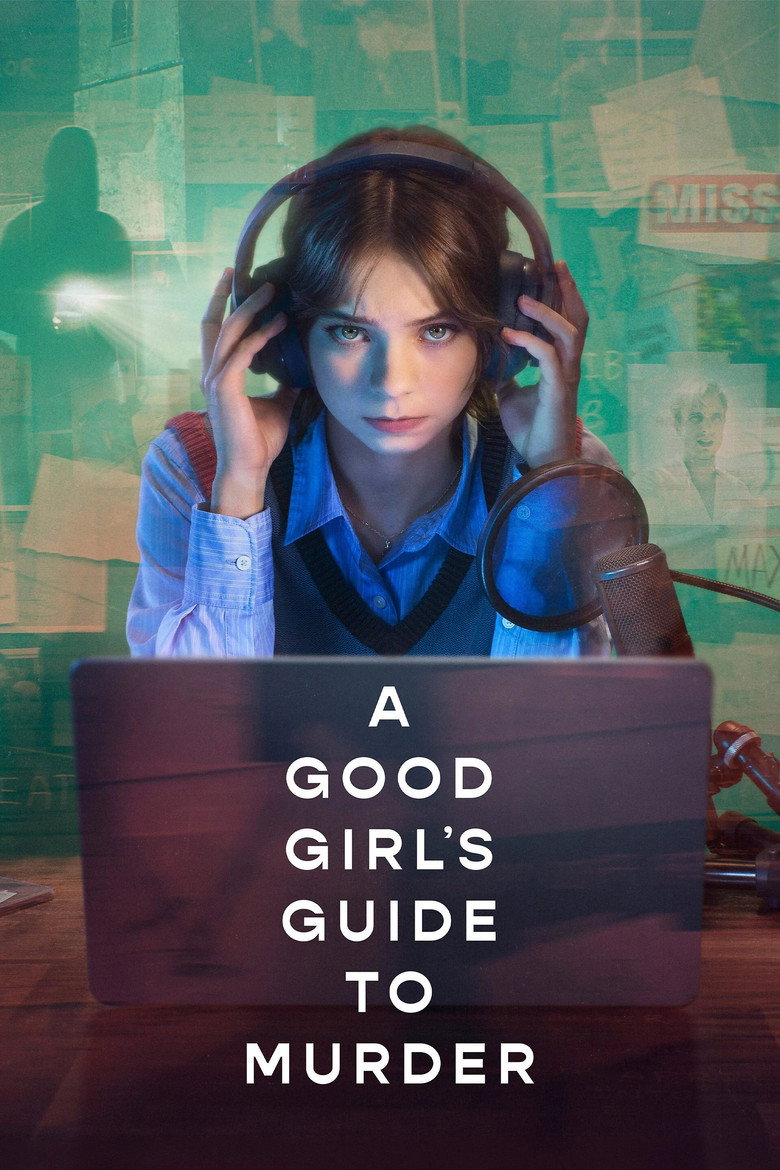
When television trades its slow-burn dread for algorithmic twist factories, what actually separates a genuine investigative masterpiece from a hollow puzzle-box?
The answer lies not in how many secrets a show hides, but in how relentlessly it forces ordinary people to dismantle them.
The current wave of suspense-driven television claims to reward close attention, yet too many series confuse complexity with competence. They stack red herrings on top of red herrings, mistaking narrative hoarding for actual storytelling. To cut through the noise, we’re pitting two distinctly different approaches to hidden secrets against each other, while pulling in two peer series to measure where the genre’s investigative DNA actually holds up. This isn’t a debate about which show has the biggest budget or the starriest cast. It’s a forensic examination of structure, methodology, and pacing.
Which suspense TV shows actually deliver investigative depth in 2026?
- Pluribus: Ensemble-driven conspiracy and timeline intercutting
- A Good Girl's Guide to Murder: Amateur sleuth methodology and small-town paranoia
- 50 States of Fright: Episodic suspense resets and regional dread
- HIS & HERS: Dual-perspective relationship unraveling and hidden histories
Contenders in the Frame: Pluribus vs. A Good Girl's Guide to Murder

Pluribus arrives with the confidence of a network that believes interconnected ensemble drama is the only way to sustain modern viewership. It treats suspense as a structural exercise: multiple factions, overlapping timelines, and information asymmetry that rewards screenshot-tracking. Its ambition is undeniable, but ambition alone doesn’t guarantee narrative cohesion. Meanwhile, A Good Girl's Guide to Murder operates on a fundamentally different frequency. It leans into the amateur sleuth tradition, grounding its mystery in a single protagonist’s obsessive methodology rather than an omniscient directorial gaze. Where Pluribus scatters clues across a wide canvas, AGGTGM drills downward into a specific community’s rot. Both claim to honor investigative storytelling, but they weaponize completely different tools. The peer entries—50 States of Fright and HIS & HERS—provide the necessary contrast. One tests whether episodic isolation can sustain cumulative tension, while the other examines how intimate secrets corrode trust when viewed through split perspectives. Together, they form a complete diagnostic of where contemporary suspense television is succeeding, and where it’s merely manufacturing friction.
Dimension I: Narrative Architecture and the Mechanics of the Puzzle-Box
Television has increasingly fetishized the puzzle-box, treating narrative architecture as a structural sport rather than a vehicle for emotional consequence. Pluribus leans hardest into this tendency. Its storyline operates through deliberate information gating: viewers are granted privileged access to one faction’s communications while remaining blind to another’s motivations. This creates genuine dramatic irony, but it also risks turning the audience into passive archivists rather than active investigators. The show’s strength lies in its cross-cutting discipline. When a conversation in one timeline directly recontextualizes a decision made three episodes earlier, the payoff feels earned. Yet the ensemble sprawl occasionally fractures momentum, forcing scenes to exist as connective tissue rather than narrative propulsion.
A Good Girl's Guide to Murder takes the opposite approach. Instead of sprawling outward, it compresses its architecture around a single investigative thread. The narrative structure mirrors its protagonist’s research process: hypothesis, evidence gathering, dead end, recalibration. This creates a more linear but significantly more satisfying rhythm. The show understands that amateur sleuths don’t have access to forensic databases or institutional power, so the architecture must rely on pattern recognition and community gossip. When a seemingly throwaway line from a town official finally clicks into place, the structural payoff lands because the groundwork was visible, not concealed.
50 States of Fright operates on a reset model that fundamentally alters how puzzle-box mechanics function. Each episode introduces a new location and a new central mystery, which means the architecture cannot rely on long-form threading. Instead, it builds tension through environmental storytelling and escalating behavioral anomalies. The structural risk is clear: without cumulative stakes, each episode must stand as a complete arc. When it succeeds, the contained architecture feels taut and ruthless. When it falters, the mysteries read as episodic exercises rather than investigative triumphs.
HIS & HERS weaponizes architecture through perspective manipulation. By alternating between two characters whose understanding of the same events diverges sharply, the show constructs a puzzle-box out of subjective memory rather than objective clues. This is a significantly more ambitious structural choice than traditional red-herring placement. The architecture forces viewers to constantly recalibrate who is reliable, who is omitting information, and who is actively lying. The tension emerges not from what happens next, but from realizing how the past has been systematically misreported.
Dimension I Scoring Breakdown: 1. A Good Girl's Guide to Murder — Compressed, evidence-driven structure that rewards active viewing 2. HIS & HERS — Perspective-based architecture that turns memory into a reliable puzzle-box 3. Pluribus — Ambitious cross-cutting that occasionally sacrifices momentum for scope 4. 50 States of Fright — Reset architecture limits cumulative payoff despite strong episode-level tension
Dimension II: Investigative Methodology and the Weight of Character Agency
The quality of any suspense narrative hinges on how investigation drives character development, rather than merely existing as a plot conveyor belt. Pluribus struggles slightly with this balance. Its ensemble casts are composed of professionals operating within institutional frameworks, which naturally grants them procedural authority. The problem emerges when agency becomes distributed across too many decision-makers. When every character holds a piece of the puzzle, individual investigation often feels reactive rather than proactive. The methodology is impressive on paper, but the emotional throughline occasionally gets buried beneath tactical maneuvering.
A Good Girl's Guide to Murder solves this by tethering methodology directly to character motivation. The protagonist’s investigative process is messy, obsessive, and frequently reckless, which mirrors how actual amateur research unfolds. There are no forensic labs or wiretaps, just public records, inconsistent witness statements, and the quiet terror of realizing your community is actively protecting a secret. This grounds the methodology in human vulnerability. Every breakthrough costs something socially or psychologically, which ensures the investigation never feels like a detached academic exercise.
50 States of Fright approaches methodology through survival instinct rather than formal investigation. Characters don’t solve crimes so much as they navigate increasingly hostile environments. The investigative element emerges through observation and behavioral adaptation. While this lacks the procedural satisfaction of a traditional mystery, it compensates with raw psychological pressure. The methodology here is reactive and visceral, prioritizing immediate threat assessment over long-term case solving. It works best when the environment itself functions as the primary antagonist.
HIS & HERS treats investigation as emotional forensics. The methodology isn’t about locating physical evidence; it’s about cross-referencing behavioral patterns, timeline discrepancies, and unspoken resentments. Characters investigate each other with the same rigor a detective applies to a crime scene, which creates a uniquely claustrophobic dynamic. The agency here is deeply personal. Every revelation forces characters to confront their own complicity, making the investigative process an exercise in moral reckoning rather than external problem-solving.
Dimension II Scoring Breakdown: 1. A Good Girl's Guide to Murder — Methodology perfectly fused with character vulnerability and obsession 2. HIS & HERS — Emotional forensics create deeply personal investigative stakes 3. 50 States of Fright — Survival-driven observation compensates for lack of formal procedure 4. Pluribus — Distributed agency dilutes individual investigative momentum
Dimension III: Atmospheric Tension and the Discipline of Slow-Burn Pacing
Pacing is where most suspense series collapse under their own weight. Pluribus understands that slow-burn tension requires restraint, but its ensemble scope occasionally triggers coverage anxiety. The show compensates with sharp editing and deliberate silence, allowing scenes to breathe without resorting to manipulative jump scares or artificial cliffhangers. Its atmospheric strength lies in institutional dread: the sense that systems are actively working against transparency. The pacing discipline is commendable, though it occasionally sacrifices emotional intimacy to maintain structural symmetry.
A Good Girl's Guide to Murder masters slow-burn pacing by treating silence as an investigative tool. The show understands that small-town secrets survive because people refuse to speak about them. Its tension emerges from what isn’t said, from the awkward pauses at diner counters and the deliberate avoidance of certain names. The pacing never rushes to manufacture excitement; instead, it trusts the audience to sit with discomfort. This approach aligns perfectly with the amateur sleuth framework, where progress is measured in incremental revelations rather than explosive confrontations.
50 States of Fright generates atmosphere through environmental isolation. The pacing is inherently episodic, which means tension must be established quickly and sustained through escalating behavioral decay. The show excels at using regional aesthetics—decaying infrastructure, localized folklore, economic stagnation—to create a suffocating mood. However, the reset structure occasionally prevents the slow-burn from fully maturing. The tension peaks and resets before it can calcify into something truly inescapable.
HIS & HERS builds atmosphere through relational friction. The pacing is deliberately conversational, allowing arguments to unfold in real time rather than cutting away to avoid discomfort. The tension is domestic, psychological, and deeply uncomfortable in a way that feels authentically contemporary. By refusing to sanitize the characters’ interactions, the show maintains a consistent low-level pressure that gradually intensifies. The pacing discipline here is exceptional, treating every conversation as a potential minefield.
Dimension III Scoring Breakdown: 1. HIS & HERS — Conversational pacing and relational friction create relentless psychological pressure 2. A Good Girl's Guide to Murder — Silence and incremental revelation master slow-burn restraint 3. Pluribus — Institutional dread and editorial discipline occasionally overridden by scope 4. 50 States of Fright — Strong environmental atmosphere undermined by episodic reset structure
The Final Verdict: Who Actually Solves the Case?
Suspense television survives on a fragile contract with its audience: promise complexity, deliver consequence. After examining narrative architecture, investigative methodology, and pacing discipline across all four entries, the hierarchy is clear. Pluribus is an impressive structural exercise that occasionally mistakes scope for substance, while HIS & HERS and 50 States of Fright excel in specific atmospheric niches but lack the cumulative investigative throughline required for sustained mystery storytelling.
A Good Girl's Guide to Murder wins. It understands that the most compelling investigations aren’t driven by institutional power or omniscient editing, but by human obsession colliding with communal silence. Its compressed architecture, methodology-rooted character development, and disciplined slow-burn pacing create a cohesive investigative experience that rewards attention without condescending to it. In a television landscape that increasingly confuses twist density with narrative quality, it proves that patience and perspective still matter.
Editor's Verdict
I’m rating A Good Girl's Guide to Murder an 8 out of 10. It earns two points for its refusal to pad runtime with procedural filler, and one point for consistently tethering every clue to character vulnerability rather than directorial convenience. It costs two points for occasionally leaning too heavily on familiar small-town mystery tropes in its final act, which slightly flattens the moral ambiguity established earlier. The show’s third episode—where the protagonist cross-references public property records with school board meeting transcripts—remains the most effectively constructed investigative scene on television right now, proving that amateur methodology can generate more tension than institutional access. If you prioritize structural discipline over spectacle, this series delivers exactly what modern suspense television claims to offer but rarely executes.
For deeper analysis on how narrative structure dictates viewer retention, check out Plot Is Overrated: The Real Secret to a Binge-Worthy Show.
FAQ
Which suspense TV show has the most intricate puzzle-box structure in 2026?
Pluribus employs the most complex puzzle-box architecture, using interconnected timelines and information asymmetry across an ensemble cast, though its scope occasionally dilutes individual investigative momentum.
Does A Good Girl's Guide to Murder follow a procedural format?
No. It deliberately rejects traditional procedural frameworks, instead grounding its investigation in amateur research methods, public records, and community gossip to emphasize character vulnerability over institutional authority.
How do 50 States of Fright and HIS & HERS compare in pacing?
50 States of Fright uses episodic resets that establish tension quickly but prevent slow-burn maturation, while HIS & HERS maintains continuous psychological pressure through conversational pacing and relational friction.