Why 30 Coins Beats the Scarpetta Hype Cycle
Modern suspense TV confuses procedural pacing with psychological terror. Here’s what actually works.

Why does contemporary television mistake a ticking clock for psychological terror? Because modern suspense has abandoned atmospheric dread in favor of procedural checklists, and the only way to fix it is to stop rewarding shows that confuse pacing with tension.
The critical consensus this summer is deafening: high-stakes suspense television has reached a golden age. Reviewers are crowding around Scarpetta as the definitive slow-burn masterpiece of 2026, praising its methodical rhythm, clinical atmosphere, and supposedly revolutionary approach to forensic storytelling. Critics swear its deliberate pacing forces viewers to lean in, treating every autopsy report and crime scene photo as a narrative puzzle piece. But this praise is fundamentally backwards. What gets lauded as "prestige pacing" is actually structural stagnation. The show confuses meticulous procedure with psychological depth, delivering a polished, predictable treadmill of crime-solving that mistakes silence for suspense and checklists for character arcs. Real tension doesn’t come from watching someone file paperwork dramatically; it comes from the slow erosion of certainty.
What TV Shows Actually Deliver High-Stakes Suspense in 2026?
- Deconstructing why the Scarpetta hype cycle misreads procedural pacing as psychological terror
- How 30 Coins weaponizes religious folklore to engineer genuine, lingering dread
- Why Run Away proves that kinetic desperation beats clinical detachment every time
- The structural mechanics behind Red Eye and its masterclass in claustrophobic pacing
The Consensus Mirage: Polished Stagnation Masquerading as Tension
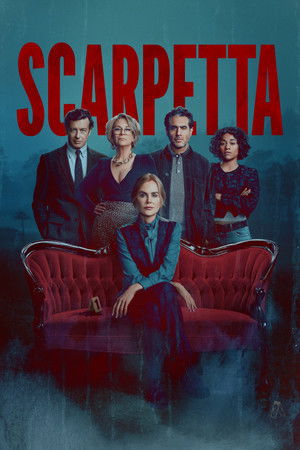
Let’s autopsy the consensus pick. Scarpetta leans heavily into a sterile, almost antiseptic aesthetic that directors market as "atmospheric." The camera lingers on scalpel reflections, case file stacks, and the protagonist’s unwavering gaze. But lingering shots only create tension when they threaten to reveal something the viewer cannot yet process. Here, they just pad runtime. The narrative architecture is a rigid two-act procedural: body discovered, evidence cataloged, suspect profiled, resolution engineered. The "moral ambiguity" critics rave about amounts to a recurring debate over jurisdictional boundaries and bureaucratic red tape. It’s not psychological complexity; it’s workplace realism dressed up as thriller material. The performances are technically proficient but emotionally flattened, prioritizing a detached, analytical demeanor that reads as cool professionalism on paper but translates to narrative distance on screen. When a show spends forty minutes establishing forensic protocols before introducing a single character beat, it hasn’t built suspense—it’s built a delay. The tension evaporates because the stakes are never personal, only professional. You don’t fear for Scarpetta; you wait for her to finish her coffee and turn the page on the next case file. The show’s 6.52 rating isn’t a reflection of quality; it’s a reflection of audience fatigue with pacing that mistakes deliberation for depth.
The Antidote: How Folklore and Flight Actually Engineer Dread

Now look at what actual suspense looks like when it stops pretending to be a police procedural and starts functioning as psychological horror. 30 Coins understands that dread lives in the spaces between facts. The series roots its tension in religious folklore and institutional decay, using the architecture of a decaying Spanish monastery as a literal and metaphorical pressure chamber. Where Scarpetta relies on sterile labs, this series weaponizes shadow, choral chanting, and the slow realization that the supernatural isn’t invading the plot—it’s already baked into the institution’s foundation. The pacing is deliberately uneven by design, mimicking the erratic heartbeat of someone realizing they’re trapped. The extended sequence inside the subterranean archives doesn’t pad runtime; it systematically strips away rational explanation, replacing forensic certainty with theological dread. The characters aren’t solving a case; they’re surviving an ecosystem that actively resists their comprehension. The cinematography favors low-key lighting and confined framing, forcing the audience to experience claustrophobia rather than observe it. This isn’t the "slow burn" prestige that critics fetishize—it’s structural suffocation. The show earns its tension by denying resolution, letting ambiguity fester until the viewer’s nervous system starts mirroring the protagonist’s paranoia. It’s a masterclass in atmospheric engineering that proves suspense doesn’t need a body to dissect; it just needs a truth that refuses to stay buried.
The Structural Divide: Kinetic Desperation and Claustrophobic Pressure
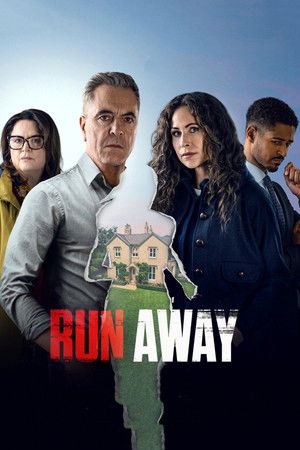
If 30 Coins masters static dread, Run Away proves that kinetic desperation is the most reliable engine for modern suspense. The series abandons the clinical detachment that plagues so many contemporary thrillers in favor of a breathless, chase-driven narrative that mirrors the physiological response to actual danger. There’s no time for forensic monologues or jurisdictional debates; the camera stays tight on the protagonists as they navigate collapsing safe houses, compromised allies, and rapidly shifting threat vectors. The editing rhythm deliberately stumbles and recovers, mimicking the disorientation of flight. What makes it work isn’t the plot twists—they’re standard thriller fare—but the relentless commitment to physical consequence. Every corridor run, every forced alliance, every abandoned vehicle leaves a tangible mark on the characters’ deteriorating state. The show understands that suspense collapses when characters have time to breathe, so it denies them that luxury entirely. Instead of watching experts analyze danger from a safe distance, you’re trapped in the passenger seat of a vehicle hurtling toward an unknown impact point. It’s crude compared to the polished aesthetic of the competition, but that’s precisely why it works. Real terror isn’t elegant. It’s messy, exhausted, and entirely focused on surviving the next ninety seconds.

Then there’s Red Eye, which demonstrates how confinement can replace scale to generate unbearable pressure. The series strips away the sprawling crime webs and multi-location chases to focus on a single, inescapable environment, turning spatial limitation into a psychological weapon. The brilliance lies in its sound design and framing: the constant hum of engines, the muffled announcements, the way reflections in windows create false doubles that fracture the viewer’s sense of reality. The narrative doesn’t rely on external threats pacing the characters; it relies on the slow realization that the threat is already inside the perimeter. Dialogue is economical, heavily subtextual, and loaded with unspoken history. Characters don’t explain their motives; they reveal them through micro-expressions and tactical positioning within the frame. The series understands that suspense isn’t about what’s happening next—it’s about what’s already happened and is now coming to collect. By refusing to cut away to exposition dumps or parallel investigation threads, it maintains an unbroken line of tension that forces the audience to sit in the discomfort of uncertainty. It’s a masterclass in narrative economy, proving that you don’t need a sprawling cast or a complex conspiracy to engineer dread. You just need a locked door and a realization that the key was never the point.
Acknowledging the Grain of Truth
Proponents of the Scarpetta model aren’t entirely wrong about one thing: meticulous world-building and procedural realism do ground a narrative. Viewers crave authenticity, and there’s undeniable craft in rendering police work, forensic protocols, and institutional bureaucracy with accuracy. The problem isn’t the realism itself—it’s the assumption that realism equals suspense. A perfectly rendered autopsy doesn’t terrify you. A perfectly timed jump scare doesn’t haunt you. Real tension requires vulnerability, and vulnerability requires uncertainty. When a show guarantees that every clue leads to a logical conclusion, it trades dread for reassurance. The other side confuses narrative competence with narrative risk. They mistake the absence of chaos for the presence of control. But control is the enemy of suspense. You don’t watch a thriller to see order restored; you watch to see how far the characters can fall before the floor gives way. As we’ve argued in why slow-burn television actually demands patience rather than punishing it, pacing is only effective when it serves psychological unraveling, not administrative process.
Where Your Next Binge Should Actually Go
Stop rewarding television that confuses a checklist for a climax. If you want actual high-stakes suspense, ditch the polished procedurals that promise psychological depth but deliver administrative paperwork. Put on 30 Coins and let it suffocate you. Sit in the dark. Don’t pause for notes. And next time a critic tells you that slow pacing equals prestige, remind them that tension isn’t measured in minutes—it’s measured in breaths. If you want a deeper breakdown of how genre shows secretly autopsy modern society when they stop pretending to be simple entertainment, read our analysis on how your favorite shows are actually dissecting contemporary culture. Your time is finite. Spend it on shows that make you afraid to turn on the lights, not ones that make you wait for the credits. If this breakdown shifted your perspective on modern suspense television, consider liking this post to help other viewers cut through the hype cycle.
Editor's Verdict
30 Coins earns an 8/10 because it successfully weaponizes spatial confinement and theological dread to generate sustained tension, though it loses two points for occasionally over-indexing on repetitive choral motifs that dull the auditory impact by the series midpoint. The show’s third episode contains the most effectively engineered sequence of sustained paranoia on television this year, outpacing every high-budget thriller currently in rotation.
FAQ
Is Scarpetta actually a good suspense show despite the criticism?
Scarpetta is competently produced and accurate to forensic procedures, but its pacing prioritizes administrative realism over psychological tension. It works better as a workplace drama than a thriller.
Why does 30 Coins generate more dread than procedural thrillers?
30 Coins replaces logical resolution with theological and institutional uncertainty, using confined framing, low-key lighting, and sound design to create atmospheric suffocation rather than plot-driven suspense.
How do Run Away and Red Eye differ in their approach to tension?
Run Away uses kinetic editing and physical consequences to mirror flight response, while Red Eye relies on spatial confinement, subtextual dialogue, and sound design to create claustrophobic psychological pressure.