Slow Burn TV Is Prestige, Not Punishment
The critics are wrong: contemporary television's deliberate pace, deep world-building, and character-first mysteries are not a flaw, but the true measure of narrative ambition.

It was 2 AM, the screen casting a pale, bluish glow across my face. On screen, a character in The Testaments was simply staring out a window, rain streaking the glass. No dialogue, no sudden plot twist, just… contemplation. My thumb hovered over the fast-forward button, a twitch born of years of plot-driven television conditioning. Then I stopped. And in that quiet, deliberate moment, the scene unfolded, revealing more about internal turmoil and the oppressive atmosphere of Gilead than any frantic exposition ever could. This isn't just TV; this is a new kind of storytelling, and it's brilliant.
For too long, a vocal segment of the viewing public and even some critics have decried the modern trend of 'slow burn' television as indulgent, tedious, or worse, boring. They clamor for breakneck pacing, constant plot progression, and the immediate gratification of a reveal. They are fundamentally, unequivocally wrong. The true genius of contemporary prestige television lies not in its ability to deliver rapid-fire plot twists, but in its audacious commitment to the slow burn – crafting immersive worlds and complex characters where mood, atmosphere, and the deliberate unraveling of obscured truths are the narrative engines. This isn't a bug; it's a feature, a testament to a medium maturing beyond its episodic roots into something more akin to a sprawling, living novel.
Why Contemporary TV's Deliberate Pace is a Strength, Not a Weakness
The most impactful television of July 2026 is defined by its refusal to rush. These series excel by:
- Embracing Literary Depth: Adapting complex novels with fidelity to their thematic richness, not just their plot points.
- Prioritizing Atmosphere: Allowing settings and mood to become characters in their own right, building inescapable worlds.
- Unpacking Unreliable Truths: Forcing viewers to question what they see and hear, mirroring a world of pervasive disinformation.
- Fostering Genuine Immersion: Creating experiences where patience is rewarded with profound character development and thematic resonance.
The Grand Unveiling: When Patience Becomes Prestige

The most compelling example of this paradigm shift is undoubtedly The Testaments, the highly anticipated sequel series to The Handmaid's Tale. With a formidable 8.3 rating, it demonstrates that audiences, despite the popular perception, are indeed willing to invest in narratives that unfold with a novelist's care. Based on Margaret Atwood's acclaimed novel, this series doesn't merely pick up where its predecessor left off; it expands the world of Gilead, delving deeper into its origins and the machinations of its most powerful women. What might seem like 'slow' storytelling to the impatient viewer is, in fact, a meticulous process of world-building and character dissection.
The show refuses to provide easy answers or swift resolutions. Instead, it relies on lingering shots, subtle shifts in expression, and a carefully constructed soundscape to convey the pervasive fear and quiet resistance simmering beneath Gilead's rigid surface. Aunt Lydia's complex arc, for instance, isn't delivered through exposition dumps but through measured flashbacks and her increasingly ambiguous present-day actions. Each episode feels like a chapter, meticulously crafted to build tension and reveal layers of character motivation that would be flattened by a faster pace. The political intrigue, the hidden networks of resistance, and the personal sacrifices demanded by survival are all given room to breathe, allowing their full weight to settle on the viewer. This isn't about what happens next, but how it happens, and more importantly, why. The Testaments understands that true horror isn't always a jump scare; it's the insidious creep of oppression, and that takes time to illustrate effectively.
Unreliable Narratives: The Art of Obscured Truth
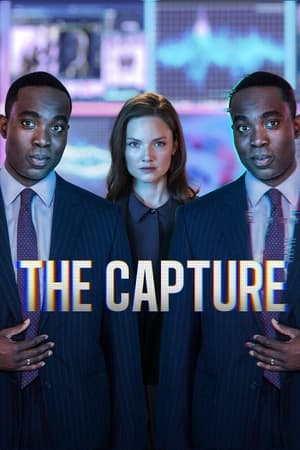
In a world awash with deepfakes and AI-generated realities, the lines between truth and fabrication are increasingly blurred. The Capture, with its solid 7.677 rating, isn't just a taut thriller; it's a chilling commentary on this very phenomenon, and it perfectly embodies the contemporary trend of obscured truths and unreliable memory. The series thrives on planting seeds of doubt in every scene, forcing the audience to actively participate in the act of interpretation, much like a literary detective unraveling a complex novel. From its opening moments, where CCTV footage becomes the central, contested piece of evidence, the show establishes a profound sense of unease. You can't trust your eyes, and by extension, the narrative you're being presented with.
This isn't a show where the police procedural elements lead to clear-cut answers. Instead, each 'clue' is a further entanglement, a new layer of digital deception or institutional manipulation. The protagonist's struggle to prove her innocence, or indeed, to understand the nature of her own complicity, is a slow, agonizing process. The show's deliberate pacing allows for extended sequences where characters pore over footage, debate its authenticity, and grapple with the implications of a reality that can be so easily manufactured. It's a masterclass in psychological suspense, proving that the most terrifying threats aren't external monsters, but the internal erosion of trust and the very fabric of perceived reality. Compare this to the instant gratification of many procedural dramas, where every episode delivers a neat solution. The Capture demands more, and in doing so, delivers a far more resonant and disturbing experience, reflecting our collective anxieties about the digital age. It's a prime example of how modern TV refuses to offer easy answers, instead reveling in ambiguity, a narrative choice I explored in my piece, "Plot Is Overrated: The Real Secret to a Binge-Worthy Show."
Crafting Shadows: Atmosphere as the Main Character
The Boroughs: The Unseen Force
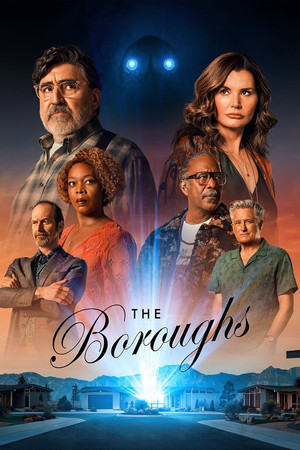
From the creators who brought us the richly detailed world of Hawkins comes The Boroughs, a new horror/mystery series that, even at a 7.339 average, promises to champion atmospheric world-building over jump scares. This show is poised to be another definitive argument for the slow burn, where the setting itself is not merely a backdrop but an active participant in the unfolding drama. Set in a seemingly idyllic retirement community in New Mexico, the premise hints at a slow unraveling of a dark secret, where a group of unlikely heroes must confront an otherworldly threat to save not just themselves, but their pasts. This is classic genre-blending, leaning into mystery and supernatural horror, but crucially, it's about the mood of the place, the hidden histories residing within its quaint facades.
Anticipate long, unsettling shots of sun-drenched desert landscapes, contrasted with the claustrophobic interiors of the senior residents' homes, each filled with decades of untold stories. The terror won't come from immediate confrontation but from the gradual realization that the familiar is tainted, that the mundane harbors the monstrous. Much like its spiritual predecessor, The Boroughs will likely spend significant time immersing viewers in the daily routines and relationships of its characters, making their eventual confrontation with the supernatural all the more impactful. This isn't about a creature popping out of a shadow; it's about the shadow itself stretching, growing, and eventually consuming the light. It's a commitment to letting dread steep, rather than simply splashing it on, a technique that rewards patient viewers with a richer, more unsettling experience.
The Vampire Lestat: Gothic Grandeur and Immortal Anguish
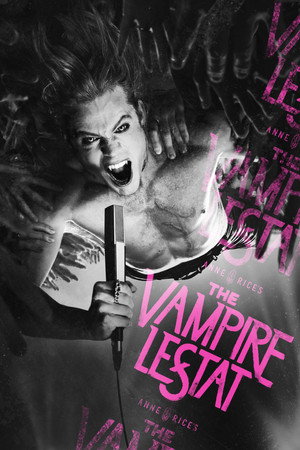
Then there's The Vampire Lestat, clocking in at a respectable 7.0, a series that, by its very source material – Anne Rice's iconic Vampire Chronicles – demands a deliberate, atmospheric approach. To adapt Rice's work is to commit to a world drenched in gothic romanticism, philosophical introspection, and the crushing weight of immortality. This isn't a show concerned with vampire action sequences; it's about the slow, agonizing exploration of identity, desire, and the profound melancholy of eternal existence. The world-building here is paramount, transporting viewers through centuries of European history, from the decadent courts of pre-revolutionary France to the shadowy streets of modern-day New Orleans.
The series, like the books, finds its power in the internal monologues, the rich descriptions of crumbling estates, bustling marketplaces, and the quiet, desperate longing that defines Lestat's existence. The slow burn is baked into its DNA: the unfolding of a vampire's life across millennia cannot be rushed. Each episode is less about propelling a rapid plot and more about deepening our understanding of Lestat's complex psyche, his relationships, and the moral ambiguities of his cursed gift. The true horror and allure lie in the seductive, tragic atmosphere, the exploration of hidden histories through the eyes of those who witnessed them. Attempts to condense such narratives into brisk, action-packed fare inevitably strip them of their essence. The Vampire Lestat proves that some stories require time to ferment, to breathe, allowing their rich, dark flavors to fully develop, offering a stark contrast to the global blockbuster mentality, a topic we've tackled before in "The End of the Global Blockbuster: Niche TV Is Winning the Streaming Wars."
Dismantling the "Plot-First" Dogma: Why the Critics Are Missing the Point
The most common counterargument against slow-burn television is the accusation of "padding" or "lack of plot." This is a fundamental misunderstanding of what these shows are trying to achieve. They are not lacking plot; they are simply prioritizing other narrative elements. The emphasis shifts from what happens to how it affects the characters, the world, and the viewer's perception. In an era where every major reveal is instantly spoiled on social media, the rapid-fire plot twist has lost much of its impact. Instead, the enduring power lies in the immersive experience, the characters you genuinely come to know, and the worlds you can inhabit.
Take the criticism often leveled at shows like House of the Dragon – a series I've previously argued is anti-binge TV precisely because it demands a slower consumption. Viewers complained about long time jumps and character introductions. Yet, this very pacing allowed for the meticulous construction of political alliances, the slow erosion of family bonds, and the simmering resentments that would eventually erupt. Rushing these developments would have rendered the epic scope meaningless, turning nuanced character work into caricature. The "plot-first" dogma treats narrative like a checklist, rather than a journey. It prioritizes the destination over the landscape, the punchline over the setup. But truly great storytelling understands that the journey, the lingering glances, the unspoken truths, and the oppressive atmospheres are the very essence of the experience. Modern prestige TV, with its literary ambitions, dares to ask viewers to slow down, to engage more deeply, and to find satisfaction not in constant movement, but in profound presence.
The Future of Deep TV: Beyond the Instant Gratification
This trend towards deliberate, character-driven, and atmospheric storytelling is not a fleeting fad; it's a mature evolution of the medium. As streaming platforms offer an overwhelming abundance of content, shows that demand engagement rather than passive consumption will increasingly stand out. They offer a richer, more rewarding experience for those willing to commit. This isn't just about prestige; it's about substance. It's about television that treats its audience not as consumers to be entertained, but as participants in a complex, unfolding narrative. The future of truly impactful television lies in its ability to transport, to challenge, and to linger long after the credits roll.
So, the next time a show seems to be moving "too slowly,
FAQ
What defines 'slow-burn' television?
'Slow-burn' television prioritizes character development, atmosphere, thematic depth, and deliberate pacing over rapid plot progression and immediate gratification. It often requires patience from viewers, rewarding them with richer, more complex narratives.
Are literary adaptations usually slow-burn shows?
Many literary adaptations lean towards a slow-burn style, as they aim to capture the depth, nuance, and thematic richness of their source material, which often cannot be conveyed through fast-paced, plot-driven storytelling without significant loss.
Why are critics often divided on slow-burn TV?
Critics are divided because some value plot efficiency and immediate impact, while others appreciate the artistic ambition of shows that prioritize mood, character, and immersive world-building. This often reflects differing definitions of what constitutes compelling television.